

We may earn a commission when you buy through links on this page, at no extra cost to you. Learn more.
When asking can you recycle wine bottles, the answer is yes in most municipal curbside programs and glass drop-off centers across the United States. Standard clear, green, and brown wine bottles are made from 100 percent recyclable glass that can be melted down and reformed repeatedly without losing structural quality. To keep the batch clean, empty and rinse the bottle, remove the cork and foil capsule, and check whether your local facility requires glass to be separated from single-stream bins.
Finishing a great bottle of Cabernet or Sauvignon Blanc always leaves behind a heavy piece of glass, and knowing how to dispose of it properly prevents valuable raw materials from ending up in a landfill. Because wine packaging combines several distinct materials—glass, natural bark or synthetic polymers, aluminum foil, and paper adhesives—each component follows a different path once the bottle is empty.
How Wine Bottle Recycling Works
Wine bottles are made from soda-lime glass, which can be crushed, melted, and molded into new containers indefinitely. Once collected, bottles travel to a sorting facility and a specialized beneficiation center before reaching a glass furnace.
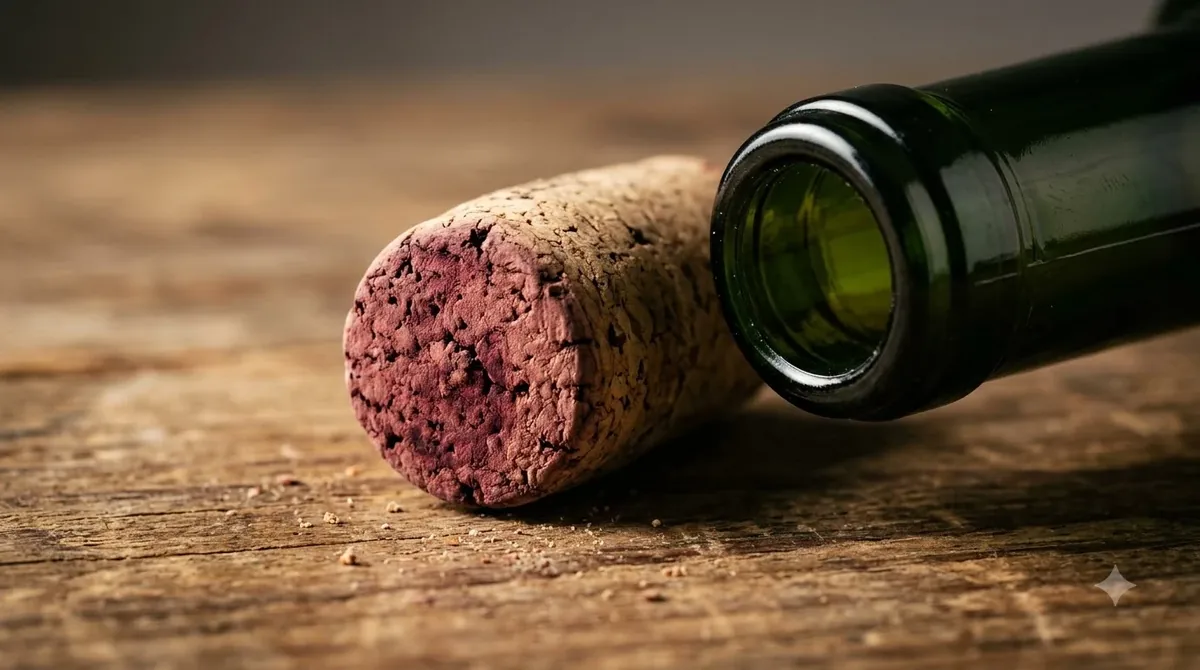
According to Wine Enthusiast, curbside wine bottles in cities with glass recycling first go to a Materials Recovery Facility for initial sorting alongside other household recyclables. Modern plants combine optical sensors with human sorting lines to separate glass from paper, plastic, and aluminum before crushing the glass into small fragments.
Those mixed fragments then move to a nearby beneficiation center, where industrial equipment washes away residual sugars, paper pulp, and grit while sorting the shards by color. Clean, color-sorted crushed glass—known in the industry as cullet—is then delivered to glass manufacturing furnaces to become new wine bottles, food jars, or fiberglass insulation.
Color separation matters because different glass tints carry different chemical properties and market demands. Clear flint glass and emerald green glass can be melted back into new beverage containers, whereas mixed-color glass that cannot be cleanly separated is often diverted to secondary uses like roadbed aggregate, tile, or concrete pavement.
How to Prepare a Wine Bottle for the Recycling Bin
Preparing an empty wine bottle takes less than thirty seconds, yet skipping basic prep steps can contaminate an entire load of glass cullet. A quick rinse and proper closure handling ensure your bottle actually gets remade into new glass.
| Bottle Component | Curbside Bin? | Proper Disposal Method |
|---|---|---|
| Glass bottle (clear, green, brown) | Yes (in most cities) | Empty completely, rinse lightly with water, and place loose in the bin. |
| Paper label | Yes | Leave attached; high-heat furnaces burn off paper and glue cleanly. |
| Natural cork | No | Compost at home or drop off at a dedicated cork recycling collection box. |
| Synthetic cork | No | Place in household trash unless accepted by a specialty polymer drop-off. |
| Aluminum screw cap | Check local rules | Either twist back onto the empty bottle or recycle with loose metals if large enough. |
| Foil or plastic neck capsule | No | Peel off completely and discard in the trash before recycling the glass. |
Start by pouring out any remaining drops of wine and giving the interior a quick swish with warm water. Sugary wine residue attracts pests at sorting centers and can stick paper and cardboard to the glass during transport, making mechanical separation far harder.
Leave paper labels right where they are. Soaking and scraping labels off at home wastes water and effort because glass furnaces operate at temperatures high enough to vaporize paper fibers and standard adhesives instantly. The only exception is heavy metallic or vinyl stickers, which you can peel off if they come away easily.
Never bag your wine bottles inside plastic grocery or trash bags when setting them out for curbside pickup. Plastic bags jam sorting machinery at recovery facilities, forcing workers to shut down the line and frequently causing bagged recyclables to be diverted straight to the landfill.
What to Do With Corks, Screw Caps, and Capsules
While the glass bottle itself belongs in the recycling stream, closures and neck wrappers are made from entirely different materials that require separate handling. Tossing corks or loose foil into a glass bin introduces contaminants that can ruin a batch of melted cullet.
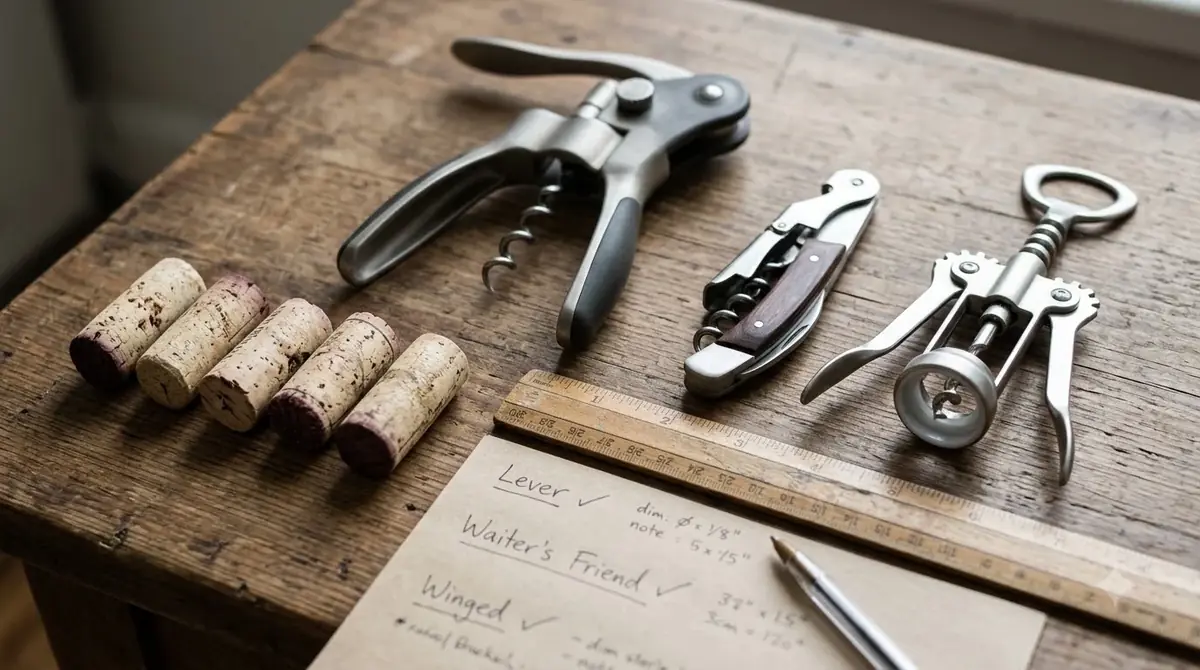
Natural wine corks are harvested from the bark of cork oak trees and should never go into your curbside recycling cart. Because they are small, lightweight, and organic, they fall through sorting screens or contaminate paper bales. Instead, drop natural corks into a backyard compost bin—after chopping them into smaller pieces to speed decomposition—or bring them to wine shops and grocery stores that host dedicated cork collection boxes.
Synthetic corks look similar to natural bark but are molded from food-grade plastics or plant-based polymers. They will not break down in a compost pile and are generally too small for municipal plastic sorters to capture, so they belong in your regular household trash unless a specialty drop-off program in your area specifically accepts them.
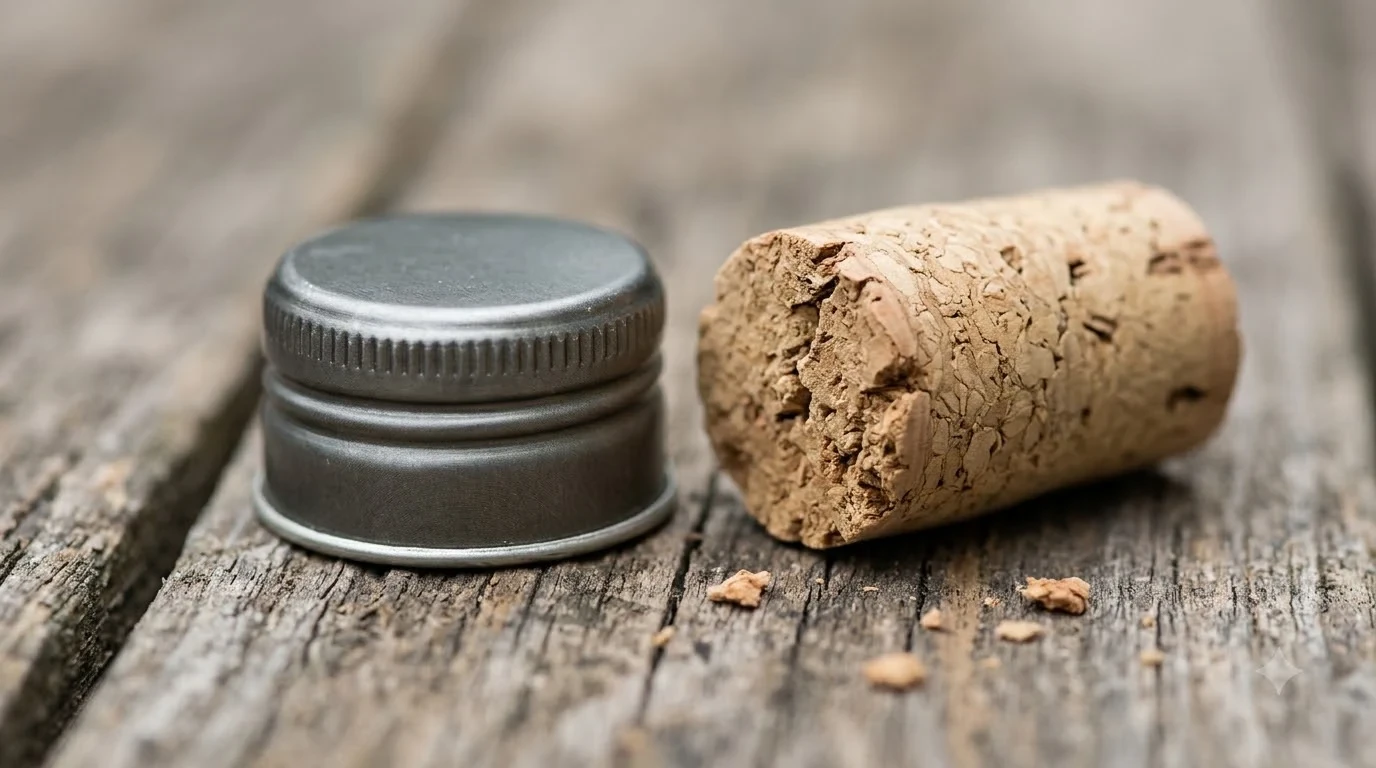
Screw caps and neck capsules require a quick split decision. Peel off the thin foil or PVC heat-shrink capsule around the bottle neck and throw it in the trash, as mixed-material foils rarely survive metal sorting. For aluminum screw caps, follow your municipality’s guidance: many facilities prefer that you screw the metal cap back onto the empty glass bottle so the small cap does not slip through sorting grates, while others ask you to toss caps into the trash.
Tip: Keep a small mason jar or decorative bowl near your wine opener to collect natural corks until you have a handful ready for a local wine shop drop-off box.
Curbside Recycling vs. Bottle Return Programs
How effectively your wine bottle gets recycled depends heavily on where you live in the United States. While single-stream curbside bins offer convenience, state bottle deposit laws produce dramatically higher recovery rates for clean glass.
In standard single-stream curbside programs, glass bottles tumble alongside aluminum cans, flattened cardboard, and heavy plastic jugs inside collection trucks. When wine bottles shatter inside the truck, tiny glass shards embed themselves into cardboard fibers and paper streams, lowering the resale value of the paper while making the contaminated glass harder to recover.
Because of that breakage problem, several municipalities and rural counties have stopped accepting glass in curbside carts altogether, asking residents instead to bring bottles to neighborhood drop-off igloos. Checking your local public works website takes only a minute and prevents your bottles from ending up in a landfill transfer station.
According to the Conservation Law Foundation, states with bottle return laws—often called bottle bills—keep glass separated and clean at redemption centers, making returned bottles prime feedstock for glass manufacturers. Most U.S. bottle deposit programs historically focused on beer and soda, though states like Oregon, California, and Maine have expanded redemption programs to include wine containers, giving consumers a financial incentive to return intact bottles.
Creative Ways to Reuse Empty Wine Bottles
Reusing a sturdy glass bottle at home saves even more energy than melting it down in a furnace. Because wine bottles are manufactured with thicker, heavier glass walls than standard soda or water bottles, they hold up remarkably well to everyday household reuse.
In the kitchen and dining room, a thoroughly washed clear or tinted bottle makes an attractive carafe for chilled tap water, iced tea, or homemade simple syrups. Adding a stainless-steel weighted pour spout turns a slim Riesling or olive-oil-style bottle into a tidy countertop dispenser for cooking oils and vinegars. If you enjoy experimenting with leftover pours, you can even explore whether you can mix red and white wine to create a house table blend or sangria base stored right in a cleaned bottle.
Around the home and garden, empty bottles serve practical roles with almost zero crafting required. Tall, slender bottles work naturally as minimalist single-stem flower vases or tapered candle holders for dinner parties. Outdoors, burying empty bottles neck-down in a neat row creates a durable, weatherproof border for herb beds and flower gardens, while a filled bottle fitted with a terracotta watering spike slowly hydrates potted plants while you are away.
If you plan to keep an intact bottle for home winemaking or transporting homemade infusions, remember that full or sealed glass bottles face strict rules during travel—check our guide on whether you can bring wine on a plane before packing any glass containers in your luggage.
Frequently Asked Questions
Do I need to remove the label before recycling a wine bottle?
No, you can leave standard paper wine labels attached to the bottle. During the glass recycling process, industrial furnaces heat the crushed glass to temperatures that completely burn away paper labels and glue without affecting the quality of the recycled glass.
Can you recycle colored wine bottles like green or blue glass?
Yes, standard emerald green, amber brown, and clear flint wine bottles are widely accepted in curbside and drop-off glass recycling programs. Specialty opaque, painted, or bright cobalt blue bottles can sometimes be harder for optical sorters to process, so check your local recycling rules if you have an unusual decorative bottle.
Can you recycle broken wine bottles in the curbside bin?
No, broken wine bottles should not be placed in your curbside recycling bin. Loose shards pose a serious injury hazard to sanitation workers and contaminate paper and cardboard recyclables during collection; wrap broken glass securely in heavy paper or a cardboard box and place it in the household trash.
Are boxed wines or aluminum wine cans easier to recycle than glass bottles?
Aluminum wine cans are among the easiest beverage containers to recycle because aluminum is lightweight to ship and retains high scrap value in curbside programs. Boxed wine is mixed packaging: the outer cardboard box is widely recyclable once flattened, while the inner plastic bladder and spout usually go in the trash unless a specialty drop-off program accepts them.
Recycling your empty wine bottles is one of the simplest ways to cut down on household waste after a dinner party or quiet evening pour. A quick rinse, a separated cork, and a quick check of your local glass guidelines ensure that heavy bottle gets a second life on the shelf—and if you are still exploring everyday wine habits, browse our Wine Q&A guides for more practical answers.
More in Wine Basics
 Which Rose Is Best for Your Taste, Budget, and Food PairingsUpdated Nov 21, 2026
 Is Cheap Wine Bad? How to Find Bottles Worth DrinkingUpdated Nov 21, 2026
 What To Write On A Wine Gift Tag: Thoughtful Messages For Every OccasionUpdated Nov 21, 2026
 Which Wine Is Best For Weight Loss? Compare Lower-Calorie ChoicesUpdated Nov 21, 2026
 What Is The Best Wine For Mimosas? Choose Bubbly That Balances Orange JuiceUpdated Nov 20, 2026
 Which Prosecco Is Best for Your Taste and OccasionUpdated Nov 20, 2026