

We may earn a commission when you buy through links on this page, at no extra cost to you. Learn more.
How do you do a wine tasting at home? Pick a theme, choose five to eight wines, pour small samples of one to two ounces in a set order, and guide guests through each glass. A home tasting needs only a few bottles, clean glasses, water, and a simple snack. With a clear plan, the evening can feel organized without feeling formal.
This article explains how to plan, set up, and run a home wine tasting from start to finish. It covers the format you choose, how much wine to pour, the gear you need, the order of the wines, and how to pair simple foods. If you are new to hosting, the steps below give you a reliable starting point.
What a Home Wine Tasting Involves
A home wine tasting is a small, guided event where guests sample several wines in short pours and talk about what they notice. The wine is usually the focus, but the mood should stay relaxed. You are not running a lecture. You are inviting friends to taste, compare, and enjoy.
According to The Chopping Block blog post on hosting at home, the tasting works best when you set ground rules before guests arrive. The main rule is that every pour is just a taste. Guests should understand that they are sampling, not finishing a glass, so the evening stays enjoyable from start to finish.
Think about your guests before you choose any wine. Casual friends often want conversation and snacks, while people who enjoy wine may want more structure. Matching the format to the crowd makes the whole event easier to plan and more fun to host.
Choose a Theme and Format
A theme gives the tasting a clear reason to exist. It also tells you which bottles to buy. Most home hosts pick one of a few common approaches, and each one works with a different level of wine knowledge.
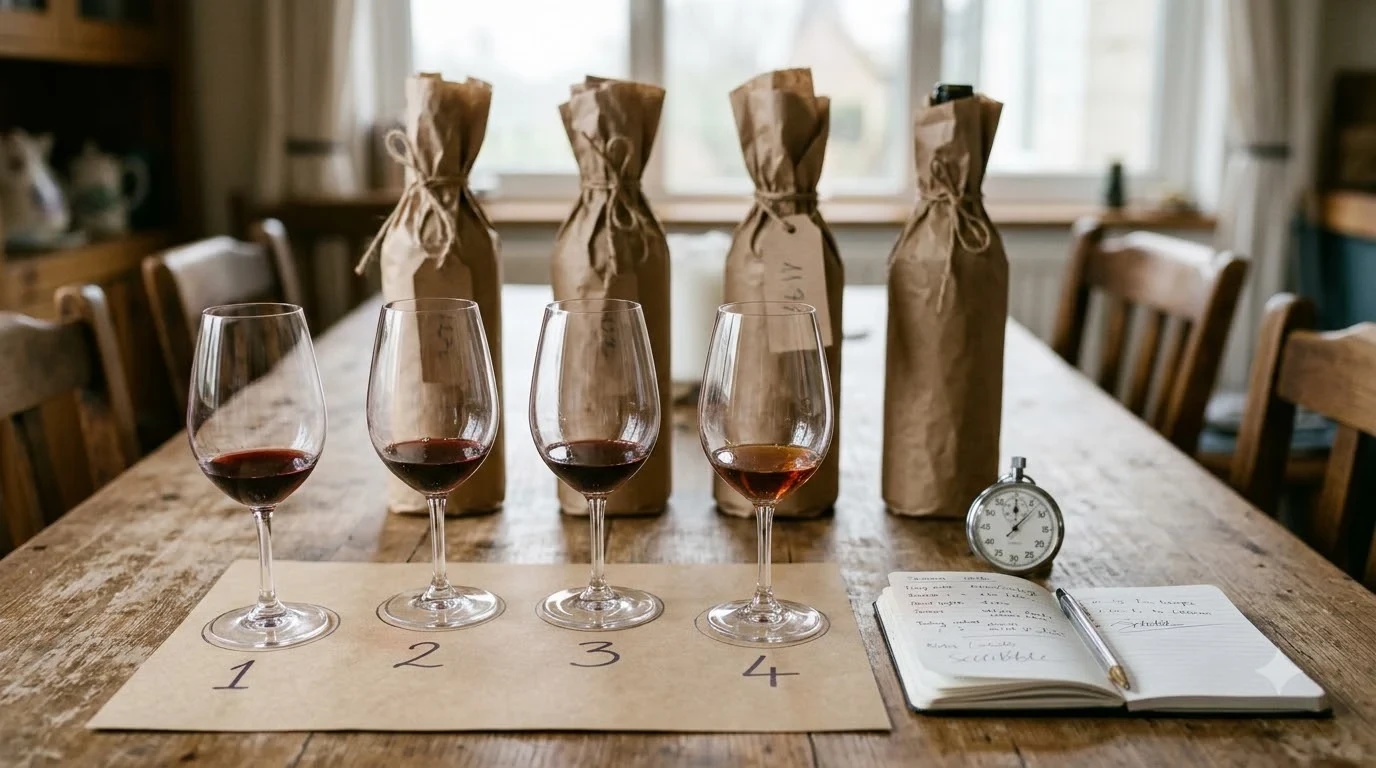
A regional theme uses wines from one area, such as one country or one valley. A varietal theme uses one grape from different places, which shows how the same grape changes with climate and winemaking. An old world versus new world theme compares European bottles with wines from other regions. A blind tasting hides the labels so guests judge by sight, smell, and taste.
| Format | Best for | How it runs |
|---|---|---|
| Stand-up walk-around | Casual guests who want to mingle | Three to six stations, each with its own wine and a matching snack |
| Seated blind tasting | Guests who enjoy a challenge | Numbered bottles hidden from view, a silent tasting period, then a discussion and reveal |
| Non-blind tasting | Relaxed evenings and dinner parties | Labels visible, with background shared as each wine is poured |
| Theme tasting | Hosts who want to learn together | One region, grape, or style, with notes compared at the end |
Choose the format that matches your comfort level. A stand-up event is easy to run and gives guests freedom to move around. A seated tasting asks more of everyone, but it creates focus and rewards careful attention. Either option works well at home if you plan the pours and the timing ahead of time.
How Many Wines, Guests and Glasses
Plan for five to eight wines, with six as a popular number for most home tastings. Fewer than five can feel thin, while more than eight makes it hard for guests to remember the earlier pours. Many hosts split the lineup evenly between white and red, or start with sparkling wine.
Guest count shapes the whole evening. Eight to twelve guests is a comfortable range, large enough for lively opinions and small enough for everyone to talk. Each bottle goes further than you might expect, because the recommended pour is only about two ounces per person. Source material from Armchair Sommelier notes that one bottle can serve up to about twelve people at that size.
Glassware is the next decision. Ideally, each guest has one glass per wine, but that is not always practical. A common approach is two or three glasses per guest, plus a rinse station with water and a dump bucket. Guests can rinse between wines, and the rinse water keeps the flavors from blending together. For more on the styles you might pour, see the grapevine vineyards resource for ideas on how regions shape what ends up in the glass.
Gear and Home Setup
You do not need a wine cellar or special equipment to host well. A small set of basic tools makes the night smoother. Plan the table, the lighting, the serving temperature, and the trash or dump area before anyone arrives.
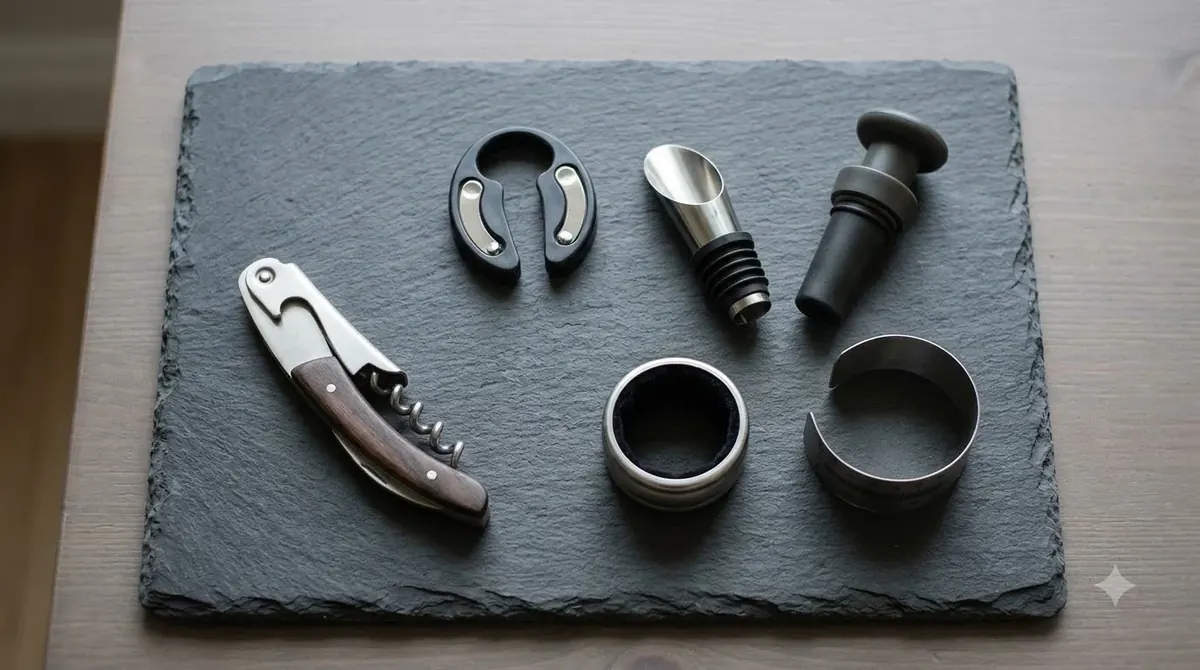
A white tablecloth or white paper helps guests see each wine clearly. Bright, warm light works better than dim, romantic lighting, because it lets everyone judge color. Keep an ice bucket nearby for chilled whites and sparkling wines, and keep a corkscrew handy, or use twist-off bottles if you prefer.
Serving temperature matters. One source suggests that full-bodied reds sit slightly below room temperature, around 60 to 65 degrees Fahrenheit. Light reds are often served a little cooler, and crisp whites and sparkling wines are best well chilled. Pull bottles from the fridge or cellar 20 to 30 minutes before the pour, and check the label or producer notes for any specific guidance.
Running the Tasting Step by Step
A clear sequence keeps the tasting on track. Most hosts explain the process once at the start, then guide each wine with a short description. Pace matters, so give guests time to talk and taste without rushing.
- Set out numbered bottles or labeled stations, and pour each wine in a small amount for every guest.
- Explain the five S’s: see, swirl, smell, sip, and savor. Tilt the glass against the white background, swirl gently, sniff, sip, then decide whether to swallow or spit.
- Allow about ten to fifteen minutes per wine, which gives guests time to compare notes and revisit earlier pours.
- Offer water and plain crackers between wines so the palate resets before the next sample.
- For a blind tasting, keep the labels hidden until guests have shared their guesses. Then reveal the bottles in order.
- Close with favorites and a short summary, and encourage guests to share what they liked most.
Order the wines carefully. Serve lighter wines before fuller ones, lower alcohol before higher alcohol, and dry wines before sweet ones. Armchair Sommelier recommends a similar progression, starting with the lightest and driest choices. This order keeps a heavy red from making a delicate white taste thin.
Keep the focus on the wine rather than on who is right. Blind guesses can be wrong, and that is part of the fun. Remind guests to avoid strong perfume during the tasting, since scent can change how a wine smells to others nearby.
Food Pairings for a Home Tasting
Simple foods support a tasting without taking over. Choose snacks that are easy to eat in small bites and do not overpower the wine. The best choices let guests focus on what is in the glass.
Fresh, mild cheeses such as goat cheese or mozzarella pair well with crisp whites and sparkling wines, because the acidity cuts through the creaminess. Semi-hard cheeses suit medium-bodied reds and richer whites. Aged, hard cheeses pair well with fuller reds, while blue cheese often works best with sweeter wines.
Armchair Sommelier suggests that cheese can coat the palate, so consider serving less cheese if the wine is the main attraction. Plain crackers, sliced apple, or bread work well between pours. Save strongly spiced dishes for the end of the evening, or serve them after the tasting is finished.
Tip: Put out a pitcher of water and a few plain crackers before the first pour. Guests can reset between wines, and the snacks also help everyone pace their glasses.
Frequently Asked Questions
How much wine do I need for a home tasting?
The recommended pour is about one to two ounces per wine for each guest. Armchair Sommelier suggests that one bottle of each wine can serve up to about twelve people at a two-ounce pour. Plan for five to eight wines, then add a little extra for guests who want a bit more after the tasting.
Do I need expensive glassware to host?
No. Clean, consistent glasses matter more than a fancy set. Many hosts use one glass per guest and rinse between wines. Luxrify notes that glasses should be free of detergent residue so that every guest tastes under the same conditions.
What order should I pour the wines?
A common order is sparkling or light whites first, then lighter reds, then fuller reds, and sweet wines last. Pour lower alcohol before higher alcohol and dry before sweet. This sequence helps each wine show its own character without being overshadowed by the one before it.
Should I do a blind tasting for my first party?
A blind tasting can be fun, but it may feel intimidating for guests who are new to wine. Printing short descriptions of each wine helps everyone follow along. Many hosts start with a non-blind tasting, then try a blind round once their guests feel comfortable.
Hosting a wine tasting at home is simpler than it looks once you pick a theme and plan the pours. Start with a small lineup, keep the pace relaxed, and enjoy the conversation. To learn more about the styles behind your bottles, browse the Wine Regions section before you choose your lineup, or explore Monterey wine tasting ideas for a future outing.
More in Wine Regions
 Willcox Wine Trail: Discover Arizona’s High-Elevation Wine CountryUpdated Nov 20, 2026
 Yakima Valley Wine Region: Find the Best Styles to TryUpdated Nov 20, 2026
 Vosne Romanee Wine Tasting: Identify Aromas and Choose Better PairingsUpdated Nov 20, 2026
 Yakima Valley Wine Festival: Find the Best Seasonal Wine EventsUpdated Nov 20, 2026
 Wales Vineyards: Discover Cool-Climate Wines and Where to VisitUpdated Nov 20, 2026
 Yountville Wine Festival: Discover Napa Wines and Local FoodUpdated Nov 20, 2026