

We may earn a commission when you buy through links on this page, at no extra cost to you. Learn more.
Rubicon wine is the flagship Bordeaux-style red blend produced by Inglenook, the historic Napa Valley estate located in Rutherford, California. First produced in 1978 after Francis Ford Coppola acquired the property, this Cabernet Sauvignon-dominant wine highlights organically farmed hillside and benchland blocks. Today, under winemaker Philippe Bascaules, it is recognized for balancing dark berry concentration with classic, age-worthy structure and savory Rutherford earthiness.
When wine drinkers talk about iconic Napa Valley reds, conversations frequently circle back to the historic benchlands along Highway 29 in Rutherford. Among the most storied bottles from this corridor is Rubicon, a wine whose name once graced the entire estate before the Coppola family reunited the property with its nineteenth-century Inglenook identity. Understanding what makes this flagship bottle distinctive requires looking at its vineyard blocks, its shift toward fresher winemaking, and how it fits among top American wine brands.
Who Makes Rubicon Wine and Its Estate History
Rubicon is produced by Inglenook, one of Napa Valley’s oldest wine estates, originally founded in 1879 by Finnish sea captain Gustave Niebaum. After decades of international acclaim under Niebaum and later his grandnephew John Daniel Jr., the estate was split up in the 1960s before Francis and Eleanor Coppola began reuniting the vineyards in 1975.
When Coppola purchased the chateau and surrounding vines in Rutherford, the historic Inglenook trademark belonged to corporate owners who were applying it to jug wines. To signal a return to world-class estate winemaking, Coppola launched a brand-new flagship red with the 1978 vintage and named it Rubicon. For several years in the mid-2000s, the entire property even operated under the banner of Rubicon Estate Winery while the family worked to reclaim the original nineteenth-century title.
In 2011, the Coppolas successfully acquired the Inglenook trademark, restoring the estate’s historic name starting with the 2009 vintage release. Around the same time, they recruited Philippe Bascaules—who had spent decades at Château Margaux in Bordeaux—as Director of Winemaking. That appointment marked a turning point for the flagship bottling, steering it away from the heavier, high-alcohol California style of the late 1990s toward greater precision, restraint, and longevity.
Today, Inglenook’s official Rubicon profile emphasizes that every vintage is crafted exclusively from organically grown estate fruit. By keeping farming strictly in-house and vinifying individual vineyard parcels separately, the winemaking team ensures that Rubicon serves as a pure snapshot of the Rutherford property rather than a generic regional blend.
The Lineup: Grape Varieties and Vintage Blends
While Rubicon is always anchored by Cabernet Sauvignon, its exact composition shifts each year to reflect growing conditions across Inglenook’s top vineyard blocks. Depending on the harvest, winemakers incorporate supporting Bordeaux varieties—typically Merlot, Cabernet Franc, and Petit Verdot—to build mid-palate texture, aromatic lift, and color depth.
The fruit for Rubicon is drawn from a specific collection of estate parcels on the Rutherford bench and lower slopes, including blocks named Apple, Bridge, Cask, Cohn, Creek, Gio, Lower Garden, and Walnut. Because Inglenook expanded its cellar to 120 smaller, taller fermentation tanks, each parcel can be harvested and fermented on its own timeline before blending decisions take place. In rare harvests like 2013, the winemaking team decided that Cabernet Sauvignon stood best on its own, bottling Rubicon as a single-varietal wine. In most years, however, small percentages of companion grapes play a vital supporting role.
| Vintage | Cabernet Sauvignon | Merlot | Cabernet Franc | Petit Verdot | Oak Aging Regimen |
|---|---|---|---|---|---|
| 2018 | 88% | 8% | 3% | 1% | 18 months in 100% French oak (76% new) |
| 2019 | 81% | 11% | 5% | 3% | Aged in French oak (75% new) |
| 2021 | 87% | 4% | 9% | 0% | 18 to 20 months in 100% French oak (75% new) |
| 2022 | 85% | 6.5% | 6% | 2.5% | 18 months (75% French oak, 25% neutral oak) |
| 2023 | 78% | 11% | 6.5% | 4.5% | 20 months (74% French oak, 26% neutral French oak) |
Alongside the flagship Rubicon, Inglenook produces several other estate bottlings that help contextualize where Rubicon sits in the winery’s hierarchy. The estate bottles an Inglenook Cabernet Sauvignon that offers a slightly more approachable expression of the property, as well as Blancaneaux, a white Rhône-style blend, and Edizione Pennino Zinfandel. Within this family, Rubicon remains the pinnacle red selection, receiving the strictest barrel selection from the estate’s highest-performing blocks.
Taste Profile and Winemaking Style
In the glass, Rubicon delivers a full-bodied yet finely structured profile defined by dark cassis, blackberry, and black cherry layered over savory notes of cedar, sweet tobacco, and dried herbs. Rather than relying on jammy over-ripeness, modern vintages emphasize vibrant natural acidity, fine-grained tannins, and a lingering mineral finish.
A defining sensory hallmark of wines grown on this specific stretch of Napa Valley is what locals call “Rutherford dust”—a subtle, cocoa-like earthiness and chalky mineral grip that frames the dark fruit. Critics reviewing recent vintages frequently point out how Rubicon balances lush Napa berry character with Old World restraint. For example, reviewers at Decanter and Wine Enthusiast have highlighted aromas of crushed cocoa nibs, dark coffee beans, sage, and dried florals supported by sturdy, silken tannins.
That balance is intentional. Since taking the helm, Bascaules has adjusted vineyard canopy management and moved harvest dates earlier to avoid dehydrated grapes and excessive sugar accumulation. By fermenting in vessels with a gentler skin-to-juice ratio and aging the wine for roughly 18 to 20 months in mostly new French oak barrels, the cellar team integrates vanilla, clove, and toast nuances without masking the vineyard’s underlying freshness. Alcohol levels generally sit around 13.8% to 14.8% ABV depending on the vintage, keeping the palate focused rather than heavy.
If you are accustomed to softer, fruit-forward everyday blends like 14 Hands Hot to Trot wine, Rubicon will feel noticeably firmer, drier, and more complex in its youth. Its dense core of tannin and acidity is engineered to soften gradually over decades in a temperature-controlled cellar, trading immediate sweetness for savory depth as the bottle matures.
How to Serve and Pair Rubicon Wine
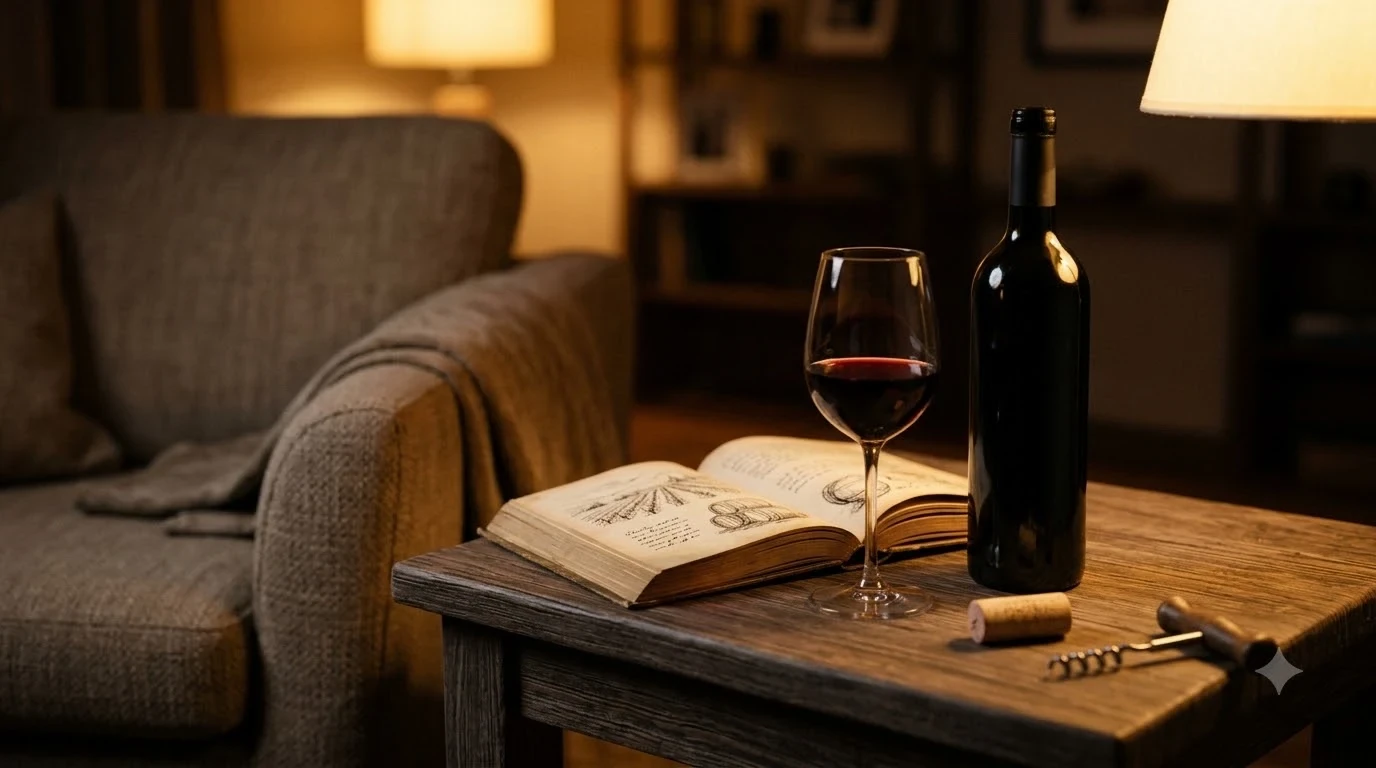
To show its aromatic layers properly, Rubicon should be served slightly below room temperature at 60°F to 65°F and given ample aeration before pouring. Young vintages especially benefit from decanting so their tight tannins and savory undertones can open up.
If you are opening a bottle that is fewer than ten years old, pouring it into a wide-bottomed decanter one to two hours before dinner makes a noticeable difference. Oxygen softens the firm Cabernet Sauvignon structure and coaxes out secondary notes of espresso, graphite, and dried rose petal that stay tucked away right after pulling the cork. For bottles with fifteen or more years of age, stand the bottle upright a day in advance so natural sediment settles to the bottom, then decant gently just before serving to separate the clear wine from the deposit.
Tip: Use large-bowled Bordeaux stems when pouring Rubicon; the generous bowl concentrates delicate cedar and tobacco aromatics while directing the wine smoothly across the middle of your palate.
At the dinner table, Rubicon’s firm tannins and bright acidity call for rich, savory dishes with plenty of protein and fat. Classic pairings include charcoal-grilled ribeye, prime rib, herb-crusted rack of lamb, and braised short ribs. Game meats such as roasted venison or duck breast also harmonize naturally with the wine’s earthy sage, leather, and underbrush notes. For vegetarian or cheese-focused menus, aged hard cheeses like Comté, aged Gouda, or Parmigiano-Reggiano—alongside wild mushroom risotto—echo the wine’s umami depth without overwhelming its fruit.
Who Rubicon Wine Suits Best
Rubicon is tailored for wine enthusiasts, collectors, and special-occasion hosts who appreciate classic, structured Cabernet Sauvignon blends built for long-term aging. It appeals most to drinkers who value regional authenticity and Left Bank Bordeaux elegance over overtly sweet, oak-heavy California reds.
Because Inglenook farms its Rutherford estate organically and maintains strict parcel-by-parcel selection, this bottle also resonates with buyers who care about heritage agriculture and single-estate provenance. Collectors frequently lay down cases of strong vintages—such as 2018, 2019, and 2021—to track how the dark berry fruit evolves into truffle, cedar, and dried cherry over twenty to thirty years.
Conversely, Rubicon is not designed as a casual weeknight sipper or an entry-level wine for people who dislike noticeable tannins. Casual drinkers who prefer crisp, light-bodied whites like Avaline white wine for warm-weather patio sipping, or those exploring alcohol-free alternatives such as Ariel wine, will find Rubicon far more intense and structured than what they are looking for. It shines brightest when treated as a centerpiece bottle paired with a thoughtful meal or saved to mark a milestone anniversary.
Frequently Asked Questions
Is Rubicon wine the same winery as Inglenook?
Yes, Rubicon is the flagship red wine produced by Inglenook in Rutherford, California. After Francis Ford Coppola bought the property in 1975, he launched Rubicon in 1978 and even named the winery Rubicon Estate for several years until acquiring the historic Inglenook trademark in 2011.
What grapes are in Rubicon wine?
Rubicon is a Bordeaux-style red blend led primarily by Cabernet Sauvignon, which typically makes up roughly 78% to 90% of the bottle. Depending on the vintage, the winemaking team blends in smaller amounts of Merlot, Cabernet Franc, and Petit Verdot harvested from organically farmed estate blocks.
How long can you age a bottle of Rubicon wine?
Top vintages of Rubicon are built to age gracefully for 20 to 30 years or more in proper cellar conditions. Wine critics regularly note that young releases benefit from at least five to ten years of bottle rest before entering their prime drinking window.
What does Rubicon wine taste like?
It is a full-bodied, structured red wine offering concentrated flavors of cassis, blackberry, and dark cherry alongside savory notes of cedar, tobacco leaf, espresso, and cocoa. Under winemaker Philippe Bascaules, modern vintages are known for lively acidity, fine-grained tannins, and an earthy Rutherford mineral finish.
From its roots in Gustave Niebaum’s nineteenth-century vineyards to its modern evolution under Philippe Bascaules, Rubicon remains a benchmark for classic Rutherford winemaking. Whether you open a decanted young vintage alongside a prime rib dinner or cellar a bottle for a future milestone, it offers a clear window into one of Napa Valley’s most historic estates.
More in Wine Brands
 Underwood Wine Price: Compare Bottles, Cans, and Pack SizesUpdated Nov 21, 2026
 Zenato Wine Price: Compare Styles and Choose the Right BottleUpdated Nov 21, 2026
 Zuccardi Wine Price: Compare Bottles and Find the Right RangeUpdated Nov 21, 2026
 Yellow Tail Moscato Review: Taste, Sweetness and Serving TipsUpdated Nov 21, 2026
 Wolf Blass Yellow Label Review: Choose Your Best StyleUpdated Nov 21, 2026
 Wolffer Estate Rose Review: Choose the Right Bottle for Your TableUpdated Nov 21, 2026