
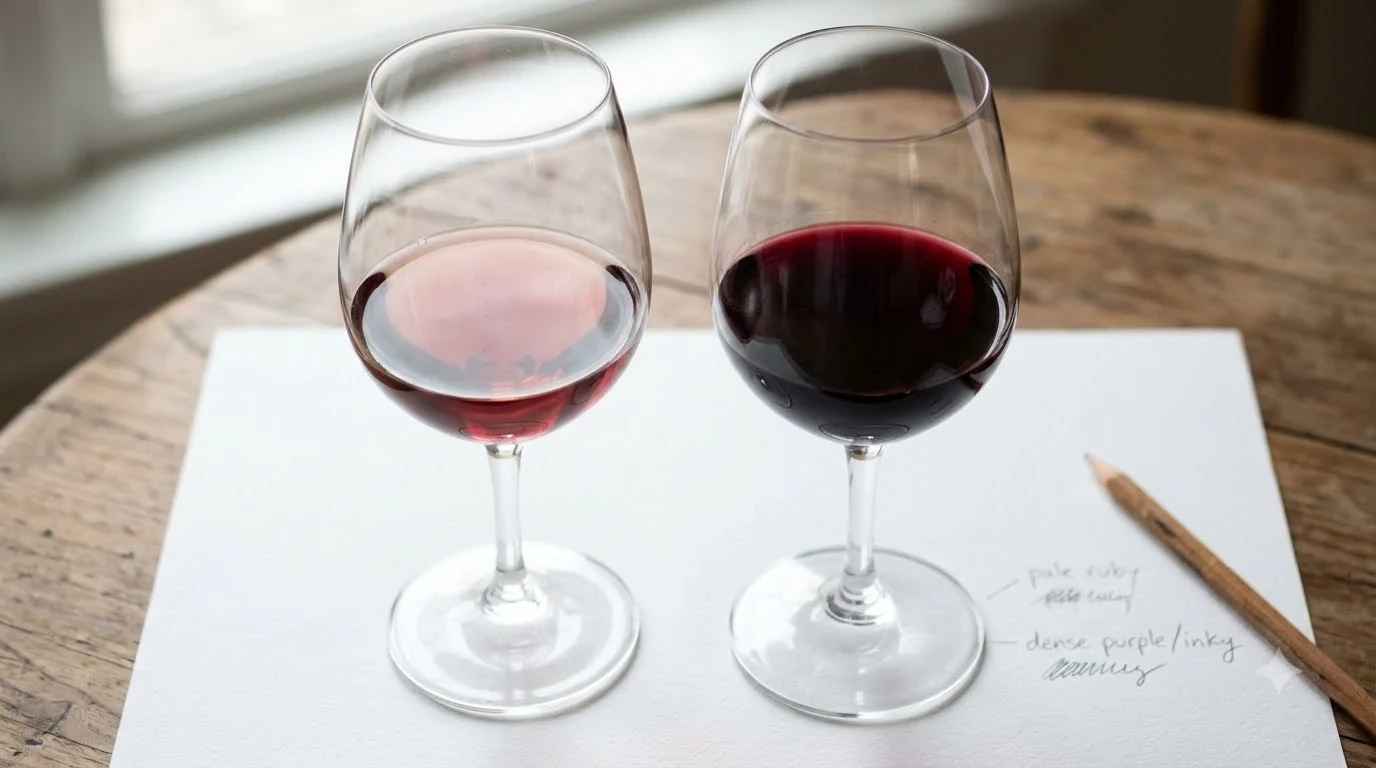

We may earn a commission when you buy through links on this page, at no extra cost to you. Learn more.
Shiraz wine is a full-bodied red made from the shiraz grape, the name Australians use for the variety known as syrah in most of the world. Australian shiraz is usually ripe, fruit-driven and generous in alcohol, with flavors of blackberry, plum, dark chocolate and black pepper. It is one of the most recognizable red wines on store shelves, and it suits anyone who likes bold reds with a soft, rounded finish.
Shiraz is a wine many people buy by name without knowing much about it. This guide explains what the wine usually tastes like, how it differs from the cooler-climate styles from France, how to choose a bottle, and how to serve and pair it so you get the most from each glass.
What shiraz wine is and where it comes from
Shiraz is a dark-skinned grape used mainly for red wine. The grape’s history is well documented. DNA studies have traced its ancestry to two older French varieties, and researchers believe it likely originated in the northern Rhône Valley. Over time it spread across the world, and today it is planted in many wine regions, from California and South Africa to Argentina and Chile.
Australia is the country most closely tied to the name shiraz. The grape is the most widely planted red variety there, and it is grown in notable areas such as the Barossa Valley, the Hunter Valley and McLaren Vale. The Australian style has shaped how many people think of the wine, so when a bottle says shiraz on the label, it usually signals a warm-climate wine with plenty of ripe fruit.
The name you see on a label can vary. Producers in France use syrah, and many New World winemakers use shiraz for a riper style, though the difference is a loose rule of thumb and is not applied consistently. The grape itself is the same. Wine Folly’s syrah guide notes that the grape is “typically known as Shiraz in Australia,” and that Australian versions tend to show more fruit-driven character and lots of spice.
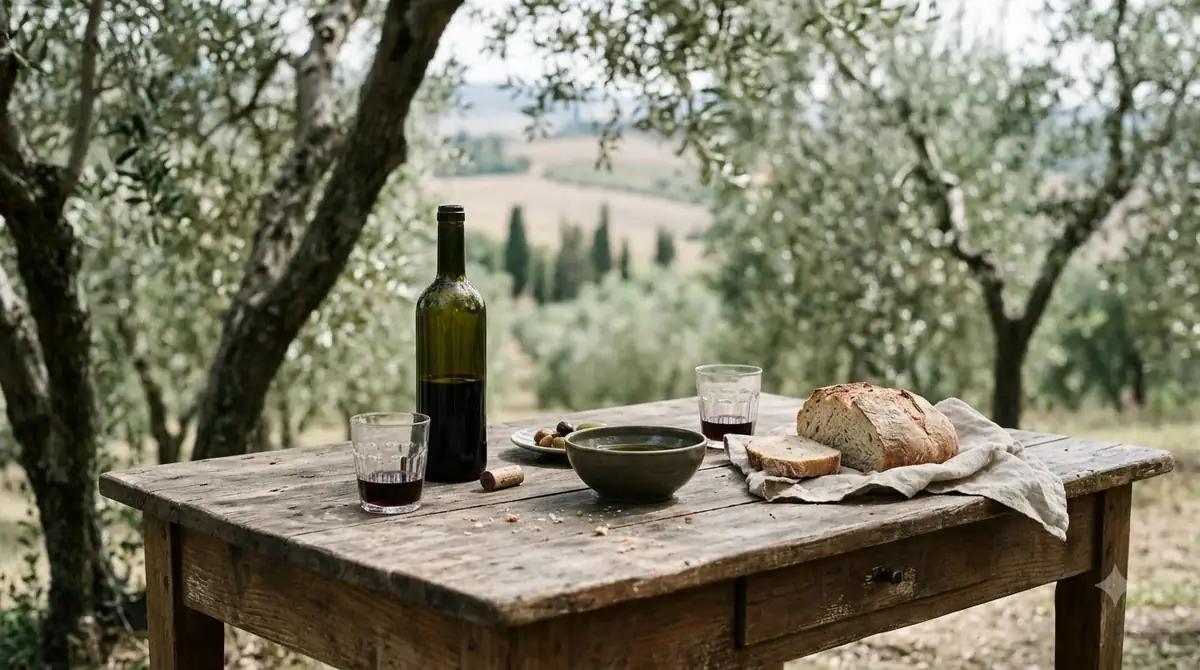
Flavor and style of shiraz wine
The typical shiraz profile is rich and round. Blackberry, dark plum and blueberry are the fruit notes most often mentioned in tasting material, and many bottles add coffee, dark chocolate, vanilla from oak aging, and a peppery spice that gives the wine its lift. Warm-climate shiraz often has a lush texture and a long, warm finish.
Tannin is usually softer than in many cabernets, although it is still present and gives the wine structure. Alcohol is often high, commonly in the mid-teens by volume for Australian bottles, which adds body and a sense of warmth. Cooler-climate shiraz, from regions with a longer growing season, can be more savory and peppery, with brighter acidity and firmer tannins.
Some styles are made to age and others to drink young. A fresh, fruit-led bottle is ready soon after release and fits casual dinners. A more structured bottle, often from a top vineyard site, can develop leather, earth and dried-fruit notes over several years. Reading the producer’s description helps you tell which kind you are buying.
Oak plays a large part in the final character of many shiraz bottles. New oak can add vanilla, coconut and toasted spice, which often sits alongside the dark fruit and makes the wine feel richer. Wines aged in older barrels or in stainless steel keep more of the fruit and pepper in front, and they can feel fresher on the palate. Neither choice is right or wrong, but the oak treatment is one of the easiest things to spot in a tasting note and it tells you a lot about how the wine will feel in the glass.
| Style | Typical character | Best for |
|---|---|---|
| Warm-climate shiraz | Ripe plum and blackberry, soft tannin, high alcohol | Everyday drinking and rich dinners |
| Cool-climate shiraz | Black pepper, savory notes, brighter acidity, firmer tannin | Food pairing and short-term aging |
| Premium aged shiraz | Dark fruit, leather, earth, layered oak | Cellaring and special occasions |
How to choose a bottle of shiraz
Begin with the style you enjoy. If you like fruit-forward reds that taste generous and easy, look for a warm-region bottle from Australia or another sunny area. If you want something more savory and peppery, check whether the label names a cooler region or says the wine is made in a restrained style.
Check the vintage and region on the back label, and read the producer’s tasting note. Regional names give useful clues. A bottle from a famous valley often has a clearer profile than a generic blend, though a well-made blend can be a good value.
Shiraz is also a grape that is often blended with other varieties, including cabernet sauvignon and grenache. Blends can add structure or perfume, so read the label closely if you are looking for a particular taste. For more on how red grapes differ, the wine types guide lays out the main families side by side.
If you are comparing shiraz with a deep, structured red, cabernet sauvignon wine is the classic benchmark. For a lighter, sweeter alternative in the same shopping aisle, moscato wine is a very different experience, but it shows how wide the range of styles can be.
How to serve shiraz
Serve shiraz slightly below room temperature, around 16 to 18 degrees Celsius. Warm rooms can make the alcohol feel heavy, so a short time in the refrigerator before pouring is often enough. A large-bowled glass gives the aromas space to open, and a wider rim lets the wine’s fruit come forward.
Full-bodied bottles, especially younger ones or those with firm tannin, often improve with a short decant of 30 to 60 minutes. Softer, fruit-led styles can be opened and poured straight away. Once opened, a bottle keeps for a few days with the cork replaced and stored in a cool place.
Shiraz does not need a lot of ceremony. Pour it generously, let it breathe while you eat, and taste it again as it warms slightly in the glass. Its flavors often shift in interesting ways over the course of a meal.
If you are hosting, it helps to open the bottle before guests arrive so that the wine has time to settle. Pour a small taste first, then wait a few minutes before filling the glasses. Many people find that the second glass shows more of the wine’s character than the first, once the palate has adjusted to the alcohol and the fruit.

Food pairing for shiraz
The wine’s ripe fruit and soft tannin suit grilled and barbecued food. Lamb chops, beef ribs, sausages and smoky roasted vegetables all work well, and the wine’s spice complements the char. A pepper-crusted steak is a classic match.
Richer sauces make good partners too. Tomato-based dishes, slow-cooked stews, mushroom sauces and spicy barbecue glazes sit comfortably beside a glass of shiraz. Dark chocolate desserts can echo the wine’s cocoa notes, though the pairing works best with a sweeter style.
Lighter food tends to struggle. Delicate fish, fresh salads and mild cheeses are overwhelmed by the wine’s fruit and alcohol. Sharp hard cheeses like aged cheddar, by contrast, can be very satisfying with a fuller bottle.
Frequently Asked Questions
Is shiraz the same as syrah?
The grape is the same. Shiraz is the name commonly used in Australia and many New World regions, while syrah is the name used in France and many European wines. Styles can vary widely, so the name alone does not tell you everything about the wine.
Is shiraz wine sweet?
Most shiraz is dry. Its fruit can taste ripe and rich, which many people read as sweet, but the wine itself usually has little or no residual sugar. Check the producer’s description if you want a softer style.
Does shiraz need to be aged?
Many shiraz bottles are ready to drink soon after release, especially fruit-led styles. Premium bottles from top sites can improve for several years, so the producer’s recommendation is the best guide.
What should I drink shiraz with?
Grilled red meat, barbecue, hearty stews and savory tomato dishes are classic matches. Choose a cooler-climate bottle for lighter, more savory food and a warm-climate bottle for rich, smoky dishes.
Shiraz is a versatile red that rewards a little curiosity. Try a warm-climate bottle for an easy introduction, then compare a cooler-climate version to see how region shapes the glass. Drinking it with grilled or savory food will show you why it has stayed so popular for so long.
More in Wine Types & Grapes
 Zinfandel Sugar Content: Dry Red vs. White Zinfandel GramsUpdated Nov 21, 2026
 Best Zinfandel Substitute Options for Sipping and CookingUpdated Nov 21, 2026
 Zweigelt Food Pairing: Best Dishes, Cheeses, and Serving TipsUpdated Nov 21, 2026
 Zinfandel Tannins Explained: How Structure Shapes Every BottleUpdated Nov 21, 2026
 Zinfandel Sweetness Level: Dry Red vs. Sweet White Zin ExplainedUpdated Nov 21, 2026
 Xinomavro Food Pairing: Best Dishes, Styles, and Serving TipsUpdated Nov 21, 2026