

We may earn a commission when you buy through links on this page, at no extra cost to you. Learn more.
Gnarly Head Cabernet Sauvignon is a bold, fruit-driven California red wine produced by Delicato Family Wines at 13.5% ABV. Sourced from select California vineyards, including historic growing areas like Lodi, the wine showcases dark fruit notes of black cherry, blackberry, and plum alongside charred oak and black pepper spice. Aged on a blend of American and French oak, it offers structured tannins and a jammy, approachable style designed for everyday meals and grilled meats.
While the Gnarly Head label originally built its reputation on old-vine Zinfandel, its Cabernet Sauvignon applies that same generous, full-flavored house philosophy to America’s most popular red grape. Understanding how the grapes are farmed, vinified, and styled makes it easy to see where this bottle fits on the table and how to serve it at its best.
Who Makes Gnarly Head Cabernet Sauvignon
Gnarly Head is produced in California by Delicato Family Wines, a multi-generational family-owned winery operation that traces its roots to Italian immigrants who began farming vines in the state nearly a century ago. Winemaker Scott Jones and viticulturist Bud Bradley oversee the brand’s vineyard sourcing and cellar approach across Northern California.
The brand takes its name from the gnarled, head-trained “gobelet” vines found throughout California’s Lodi appellation, some of which have been growing for decades. Unlike modern trellised vineyards where vines grow along wires, head-trained vines stand unsupported like small, twisted trees, producing fewer grape clusters with smaller berries and concentrated dark-fruit flavors.
Although head training is most closely associated with heritage Zinfandel blocks—such as those highlighted in our overview of gnarly head old vine zinfandel—the winemaking team uses that concentration benchmark as the blueprint for its entire portfolio. When crafting Cabernet Sauvignon, they select fruit from sun-drenched California vineyards, including estate holdings like Clay Station Vineyard in Lodi, to capture that same dense, ripe character.
Winemaking and Oak Aging
According to Gnarly Head’s official winemaking notes, the grapes for this Cabernet Sauvignon are harvested early in the morning while vineyard temperatures are still cool. Picking in the cool morning air preserves natural acidity and allows the fruit to warm gently before fermentation begins.
In the cellar, fermentation takes place at controlled temperatures to extract deep color and ripe berry aromas without pulling harsh, bitter compounds from the grape seeds. Depending on the vintage blend, the wine is primarily Cabernet Sauvignon, occasionally supported by small amounts of complementary red varieties such as Petite Sirah or Malbec to deepen the mid-palate color and spice.
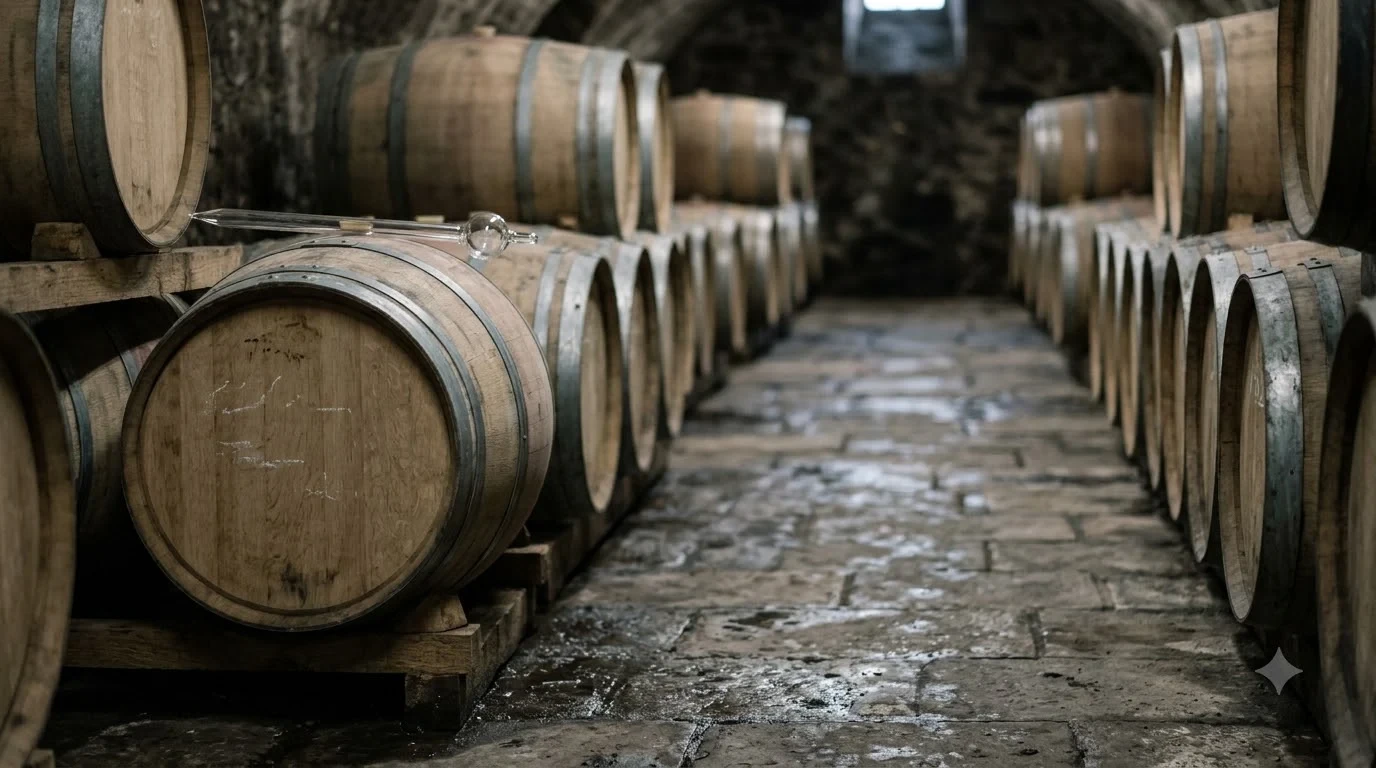
Once fermentation is complete, the wine is aged on a combination of American and French oak. American oak contributes warm notes of vanilla, charred wood, and sweet baking spice, while French oak adds subtle cedar structure and helps soften the tannins into a round, approachable finish.
Taste Profile and Critic Reception
Gnarly Head Cabernet Sauvignon delivers an expressive, dark-fruited flavor profile anchored by black cherry, ripe blackberry, and purple plum, layered with cracked black peppercorn, cocoa, and toasted oak. At 13.5% ABV, it carries enough body to coat the palate without feeling overly heavy or hot on the finish.
Reviewers at Wine-Searcher’s critic archive highlight how consistently the wine balances ripe California fruit with savory herbal and spice notes across recent vintages. In tasting notes for the 2023 vintage, Wine Enthusiast awarded the bottling 89 points, noting aromas of fleshy ripe red berries, vanilla cream, and bay laurel leading into flavors of juicy red plum, red currant, cranberry, dried coriander, and herbal tea with dry, grippy tannins.
Earlier vintages have received similar recognition for fruit clarity and restrained oak integration. Critics evaluating the 2016 and 2022 releases praised the wine’s ripe blackberry core and clean, food-friendly structure, distinguishing it from mass-market California Cabernets that rely heavily on residual sweetness.
| Attribute | Gnarly Head Cabernet Sauvignon Profile |
|---|---|
| Producer | Delicato Family Wines (California) |
| Primary Grape | Cabernet Sauvignon (with occasional minor blending grapes) |
| Alcohol by Volume (ABV) | 13.5% |
| Oak Regimen | Blend of American and French oak |
| Core Fruit Notes | Black cherry, blackberry, purple plum, red currant |
| Secondary Notes | Black peppercorn, vanilla, charred oak, cocoa, bay laurel |
| Body and Tannins | Full-bodied, dry, moderate-to-grippy ripe tannins |
The Gnarly Head Cabernet Lineup
Beyond the flagship California Cabernet Sauvignon, the Gnarly Head portfolio includes several distinct Cabernet expressions tailored to different winemaking styles and packaging formats. Knowing the differences between the core bottling and its sister releases prevents confusion at the wine shop.
The standard Gnarly Head Cabernet Sauvignon wears the brand’s classic label featuring a gnarled vine illustration and focuses on pure varietal fruit aged on French and American oak. Alongside the standard 750ml bottle, this flagship release is also produced in 1.5-liter magnum bottles and periodic collector editions, such as the Grateful Dead limited-edition label series celebrating Northern California’s cultural heritage.
For drinkers seeking an even richer, barrel-influenced style, the brand also offers the 1924 Limited Edition Double Black Cabernet Sauvignon—named after the year the Indelicato family planted their first California vines—as well as a Bourbon Barrel Aged Cabernet Sauvignon. While the flagship bottling keeps oak spice balanced against bright berry acidity, the 1924 series leans toward higher alcohol, deeper toast, and pronounced caramel and bourbon-barrel notes.
How to Serve and Store
Serve Gnarly Head Cabernet Sauvignon slightly below room temperature, ideally between 60°F and 65°F (15°C to 18°C), in a large-bowled Bordeaux glass. A large bowl gives the dark fruit, violet, and peppercorn aromas room to open up while directing the wine toward the center of the palate.
Because modern kitchen and dining room temperatures often hover closer to 70°F or 72°F, placing the bottle in the refrigerator for 15 to 20 minutes before pouring brings it right into the ideal serving range. Serving it too warm accentuates the alcohol and flattens the lively red-currant and cherry acidity.
While the wine is bottled for immediate enjoyment and does not require years of cellar aging, giving a newly opened bottle 20 to 30 minutes of air in the glass or a decanter helps soften its grippy tannins. Unopened bottles should be stored on their side in a cool, dark place away from direct sunlight and heat fluctuations, and can be enjoyed comfortably within three to five years of the vintage date.
Tip: If you are serving this Cabernet at an outdoor summer barbecue, keep the opened bottle in a shaded cooler or an insulated wine sleeve so warm afternoon air does not push the wine past 68°F.
Food Pairing Guide
Gnarly Head Cabernet Sauvignon pairs naturally with rich, savory dishes whose fat, smoke, and umami temper the wine’s dry tannins and echo its charred-oak spice. Its balance of dark berry fruit and black pepper makes it especially versatile at backyard cookouts and hearty weeknight dinners.
Beef and lamb are classic partners. Grilled ribeye steak, slow-braised beef short ribs, espresso-rubbed tri-tip, and rosemary lamb skewers match the wine’s full body, while the protein and marbling soften the tannic grip on the finish. Casual favorites like bacon cheeseburgers, meat-lover’s pizza, and spaghetti Bolognese also work well because the wine’s bright acidity cuts through melted cheese and rich tomato sauce.
Plant-based and cheese pairings benefit from smoky or aged flavor profiles. According to the winery’s kitchen recommendations, grilled black-bean burgers and roasted ratatouille mirror the wine’s herbal bay-laurel and pepper notes, while aged cheddar, sharp provolone, and smoked Gouda highlight its dark plum and vanilla undertones.
Where It Fits Among California Cabernets
Within the broader category of approachable Wine Brands, Gnarly Head occupies a distinct niche as an unpretentious, fruit-forward California red with genuine Lodi agricultural roots. Rather than chasing the ultra-ripe, high-alcohol profile common in luxury Napa Valley bottlings, it maintains a moderate 13.5% ABV that keeps the wine lively at the dinner table.
Compared with coastal peers like estancia cabernet, which typically leans toward cooler-climate Paso Robles or Monterey structure and herbal restraint, Gnarly Head emphasizes juicier blackberry and black cherry density from warmer inland vineyards. At the same time, it remains drier and more distinctly varietal than multi-grape red blends such as 14 hands hot to trot wine, giving Cabernet fans recognizable cassis, cedar, and tannic structure without requiring hours of decanting.
Frequently Asked Questions
Is Gnarly Head Cabernet Sauvignon dry or sweet?
Gnarly Head Cabernet Sauvignon is a dry red wine. While its ripe blackberry, black cherry, and vanilla-oak notes create a juicy, fruit-forward impression on the mid-palate, it finishes dry with firm tannins and balanced acidity rather than noticeable residual sugar.
What is the alcohol content of Gnarly Head Cabernet Sauvignon?
The flagship Gnarly Head Cabernet Sauvignon is bottled at 13.5% alcohol by volume (ABV). This moderate alcohol level gives the wine full-bodied richness while keeping it balanced and food-friendly alongside grilled meats and pasta.
Where are the grapes for Gnarly Head Cabernet Sauvignon grown?
The grapes are sourced from select Northern California vineyards, including estate and partner sites in the Lodi appellation. Warm sunny days and cool delta breezes in the region help the Cabernet Sauvignon grapes develop concentrated dark fruit flavors alongside fresh natural acidity.
Does Gnarly Head Cabernet Sauvignon need to be decanted?
Decanting is not strictly necessary because the wine is crafted to be approachable upon release, though letting it breathe in the glass or a decanter for 20 to 30 minutes softens its grippy tannins and brings out subtle aromas of violet, cedar, and baking spice.
Built on California’s tradition of bold, sun-ripened fruit, Gnarly Head Cabernet Sauvignon delivers classic dark-berry character, balanced oak spice, and reliable structure at 13.5% ABV. Whether poured alongside weeknight pasta or weekend ribs off the grill, serving it with a slight chill and a bit of air ensures every glass shows its best.
More in Wine Brands
 Underwood Wine Price: Compare Bottles, Cans, and Pack SizesUpdated Nov 21, 2026
 Zenato Wine Price: Compare Styles and Choose the Right BottleUpdated Nov 21, 2026
 Zuccardi Wine Price: Compare Bottles and Find the Right RangeUpdated Nov 21, 2026
 Yellow Tail Moscato Review: Taste, Sweetness and Serving TipsUpdated Nov 21, 2026
 Wolf Blass Yellow Label Review: Choose Your Best StyleUpdated Nov 21, 2026
 Wolffer Estate Rose Review: Choose the Right Bottle for Your TableUpdated Nov 21, 2026