

We may earn a commission when you buy through links on this page, at no extra cost to you. Learn more.
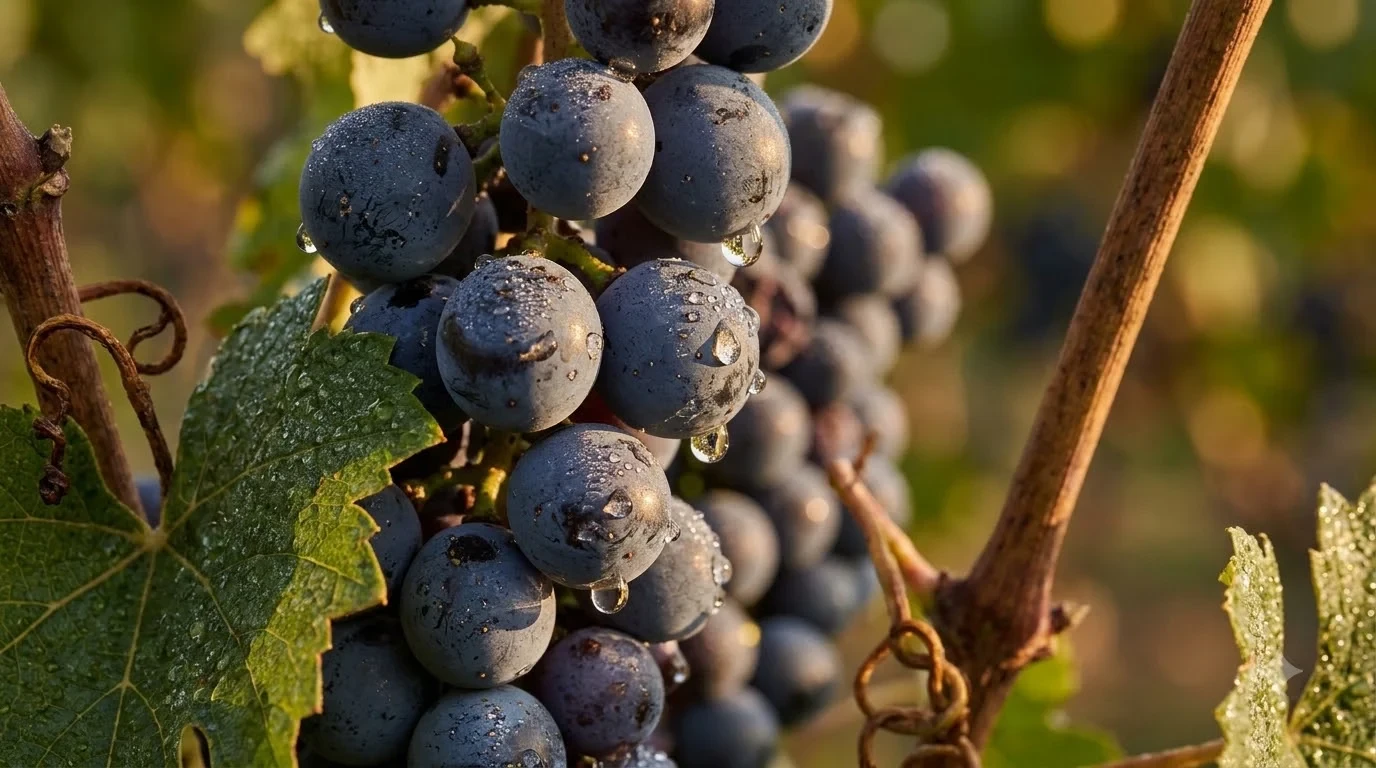
Armenia wine comes from one of the oldest winemaking traditions on record, built on indigenous grapes such as Areni and Voskehat grown in high, volcanic vineyards. The country is home to a cave winery dated to more than 6,100 years ago, and its modern industry has grown quickly since independence. Most bottles are made in small quantities, so they can be harder to find in the US than wines from France or California.
This guide explains where Armenian wine came from, which regions and grapes matter most, and which producers are worth looking for. It also covers how these wines taste, what to serve them with, and practical steps for finding and storing bottles in the United States.
Armenia Wine: Overview and History
Armenia has a long winemaking past that predates much of the modern wine world. According to Decanter’s wine lover’s guide to Armenia, the country claims the oldest winery so far discovered, at about 6,100 years of age. Armenia also has an early place in Christian history, having adopted Christianity as a state religion in 301 AD.
The 20th century changed everything. During the Soviet period, Armenia became a major source of brandy, and many vineyards were replanted with grapes meant for distillation. Quality wine took a back seat for decades. Decanter notes that the Soviet era pushed production toward volume rather than character, which is why the modern revival feels so significant.
Since independence in 1991, a new generation of producers has returned to quality winemaking. Many were driven by family roots, and some were supported by diaspora investment. Foreign consultants have also helped, bringing technical expertise while keeping local grapes at the center of the work.
Key Wine Regions of Armenia
Armenian vineyards sit at high elevation, and the region you choose changes the style of the wine. Decanter points to Vayots Dzor, Aragatsotn and Armavir as the areas with the best opportunities for fine wine. Each has a different climate, altitude and soil profile.
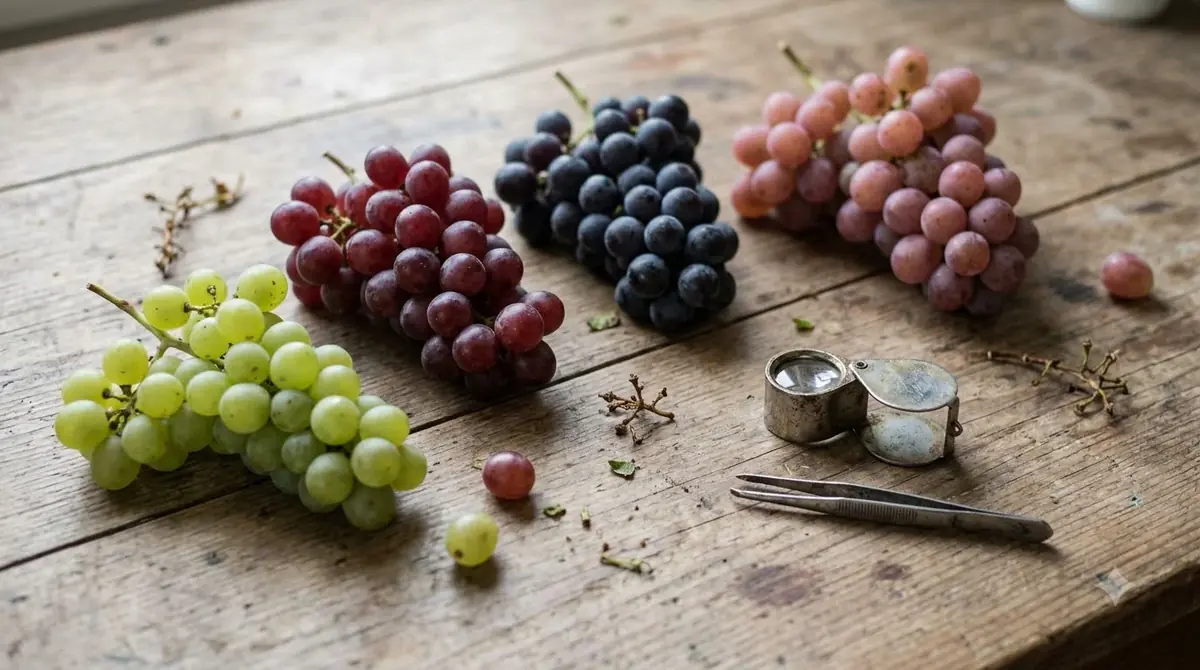
Vayots Dzor is the most celebrated region. It sits in a south-central swath of plateau, and the vineyards reach close to 1,800 metres above sea level. The cooler climate and volcanic soils suit Areni for red wine and Voskehat for white. Decanter also reports that vines here have been protected from phylloxera partly because of this elevation.
Aragatsotn lies in the northwest and benefits from investment in both vineyards and modern wineries. Its vineyards sit at lower elevations than Vayots Dzor, roughly 1,100 to 1,400 metres, and the soils come from ancient lava flows from Mount Aragats. Its proximity to Yerevan makes it a practical choice for visitors.
Armavir is a warmer, drier area on the Ararat plain west of Yerevan. Decanter describes summer temperatures that can reach 48°C, and vines must be buried over winter in cold spells. Much of the crop in this region has historically gone to brandy, though some producers now make wine here as well. For a broader look at how regions shape styles, see the cognac wine guide, which covers another region where grape growing and distillation share the same history.
Indigenous Armenian Grape Varieties
Armenian winemaking depends on native grapes that are unfamiliar to most American drinkers. Decanter reports that the country has catalogued around 400 native varieties, but only about 31 are grown commercially for wine and brandy. The list includes names that are worth learning before you shop.
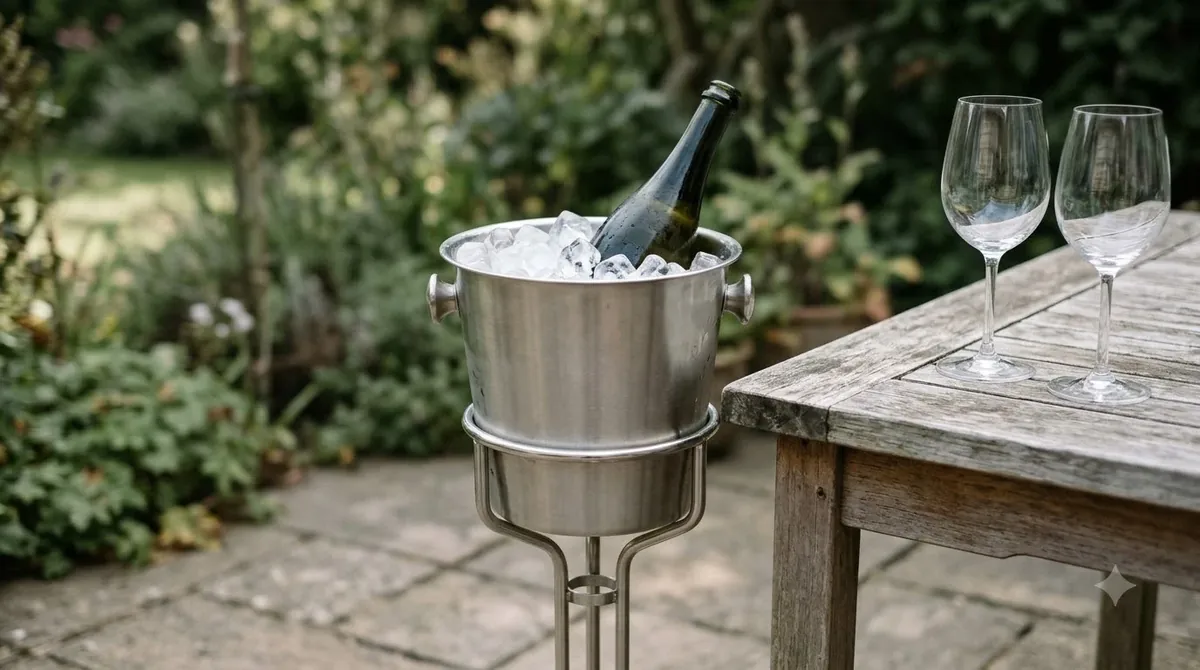
Areni Noir is the grape most often called Armenia’s flagship red. Decanter says it has some of the elegance of Pinot Noir and the freshness of Sangiovese, though it is genetically unrelated to either. Serious producers have largely adopted it because of its quality potential, and it is the grape to look for if you want a red that tastes distinctly Armenian.
Voskehat is the leading white grape. Decanter describes it as golden in color and says it develops well with a few years of age. Other grapes that researchers are studying include Sireni, Karmrahyut and Chilar. Many of these are rare outside Armenia, so you will usually find them only on specialty lists.
| Grape | Color | Typical character |
|---|---|---|
| Areni Noir | Red | Red fruit, lively acidity and fine tannins |
| Voskehat | White | Floral and citrus notes, gains depth with age |
| Kangun | White | Floral and tropical aromas, grown in Aragatsotn |
| Sireni | Red | Deep color, studied for its heritage potential |
| Karmrahyut | Red | Red juice, a rare variety in current research |
Major Armenian Wine Producers and Brands
A handful of producers have done the most to introduce Armenian wine to international buyers. Decanter credits Zorah, founded by owners who wanted world recognition for local grapes, with showing outsiders that Armenia could produce serious quality. Its first vintage was made in 2010 and released in 2011.
Keush, based in Vayots Dzor, is known for traditional-method sparkling wine and still reds and whites. Karas, a project started in 2010 with an emphasis on clay amphora winemaking, works with both international and indigenous grapes. Voskevaz, a former Soviet-era winery, focuses on local grapes, including karas-aged Voskehat. Van Ardi, Old Bridge and Trinity Canyon are other names that appear in Decanter’s coverage. Trinity Canyon is described as the first winery in the country to gain organic certification.
Brand names change, and some producers are small. Treat any list as a starting point, and confirm the current lineup with the producer or the importer before you buy. Producer profiles in Decanter’s profile of the Armenian wine revival offer tasting context for several of these names.
Armenian Wine Styles, Tasting Notes and Food Pairing
Armenian wine ranges from fresh, fruit-driven reds to textured whites that have spent time in clay. Many winemakers use karas, the large clay vessels that were nearly lost in the 20th century. According to Decanter, traditional practice buries about two-thirds of these vessels underground for natural temperature control.
Expect bright acidity and savory, earthy notes in many reds, with red berry fruit underneath. Whites made with Voskehat can taste clean and floral, while karas-aged versions are richer and more savory. Sparkling wines made in the traditional method add a crisp, bready finish. Because many producers work at high elevation, the wines often feel fresh even when they are full in body.
For food, match Areni-based reds with grilled meats, lamb and mushroom dishes. Voskehat pairs well with fresh cheeses, herbs and grilled vegetables, which mirror the local table. Sparkling styles suit salty snacks and fried starters. Armenian cuisine is rich in flatbreads, dips and skewered meats, so these wines fit naturally into a shared meal.
Tip: Serve Armenian reds slightly cooler than room temperature, and give them time in the glass. Many of these wines open up as they warm slowly.
Buying and Storing Armenian Wine in the US
Finding Armenian wine in the United States takes some effort, because production is small and distribution is limited. Start with specialty wine shops and online retailers that focus on imports from Eastern Europe and the Caucasus. Ask staff whether they carry Armenian producers, and request specific grape names like Areni or Voskehat.
Check the back label for the importer’s name. The importer is usually the company that brought the bottle into the country, and it can point you to other wines from the same producer. Note the producer, vintage and region, since these details help you reorder the same wine later. Shipping rules for wine vary by state, so check what your state allows before ordering online. For a sense of how other imported regions are sold, the calistoga wine page shows how a domestic region is usually organized on shop shelves.
Storage follows general wine rules. Keep bottles in a cool, dark place away from heat and direct sun. Store corked bottles on their sides if you plan to keep them for a while. Once opened, reseal the bottle and refrigerate it, then drink it within a few days for the best flavor.
Frequently Asked Questions
Is Armenia really one of the oldest wine countries?
Yes, according to the sources most often cited. The Areni-1 cave complex contains evidence of wine production dating back more than 6,100 years. Armenia also has a long history of grape growing, although some early claims are debated by historians, so read specific dates with care.
Which Armenian grape should I try first?
Start with Areni for a red and Voskehat for a white. Areni shows the country’s distinctive red character, and Voskehat shows its white style. Both are widely grown and appear on many producer lists, which makes them easier to compare.
Where are Armenian wines made?
Most quality wine comes from Vayots Dzor, Aragatsotn and Armavir, according to Decanter. Vayots Dzor is known for high-altitude vineyards, while Aragatsotn sits at lower elevations and is close to Yerevan. Armavir is warmer and drier, with much of its crop historically going to brandy.
How do I find Armenian wine in the US?
Look at specialty shops and online retailers that carry imports from the Caucasus. Check the importer on the back label, and ask staff for producers by name. Availability changes often, so check with the retailer before you plan a purchase.
Armenian wine rewards curiosity, since its grapes and history differ from most wines on American shelves. Begin with one Areni red and one Voskehat white, then compare them with other regional styles. For more background on where grapes and styles come from, browse the Wine Regions section, or read about cahors wine for another historic grape region.
More in Wine Regions
 Willcox Wine Trail: Discover Arizona’s High-Elevation Wine CountryUpdated Nov 20, 2026
 Yakima Valley Wine Region: Find the Best Styles to TryUpdated Nov 20, 2026
 Vosne Romanee Wine Tasting: Identify Aromas and Choose Better PairingsUpdated Nov 20, 2026
 Yakima Valley Wine Festival: Find the Best Seasonal Wine EventsUpdated Nov 20, 2026
 Wales Vineyards: Discover Cool-Climate Wines and Where to VisitUpdated Nov 20, 2026
 Yountville Wine Festival: Discover Napa Wines and Local FoodUpdated Nov 20, 2026