

We may earn a commission when you buy through links on this page, at no extra cost to you. Learn more.
Wolffer Estate Rose is a dry rosé made by Wölffer Estate in Sagaponack, on the East End of Long Island, New York. It is known for strawberry, honeysuckle and mineral notes with lively acidity. The wine suits fresh seafood, summer salads and soft cheeses.
This guide explains what sets the Wolffer Estate rosé apart, how it tastes, and how it compares with rosés many shoppers already know. It also covers food pairings, serving habits, and what to expect when you shop for a bottle.
What Is Wolffer Estate Rose?
Wolffer Estate Rose is a still rosé from one of the best-known wineries on Long Island. The label belongs to a winery that has built its reputation on pink wines made from local fruit. Shoppers usually encounter it as a Long Island rosé rather than a generic blush, so it sits in a different category from sweet, mass-market pinks.
Retailers describe the wine as dry, crisp and food-friendly. Some listings call the Gold Label bottling the rosé that helped put Long Island rosé on the map, though that claim comes from the sellers rather than an independent review. Vintages change from year to year, so the bottle you find may come from a different harvest than the one described online.
Wolffer also makes other wines, including a non-alcoholic sparkling rosé. That product is a separate item, and it is not the same as the still estate rosé. Always read the label to confirm which bottle you are buying.
Wolffer Estate and the Long Island Wine Region
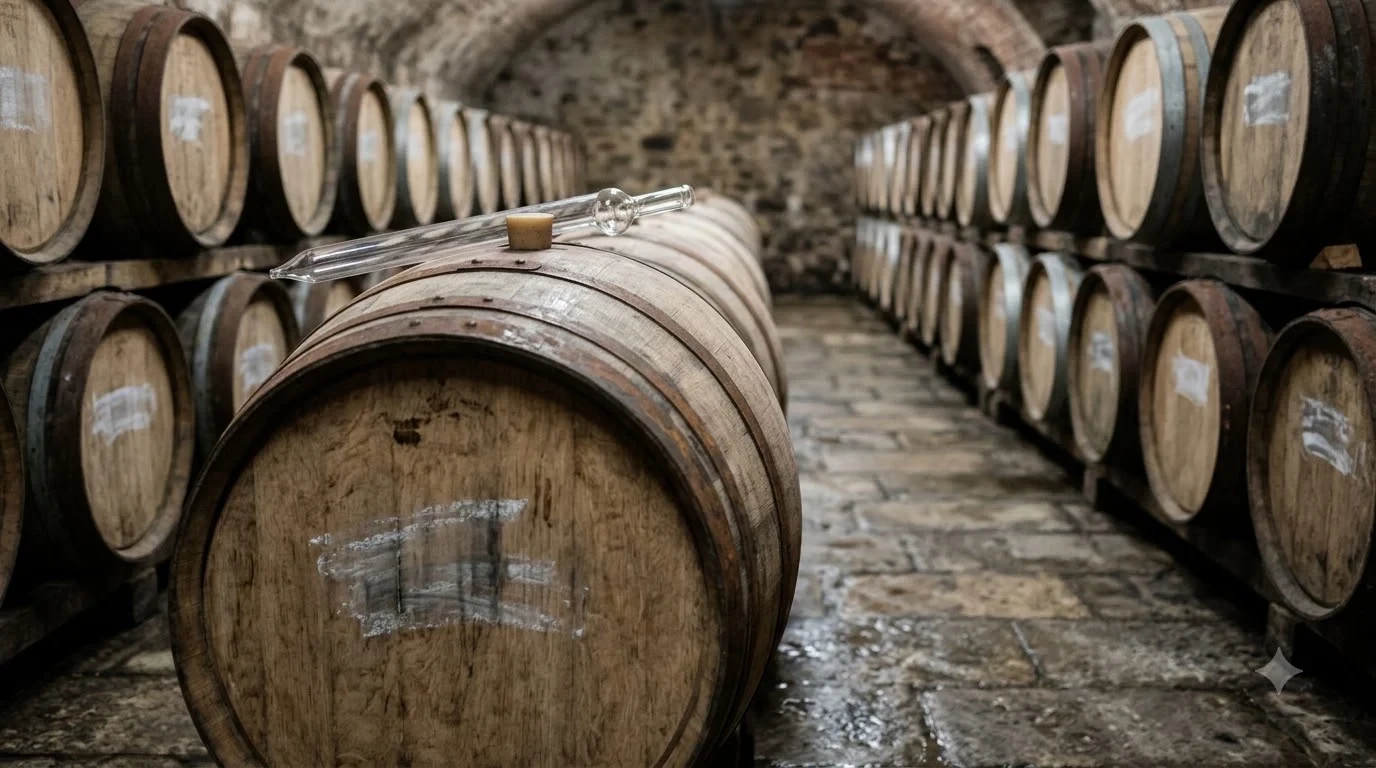
Wolffer Estate sits in Sagaponack, New York, within the Hamptons area of Long Island. According to producer information on retail listings, the estate was founded in 1988 by Christian Wölffer. The winery is known for working with the maritime climate and sandy soils of the East End, which shape the character of its wines.
Cooling breezes from the Atlantic play a central role in the region’s wines. Growers often describe these breezes as a way to keep acidity high and berries fresh, especially in late summer and early fall. This is one reason many Long Island rosés taste brisk rather than heavy, even when the fruit is ripe.
If you want to learn more about the region’s producers and how they differ, our Wine Brands section covers how brands and their home regions connect. Reading about the region helps explain why a Long Island rosé can taste so different from a Provence or California pink.
Grapes, Winemaking, and Flavor Profile
The grape mix is the first thing to check on the label. A 2025 listing from the retailer 67 Wine gives the blend as Cabernet Franc, Cabernet Sauvignon and Chardonnay. Blends can change between vintages, so compare the back label each time you buy.
The same listing describes a cold-settling step at 40°F, followed by a slow fermentation at 62°F over about three weeks. It also says the wine rested for 12 weeks on the lees, the spent yeast cells, to add texture. The producer did not use malolactic fermentation, which helps keep the wine fresh and tart. These details come from one retailer’s description, so treat them as the seller’s account.
| Aspect | What listings report | What it means for you |
|---|---|---|
| Color | Pale, radiant rosé | Expect a light pink wine, not a deep red-tinted one |
| Aromas | Honeysuckle, wild strawberry, florals, rose petals | Smells bright and fruity before the first sip |
| Palate | Vibrant acidity, mineral notes, concentrated fruit | Feels crisp and refreshing, not syrupy |
| Finish | Long and savory with a saline edge | Lingers after each sip and pairs well with food |
Taken together, the notes describe a dry rosé with more structure than a typical summer pink. The fruit leans toward strawberry and melon, while the minerality keeps the wine from tasting sweet. Shoppers who prefer bright, savory wines usually find this style easier to enjoy with a meal than a light, sugary blush.
How Wolffer Estate Rose Compares to Other Rosés
Most rosés fall into a few broad styles. Some are pale and bone dry, some are fruit-forward with a touch of sweetness, and others are richer and more textured. Wolffer Estate Rose fits best in the dry, mineral-driven group, with fruit that is present but not heavy.
Compared with a sweeter, fruit-forward blush, the Wolffer bottle will feel tighter and more savory. Compared with a very pale, lean Provence-style rosé, it can seem fuller in the mouth because of the fruit and the time spent on the lees. Neither style is better overall. The right choice depends on whether you want crispness, sweetness, or something in between.
If you already know other popular brands, you can use them as reference points. Our guide to La Marca rosé covers a sparkling style, while the Josh Cellars rosé page discusses a fruit-forward California option. Comparing a few bottles side by side is the simplest way to learn your own preferences.
Best Food Pairings for Wolffer Estate Rose
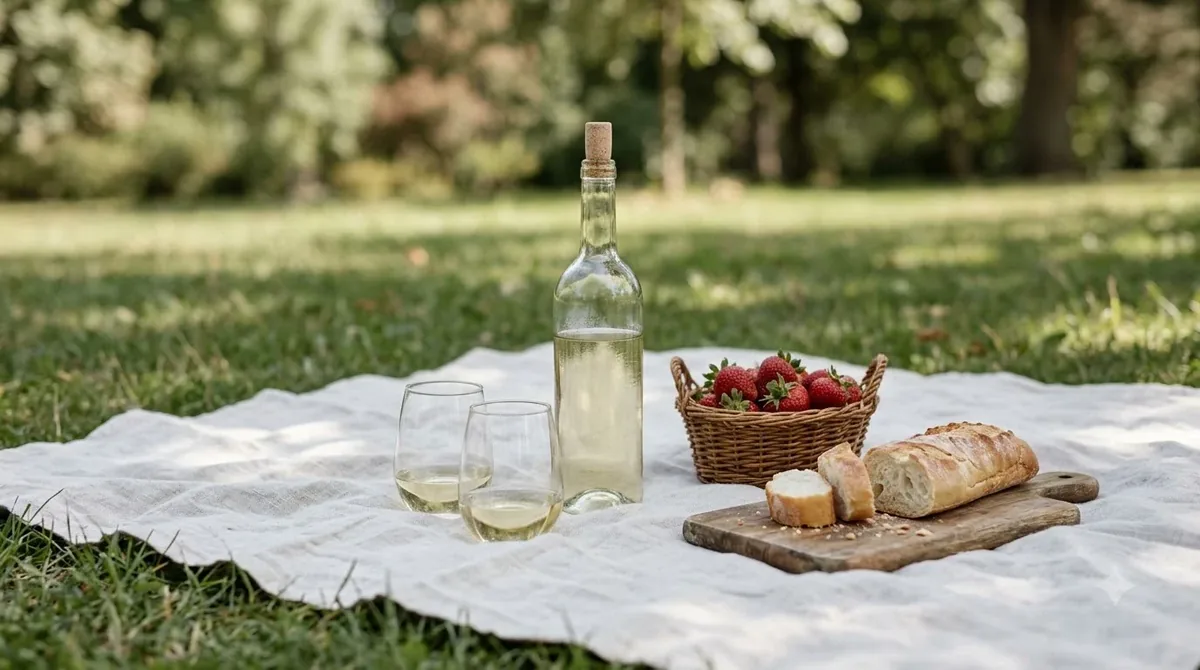
Pairing is where this rosé earns its reputation. Its acidity and minerality cut through oily or rich foods, while its strawberry fruit complements fresh flavors. Retail descriptions name grilled shrimp, lobster rolls, summer salads, light pasta and soft cheeses as natural matches.
- Seafood: grilled shrimp, lobster rolls, crab salad, and raw oysters
- Salads: summer greens with citrus, goat cheese, or fresh berries
- Pasta: light, herb-based dishes with olive oil rather than heavy cream sauces
- Cheese: soft cheeses such as goat cheese and fresh mozzarella
Because the wine is dry, it works best with dishes that are fresh, lightly seasoned or briny. Heavy red-sauce dishes or very spicy foods can overpower it. For a source that discusses pairing with a non-alcoholic sparkling version, the Zero Proof listing for the Spring in a Bottle sparkler suggests poke, fried chicken and desserts, which shows how Wolffer’s bright fruit can handle salt and richness in a different style.
Serving, Storage, and Where to Buy
The retailer descriptions do not give a single official serving temperature, so check the bottle or the producer’s website for guidance. In general, rosés are served chilled rather than cold enough to mute the aromas. Pour into a standard white wine glass to concentrate the florals and fruit.
- Chill the bottle in the refrigerator for a few hours before serving.
- Pour into a medium-sized wine glass, filling it no more than halfway.
- Let the glass sit for a minute so the aromas open up.
- Recork any leftover wine and keep it refrigerated.
For storage, keep unopened bottles away from heat and direct light. Once opened, refrigerate the wine and try to finish it within a few days, since rosé loses its freshness over time. Responsible drinking matters at every stage, so pace yourself and plan for a designated driver if you are going out.
Wolffer Estate Rose is sold through wine shops, online retailers and some restaurants. Availability changes, and shipping rules depend on your state. As of Nov 2026, check a retailer’s current stock and delivery options before you plan a dinner around a specific bottle.
Tip: Compare the vintage year and blend on the back label before you buy. Different harvests can taste noticeably different, even from the same winery.
Frequently Asked Questions
Is Wolffer Estate Rose a dry wine?
Retail descriptions describe Wolffer Estate Rose as dry, with bright acidity and fruit that is not sweet. That style makes it a good match for seafood and salads. If you prefer a sweeter pink, look for a fruit-forward blush instead.
What does Wolffer Estate Rose taste like?
Listings mention honeysuckle, wild strawberry, rose petals and a mineral edge. The palate is described as crisp and refreshing, with a long, savory finish. Tasting notes can vary by vintage, so use them as a guide rather than a promise.
What foods go best with Wolffer Estate Rose?
Grilled shrimp, lobster rolls, summer salads, light pasta and soft cheeses are common pairings in retailer notes. The wine’s acidity helps it cut through richer dishes. Heavy, spicy or very sweet foods can overwhelm its delicate fruit.
Is Wolffer Estate Rose the same as the non-alcoholic rosé?
No. The non-alcoholic Spring in a Bottle is a separate sparkling product made in Germany from different grapes. Under U.S. labeling rules, a non-alcoholic drink can contain up to 0.5 percent alcohol by volume. Read each label carefully before you buy.
A Wolffer Estate rosé is a practical choice for shoppers who want a dry, savory pink with a clear Long Island identity. Start with the vintage and blend on the label, chill the bottle well, and pair it with fresh food. Then compare it with other rosés to see which style you prefer, and visit the Lancers rosé page if you want another reference point.
More in Wine Brands
 Underwood Wine Price: Compare Bottles, Cans, and Pack SizesUpdated Nov 21, 2026
 Zenato Wine Price: Compare Styles and Choose the Right BottleUpdated Nov 21, 2026
 Zuccardi Wine Price: Compare Bottles and Find the Right RangeUpdated Nov 21, 2026
 Yellow Tail Moscato Review: Taste, Sweetness and Serving TipsUpdated Nov 21, 2026
 Wolf Blass Yellow Label Review: Choose Your Best StyleUpdated Nov 21, 2026
 Wolffer Estate Rose Review: Choose the Right Bottle for Your TableUpdated Nov 21, 2026