


We may earn a commission when you buy through links on this page, at no extra cost to you. Learn more.
Stella Rosa red wine is a semi-sweet, semi-sparkling red made in the Asti area of Piedmont, Italy, and sold in the United States under the Stella Rosa name. The brand describes it as fruit-forward and easy to drink, with flavors such as raspberry, wild strawberry and red plum. It sits closer to a sweet, lightly fizzy fruit wine than to a dry table red, so it suits people who prefer softer, sweeter styles of wine.
Stella Rosa has become a familiar sight in wine shops and grocery aisles, and the red bottle often raises the same questions. Is it a real red wine, or a sweet blend? Is it sparkling? How should it be served? This guide explains what the red is, where it comes from, how it tastes, and how to serve it, using the brand’s own materials alongside general wine references.
What Stella Rosa Red Wine Is
Stella Rosa red is part of a wider line of semi-sweet, semi-sparkling wines from Italy. The brand’s website describes the range as approachable and fruit-driven, and it presents the red as one of its core styles. The wine is made from red grapes, but it is built for a lighter, sweeter drinking experience than a traditional dry red such as Cabernet Sauvignon or Chianti.
The red is often grouped with the brand’s other flavored styles. If you already know the Stella Rosa wine range, the red fits in as the berry-led option rather than the peach or moscato-style bottles. Its character comes from fruit flavor and sweetness more than from the tannin and oak that shape many dry reds.
Shoppers comparing bottles on a store shelf will notice that the red sits alongside a long list of flavored options. That can be useful, because each style gives a different angle on the same semi-sweet base. The red is the most direct entry point for people who want a classic red-fruit flavor without moving to the darker or peach-led bottles.

Where the Wine Comes From
The brand places its production in Piedmont, Italy, in and around the town of Asti. The company’s own story page says the wines are made in the region and then brought to the United States to give American drinkers a taste of Italian style. Asti is best known for Moscato d’Asti, a light, aromatic, sweet sparkling wine, and that heritage helps explain why the Stella Rosa range leans sweet and fizzy.
The trademarks are owned by San Antonio Winery, Inc., and the wines are crafted by the Riboli family, whose hometown is Asti. Knowing the origin helps set expectations: the red is not a dry Italian wine from a famous Chianti or Barolo estate, but a product of the same Piedmont landscape made in a sweeter, more approachable style.
Taste and Flavor Profile
Stella Rosa red is built around fruit. Drinkers usually describe it as soft and sweet, with bright berry flavors and a smooth finish. The brand’s listed notes for its red and related styles point to raspberry, wild strawberry and red plum, while its Rosso Red Berry style leans toward strawberry and mixed red berries. The table below summarizes the flavor notes the brand lists for its styles so you can compare them quickly.
| Stella Rosa style | Flavor notes listed by the brand | What it means for the glass |
|---|---|---|
| Red | Raspberries, wild strawberries, red plums | Bright red fruit with a sweet, soft finish |
| Rosso Red Berry | Strawberries and red berries | A lighter, berry-forward take on the red style |
| Black | Blackberries, blueberries, raspberries | Deeper dark-fruit notes than the classic red |
| Moscato d’Asti | Peaches, apricots, honey | The sweet, aromatic base that shapes the range |
Tip: If you are unsure whether you will like a sweet red, start with a single bottle and taste it chilled before buying a case. Sweetness is a matter of personal taste.
It helps to think of the red as a fruit wine that happens to be made from red grapes, rather than as a serious dry red with sweetness added. The brand’s approach is to make the fruit flavor the main attraction, and that is why the wine is marketed for relaxed occasions, from backyard meals to casual get-togethers where nobody wants to debate tannin.
Sweetness and Sparkle
The red is described as semi-sweet and semi-sparkling. In practice, that means it has noticeable residual sweetness and only a gentle fizz, not the tight bubbles of Champagne or a dry Prosecco. The bubbles are there to lift the fruit and make the wine feel lively, but they do not dominate the drink.
This is the main reason many people compare Stella Rosa red to a sweet dessert-style wine rather than a dinner red. It pairs most naturally with fruit, lightly sweet snacks and casual occasions, while a dry red is usually better with heavy or savory meals.
Sweet wines can taste heavier when they are warm, because alcohol and sugar feel more pronounced at room temperature. A chilled glass keeps the drink lighter and makes the berry notes easier to notice. The same principle applies to many fruit-forward wines, so the chilled serving suggestion is a practical one.
How to Serve Stella Rosa Red
The brand’s packaging says “Enjoy Chilled,” and that is the simplest guidance to follow. A cool serving temperature keeps the fruit bright and keeps the sweetness from feeling heavy. The brand site does not publish a specific serving temperature, so a lightly chilled glass is a sensible starting point, and you can adjust from there.
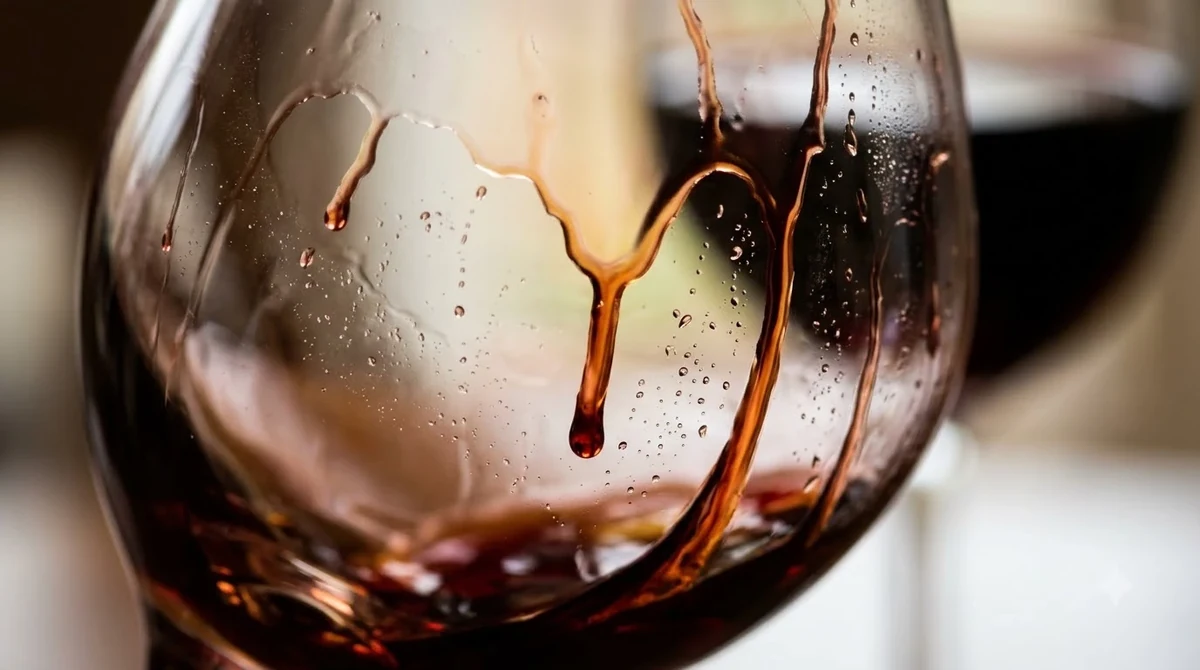
Because the wine is sweet and fruity, it works well with simple desserts, fresh berries, soft cheeses and light snacks. It is less suited to rich, salty or heavily spiced dishes that need a dry wine to balance them. If you enjoy the fruit styles more broadly, the Stella Rosa black wine is a useful next step to compare how the darker berry notes change the profile.
Who Stella Rosa Red Suits
Stella Rosa red suits people who want an easy, fruity wine with no need to think about tannin, oak or dryness. It is a practical choice for casual gatherings, a sweeter alternative to a standard red, or a gift for someone who prefers fruit-forward drinks. It is less likely to satisfy drinkers who look for complexity and structure in a dry red.
Wine lovers who prefer dry styles may find the sweetness too strong, and that is a fair reaction. The brand itself makes clear that its wines are meant for people of legal drinking age, and it is worth drinking responsibly and keeping portions reasonable, as with any wine.
For buyers, the choice usually comes down to personal taste rather than quality rankings. If you enjoy the sweet, berry-driven profile, the red is a dependable pick for parties, brunches and informal dinners. If you want to test your preference first, compare it with a drier rosé or a light Moscato before committing to a full bottle or a multi-pack.
Frequently Asked Questions
Is Stella Rosa red wine sweet?
Yes. The brand describes its red as semi-sweet, so it tastes noticeably sweeter than a dry red such as Cabernet Sauvignon or Chianti. Drinkers who prefer dry wines often find it too sweet, while those who like fruit-forward styles usually enjoy it.
Is Stella Rosa red wine sparkling?
It is semi-sparkling, which means it has a gentle fizz rather than the firm bubbles of Champagne or Prosecco. The light sparkle adds lift to the berry flavors and makes the wine feel brighter on the palate.
Where is Stella Rosa red wine made?
According to the brand’s website, the wines are made in Piedmont, Italy, around the town of Asti. The company behind the trademarks is San Antonio Winery, Inc., and the wines are crafted by the Riboli family.
Should Stella Rosa red wine be served chilled?
The brand recommends enjoying it chilled, and a cool glass tends to highlight the fruit and keep the sweetness balanced. The brand site does not give an exact serving temperature, so adjusting to personal taste is reasonable.
Stella Rosa red is best understood as a fruit-forward, semi-sweet wine from Italy’s Asti region rather than a traditional dry red. If that style suits your taste, it is an easy bottle to share at casual gatherings. To see how the brand fits into the wider world of labels and producers, browse the wine brands guide.
More in Wine Brands
 Underwood Wine Price: Compare Bottles, Cans, and Pack SizesUpdated Nov 21, 2026
 Zenato Wine Price: Compare Styles and Choose the Right BottleUpdated Nov 21, 2026
 Zuccardi Wine Price: Compare Bottles and Find the Right RangeUpdated Nov 21, 2026
 Yellow Tail Moscato Review: Taste, Sweetness and Serving TipsUpdated Nov 21, 2026
 Wolf Blass Yellow Label Review: Choose Your Best StyleUpdated Nov 21, 2026
 Wolffer Estate Rose Review: Choose the Right Bottle for Your TableUpdated Nov 21, 2026