

We may earn a commission when you buy through links on this page, at no extra cost to you. Learn more.
Justin Isosceles wine is a Paso Robles red blend led by Cabernet Sauvignon, with Cabernet Franc and Merlot added for lift and softness. JUSTIN Winery first made it in 1987 on California’s Central Coast, styled after the Bordeaux blends of France. It is known for ripe dark fruit, firm tannins and a long finish.
This guide explains what goes into the blend, how the wine tastes, and how to serve it. It also covers where the bottle fits among other Bordeaux-style wines, so you can decide whether it suits your table.
What Is Justin Isosceles Wine?
Justin Isosceles is the flagship red from JUSTIN Winery, a producer in Paso Robles, California. It is a blend rather than a single-variety wine, and the winery builds it around Cabernet Sauvignon. The name reflects the winery’s idea of balance, which it compares to the geometry of a triangle.
According to the winery’s own blog, the wine has been released since 1987 and was designed to follow the style of top Bordeaux estates. The winery says the blend is meant to reflect both the site and the winemaker’s vision. Because the mix shifts slightly from year to year, two vintages can differ in emphasis while keeping the same overall style.
If you are new to the name, think of it as a full-bodied California red for a dinner table, a special occasion, or a bottle you plan to keep for a while. It is not a light, everyday pour. Expect a wine with depth, structure and a finish that lingers after the glass is empty.
Grape Varieties and Paso Robles Roots
The blend is anchored by Cabernet Sauvignon and supported by Cabernet Franc and Merlot. Each grape has a clear job, and the balance between them is the main reason the wine tastes the way it does.
Cabernet Sauvignon supplies the structure, tannin and aging potential. The winery describes it as the backbone of the wine, with blackcurrant and black cherry character. Cabernet Franc plays a smaller role by volume but often has a large effect, adding red fruit, a savory tobacco note and an herbal lift that keeps the fruit from tasting jammy. Merlot softens the blend, adding a plush texture and ripe plum flavors.
Blending is a long Bordeaux tradition. In the cooler Bordeaux climate, Cabernet Sauvignon can struggle to ripen fully, so winemakers blended it with earlier-ripening varieties. Paso Robles is warmer, and the winery notes that Cabernet can ripen well there on its own. JUSTIN blends for complexity and balance rather than necessity, which is part of what separates this wine from a straight Cabernet. You can read more about the reasoning in JUSTIN’s Deconstructing Isosceles article.
| Grape | Role in the blend | Character the winery describes |
|---|---|---|
| Cabernet Sauvignon | Main component, structure and aging | Blackcurrant, black cherry, firm tannins |
| Cabernet Franc | Aromatic lift and herbal tone | Bright red fruit, savory tobacco leaf |
| Merlot | Softening and plush mouthfeel | Ripe blue fruit, such as plum |
The exact proportions change by vintage, so the mix in one bottle may not match another. Check the winery’s product page or the label for the vintage you are buying if you want to know the current breakdown.
Tasting Notes and Flavor Profile
Expect a full-bodied red with ripe dark fruit, baking spice and a dry, structured finish. Tasting notes from the winery repeatedly point to black cherry, currant and toasted oak as the main signals.
On the nose, recent tasting notes mention black cherry, plum, blackberry cobbler, cinnamon and vanilla. Savory notes such as dried sage, cedar and sweet tobacco appear underneath. On the palate, the wine opens with dark fruit and moves into a middle of leather, mocha and dried herbs. The 2023 release is described with refined, velvety tannins, while the 2019 bottling is described with drier, dustier tannins that appear in the middle of the palate.
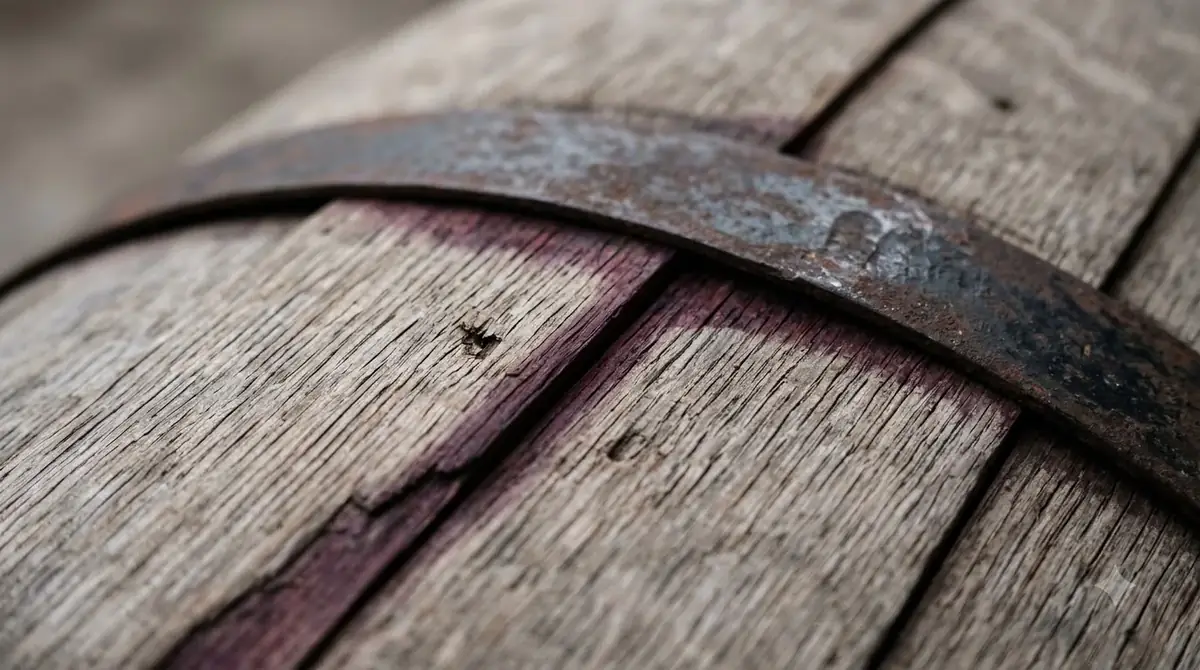
Oak is a big part of the profile. The winery says recent releases spend 21 months in barrel, and the share of new French oak has varied by year, from 62 percent in one bottling to 100 percent in another. That oak shows up as baking spice, vanilla and toasted notes, and it adds weight to the finish.
Because of the ripe fruit and oak, the wine tastes rich rather than lean. Younger bottles can taste more intense and fruit-forward. The winery says the wine continues to evolve in the cellar, so bottles given time often feel softer and more integrated. Many people will find the wine ready to drink on release, but it rewards patience.
Serving, Food Pairings and Storage
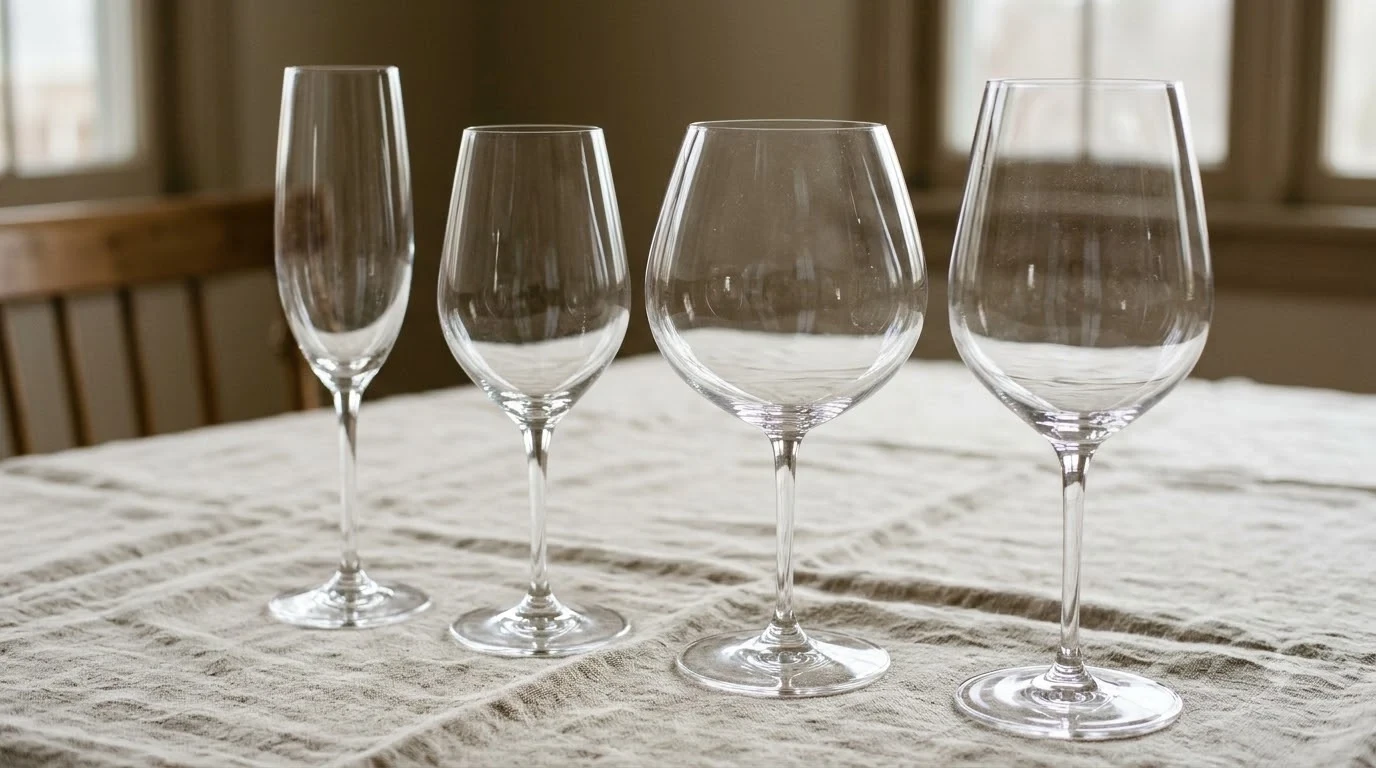
Serve this wine slightly below room temperature, and give it time to open before pouring. The winery suggests decanting it for at least 60 minutes and serving it at about 60 to 65 degrees Fahrenheit in large-bowled red wine glasses.
The winery’s product pages suggest pairing the wine with hearty, savory dishes. Good matches include the following, based on the pairings the winery lists:
- Seared New York strip steak with sautéed wild mushrooms
- Filet mignon with classic sides
- Braised short ribs
- Chicago-style deep-dish pizza with Italian sausage
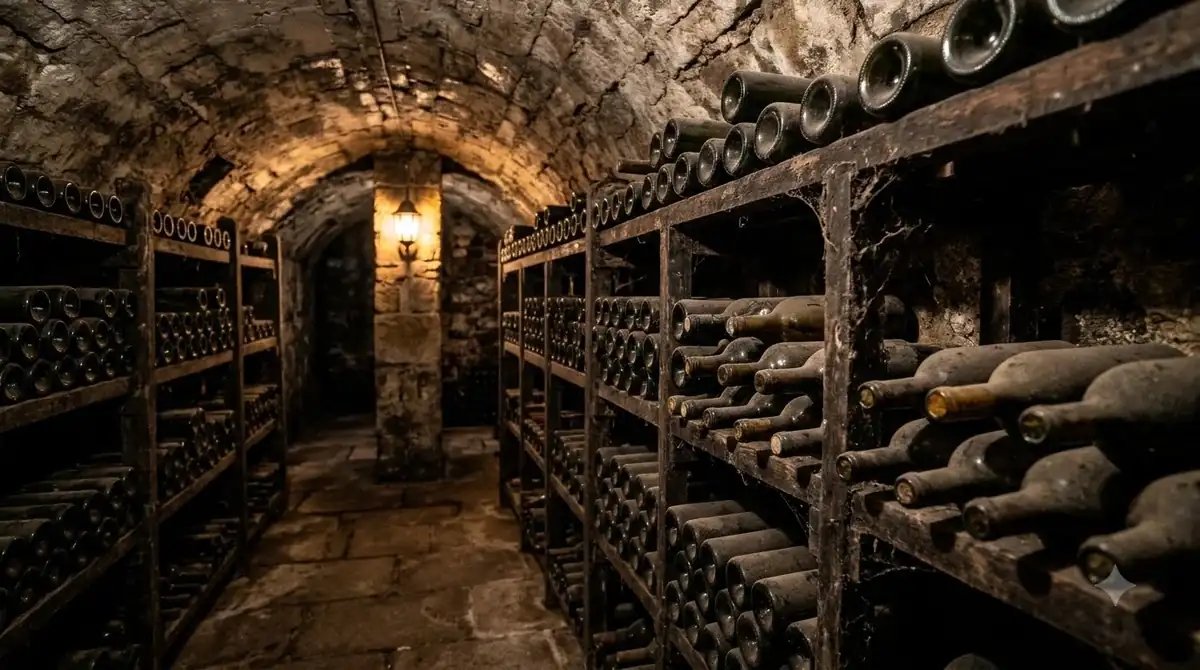
For storage, keep unopened bottles on their side in a cool, dark place with steady temperatures. If you plan to keep a bottle for years, check the winery’s notes on the specific vintage and consider a reliable cellar setup. Once opened, drink the wine within a few days for the best experience, and recork it between pours.
Tip: Pour smaller amounts so the wine stays interesting across a long meal. Enjoy it responsibly, and plan a non-alcoholic option for the table.
Vintages and Where to Buy
Justin Isosceles is released in multiple vintages, and availability depends on the year and the format. The winery’s listings show standard 750 ml bottles for the 2023 release and a 375 ml half bottle for the 2019 vintage, so look carefully at the size before you buy.
The winery’s 2023 ISOSCELES product page describes it as the flagship wine that put the winery on the map. Its listing also notes that the release is ready to drink but can continue to develop with cellar time. Older vintages may be harder to find, and some are only offered through the winery’s library or club programs.
To buy, start with the winery’s own website or a licensed wine shop near you. Restaurant lists and wine retailers may also carry the wine. Check current availability directly, since stock and offerings change over time, and ask the seller about the vintage and bottle size before you commit.
How It Compares With Other Bordeaux-Style Blends
Justin Isosceles fits the Bordeaux-style category, which means it follows the blending tradition of the Bordeaux region rather than a single grape. Compared with classic Bordeaux from France, California blends of this kind usually show riper fruit and softer tannins, while still aiming for structure and age-worthiness.
Compared with a single-varietal Cabernet Sauvignon, the blend tends to feel more layered. Cabernet Franc adds aromatic lift, and Merlot adds a softer texture. A straight Cabernet can be more direct and intense, so the choice often comes down to whether you want complexity or a more focused style.
If you are comparing this bottle with other widely sold reds, it helps to look at the grape mix, oak treatment and recommended serving style, not only the brand name. Our overview of Wine Brands explains how to read those details. You can also compare a more casual red, such as 14 hands hot to trot wine, to see how a value-focused style differs from a structured Bordeaux-style blend.
Frequently Asked Questions
What grapes are in Justin Isosceles wine?
The blend is based on Cabernet Sauvignon, supported by Cabernet Franc and Merlot. According to the winery, Cabernet Franc adds aromatic lift and Merlot softens the texture. The exact proportions can change from one vintage to the next.
Is Justin Isosceles a Bordeaux-style wine?
Yes. The winery says it is styled after the famous Bordeaux producers and uses the same kind of Cabernet-led blend. It is made in Paso Robles, so it has the riper, warmer-climate character typical of California Bordeaux-style wines.
How should I serve Justin Isosceles?
The winery suggests decanting the wine for at least 60 minutes. It also recommends serving it at about 60 to 65 degrees Fahrenheit in large-bowled red wine glasses. Serve it with hearty, savory food such as steak or braised meats.
Can I age Justin Isosceles wine?
The winery says the wine is ready to drink on release but continues to evolve with time in the cellar. Keep unopened bottles in a cool, dark place with steady temperatures. Check the notes for the specific vintage you own, since aging potential can vary.
Justin Isosceles is a good choice if you want a structured, Cabernet-led blend with depth and oak character. Check the vintage, bottle size and serving advice before you open it. Taking time to decant and pair it well will show the wine at its best.
More in Wine Brands
 Underwood Wine Price: Compare Bottles, Cans, and Pack SizesUpdated Nov 21, 2026
 Zenato Wine Price: Compare Styles and Choose the Right BottleUpdated Nov 21, 2026
 Zuccardi Wine Price: Compare Bottles and Find the Right RangeUpdated Nov 21, 2026
 Yellow Tail Moscato Review: Taste, Sweetness and Serving TipsUpdated Nov 21, 2026
 Wolf Blass Yellow Label Review: Choose Your Best StyleUpdated Nov 21, 2026
 Wolffer Estate Rose Review: Choose the Right Bottle for Your TableUpdated Nov 21, 2026