


We may earn a commission when you buy through links on this page, at no extra cost to you. Learn more.
Robert Mondavi Wine is the label of Robert Mondavi Winery, a Napa Valley producer whose Oakville winery opened in 1966. The lineup centers on Cabernet Sauvignon, with Sauvignon Blanc, Chardonnay and Pinot Noir as the other main varieties. The winery is known for its To Kalon vineyard fruit and for helping to popularize Fumé Blanc, a name it gave to an oak-aged Sauvignon Blanc in 1968.
This guide covers where the brand came from, what the main tiers mean, how the wines are styled, and how to serve them at home. It is written for shoppers who see the name on a restaurant list or store shelf and want to know what they are buying.
Who Robert Mondavi was and how the winery began
The winery takes its name from Robert Gerald Mondavi, born in 1913 in Virginia, Minnesota, to Italian immigrants. His family moved to Lodi, California, and he joined his father and brother Peter at the Charles Krug Winery in 1943. Biographical accounts describe a dispute over the family winery’s direction, and Wikipedia’s entry on Robert Mondavi records that he left in 1965 and built his own winery in Oakville, which opened in 1966. The winery’s own site describes its founding as a vision “to create wines from Napa Valley that could stand among the world’s finest.”
Mondavi became one of the most visible figures in the Napa Valley wine trade over the following decades. He is credited with encouraging producers to label wines by grape variety rather than by generic names, a practice that spread across New World winemaking. He also helped start the Napa Valley Wine Auction in 1981, which became a major fundraiser for the region. The winery he founded remained a family-led name until it was acquired by Constellation Brands in 2004, and Robert Mondavi died in 2008 at age 94.
If you are new to the brand, it helps to think of it as an established Napa producer with a long track record rather than a small craft label. For a broader look at the producers behind popular bottles, the Wine Brands hub is a useful starting point.
The To Kalon vineyard and the Oakville estate
The winery sits on land that was part of the To Kalon vineyard, which Henry Walker Crabb planted in 1868. Oakville is one of the best-known districts in Napa Valley, and the estate’s identity is closely tied to the vineyard’s history. Reviewers writing about the property often point to the mission-style architecture, designed by Cliff May, as a visual signal of that long connection to the valley.
The designation “To Kalon” appears on some of the winery’s top wines. According to the winery’s own description of its portfolio, these bottlings are meant to show the character of the site, with the grapes grown and selected from specific blocks. That is why collectors and sommeliers talk about the To Kalon wines as the pinnacle of the range, while the everyday bottles draw on a wider mix of Napa and Oakville fruit.
The estate’s visitor experience also reflects its history. A major renovation was reported on the winery’s 60th anniversary, and the updated property is positioned as a place to taste across tiers and learn about the valley’s growing conditions.
Wine styles and the Fumé Blanc story
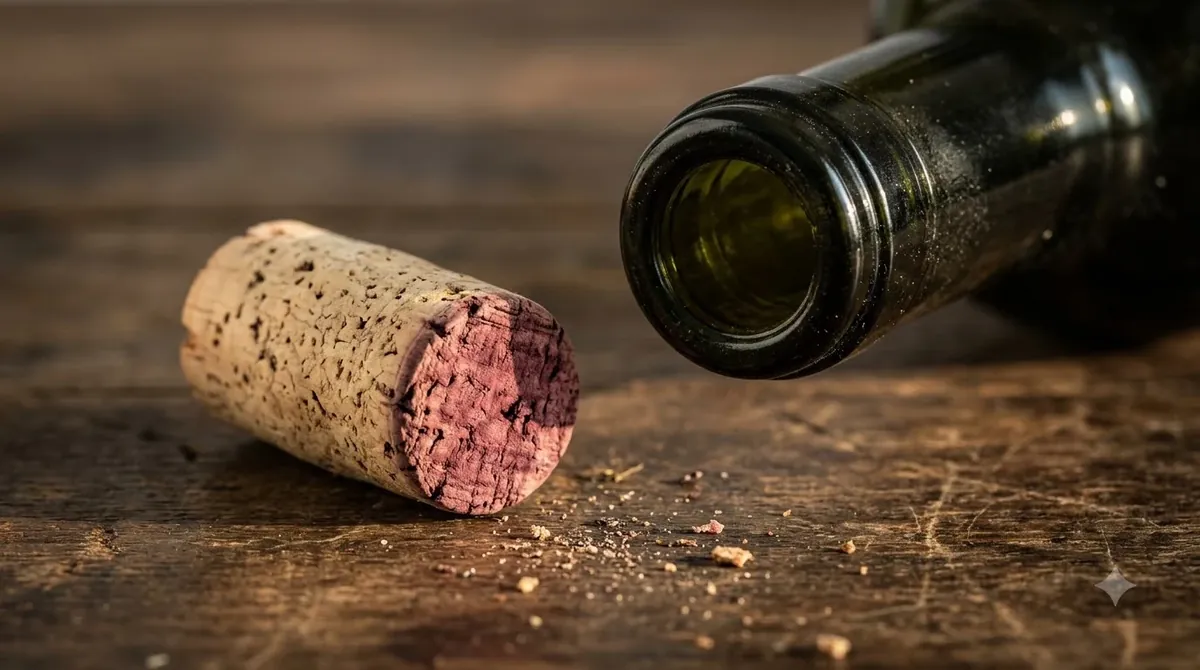
Most of the reputation rests on Cabernet Sauvignon. Napa Cabernet from this producer is usually full-bodied, with dark fruit, firm tannins and enough structure to age for years in the higher tiers. The Chardonnay and Pinot Noir bottlings are generally more approachable, and the white wines offer a fresher counterpoint to the reds.
The best-known white story is Fumé Blanc. In 1968 Mondavi made a dry, oak-aged Sauvignon Blanc at a time when the variety had a weak reputation in California. Naming it Fumé Blanc gave the style a separate identity, and the term is still used for oaked Sauvignon Blanc across the state. Many drinkers encounter the style first through this producer, which explains why the name carries weight even among people who do not follow Napa closely.
When you compare the styles, look for three things: how much oak the label mentions, whether the grape is named on the front, and whether the wine comes from a single vineyard or a broader appellation. Those details tell you more about the bottle than the tier name alone.
The Robert Mondavi wine lineup by tier
The range is organized in tiers, and the names are not always used the same way across markets and vintages. The table below summarizes how the tiers are commonly described, based on the producer’s own terminology and on wine trade listings. Exact releases change each year, so check the label or the winery site before you buy.
| Tier or designation | What it usually signals | Typical grapes |
|---|---|---|
| To Kalon Vineyard designate | Top bottlings from the historic vineyard, made in limited quantities | Cabernet Sauvignon |
| Reserve | Premium, cellar-worthy wines selected from the best lots | Cabernet Sauvignon, Chardonnay |
| Oakville District | Wines from fruit grown across the Oakville appellation | Cabernet Sauvignon |
| Napa Valley | Broader Napa blends, the most widely available tier | Cabernet Sauvignon, Sauvignon Blanc, Pinot Noir |
| The Estates | Estate-grown wines, often with varietal labeling | Fumé Blanc, Cabernet Sauvignon |
Tip: If the label says Reserve or a vineyard name, expect a bigger, more structured wine that benefits from a few years in the bottle. Napa Valley-labeled bottles are generally easier to open on a weeknight.
How to buy and serve Robert Mondavi wines
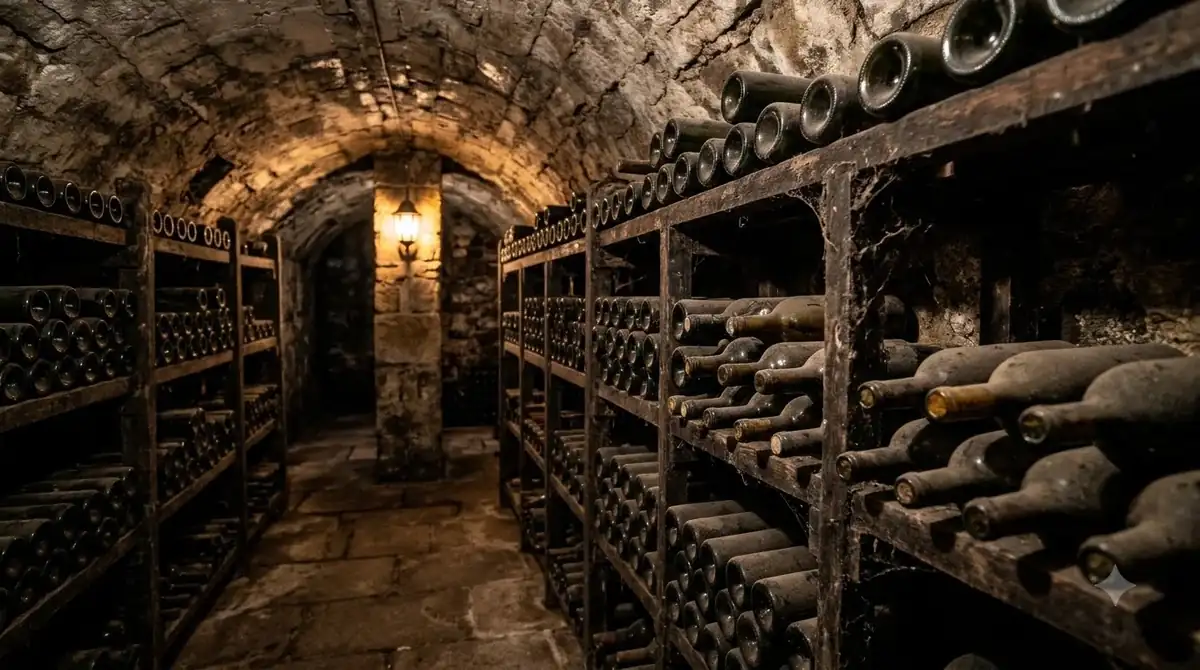
Buy from a shop that stores bottles away from heat and light, because the higher tiers are often sold with an eye toward aging. For Cabernet Sauvignon, serve slightly cooler than the typical room temperature, and give a young bottle some time in a decanter or open glass so the aromas can develop. Chardonnay and Fumé Blanc are best chilled but not ice-cold, so the oak and fruit stay in balance.
For food, Cabernet from Napa pairs well with grilled steak, roasted lamb and aged hard cheeses. The oaked whites go with roast chicken, seafood with butter sauces and creamy pasta. If you want a sparkling option for the same table, the La Marca Prosecco guide explains how a lighter style can work alongside a richer main course.
If you are comparing the brand with mass-market labels, the difference is usually in grape selection, vineyard sourcing and oak regime. A mainstream table wine such as barefoot wine is designed for easy drinking across many occasions, while Napa producers aim for a more specific sense of place. Neither approach is wrong, but the price and style of the two will differ.
Frequently Asked Questions
What is Robert Mondavi Wine best known for?
The brand is best known for Napa Valley Cabernet Sauvignon and for its role in popularizing Fumé Blanc, the oaked Sauvignon Blanc style it introduced in 1968. Its Oakville estate and the To Kalon vineyard are also central to its reputation.
Who owns Robert Mondavi Winery now?
According to published company histories, Constellation Brands acquired Robert Mondavi Winery in 2004. The brand continues to operate under the Robert Mondavi name, so check the bottle or the winery site for current ownership details.
What is the difference between the Reserve and Napa Valley bottlings?
Reserve wines are generally made from the best lots and are intended for longer aging, while Napa Valley bottlings draw on a wider mix of fruit and are easier to drink young. Price and availability vary, so the tier name is a better guide than the grape alone.
Should I decant a Robert Mondavi Cabernet Sauvignon?
Young, full-bodied Napa Cabernet often benefits from a period in a decanter, which can soften tannins and open the aromas. Older bottles from the higher tiers may need a gentler approach, so pour a small glass first and taste.
Shoppers who want the broadest sense of the brand should also taste across two or three tiers in the same vintage. The difference in structure and finish is easier to notice side by side than in isolation, and it gives a clearer idea of which tier suits your table.
Robert Mondavi Wine is a practical starting point for anyone exploring Napa Valley, whether you want a classic Cabernet for a dinner party or a crisp oaked white for a weeknight meal. Start with a Napa Valley bottling to get a feel for the house style, then move up the tiers if you want more structure and age. For more background on the region’s producers, see the Wine Regions hub.
More in Wine Brands
 Underwood Wine Price: Compare Bottles, Cans, and Pack SizesUpdated Nov 21, 2026
 Zenato Wine Price: Compare Styles and Choose the Right BottleUpdated Nov 21, 2026
 Zuccardi Wine Price: Compare Bottles and Find the Right RangeUpdated Nov 21, 2026
 Yellow Tail Moscato Review: Taste, Sweetness and Serving TipsUpdated Nov 21, 2026
 Wolf Blass Yellow Label Review: Choose Your Best StyleUpdated Nov 21, 2026
 Wolffer Estate Rose Review: Choose the Right Bottle for Your TableUpdated Nov 21, 2026