

We may earn a commission when you buy through links on this page, at no extra cost to you. Learn more.
Chile wine comes from a long, narrow country that stretches about 800 miles along the Pacific, and its vineyards benefit from Andes snowmelt, ocean fog and a Mediterranean climate. The most distinctive grapes are Carménère and Cabernet Sauvignon, and the country is known for fruit-forward reds and fresh, herbal whites. Chile is also one of the world’s large wine exporters, which is why its bottles are easy to find in most markets.
Chile is one of the most approachable wine countries for new drinkers, and its styles are clear and fruit-driven. The country also has a quieter history than France or Italy, which means its story is less familiar to many shoppers. This guide explains where Chile’s vineyards sit, how the climate shapes the wines, the grapes worth trying first, and how to choose a bottle with confidence.
Where Chile’s vineyards are
Chile’s vineyards stretch along about 800 miles, from the Atacama Region in the north to the Bío Bío Region in the south. That length gives the country a wide range of growing conditions, and the wines differ noticeably from one zone to the next. The main areas are commonly grouped into a few broad regions, each with its own strengths and typical grapes.
In the north, Elqui is described as the most commercially viable wine-producing area of that part of the country. Limarí is known for Sauvignon blanc and Chardonnay, and its drier conditions push its whites toward riper, more fruit-driven flavors. Aconcagua is known for reds, while Casablanca is the country’s best-known area for white wines, especially Sauvignon blanc and Chardonnay. The Central Valley, which includes the Maipo, Rapel, Curicó and Maule valleys, is the country’s most productive region and the one most people associate with Chilean wine internationally. Further south, Itata, Bío Bío and Malleco have cooler, wetter conditions and have long been known for everyday wines.
How the climate shapes the wines
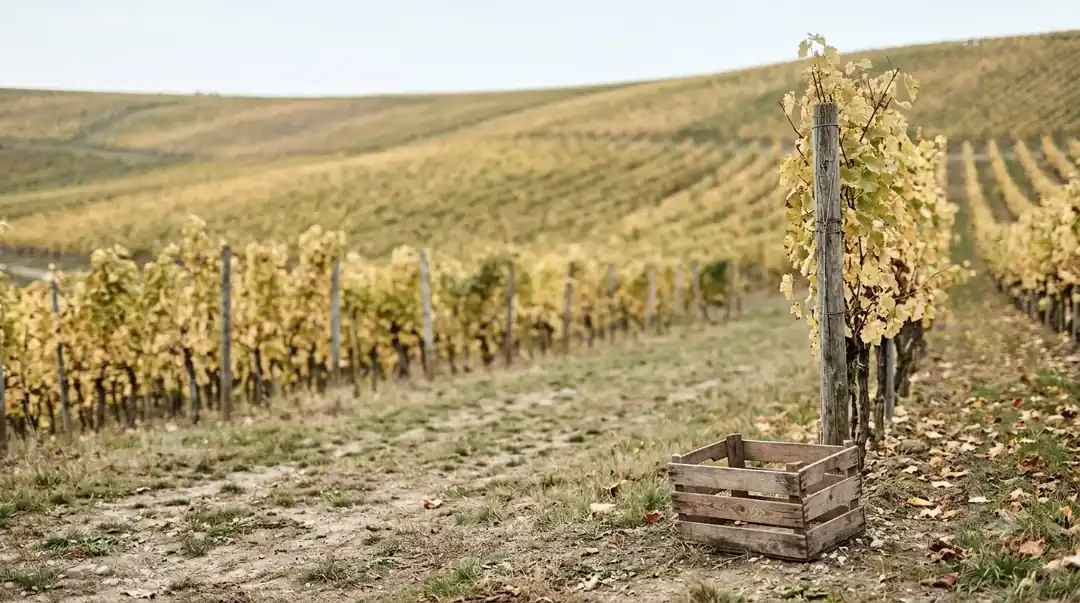
Chile’s climate is often described as a mix of influences. According to the encyclopedia entry on Chilean wine, the climate is a fusion of the climates in California and France, and most wine regions have a Mediterranean pattern with warm, dry summers. The Andes supply irrigation from snowmelt and create a wide gap between day and night temperatures, which helps the grapes keep their acidity. The Pacific adds a cooling effect through the Humboldt Current and morning fog, while the Coastal Ranges act as a buffer between the ocean and the inland valleys.
The result is a pattern that wine drinkers can use. Wines from coastal areas tend to be leaner, brighter and more acidic, while inland wines are often bolder and more structured. Producers in Chile have also invested in sustainable and organic practices, according to VinePair’s Chile wine guide, which describes a country with many microclimates suitable for a wide range of grapes.
| Area | Typical strength |
|---|---|
| Maipo Valley | Cabernet Sauvignon |
| Casablanca Valley | Sauvignon blanc and Syrah |
| San Antonio Valley | Sauvignon blanc, herbal and acidic |
| Limarí | Sauvignon blanc and Chardonnay, riper and drier |
| Colchagua and Cachapoal | Carménère |
| Leyda Valley and Bío Bío | Pinot noir |
The grapes to try first
Carménère is the grape that makes Chile distinctive. It was a Bordeaux variety that was grown in Chile for a long time under the name Merlot. According to the VinePair guide, it was only identified as Carménère in 1994, and the wines are light-bodied with restrained tannins and a peppery, green-bell-pepper edge. Flavors of tobacco, black cherry and plum are common, so a bottle makes a useful contrast to a richer, rounder Merlot.
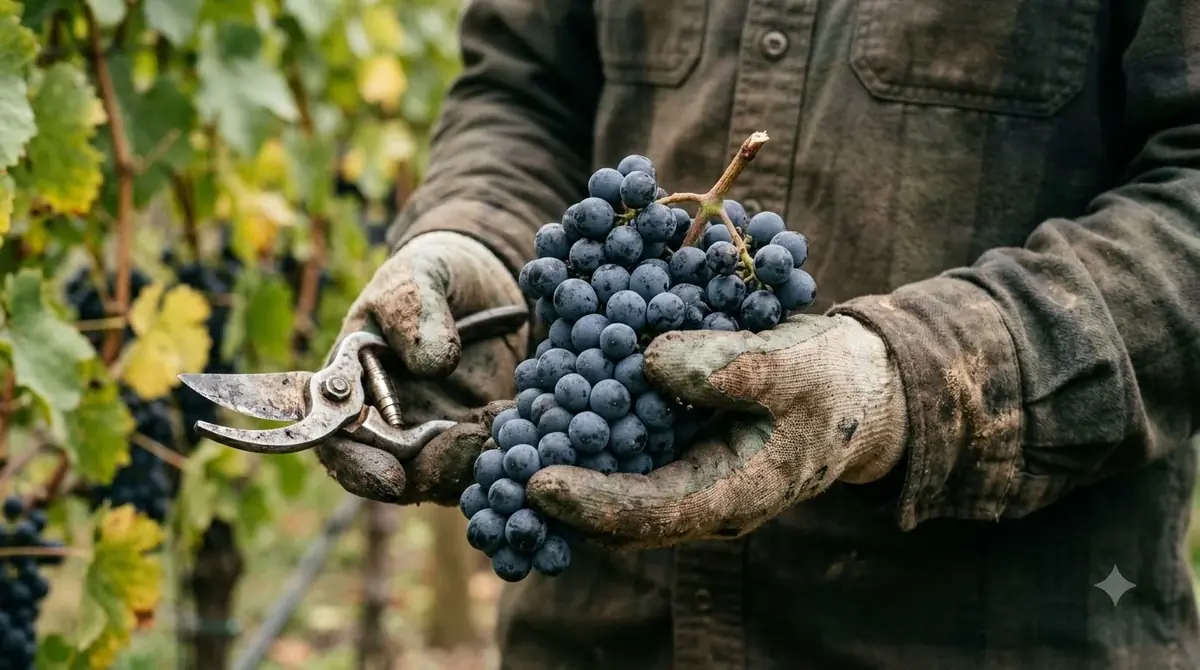
Cabernet Sauvignon is the country’s most planted red and the grape most people know. The VinePair guide says Chile has about 95,000 acres of it, which makes the country the world’s second-largest producer after France. Chilean Cabernet tends to be fruit-forward and tart, with black cherry, tobacco and pepper notes. Styles range from bold and toasty to silky and vibrant.
On the white side, Sauvignon blanc leads. Casablanca wines are typically herbal and tropical with lively acidity, and the cooler San Antonio wines are herbaceous and sharp. Chardonnay from Limarí, Malleco and San Antonio tends to be lean and medium-bodied. Pinot noir from the cooler Leyda Valley and Bío Bío is a plush, plum-scented red with a creamy finish, and it is less earthy than the Burgundian style.
Chile’s place in the wider market
Chile has grown into a major exporter. The encyclopedia entry describes the country as the fifth-largest wine exporter and the seventh-largest producer. In the United States it was once the third-largest importer of wine around 2000 and has since slipped to fourth behind Australia. The focus has shifted toward the United Kingdom and Japan, which means many shoppers will find Chilean wine on shelves beyond the United States.
Several large producers have shaped the country’s reputation. The encyclopedia entry names Viña Errázuriz, Concha y Toro, Miguel Torres Chile, Viñedo Chadwick and Los Vascos among the producers. Several of these estates also have partnerships with famous Bordeaux houses, which is one reason some Chilean wines show a classic structure in a fruit-forward style.
How to choose a Chilean bottle
Start with the grape on the label. A Cabernet Sauvignon from the Maipo Valley usually gives a richer, more structured red, while a Carménère from Colchagua or Cachapoal shows the peppery, plum-and-tobacco character the country is known for. For whites, a Casablanca Sauvignon blanc is a bright, herbal choice, and a Limarí bottle tends to be riper and more fruit-driven.
Check the region as well as the grape. Chile’s valleys differ a great deal, and the same grape can taste lean and sharp from a coastal site or bolder and warmer from an inland one. If you like a specific style, a good shop can point you toward bottles from the same zone. For a broader look at how regions shape flavor, see our wine regions guide.
Tip: Chilean reds such as Carménère pair well with grilled meats and roasted vegetables, while Sauvignon blanc suits seafood and fresh salads. Serve the reds cool rather than warm, and the whites well chilled.
Frequently Asked Questions
Is Chile a good place to find affordable wine?
Chile exports widely, so a good range of bottles is available in many markets. Quality varies by producer and zone, so reading the region and grape on the label helps you choose.
What is Carménère?
Carménère is a Bordeaux grape that was grown in Chile for a long time under the name Merlot. It was identified as Carménère in 1994, and the wines are light-bodied with peppery aromas and flavors of tobacco, black cherry and plum.
Which Chilean wine should a beginner try first?
A Sauvignon blanc from Casablanca is a good starting white, with herbal and tropical notes and lively acidity. For red, a Cabernet Sauvignon from the Maipo Valley is a fruit-forward choice that many drinkers find easy to enjoy.
Does Chile grow wine in cool areas as well as warm ones?
Yes. The vineyards run from the hot, dry north to the cooler, wetter south, and the Pacific and Andes both shape the climate. Coastal sites tend to be cooler and produce brighter, more acidic wines, while inland valleys are warmer.
Chile rewards a curious shopper. Start with a Casablanca Sauvignon blanc or a Maipo Cabernet, then try a Carménère to see the country’s signature grape. For more on how places shape a wine, read our guide to Bordeaux wine or explore Italian wine to compare how different countries approach the same styles.
More in Wine Regions
 Willcox Wine Trail: Discover Arizona’s High-Elevation Wine CountryUpdated Nov 20, 2026
 Yakima Valley Wine Region: Find the Best Styles to TryUpdated Nov 20, 2026
 Vosne Romanee Wine Tasting: Identify Aromas and Choose Better PairingsUpdated Nov 20, 2026
 Yakima Valley Wine Festival: Find the Best Seasonal Wine EventsUpdated Nov 20, 2026
 Wales Vineyards: Discover Cool-Climate Wines and Where to VisitUpdated Nov 20, 2026
 Yountville Wine Festival: Discover Napa Wines and Local FoodUpdated Nov 20, 2026