

We may earn a commission when you buy through links on this page, at no extra cost to you. Learn more.
Tokaji aszu wine is a sweet Hungarian dessert wine made mainly from Furmint grapes that have been affected by noble rot. Its sweetness is concentrated by a fungus that dries the grapes on the vine, and each bottle is rated by puttonyos, a traditional measure of sugar in the finished wine. Aszú is the best-known style from the Tokaj region, and it is one of the few sweet wines that can age for decades.
Tokaji Aszú can look intimidating on a shelf, with its gold-colored labels, Hungarian name and a number that means little at first glance. This guide explains what the wine is, how its sweetness is measured, how it is made and how to serve it well. It also shows where Aszú fits next to the other sweet wines you may already know.
What Tokaji Aszú Is
Tokaji Aszú comes from the Tokaj region in northeastern Hungary, where the wine area also extends across the border into Slovakia. The word “Aszú” refers to the botrytised berries that are added to a base wine, and those berries give the style its concentrated sweetness. Furmint is the dominant grape, covering roughly 60 percent of the planted area, while Hárslevelű accounts for about 30 percent of the vineyards, according to reference descriptions of the region.
The vineyards sit on a plateau about 457 metres above sea level, near the Carpathian Mountains. The volcanic soils are rich in iron and lime, which many people associate with the wine’s mineral edge. Furmint is also the grape behind most dry Tokaji styles, and the Wine Folly guide to Furmint explains how its high acidity works in both dry and sweet wines.
How Noble Rot Creates the Sweetness
Noble rot, caused by the fungus Botrytis cinerea, grows on ripe grapes when damp autumn weather is followed by dry, sunny days. The fungus pierces the skin and draws water out of the berry, so the sugar and acid become more concentrated. Furmint suits this process because its skin thins as it ripens, which lets the fungus in, while a second skin helps seal the grape against unwanted rot.
Growers pick the affected berries one at a time, often over several passes through the vineyard. The shriveled, raisin-like grapes are trodden or crushed into a thick paste known as aszú dough. Base wine or must is poured over the paste and left to steep for 24 to 48 hours, with occasional stirring, to draw out sugar and flavor. The liquid is then pressed off and moved into wooden casks, where a slow fermentation continues for years.
The harvest can run late into the year. Some producers pick into December, and the timing depends on how much noble rot has developed in each vineyard that season. This slow, selective picking is the main reason Aszú is expensive to make and why only a small share of the region’s output is sold under this name.
Puttonyos and Sweetness Levels
The number on an Aszú label is the puttonyos rating. The term goes back to the baskets, or puttony, of aszú dough that were once added to a cask of base wine. Today the rating reflects the sugar and sugar-free extract in the finished wine rather than the number of baskets, and the scale runs from 3 to 6 puttonyos. Each step up means a sweeter, richer and more concentrated bottle.
Above the Aszú category sits Eszencia, a syrupy product made from the juice that drips naturally from the aszú dough. It is extremely sweet and very low in alcohol, and it is rarely sold as an everyday bottle. Most shoppers will meet Aszú in the 3 to 6 puttonyos range.
| Style | Sweetness and body | Typical use |
|---|---|---|
| 3 puttonyos | Lightest Aszú, fresh and bright | Fruit tarts, lighter desserts |
| 4 to 5 puttonyos | Balanced sweetness and acid | Soft cheeses, fruit desserts |
| 6 puttonyos | Richest Aszú, dense texture | Blue cheese, foie gras, sipping |
| Eszencia | Extremely sweet, very low alcohol | Small glasses, sipping alone |
Tip: Check the label for the puttonyos number and the vintage. Aszú is highly concentrated, so a small pour goes a long way.
Flavor, Aging and Storage
Tokaji Aszú usually shows flavors of apricot, orange peel, honey and dried fruit. A bright acid line keeps the sweetness from feeling heavy, and the alcohol, which often sits above 14 percent in Aszú, gives the wine warmth and body. Producers age the wines in cask for several years before release, and the acidity helps them keep for decades when they are stored well.
As an Aszú ages, its color tends to move from pale gold toward deeper amber, and the fresh fruit notes give way to dried apricot, marmalade, toasted nuts and tea-like flavors. Younger bottles feel brighter and more lifted, while older ones feel softer and more layered. Neither style is better in general, so the right choice depends on whether you want freshness or complexity in the glass.
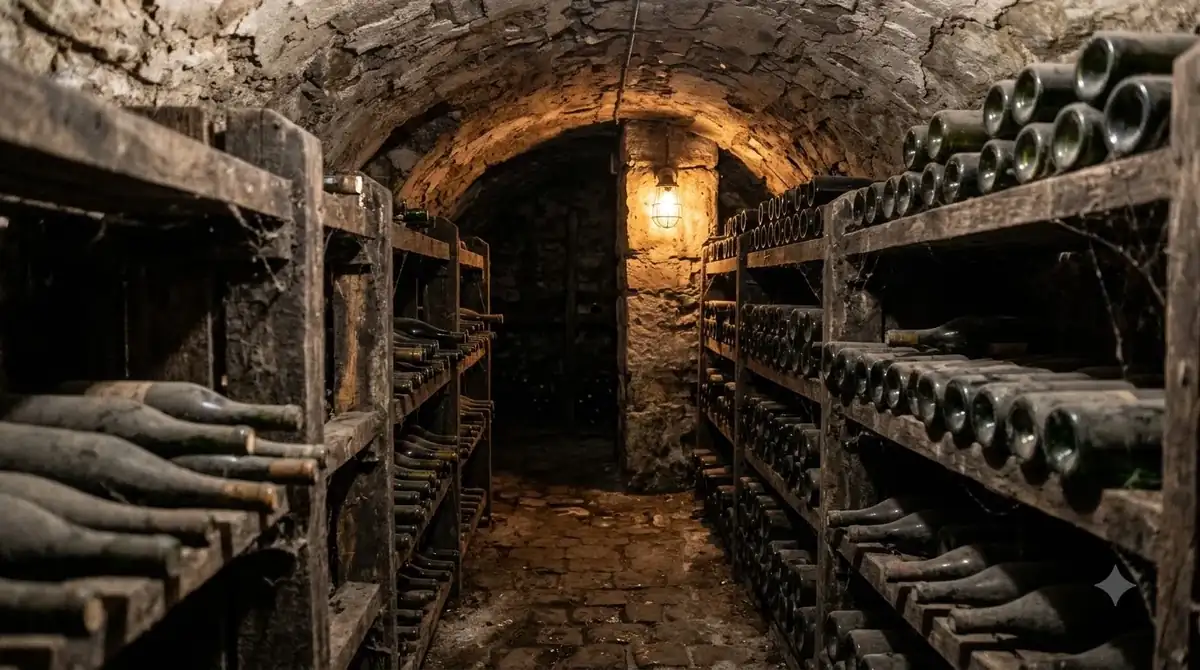
Unopened bottles do best lying on their side in a cool, dark spot with steady temperatures. Once a bottle is opened, reseal it and refrigerate it like any other open wine, and finish it within a reasonable time so the freshness is not lost.
How to Serve and Pair
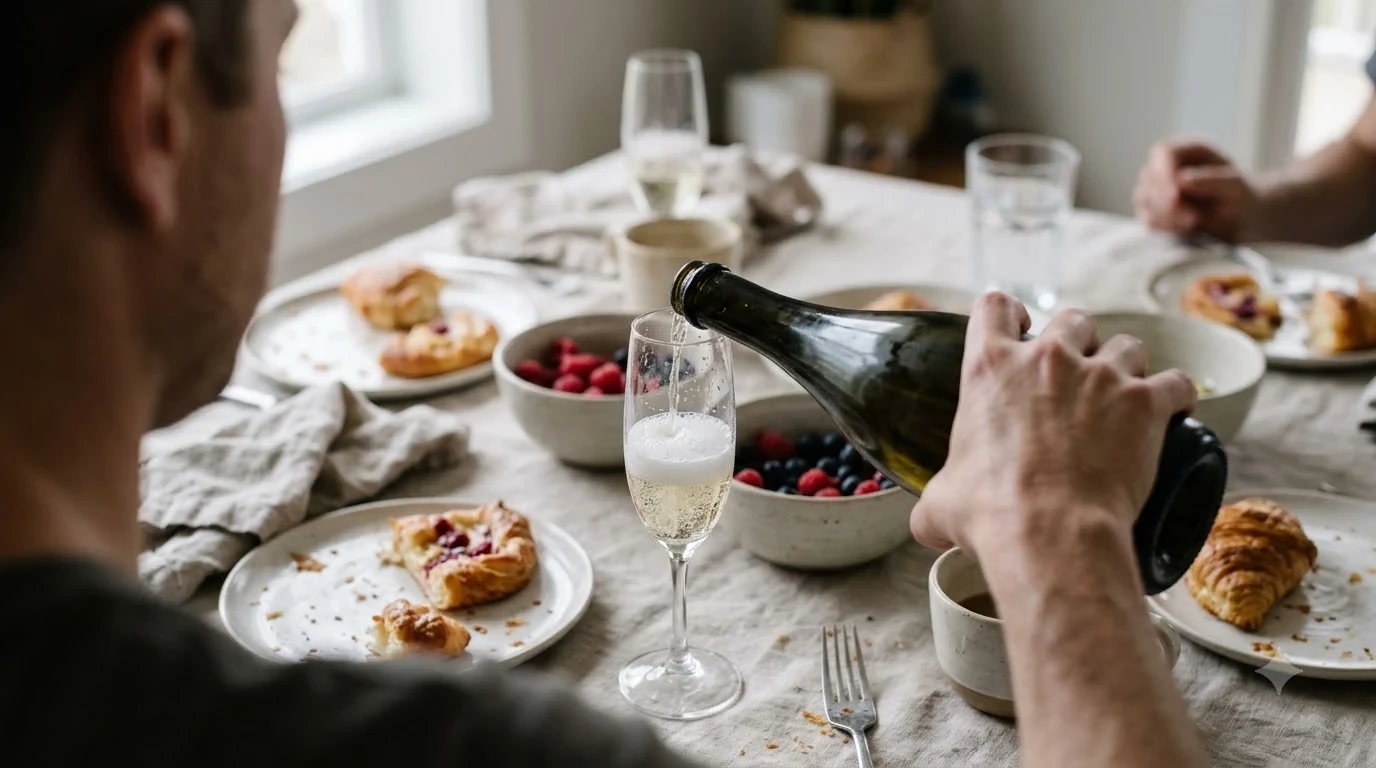
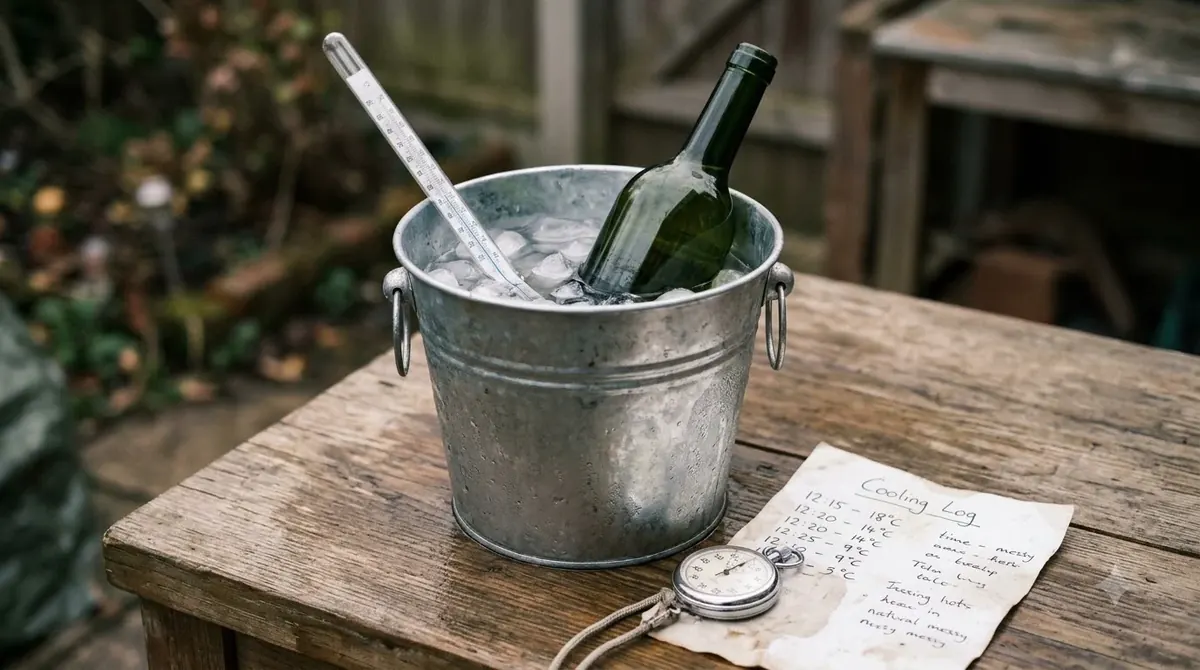
Serve Aszú lightly chilled rather than ice cold, which keeps the wine lively without muting its aromas. A small tulip-shaped glass concentrates the scent, and a modest pour suits the intensity of the sugar. Many drinkers find that Aszú works better after a meal than before, when it can stand in for dessert.
Temperature and timing matter as much as the pairing. Open the bottle shortly before you plan to serve it, so the wine has time to warm slightly in the glass, and keep the rest of the bottle cool between pours. If the wine feels too cold, the sweetness will seem muted, and if it is too warm, the alcohol can feel more prominent than the fruit.
Blue cheese is a classic partner, because the sugar balances the salt and the sharpness of the cheese. Fruit tarts, crème brûlée and apricot desserts also pair well. For a savory match, foie gras and mild, nutty cheeses are traditional, and salty cured meats offer a pleasant contrast between salt and sweetness.
How It Compares to Other Sweet Wines
Tokaji Aszú is a different wine from lighter sweet styles like moscato wine, which is usually lower in alcohol and often gently fizzy. Aszú is richer, more concentrated and built for long aging, so it works as a slow sipper rather than a quick refresher. Among dry reds, cabernet sauvignon wine sits at the opposite end of the spectrum, with firm tannins and very little residual sugar.
Sauternes from Bordeaux is the other famous botrytised dessert wine, usually made from Sémillon and Sauvignon Blanc. The two wines share the same basic idea of using noble rot to concentrate sugar, but they differ in grape, climate and style, so a bottle of Sauternes will taste different from an Aszú even though the process sounds similar on paper.
If you enjoy honeyed whites or late-harvest styles, Aszú is a natural next step. Start with a 3 or 4 puttonyos bottle to learn the style, then move up to richer levels once you know how the sweetness and acid balance in your glass.
Frequently Asked Questions
Is Tokaji Aszú the same as Tokaji wine?
No. Tokaji is the wider name for wines from the region, and it includes dry and off-dry styles. Aszú is one specific sweet category made from botrytised grapes and rated by puttonyos.
What does the puttonyos number mean?
It is a sweetness rating from 3 to 6 that reflects the sugar and sugar-free extract in the finished wine. Higher numbers mean a sweeter, richer bottle.
Does Tokaji Aszú need aging before drinking?
Producers already age the wine in cask for several years before release, so most bottles on sale are ready to enjoy. Good bottles can keep for decades when they are stored well.
What glass should I use for Tokaji Aszú?
A small tulip-shaped glass works well because it holds the aromas and keeps the pour modest. A standard white wine glass is fine if that is what you have at home.
Tokaji Aszú rewards a little patience, both in learning its styles and in giving a bottle time to open in the glass. To see how it fits into the wider family of wines, browse Wine by Type, and then read the regional overview in tokaji wine.
More in Wine Types & Grapes
 Zinfandel Sugar Content: Dry Red vs. White Zinfandel GramsUpdated Nov 21, 2026
 Best Zinfandel Substitute Options for Sipping and CookingUpdated Nov 21, 2026
 Zweigelt Food Pairing: Best Dishes, Cheeses, and Serving TipsUpdated Nov 21, 2026
 Zinfandel Tannins Explained: How Structure Shapes Every BottleUpdated Nov 21, 2026
 Zinfandel Sweetness Level: Dry Red vs. Sweet White Zin ExplainedUpdated Nov 21, 2026
 Xinomavro Food Pairing: Best Dishes, Styles, and Serving TipsUpdated Nov 21, 2026