

We may earn a commission when you buy through links on this page, at no extra cost to you. Learn more.
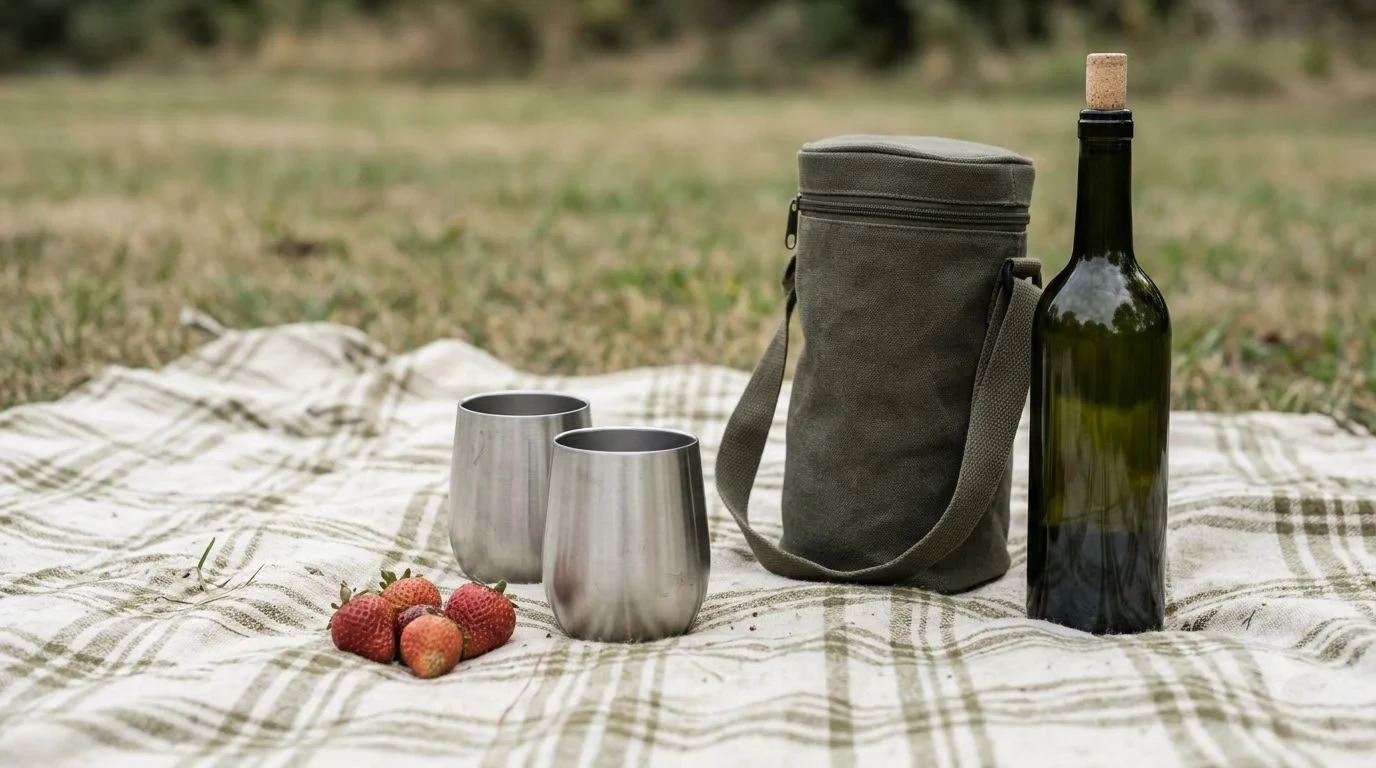
Franzia white zinfandel is an off-dry, rosé-style wine made mainly from the Zinfandel grape and sold in large boxed cartons by The Wine Group. It has a pale pink color, fruity flavors and a gentle sweetness. Its easy-drinking style and boxed format make it a common choice for parties, picnics and casual sipping.
This guide explains what Franzia white zinfandel tastes like, how the boxed format affects value and storage, and how it compares with other budget sweet wines. It also covers serving temperature and food pairings, so you can decide whether this wine fits your next gathering.
What Is Franzia White Zinfandel?
Franzia white zinfandel is a light, fruit-forward wine that belongs to the White Zinfandel family. The style is usually described as off-dry, meaning it tastes noticeably sweet without being a dessert wine. Despite the name, it is a pink wine rather than a white one, because the grape skins give it its blush color during production.
The Franzia name belongs to a long-running brand. According to the Franzia entry on Wikipedia, the brand is known for box wines sold in 3 and 5-liter cartons, and it was founded in 1906 by Teresa Franzia. Over the decades the wines were sold as affordable table wines, first as jug wine and later as box wine.
A Franzia 5-liter product listing describes the bottling as a light, refreshing sip for casual gatherings and sunny afternoons. The same listing gives an alcohol level of 9 percent by volume. Always confirm the current alcohol content on the carton, since labels can change between bottlings.
How Franzia White Zinfandel Is Made and Who Produces It
The Wine Group is the company behind Franzia, and it shapes how the wine is produced and packaged. The company is headquartered in Livermore, California, and was established in 1981. Wikipedia describes The Wine Group as the third largest wine company in the world, behind Constellation Brands and the E and J Gallo Winery.
Public product pages describe the approach as consistency and value rather than single-vineyard craft. One retailer summary says the producer emphasizes efficient resource management and modern winemaking technology across its large range. The exact winemaking steps for this specific bottling are not published in the sources used here, so the manufacturer or the label is the best place to check details.
Blending across many lots is common for wines made at this scale. That approach helps the flavor stay similar from one carton to the next. If you want the most current production details, the producer’s own website or customer service line is the most reliable source.
Taste Profile and Sweetness Level
Franzia white zinfandel is built around bright, fruity flavors. The taste is generally described as strawberry and watermelon with raspberry notes and a touch of citrus. Some descriptions also mention soft floral hints and a lightly spiced finish.
The body is light and the acidity is moderate, so the wine feels smooth rather than sharp. Sweetness is the main feature that separates it from dry rosé. If you usually prefer dry wines, expect a noticeably rounder and sweeter sip with a soft finish.
Because the wine is light and fruity, it is often served cold. Chilling tends to make the sweetness feel crisper and the fruit more distinct. Warm serving can make the sugar taste heavier, so keeping the wine cool is a simple way to enjoy it.
Boxed Wine Value Compared With Other Sweet Wines
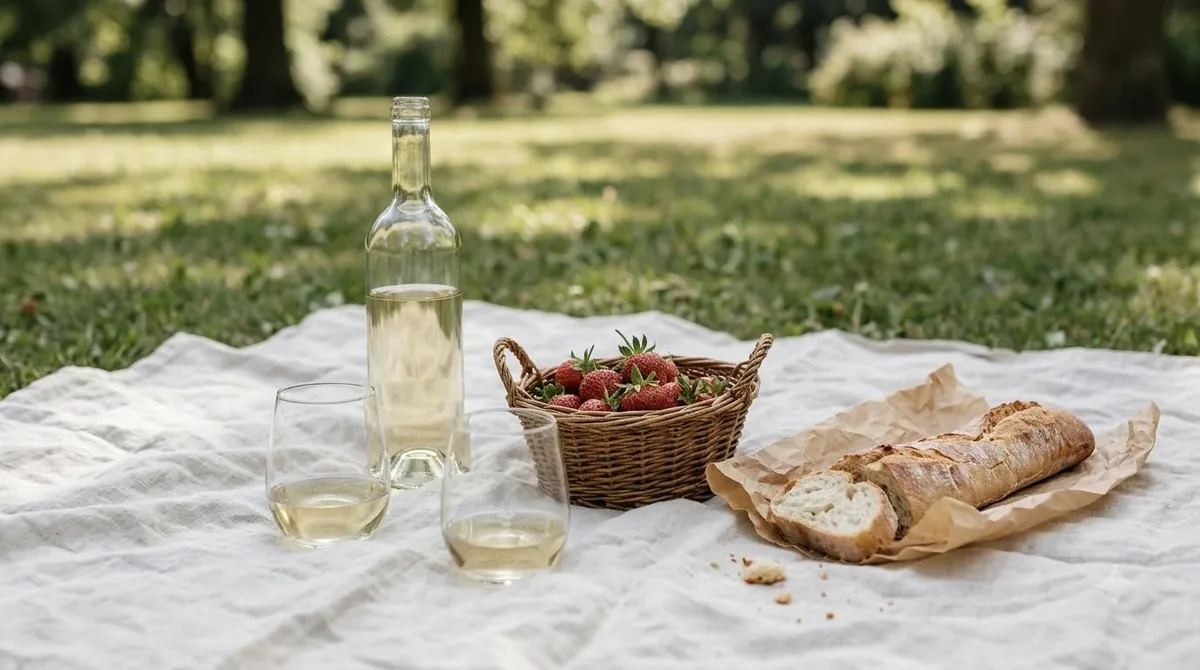
Boxed wine offers a different kind of value than bottles. The large carton holds a lot of wine for the price of a single bottle, and the bag inside is designed to keep air out after the first pour. That makes it useful for groups, outdoor events and anyone who does not finish a bottle quickly.
Several other sweet wines in the same style come in different formats. The table below compares common formats for White Zinfandel, based on product listings and the sizes named in the sources.
| Format | Example listed in sources | Best use |
|---|---|---|
| 5-liter box | Franzia White Zinfandel 5L | Large parties, picnics and long gatherings |
| 4-liter jug | Carlo Rossi White Zinfandel 4L | Groups who want a classic jug style |
| 1.5-liter bottle | Barefoot or Sutter Home White Zinfandel 1.5L | Small dinners and a bottle for a few people |
For a fruit-forward mix, some drinkers reach for the Franzia sangria style instead of a straight sip. If you prefer a heavier, more structured pour, the Gnarly Head old vine zinfandel offers a red Zinfandel profile that is much drier. The right choice depends on whether you want sweetness or structure.
Serving, Chilling and Food Pairings
Serving this wine well is mostly about temperature and glassware. Chill the carton or bottle in the refrigerator before the event, and pour into a standard wine glass so the aroma can open. Keep the box in a cool place and pour only what you need for the next hour or two.
Food pairings work best when the dish has some salt, a touch of fat or fresh fruit. One product listing suggests grilled chicken, a Caesar salad, fruit salad, goat cheese, Thai cuisine and turkey burgers. Another description highlights strawberry salads and grilled chicken, since the fruit notes echo the berries in the dish.
- Chill the wine until it is cold to the touch but not icy.
- Pour into a wine glass and let it sit for a minute to release the fruit aromas.
- Pair it with lighter foods such as grilled chicken, fruit salads or soft cheeses.
- Avoid very rich or heavily spiced dishes, which can make the sweetness feel stronger.
Storage, Buying Tips and Where to Find It
Boxed wine keeps longer than an opened bottle because the inner bag limits contact with air. Store the box upright in a cool spot away from direct sunlight, and check the packaging for any storage or shelf-life guidance. Once the box is opened, the manufacturer’s label is the best guide for how long it stays fresh.
When you shop, check the size, alcohol content and the producer name on the carton. Stores may carry several White Zinfandel sizes, so compare formats before you choose. Availability varies by location, and some retailers offer pickup only, so confirm stock with the seller before you plan an event.
You can also explore the wider family of Franzia wines, such as the Franzia red wine options, if your group wants a mix of styles. Matching the wine to the crowd is usually more useful than chasing a specific bottle.
Tip: Label the box with the opening date once it is poured, and keep a second container of water nearby at gatherings. Drinking responsibly means pacing your glasses and offering food alongside the wine.
Frequently Asked Questions
Is Franzia white zinfandel sweet?
Yes, it is generally described as off-dry, which means it tastes noticeably sweet. The sweetness is balanced by moderate acidity and fruity flavors such as strawberry and watermelon. It is much sweeter than a dry rosé or a dry white wine.
Is Franzia white zinfandel a red wine?
No, it is a pink or blush wine. Despite the name, White Zinfandel is made from the Zinfandel grape with limited skin contact, which gives it a pale pink to light salmon color. It is served chilled like other rosé wines.
How should I serve Franzia white zinfandel?
Serve it cold in a standard wine glass. Chilling keeps the fruit flavors crisp and helps balance the sweetness. Check the carton for any specific serving guidance from the producer.
What foods go well with Franzia white zinfandel?
Grilled chicken, fruit salads, soft cheeses and lighter pasta dishes pair well with it. Its fruit notes complement fresh berries and greens. Very rich or heavily spiced foods can overpower the wine.
Franzia white zinfandel suits casual gatherings where a light, sweet, easy-drinking wine is the goal. To learn more about how this brand fits into the wider market, browse the Wine Brands section and compare styles before your next event.
More in Wine Brands
 Underwood Wine Price: Compare Bottles, Cans, and Pack SizesUpdated Nov 21, 2026
 Zenato Wine Price: Compare Styles and Choose the Right BottleUpdated Nov 21, 2026
 Zuccardi Wine Price: Compare Bottles and Find the Right RangeUpdated Nov 21, 2026
 Yellow Tail Moscato Review: Taste, Sweetness and Serving TipsUpdated Nov 21, 2026
 Wolf Blass Yellow Label Review: Choose Your Best StyleUpdated Nov 21, 2026
 Wolffer Estate Rose Review: Choose the Right Bottle for Your TableUpdated Nov 21, 2026