

We may earn a commission when you buy through links on this page, at no extra cost to you. Learn more.
Famille Perrin wine comes from one of the Rhône Valley’s best-known family producers, the Perrin family, who make Châteauneuf-du-Pape and Côtes du Rhône wines. The family has controlled Château de Beaucastel since 1909, and its label list now reaches across several Southern Rhône appellations. Most of its bottles are blends built on classic Rhône grapes such as Grenache, Mourvèdre and Syrah.
This guide explains who the Perrins are, how their history shaped the wines, and which kinds of bottles suit everyday drinking and food. It also covers how to read a label and where to find current information, since the lineup can change from one vintage to the next.
Who Is Famille Perrin?
Famille Perrin is a French winemaking family based in the Southern Rhône. The name refers to the family and to the group of wines it produces, which includes its flagship estate and several négociant and vineyard-based brands. The family’s main estate is Château de Beaucastel in Châteauneuf-du-Pape, and the wider company works across more than a dozen appellations.
According to the family’s own member profile on the Primum Familiae Vini member page for the Perrins, the fifth generation now carries on the work. That page stresses respect for the terroir, precision and balance, which are the same themes you will see across the family’s wines. For a US drinker, the practical point is simple: the name signals a serious, family-run producer with a clear house style.
History of the Perrin Family and Domaine de Beaucastel
The family story begins with the estate, not the brand. Beaucastel was bought in 1909 by an olive merchant named Pierre Tramier, who later passed the property to his son-in-law, Pierre Perrin. The Perrins then built the vineyard holdings that define the estate today.
Jacques Perrin, Pierre’s son, shaped many of the choices that still matter. He moved the estate toward organic viticulture, starting in 1956, and helped make estate bottling a standard practice in the 1970s. He also brought back Mourvèdre, a grape that had nearly disappeared from the appellation after phylloxera. After his death in 1978, his sons Jean-Pierre and François took over, and they continued his methods in the vineyard and winery.
The family also expanded beyond France. In 1989 they helped establish Tablas Creek in Paso Robles, California, with importer Robert Haas, and they brought cuttings from Beaucastel to plant there. The Perrins have described their approach as a family company run by the family itself, rather than by outside shareholders. That independence helps explain why the brand has stayed focused on its own estate style.
Famille Perrin Wine Lineup and Key Cuvées
The range is wider than most shoppers expect, so start by knowing the main categories. Some bottles come from the Châteauneuf-du-Pape estate, while others are Côtes du Rhône wines made from vineyards just outside that appellation. Reading the label for the appellation and the cuvée name will tell you a lot about what is inside.
| Wine | Style | What to know |
|---|---|---|
| Red Château de Beaucastel | Red Châteauneuf-du-Pape | A blend of 13 traditional grape varieties with a high share of Mourvèdre |
| White Château de Beaucastel | White Châteauneuf-du-Pape | Mostly Roussanne with some Grenache blanc |
| Hommage à Jacques Perrin | Special red Châteauneuf-du-Pape | Made only in better years, with 1989 as the first vintage |
| Roussanne Vieilles Vignes | White Châteauneuf-du-Pape | A varietal Roussanne from old vines, which is rare in the appellation |
| Red and White Coudoulet de Beaucastel | Côtes du Rhône | Made from vineyards just east of the Châteauneuf border |
The estate Beaucastel wines are the most expensive and most ageable part of the range, while the Côtes du Rhône bottles are built for earlier drinking. Many shoppers choose the Coudoulet wines for weeknight meals and reserve the Châteauneuf bottles for special dinners. Check the producer’s current sheet for each cuvée, because release timing and availability change over time.
Rhône Grapes and Regions Behind the Wines
Most Famille Perrin reds rely on Rhône varieties, and understanding them makes the wines easier to pick. Grenache provides fruit and body, Mourvèdre adds structure and savory depth, and Syrah links the two. Beaucastel’s red blend also includes smaller shares of Counoise and Cinsault, plus several other permitted grapes.
The Southern Rhône is a different place from the north, and the difference shows in the glass. The vineyards near Châteauneuf sit on large round stones, while other sites in the region have sandy or limestone soils. Wine Spectator’s feature on the family describes how the same grapes can taste very different on different soils. That is why the family buys land across several villages instead of relying on one site.
For a US reader, a practical tip is to look at the appellation first. A Châteauneuf-du-Pape bottle usually costs more and rewards time in the cellar, while a Côtes du Rhône is generally made to be enjoyed younger. The grape list on the back label or the producer’s technical sheet will also tell you how much Mourvèdre or Grenache is in the blend.
How to Choose and Buy Famille Perrin Wine in the US
Start by deciding what you want from the bottle. For everyday dinners, a Côtes du Rhône style is usually the easier choice. For a special meal or a bottle to age, a Châteauneuf-du-Pape from the estate is the more ambitious option. Prices vary by store, state and vintage, so compare local listings rather than relying on any single source.
When you shop, look for the full cuvée name, the vintage and the appellation. Those three details prevent confusion between similarly named bottles. Wine shops and retailers can also tell you whether a vintage is still available or has been replaced. If you are new to the brand, a wine shop staff member can help you pick a bottle that matches your budget and taste.
If you like the Perrin style but want to compare other producers, the wine brand guides on this site cover how family producers differ in approach. You can also explore a different style from the same region by reading about a popular red blend from a US producer, which can help you decide whether you prefer bolder or softer reds.
Food Pairings for Famille Perrin Wines
Rhône reds pair naturally with the foods that were traditional in the region. Roasted meats, herb-heavy stews and aged cheeses all work well with the savory, spiced character of Grenache and Mourvèdre blends. The tannin in Mourvèdre-rich wines helps cut through fat, which is why a roast or a braise often matches better than a light salad.
The white Châteauneuf-du-Pape bottles, which are built around Roussanne, suit richer white dishes. Think roast chicken, creamy sauces, or fish with butter and herbs. A glass of the Coudoulet white can also work with simple grilled vegetables or soft cheeses, since it is generally lighter than the estate white.
Serving temperature matters as much as the food. Red wines are usually best slightly below room temperature, and whites taste better when cool rather than cold. Check the producer’s technical sheet for serving advice on each cuvée, and let a bold red breathe before pouring if the bottle is young.
How to Store and Serve Famille Perrin Wine
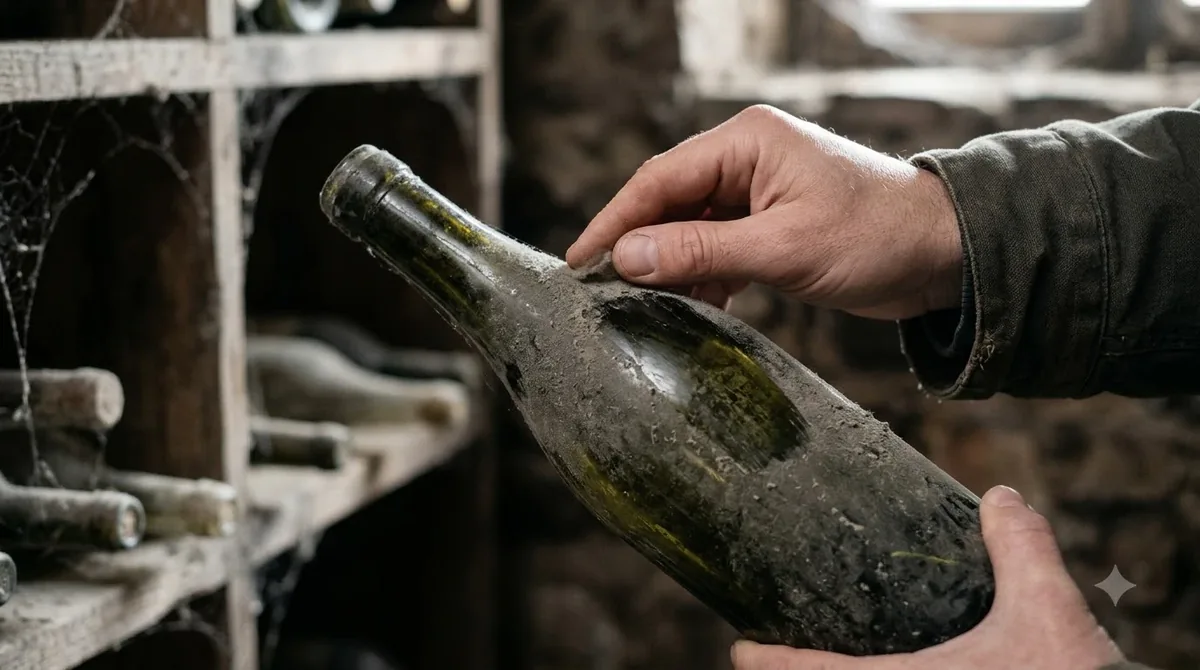
Storage affects how the wine tastes years later. Keep bottles in a cool, dark place with steady temperature and humidity, away from heat sources and direct light. A closet on an interior wall or a basic wine fridge can work well for everyday bottles.
- Check the label for the vintage and cuvée before you buy, so you know what you are opening.
- Store bottles on their side if they have natural corks, which helps keep the cork moist.
- Move the bottle to the fridge for a short time before serving whites, and let reds sit out briefly to warm slightly.
- Open the bottle a little ahead of time for young, structured reds, so the aromas can open up.
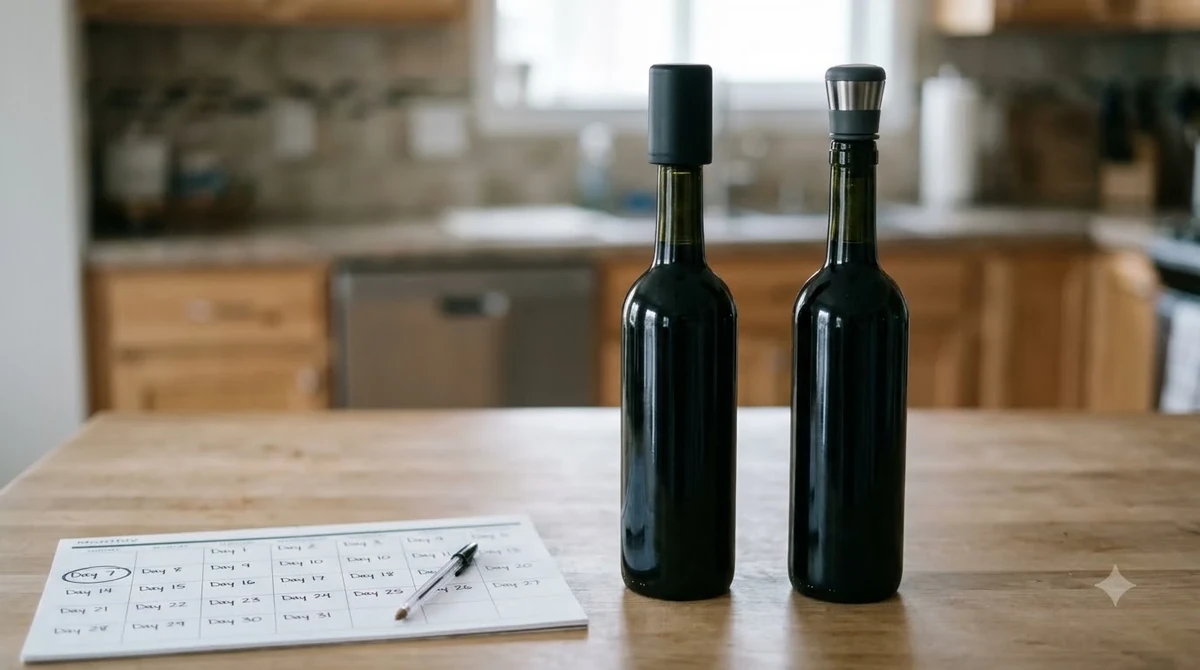
- Re-cork leftover wine and keep it refrigerated, then finish it within a few days.
Serve these wines in glasses with enough room to swirl, which helps the aromas develop. Drink responsibly, pace yourself with food, and avoid driving after drinking. Moderation keeps the experience enjoyable and lets you appreciate the subtle differences between cuvées.
Frequently Asked Questions
Who owns Famille Perrin?
Famille Perrin is owned and run by the Perrin family, which has controlled Château de Beaucastel since 1909. The family says it runs the company itself rather than answering to outside shareholders. Several generations now take part in the business.
What is the main Famille Perrin wine?
Red Château de Beaucastel is the best-known bottle, a Châteauneuf-du-Pape blend of 13 grape varieties with a high share of Mourvèdre. It is the estate’s flagship red. Many shoppers start with a Côtes du Rhône from the same family if they want an easier, everyday option.
Are Famille Perrin wines organic?
The family has used organic viticulture since 1956, and the producer says its vineyards are certified organic or in the process of certification. Check the current label or producer information for the exact status of each bottle. Certification details can change over time.
Which Famille Perrin wine is good for a weeknight dinner?
A Côtes du Rhône from the family is usually the simplest choice for everyday meals. These bottles come from vineyards outside the Châteauneuf-du-Pape appellation. Pair the red with roasted meats or stews, and the white with lighter dishes.
Famille Perrin wines reward readers who learn the family history and the Rhône grapes behind them. Start with the appellation and cuvée name, then pick a bottle that fits your meal and budget. For more background on how family producers compare, keep exploring the brand guides on this site.
More in Wine Brands
 Underwood Wine Price: Compare Bottles, Cans, and Pack SizesUpdated Nov 21, 2026
 Zenato Wine Price: Compare Styles and Choose the Right BottleUpdated Nov 21, 2026
 Zuccardi Wine Price: Compare Bottles and Find the Right RangeUpdated Nov 21, 2026
 Yellow Tail Moscato Review: Taste, Sweetness and Serving TipsUpdated Nov 21, 2026
 Wolf Blass Yellow Label Review: Choose Your Best StyleUpdated Nov 21, 2026
 Wolffer Estate Rose Review: Choose the Right Bottle for Your TableUpdated Nov 21, 2026