

We may earn a commission when you buy through links on this page, at no extra cost to you. Learn more.
Shafer wine is made by Shafer Vineyards, a Napa Valley winery best known for its Cabernet Sauvignon. The estate sits on a rocky, volcanic hillside on the Silverado Trail, and its flagship red, Hillside Select, was first made in 1983. The winery also produces Merlot, a Sauvignon Blanc, and several other reds under the Shafer name.
If you have seen the name Shafer on a restaurant list or in a wine shop and wondered what sets these bottles apart, this guide walks through the family behind the winery, the main wines in the lineup, and how to serve and pair them. It is written for everyday drinkers who want a clear picture before they open a bottle.
Who makes Shafer wine and where
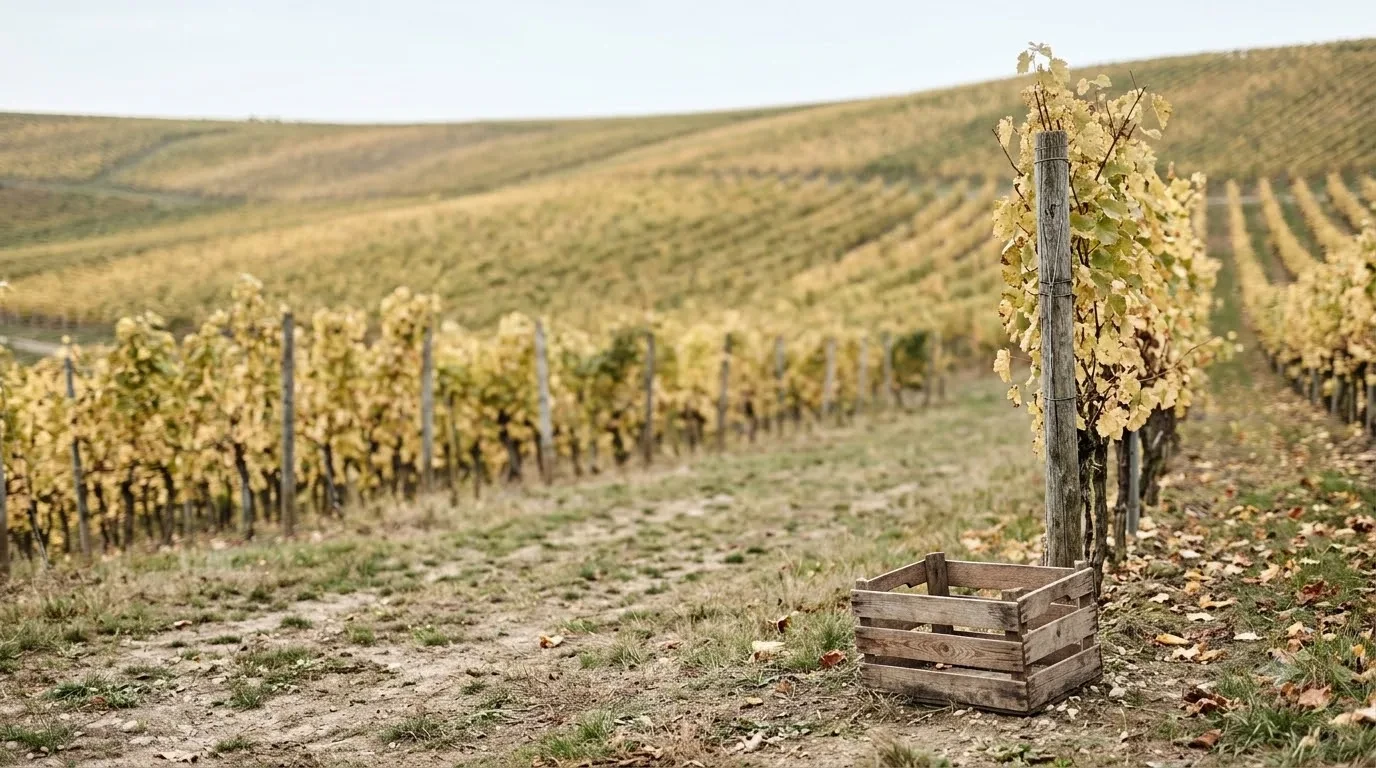
Shafer wine comes from Shafer Vineyards, a family-run estate in Napa Valley, California. According to the winery’s own About page, the estate address is 6154 Silverado Trail, Napa, CA 94558. The vineyard is planted on hillside ground, and the winery describes that elevated, rocky site as the core of its style.
Napa Valley is one of the best-known wine regions in the United States, and Shafer’s position on a steep hillside sets it apart from valley-floor vineyards. Hillside sites usually get less fertile soil and more sun exposure, which tends to limit yields and concentrate the fruit. That is one reason the winery puts so much weight on its hillside blocks.
The founding story behind the name
The Shafer story starts well before the winery existed. The winery’s About page says the land was first planted with grapes in the 1880s, and that Italian immigrants Batista and Marie Scansi replanted it through Prohibition. Decades later, the property came into the hands of a family with no winemaking background.
In 1972, John Shafer left a publishing career in Chicago and bought the rocky hillside. His first vintage followed in 1978. His son Doug later grew the winery into one of the most celebrated names in Napa Valley, and the page credits the two of them with building the estate’s reputation one vintage at a time. The family’s history is a big part of why many buyers see Shafer as a family brand rather than a corporate label.
Shafer’s story also includes the cellar team. The page says Elias Fernández joined the winery in 1984 and has worked there for four decades, and it credits him with shaping the house style. That kind of long continuity in the cellar is less common than the family name suggests, and it helps explain why the wines taste consistent from one year to the next.

The Shafer lineup at a glance
Shafer’s current range is mostly red, with one white. The winery’s About page lists Hillside Select, Relentless, One Point Five, Merlot, TD-9, Red Shoulder Ranch, and Sauvignon Blanc. Each name points to a different level of the estate, from the top-tier flagship down to wines that are made for everyday drinking.
The table below gives a quick overview. Descriptions are based on the winery’s own wording, so use them as a starting point rather than a tasting guide.
| Wine | Style | What the winery’s About page says |
|---|---|---|
| Hillside Select | Cabernet Sauvignon | The estate’s top wine, first made in 1983 |
| Relentless | Red | Named Wine Spectator’s Wine of the Year for the 2008 vintage |
| One Point Five | Red | Named for the bond between John and Doug Shafer, “a generation and a half” |
| Merlot | Merlot | One of the estate’s core reds |
| Red Shoulder Ranch | Red | Listed in the current lineup |
| TD-9 | Red | Listed in the current lineup |
| Sauvignon Blanc | White | The estate’s white wine |
What Hillside Select tastes like and why it matters
Hillside Select is the wine most people mean when they search for Shafer wine. The winery lists it as a Cabernet Sauvignon and says it sits at the summit of the estate’s range. The page also reports that the wine has received nine 100-point scores, and that it has been poured at the White House and is a regular at U.S. State Dinners.
The winery credits its house style with elegance, richness, and balance, and it attributes that approach to Elias Fernández. Cabernet Sauvignon from Napa Valley is often described as full-bodied, with dark fruit, firm tannins, and oak spice. Because it sits at the top of the range, many people treat Hillside Select as a special-occasion bottle to save for a dinner or a gift rather than a weeknight pour.
Tip: Ratings and state-dinner history are the winery’s own claims, so treat them as background. The best test is a single bottle with food you enjoy.
How to serve and pair Shafer wines
Serving temperature matters more than people expect. Full Napa Cabernets tend to taste best a little cooler than a warm room, since a hot glass can make the alcohol and oak feel heavier. Give the wine some time in the glass before judging it, because the aromas open as it meets air.
For food, a Cabernet from this style works well with roasted or grilled red meat, hard aged cheese, and mushroom dishes. The structure in the wine balances fat and salt. Lighter reds like the Merlot pair well with roast chicken, pork, and tomato-based pasta. The Sauvignon Blanc is a cleaner, brighter choice for seafood, salads, and goat cheese. A wide glass with room for the aromas is a good choice for the reds, and a standard white wine glass works for the Sauvignon Blanc.
If you are building a broader table, our wine brands guide covers how other producers approach style and price, and it is a useful next step if you want to compare Shafer with other Napa names.
Who Shafer wine suits and who might skip it
Shafer is a good fit for drinkers who already enjoy Napa Cabernet and want a wine with a clear house style. The One Point Five and Relentless labels sit in the middle of the range, so they are a common way to taste the estate without committing to the top bottle. People who like Merlot or Sauvignon Blanc will find that the estate covers those styles as well.
Shafer may not suit someone who wants a light, fruity red or a sparkling wine for casual parties. The reds are structured and built for food, and they reward a bit of patience in the glass. If your budget is tight, you can still enjoy the brand, but a wine from a less well-known producer may give you more bottles for the same spend. For a lighter option in the same family of wine culture, you might look at Stella Rosa wine, which is a sweeter, easy-drinking style.
Frequently Asked Questions
Is Shafer wine only Cabernet Sauvignon?
No. Cabernet Sauvignon is the estate’s best-known wine through Hillside Select, but the current lineup also includes Merlot, red blends such as Relentless and One Point Five, and a Sauvignon Blanc.
Where is Shafer Vineyards located?
The winery’s About page gives its address as 6154 Silverado Trail in Napa, California, in the Napa Valley wine region.
What is Hillside Select?
Hillside Select is the estate’s top Cabernet Sauvignon. The winery says it was first made in 1983 and sits at the summit of the Shafer range.
How should I serve a Shafer red wine?
Serve full Napa reds a little cooler than a warm room, and give the wine some time in the glass so the aromas can open before you taste.
Shafer wine is a clear choice for anyone who wants a Napa Cabernet with a long family history and a consistent house style. Start with a mid-range bottle to learn the lineup, then move up to Hillside Select when you want the estate’s flagship. You can also check our barefoot wine guide if you want a comparison with a much more widely available brand.
More in Wine Brands
 Underwood Wine Price: Compare Bottles, Cans, and Pack SizesUpdated Nov 21, 2026
 Zenato Wine Price: Compare Styles and Choose the Right BottleUpdated Nov 21, 2026
 Zuccardi Wine Price: Compare Bottles and Find the Right RangeUpdated Nov 21, 2026
 Yellow Tail Moscato Review: Taste, Sweetness and Serving TipsUpdated Nov 21, 2026
 Wolf Blass Yellow Label Review: Choose Your Best StyleUpdated Nov 21, 2026
 Wolffer Estate Rose Review: Choose the Right Bottle for Your TableUpdated Nov 21, 2026