

We may earn a commission when you buy through links on this page, at no extra cost to you. Learn more.
A tinto de verano recipe is one of the simplest summer drinks you can make: equal parts table red wine and lemon-flavored soda, poured chilled over ice. Most versions use a dry, inexpensive red and a fizzy lemon soda, and a slice of lemon or orange finishes the glass. The drink is lighter and less sweet than sangria, and it needs no fruit soaking, syrup or long rest time.
Tinto de verano, which translates roughly as “summer red,” is a staple of southern Spain, especially around Córdoba and the Costa del Sol. It is served at bars, beach towns and outdoor summer parties, and it has a loyal following among locals who find sangria a little too fussy. This guide explains what goes into the drink, how to build the right ratio at home, how to choose the wine and soda, and how to vary the recipe for a crowd.
What tinto de verano is and where it comes from
Tinto de verano is a red wine and soda drink, and that simplicity is the point. According to the widely told origin story, the drink dates to the early twentieth century, when a man named Federico Vargas served a mix of red wine and soda at Venta Vargas in Córdoba. Customers first asked for “un Vargas,” and the name later settled into tinto de verano. The origin account is repeated often but is not firmly documented, so treat the story as a good tale rather than settled history.
What is well established is the drink itself, as summarized in the encyclopedia entry on tinto de verano. Unlike sangria, tinto de verano contains no fruit, cinnamon, brandy or other flavorings. The character comes from the wine, the soda and the ice, which makes it quick to pour and easy to adjust to taste.
The classic ratio and ingredients
The traditional build is equal parts red wine and lemon-flavored soda. Pour the two in equal measure into a tall glass filled with ice. The soda is the lemon-flavored carbonated drink that Spaniards call gaseosa, and it is usually lemon-flavored rather than cola or plain sparkling water.
If you cannot find a Spanish gaseosa brand, a close approximation is to mix a lemon-lime soda such as Sprite or 7-Up with plain carbonated water. Fanta is also used in Spain, and a mix of Fanta and sparkling water gives a slightly sweeter, orange-leaning flavor. Taste as you go, because brands differ in sweetness and carbonation.
Rum is sometimes added in Spain, usually a small splash, but the classic recipe is just wine and soda. If you add rum, pour it in before the wine so it mixes evenly.
| Component | Classic amount | Notes |
|---|---|---|
| Table red wine | Equal to the soda | Dry, young and inexpensive works best |
| Lemon-flavored soda | Equal to the wine | Spanish gaseosa, or a lemon-lime soda mixed with sparkling water |
| Ice | Fill the glass | Keeps the drink cold and slightly diluted |
| Garnish | One lemon or orange slice | Optional, but traditional |
How to make it at home
Building a glass takes less than a minute, which is part of the appeal. The key is to chill both the wine and the soda before you start, so the drink stays cold without needing extra ice that melts and waters it down.
- Chill the red wine and the lemon soda in the refrigerator for at least an hour.
- Fill a tall glass to the top with ice cubes.
- Pour in red wine until the glass is about half full.
- Top the glass with an equal amount of lemon soda, pouring slowly along the side of the glass to keep the fizz.
- Add a lemon or orange slice, give the drink one gentle stir, and serve immediately.
The Taste of Home tinto de verano recipe follows the same approach, with 4 ounces of Spanish red such as garnacha or tempranillo and 3 to 4 ounces of lemon-lime soda over ice. It advises adding the soda last and stirring as little as possible to keep the drink fizzy.
If you are making a pitcher for a group, combine equal parts wine and soda in the pitcher just before serving, add ice to each glass rather than the pitcher, and pour the soda in last. Adding the soda at the end keeps the bubbles lively.
Tip: Pour the soda last and do it gently. Dumping it in quickly knocks out most of the carbonation, and the drink tastes flat from the first sip.
Choosing the right red wine
Tinto de verano is a good place to use an everyday wine rather than a special bottle, because the soda softens and brightens whatever you pour. Look for a dry, young red with fresh fruit and modest tannin. Any dry, fruity red you enjoy will work, and a simple Spanish table wine is a natural fit for the drink’s origins.
Avoid heavily oaked or very tannic wines. Those flavors do not hold up well against the soda and can turn bitter as the drink warms in the glass. A wine that tastes pleasant on its own, and not too sweet, is usually the right call.
Variations to try
The base recipe is easy to change, and several versions are common. Replacing the lemon soda with orange soda gives a fruitier glass. Bitter lemon is another option that keeps the drink dry and sharp. Rosé can stand in for red wine, which makes a paler, lighter version often served with lemon or orange soda.
A cola version, known as calimocho, mixes red wine with cola. It is a different drink, sweeter and closer to a cola-flavored spritzer than the lemon-soda classic. For a lighter party drink, you can use a little more soda relative to the wine, which keeps the flavor but makes each glass less strong.

Some drinkers add a splash of rum for an extra kick, which turns the drink into something closer to a long summer punch. Use a light hand so the wine and soda stay in balance.
What to serve with tinto de verano
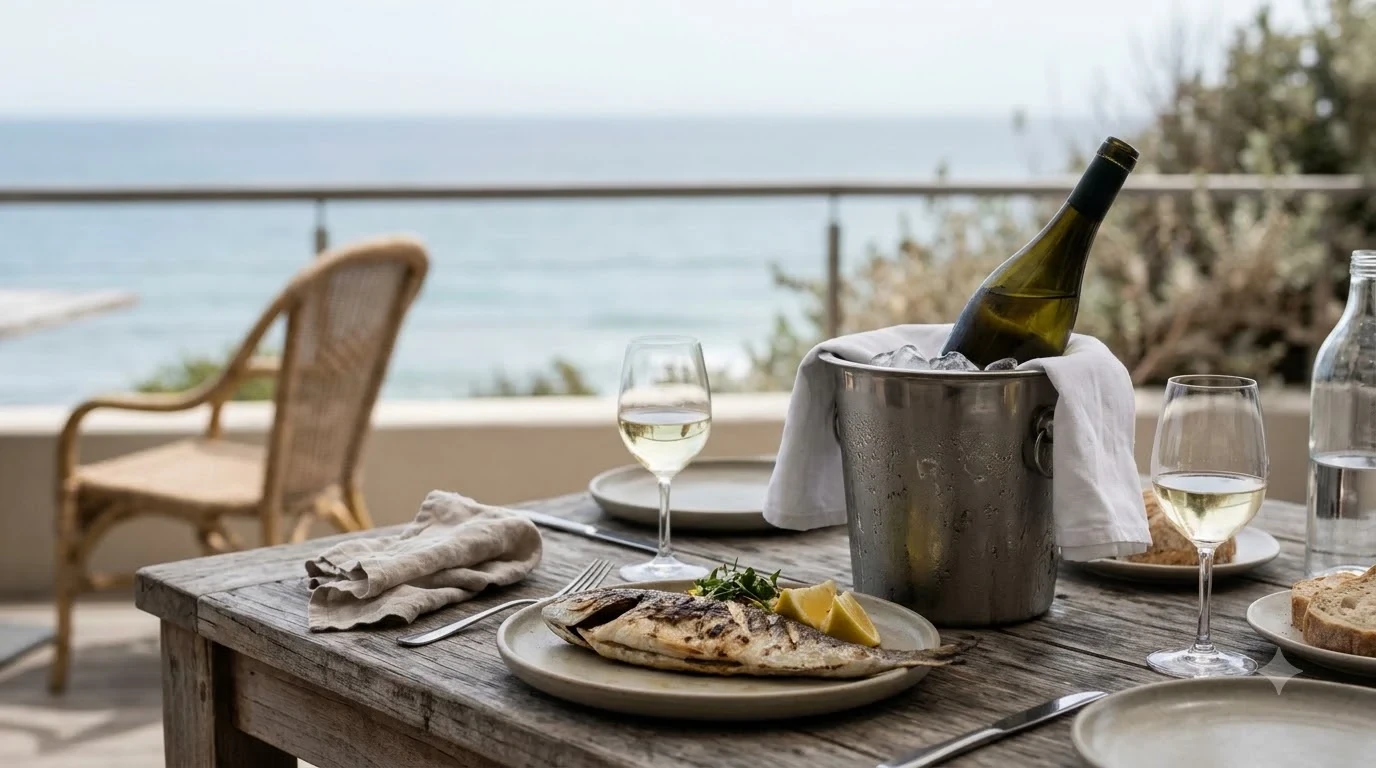
Tinto de verano pairs well with the kind of food that is often eaten outdoors in Spain during the warm months. Tapas such as olives, cured ham, cheese and fried fish are natural companions because the drink cuts through their richness. The lemon and the soda’s acidity also work with grilled seafood and with simple salads dressed with olive oil and vinegar.
For a broader menu, the drink fits well with a light dinner of grilled chicken or pork, a platter of roasted vegetables, or a chilled pasta salad. Since the drink is refreshing and only moderately strong, it suits a long afternoon better than a formal dinner course. For more ideas on drinks that match a meal, browse our wine recipes and cocktails guide.
Frequently Asked Questions
Is tinto de verano the same as sangria?
No. Sangria is typically made with wine, fruit, a sweetener and sometimes a spirit, and it is left to macerate. Tinto de verano is simply red wine mixed with a lemon-flavored soda and served over ice, with no fruit or added flavorings.
What kind of soda should I use?
A lemon-flavored soda is the traditional choice, and Spanish gaseosa brands are the closest match. If you cannot find one, a lemon-lime soda mixed with sparkling water is a good stand-in. Orange soda and bitter lemon are popular variations.
Can I make tinto de verano ahead of time?
You can chill the wine and soda in advance, but mix the drink just before serving. Once the soda is poured in, the bubbles begin to fade, and the drink tastes flatter the longer it sits.
Does tinto de verano need to be served with ice?
It is traditionally served over ice, which keeps the drink cold on a hot day. Chilling the wine and soda ahead lets you use fewer cubes, so the glass does not become too diluted as the ice melts.
A tinto de verano recipe rewards simple, careful choices: a dry, everyday red, a lemon-flavored soda, plenty of ice and a gentle pour. Start with the equal-parts base, then try orange soda or a splash of rum once you know how you like it. For another light, refreshing glass, see our Aperol spritz recipe or the Hugo spritz recipe, both easy to batch for a crowd.
More in Food & Wine Pairing
 Risotto With White Wine Recipe: Make a Creamy Dinner at HomeUpdated Nov 20, 2026
 Wassail With Wine Recipe for a Festive Spiced Holiday DrinkUpdated Nov 20, 2026
 Spritz Veneziano Recipe: Make a Classic Venetian Aperitivo at HomeUpdated Nov 20, 2026
 Summer Wine Punch Recipe for Easy Homemade EntertainingUpdated Nov 20, 2026
 Bishop Recipe: How to Make a Bright, Citrus-Forward Red Wine CocktailUpdated Nov 20, 2026
 Wine Cupcakes Recipe: Bake Rich Chocolate Cupcakes at HomeUpdated Nov 20, 2026