


We may earn a commission when you buy through links on this page, at no extra cost to you. Learn more.
What is sweet red wine? It is a red wine that still has a noticeable amount of natural grape sugar left in it, so it tastes fruitier, softer, and rounder than a dry red. The sugar is left behind when fermentation stops before all of it turns into alcohol, or when the winemaker holds back some sugar on purpose. Sweet red wine ranges from light, lively, slightly fizzy bottles to rich, dessert-style reds.
If you have ever seen a bottle labeled “sweet” next to a Cabernet or a Pinot Noir and wondered what the difference really is, this guide explains how sweetness is measured, why some red wines taste sweet, which styles you are most likely to find on a shelf, and how to serve and pair them well.
How Sweetness Is Measured in Red Wine
Winemakers and regulators describe sweetness by the amount of residual sugar, which means the glucose and fructose that remain after fermentation. The International Organisation of Vine and Wine (OIV) is the intergovernmental body whose definitions are most often cited for the main categories. According to the definition of sweet wine used by the OIV, a dry wine contains no more than 4 grams of sugar per liter, while a sweet wine contains at least 45 grams per liter.
Medium-dry and semi-sweet wines fall in between those two points. European table wine labels use similar cutoffs, so a red labeled “medium dry” has more sugar than most people expect from a red wine. Many everyday red wines are only slightly sweet, which is why a sweet red can be hard to spot on taste alone.
Why Some Red Wines Taste Sweet
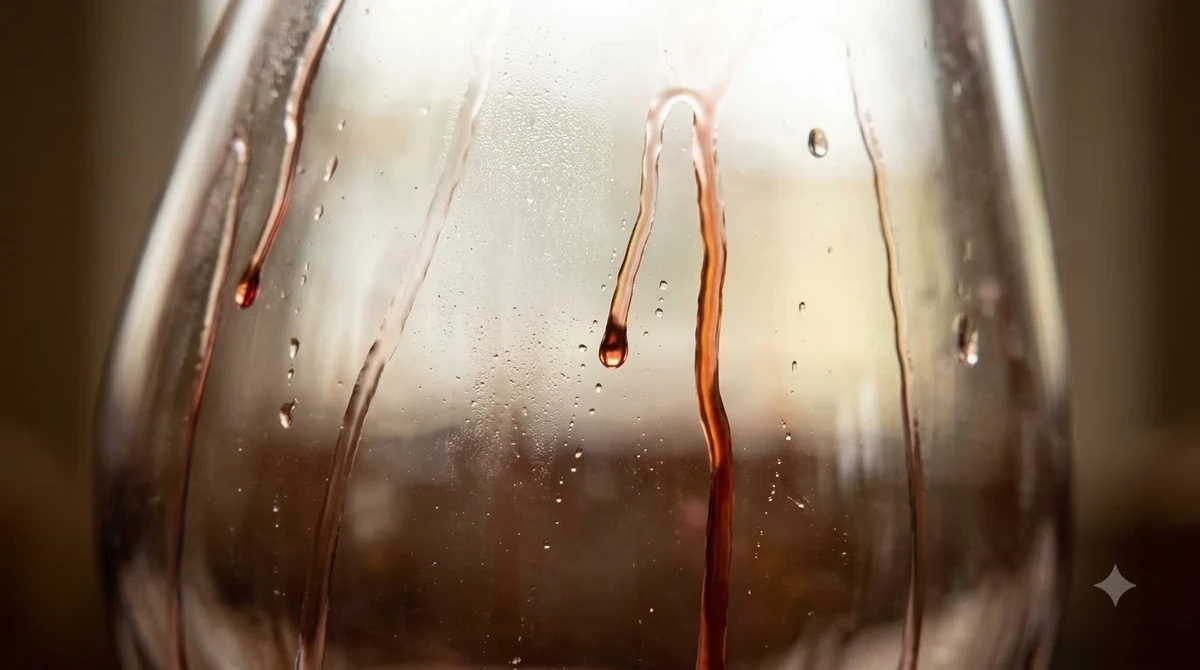
Sugar is only one part of the story. Red wine is made from dark grape skins, and the skins carry tannins, acids, and fruit flavors that can make a wine taste dry even when some sugar is present. A sweet red often balances its sugar with acidity, tannin, or both, which keeps it from tasting syrupy.
There are two common ways sweetness gets into a red. In the first, the winemaker stops fermentation early by cooling the tank or adding spirit, which leaves sugar in the finished wine. In the second, the wine is finished dry and then sweet grape juice is added back in, a step often called backsweetening. Both methods can produce a pleasant result, but the wine’s label or the producer’s tasting notes are the best guide to which one was used.
Sweet reds also get a boost from fruit. A dry red like cabernet sauvignon wine can show dark fruit with very little perceived sweetness, which is why grape variety and sugar level are two separate things to check. Ripe berries, cherries, plums, and jam-like flavors can all make a wine seem sweeter than its sugar content would suggest, so two bottles with the same sugar level can taste quite different.
Common Styles of Sweet Red Wine
Sweet red wine is not one single product. The style depends on the grape, the region, and how the wine was made, and the table below covers the groups you are most likely to find at a wine shop or restaurant.

| Style | Where it is commonly made | What to expect |
|---|---|---|
| Lambrusco | Northern Italy, Emilia-Romagna | Light, fizzy, bright red fruit, often served chilled |
| Port-style reds | Portugal, plus fortified styles made elsewhere | Rich, fortified, dark fruit, with a warming finish |
| Brachetto d’Acqui | Piedmont, Italy | Lightly sparkling, aromatic, strawberry and rose notes |
| Sweet blends and American reds | United States, including many Southern wineries | Fruit-forward and soft, often made from native or hybrid grapes |
Southern wineries in the United States often make sweet reds from the muscadine grape, a native variety with thick skins and a strong, fruity aroma. Those bottles can be friendly for people new to wine because the fruit flavor is easy to follow.
Tip: Check the back label for the words “sweet,” “semi-sweet,” or “dessert.” Many producers use these terms directly, which makes a bottle easier to choose.
How to Serve Sweet Red Wine
Glassware matters more than many people expect. A medium-sized glass with a slightly narrow bowl concentrates the fruit aromas, which helps a light sweet red smell as lively as it tastes. Fill the glass only partway so the aroma can collect near the rim.
Serving temperature changes how sweet a red tastes. A slightly chilled sweet red often feels brighter and more refreshing, while a fortified or dessert-style red usually shows its best when served a little cooler than room temperature rather than warm. Use a standard wine glass, pour a modest amount, and give the wine a few minutes to open up if it has a strong aroma.
Sweet reds do not need decanting in most cases. Save that step for bold, dry, tannic reds that benefit from air. For light sweet styles, the best approach is to open the bottle close to serving time so the fizz and fruit stay lively.
Food Pairing With Sweet Red Wine
The sugar in a sweet red helps it stand up to salty, spicy, and fatty foods. Charcuterie, sharp cheeses, and spicy barbecue are classic partners, because the sweetness softens salt and heat without overpowering the food.
Dessert is the other natural match. Chocolate, berry desserts, and fruit tarts work well with a sweet red, but avoid pairing very sweet wine with dishes that are sweeter than the wine itself, since that can make the wine taste thin.
How to Choose a Sweet Red Wine
Reading a label is a skill that improves with practice. Start with the producer’s name, the region, and the grape or blend, then look for the sweetness terms and the alcohol percentage. If the back label is vague, the producer’s website or the retailer’s tasting notes often describe the sugar level in plain language.
Start with the level of sweetness you enjoy. If you like fruit and softness, a semi-sweet Lambrusco or a light blend is a good first bottle. If you already know the sweet, fruity profile of moscato wine, you will recognize some of the same qualities here. If you want something richer and warming, a fortified red fits better. Look at the alcohol level on the label as well, because fortified styles are usually stronger than table wines.
It also helps to know that a sweet red is different from a sweet white. Sweet whites are often served colder and paired with lighter foods, while sweet reds usually work with richer dishes and dessert. If you are curious about other categories, the Wine by Type guide lays out the main families side by side.
Frequently Asked Questions
Is sweet red wine the same as dessert wine?
Not always. Dessert wine is usually very sweet and served with dessert, while a sweet red can be lighter and served with a meal or on its own. Some sweet reds, especially fortified ones, do fall into the dessert category.
What is the sweetest red wine?
Fortified red wines usually have the highest sugar levels among reds. Their sweetness depends on the style and producer, so check the label or the producer’s description for specifics.
Is sweet red wine good for beginners?
Many beginners find it easy to enjoy because the fruit flavors are clear and the tannins are often softer. A light, fizzy sweet red is a common starting point.
How can I tell if a red wine is sweet before I open it?
Look for words such as “sweet,” “semi-sweet,” or “dessert” on the label, and read the producer’s tasting notes. Lower alcohol and a fizzy or fruit-forward description often point to a sweeter red.
Sweet red wine also works well as a conversation starter at a casual gathering, because most guests can find something to like in its fruit and softness. Keep a light sweet red and a drier bottle on the table so people can compare the two.
Sweet red wine is a practical choice when you want fruit, softness, and an easy pour. Read the label for sweetness terms, serve it at a suitable temperature, and pair it with salty foods or dessert. Once you know the style you like, it is easy to compare other bottles with confidence.
More in Wine Types & Grapes
 Zinfandel Sugar Content: Dry Red vs. White Zinfandel GramsUpdated Nov 21, 2026
 Best Zinfandel Substitute Options for Sipping and CookingUpdated Nov 21, 2026
 Zweigelt Food Pairing: Best Dishes, Cheeses, and Serving TipsUpdated Nov 21, 2026
 Zinfandel Tannins Explained: How Structure Shapes Every BottleUpdated Nov 21, 2026
 Zinfandel Sweetness Level: Dry Red vs. Sweet White Zin ExplainedUpdated Nov 21, 2026
 Xinomavro Food Pairing: Best Dishes, Styles, and Serving TipsUpdated Nov 21, 2026