

We may earn a commission when you buy through links on this page, at no extra cost to you. Learn more.
Côtes du Rhône wine is a French appellation from the Rhône Valley, and most bottles are red blends built on Grenache, Syrah and Mourvèdre. Rosé and a smaller amount of white are also made under the same name. Because it sits at the regional level of the Rhône pyramid, it is one of the easiest ways to learn what the Rhône style tastes like.
This guide explains what Côtes du Rhône wine is, which grapes go into it, how the red, rosé and white styles differ, and how to serve and pair a bottle. It also covers what to look for on the label when you are choosing one.
What Côtes du Rhône wine is
Côtes du Rhône is an appellation, a legal name that tells you where the grapes were grown and how the wine must be made. The official Côtes du Rhône appellation site describes it as the regional level of the Rhône quality structure, with Côtes du Rhône Villages placed one step above it. That placement matters because the regional name covers the widest area and the widest range of quality.
Under this name, the wine can come from many communes across the valley. Producers blend several varieties, and the final wine usually reflects the mix that the winemaker chose each vintage. That is why two bottles with the same label can taste quite different.
The grapes behind the blend
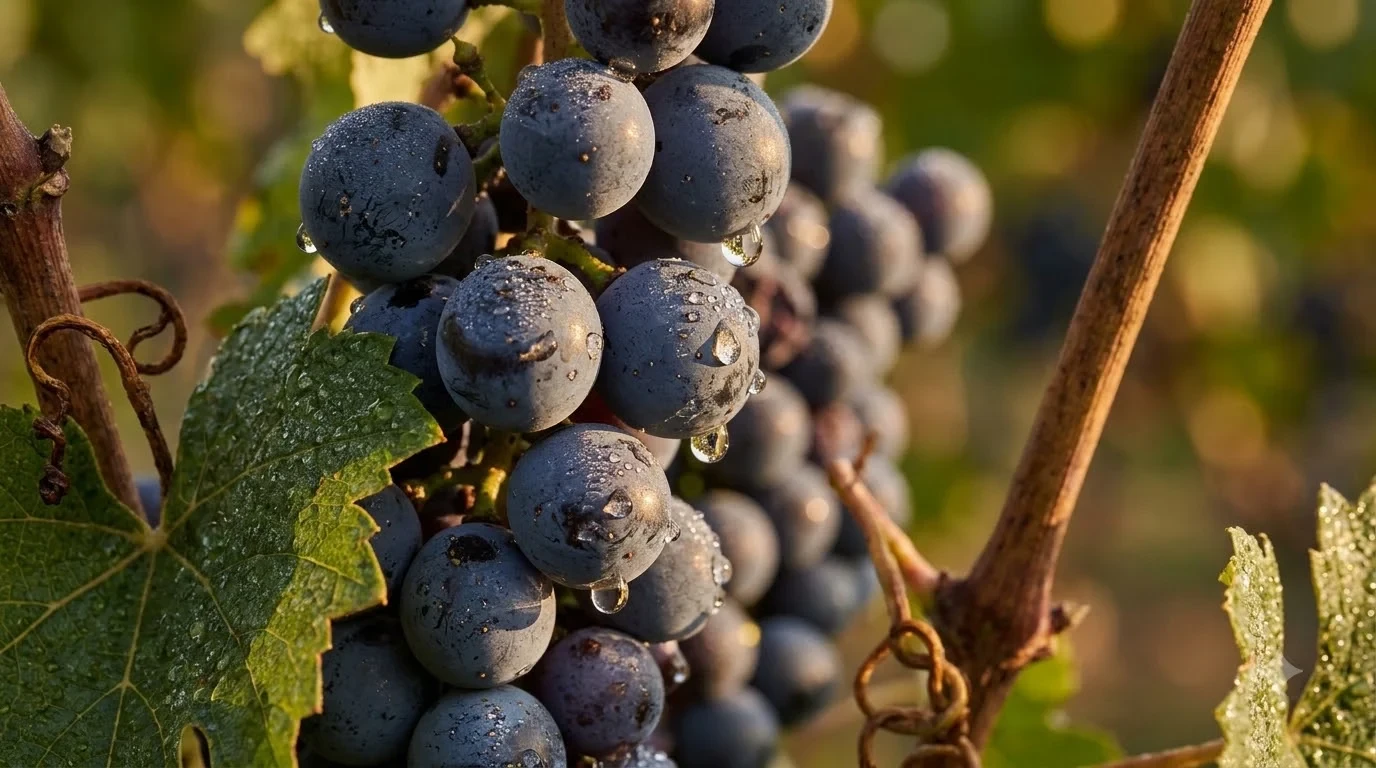
The grape list is long, but three varieties define the style. Grenache gives candied fruit, spice and body. Syrah brings dark fruit and a peppery edge. Mourvèdre adds structure and savory, earthy notes. Together they form the GSM blend that the Rhône is known for, and the proportions change from producer to producer.
Blending is the reason this appellation works so well as an introduction. A winemaker can raise the share of Syrah in a cooler year to add structure, or lean on Grenache in a warm vintage to keep the wine soft and round. Single-grape Syrah or Grenache bottles from the same valley show you the building blocks, and the blend shows you how they fit together. Trying both is one of the quickest ways to learn what each variety brings.
Other permitted varieties play supporting roles. Carignan, Cinsault and Bourboulenc appear in smaller amounts, and some producers add native whites in certain cuvées. The official appellation site notes that the blend draws on a broad palette of varieties rather than one single grape, which is why the wine tends to feel generous without being heavy.
| Style | Main grapes | What it tastes like |
|---|---|---|
| Red | Grenache, Syrah, Mourvèdre | Dark fruit, pepper, spice, medium to full body |
| Rosé | Mourvèdre, Grenache, Cinsault | Fresh red berries, a deeper color than many Provence rosés |
| White | Viognier, Grenache Blanc, Clairette, Roussanne | Peach, lemon, honey, bright acidity |
Red, rosé and white styles
Red wine is the core of the appellation. The official figures give reds about 86 percent of production, with rosé and white each around 7 percent. Most reds are medium to full bodied and balanced rather than tannic, which makes them easy to drink with a meal. Syrah contributes the dark fruit and pepper, and Grenache rounds it out with ripe, slightly sweet fruit.
Rosé is medium bodied and fresh. Because it is made mainly from Mourvèdre, Grenache and Cinsault, it has more color and body than many pale rosés from Provence. It works well for warm-weather drinking and tends to be less lean on the palate.
White Côtes du Rhône is a smaller category. The wines are usually blends of Viognier, Grenache Blanc, Clairette and Roussanne. They are medium bodied, with bright acidity, and they often show peach, lemon and honey notes. They are a good choice when you want a white with some texture but not the richness of an oaked Chardonnay.
Where it is made
The appellation covers 172 communes across six departments, so it is far larger than any single village. The official site describes Syrah as the dominant variety in the northern Rhône and Grenache and Mourvèdre as more common in the south. Côtes du Rhône takes in both halves of that divide, which explains why the style varies from one bottle to the next.
Because the zone is so varied, the producer name on the back label is often a better clue to style than the appellation alone. Estates that work in the cooler northern sites tend to show the peppery edge of Syrah, while southern producers usually lean toward riper fruit. Local tasting notes and producer descriptions help you check this before you buy.
How to serve and pair Côtes du Rhône
Serve the red slightly cooler than room temperature, since a little chill keeps the fruit lively and stops the alcohol from feeling hot. Rosé and white should be served cold but not icy. Medium-sized glasses let the aromas open without crowding the palate.
According to the VinePair guide to Côtes du Rhône, the wine’s ripe fruit and spice make it a natural partner for grilled red meat, roasted chicken and creamy mushroom pasta. The rosés suit oysters, light white fish and salads with bitter greens. The whites handle herb-crusted fish, grilled vegetables and fruit tarts, and they make an easy picnic wine. If you are comparing styles, it helps to start with a simple grilled dish before moving to richer food.
How to choose a bottle
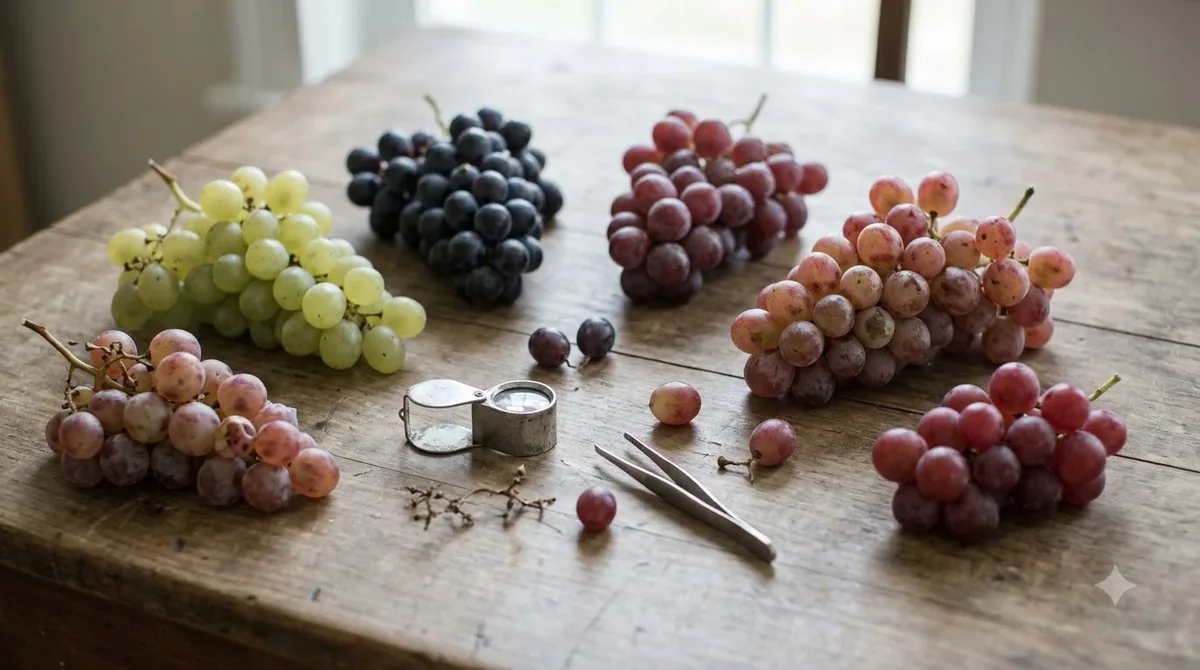
Start with the color that fits your meal. Reds are the most common and the best value for dinner. Rosé is a good summer choice, and white works when the dish is lighter. Then look at the producer, since a well-known estate usually gives a more consistent result than an anonymous label.
Pay attention to the vintage as well. Warm years tend to give riper, more generous reds, while cooler years can show more freshness and lift. Neither is better across the board, so decide which profile you want before you buy. Storage matters too: most Côtes du Rhône reds are made to be enjoyed within a few years of the vintage, so a recent bottle is usually the safer choice for everyday drinking.
Check whether the label says Côtes du Rhône or Côtes du Rhône Villages. The Villages designation sits one level higher and usually indicates a more concentrated wine from a defined group of communes. Both can be good. If you want to learn the style, a regional bottle is a practical first step, and you can move up once you know what you prefer.
Tip: If you are new to the Rhône, try a red and a rosé from the same producer side by side. The difference in body and fruit will show you how much the grape mix changes the wine.
Frequently Asked Questions
Is Côtes du Rhône wine red or white?
Mostly red. The official figures put reds at about 86 percent of production, with rosé and white each around 7 percent. The name covers all three colors, so check the label for the color you want.
What grapes are in a typical Côtes du Rhône?
Red blends are usually built on Grenache, Syrah and Mourvèdre. Rosé commonly uses Mourvèdre, Grenache and Cinsault, and white uses Viognier, Grenache Blanc, Clairette and Roussanne. The exact mix depends on the producer.
Is Côtes du Rhône the same as Côtes du Rhône Villages?
No. Côtes du Rhône Villages is a higher tier in the same regional system, and the official appellation body places it one level above the regional wine. Producers describe it as coming from a more defined group of communes, which is why many buyers see it as a step up in concentration.
How should I serve Côtes du Rhône red?
Serve it slightly cooler than room temperature and pour it into a medium glass. A short time in the fridge before pouring is usually enough to keep the fruit fresh.
Côtes du Rhône is a practical way into the Rhône style, with enough variety to keep exploring. Once you know which blend you like, compare a Villages wine from the same grapes. For a broader look at the grapes and styles, browse the Wine by Type guides, and if you prefer a single-variety red, start with cabernet sauvignon wine to see how a different structure feels.
More in Wine Types & Grapes
 Zinfandel Sugar Content: Dry Red vs. White Zinfandel GramsUpdated Nov 21, 2026
 Best Zinfandel Substitute Options for Sipping and CookingUpdated Nov 21, 2026
 Zweigelt Food Pairing: Best Dishes, Cheeses, and Serving TipsUpdated Nov 21, 2026
 Zinfandel Tannins Explained: How Structure Shapes Every BottleUpdated Nov 21, 2026
 Zinfandel Sweetness Level: Dry Red vs. Sweet White Zin ExplainedUpdated Nov 21, 2026
 Xinomavro Food Pairing: Best Dishes, Styles, and Serving TipsUpdated Nov 21, 2026