

We may earn a commission when you buy through links on this page, at no extra cost to you. Learn more.
Oregon wine is best known for Pinot Noir from the Willamette Valley, but the state also produces Pinot Gris, Chardonnay, Syrah and wines from several warmer valleys in the south. Winemaking here goes back to the 1800s, and the modern industry grew from a handful of pioneering vineyards in the 1960s and 1970s into one of the largest wine regions in the United States.
If you have ever picked up a bottle of Pinot Noir and wondered why so many people recommend wines from Oregon, you are asking the right question. The state’s wine country spans coastal mountains, river gorges and broad valley floors, and each area grows grapes in a different way. This guide walks through the history, the main regions, the grapes that matter most, and how to choose and serve an Oregon bottle. It also shows where Oregon fits next to the classic European regions many drinkers already know.
A Short History of Oregon Wine
Grapes were first planted in what was then the Oregon Territory in 1847, when a pioneer brought fruit plantings from Iowa. The first recorded winery, Valley View, opened in Jacksonville in 1852. Those early efforts did not lead to a lasting industry, and Prohibition halted production before the state’s wine scene could take hold.
The turning point came in the 1960s and 1970s. By 1970 there were five commercial wineries in the state. In 1979, The Eyrie Vineyards’ 1975 Pinot Noir earned Oregon its first international recognition, and the state’s reputation for Pinot Noir has grown from there. David Lett of The Eyrie Vineyards is widely regarded as the father of Oregon Pinot Noir. The International Pinot Noir Celebration, held every year since 1987, is a reminder of how central the grape remains to the state’s identity.
The industry also had to recover from phylloxera, the root-feeding pest that devastated European vineyards in the nineteenth century and reached Oregon in the early 1990s. Growers responded by replanting on resistant rootstocks, a change that still shapes how vineyards are planted today.
The Main Oregon Wine Regions
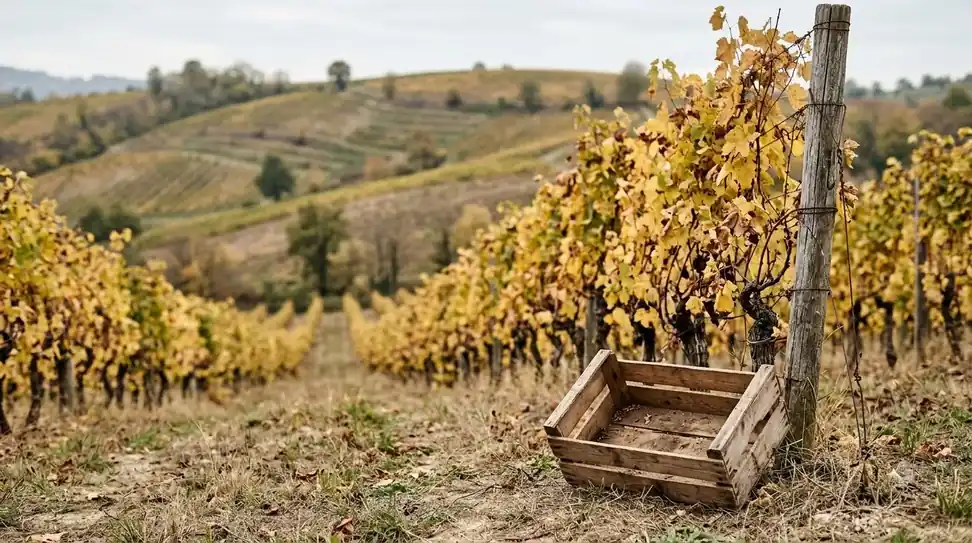
Oregon’s wine regions are organized into American Viticultural Areas (AVAs), and the Willamette Valley is by far the most important. It is the state’s largest appellation and holds most of Oregon’s wineries. The valley’s cool, wet winters and long, dry autumns allow Pinot Noir to ripen slowly and keep its natural acidity, which is one reason the region’s wines are so widely admired.
South of the Willamette, the Southern Oregon AVA was formed in 2004 by combining the Rogue Valley and Umpqua Valley AVAs. These warmer valleys tend to produce riper reds and a wider range of styles than the Willamette. Farther east, the Columbia Gorge AVA straddles the Columbia River and crosses into Washington, while the Walla Walla Valley AVA extends into Oregon around Milton-Freewater.
The Oregon Wine Board describes the state as a diverse region, with landscapes that run from coastal mountains to valley slopes to river gorges. That variety is why a single bottle from Oregon can taste so different from the next, even when both are labeled with the same grape.
| Region | General character | Typical styles |
|---|---|---|
| Willamette Valley | Cool, wet winters and dry autumns; the state’s largest AVA | Pinot Noir, Pinot Gris, Chardonnay |
| Southern Oregon (Rogue and Umpqua) | Warmer valleys with more sun | Riper reds and a wider range of styles |
| Columbia Gorge | Straddles the Columbia River | Cool-climate whites and reds |
| Walla Walla Valley (Oregon edge) | Extends from Washington into Milton-Freewater | Warm-climate reds |
Tip: If you see Willamette Valley on the label, the wine is from the region that produces most of the state’s Pinot Noir. Check whether a bottle says “Oregon” alone, because that wording allows grapes from anywhere in the state.
The Grapes That Define Oregon
Pinot Noir is the state’s signature grape by a wide margin. According to 2022 season figures, about 24,729 acres of Pinot Noir were in the ground, far more than any other variety. Pinot Gris was second, with about 5,546 acres, and it often appears as a crisp, fruit-forward white.
Chardonnay, Syrah and Cabernet Sauvignon are also grown, but in much smaller amounts, with Chardonnay at about 2,518 acres, Syrah at about 1,679 and Cabernet Sauvignon at about 1,557 in the same season. Syrah and Cabernet Sauvignon are more often found in the warmer southern valleys. If you are exploring beyond Pinot Noir, these grapes give you a useful next step.
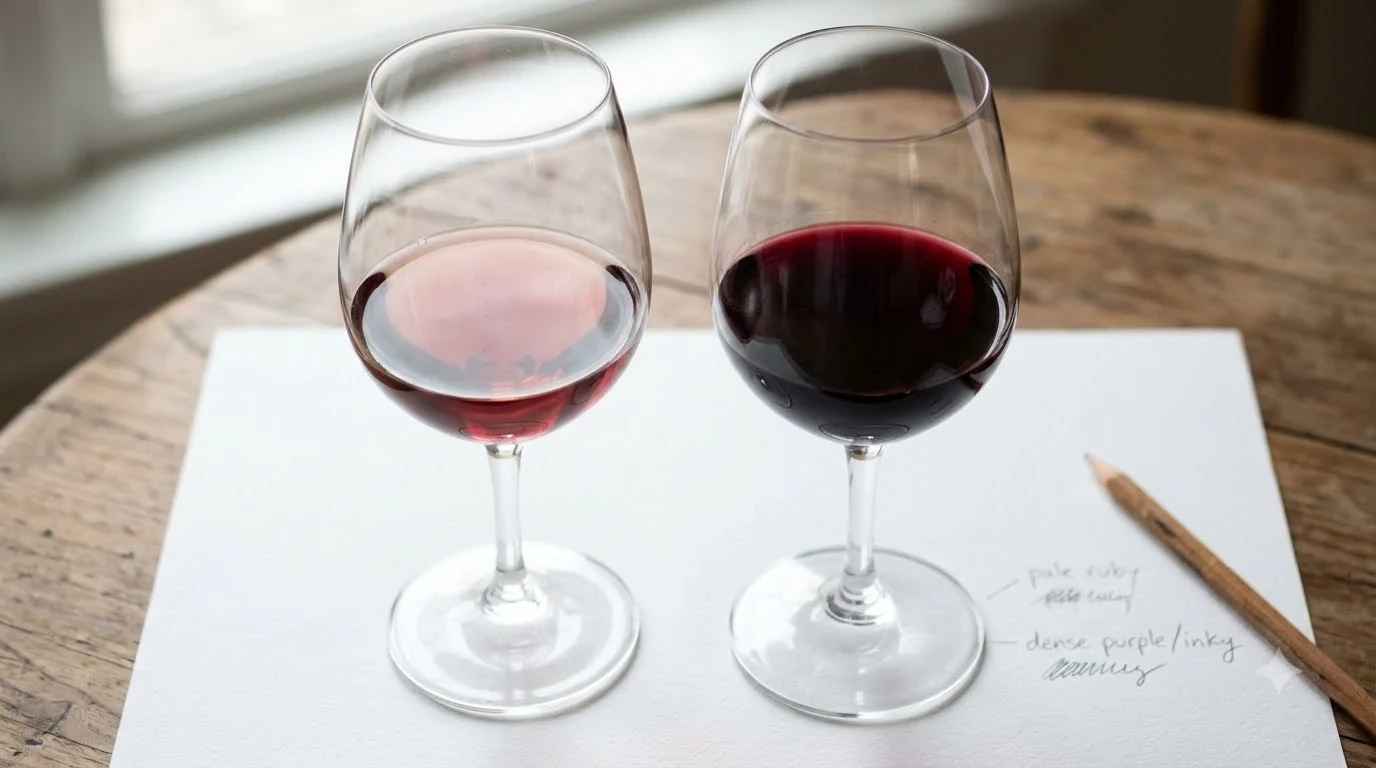
Pinot Noir from Oregon tends to show red cherry, cranberry and earthy notes, with a silky texture and bright acidity. The style can vary from a light, elegant bottle to a richer, more structured one, depending on the vineyard and the winemaker’s choices.
How to Serve and Pair Oregon Wine
Pinot Noir is a versatile food wine. Its acidity and moderate tannins make it a good match for salmon, roast chicken, mushroom dishes and many vegetarian meals. Oregon’s Pinot Gris and Chardonnay work well with lighter fare such as seafood, salads and creamy pasta. Because the state’s whites are often crisp, they also pair with fresh, herbal flavors.
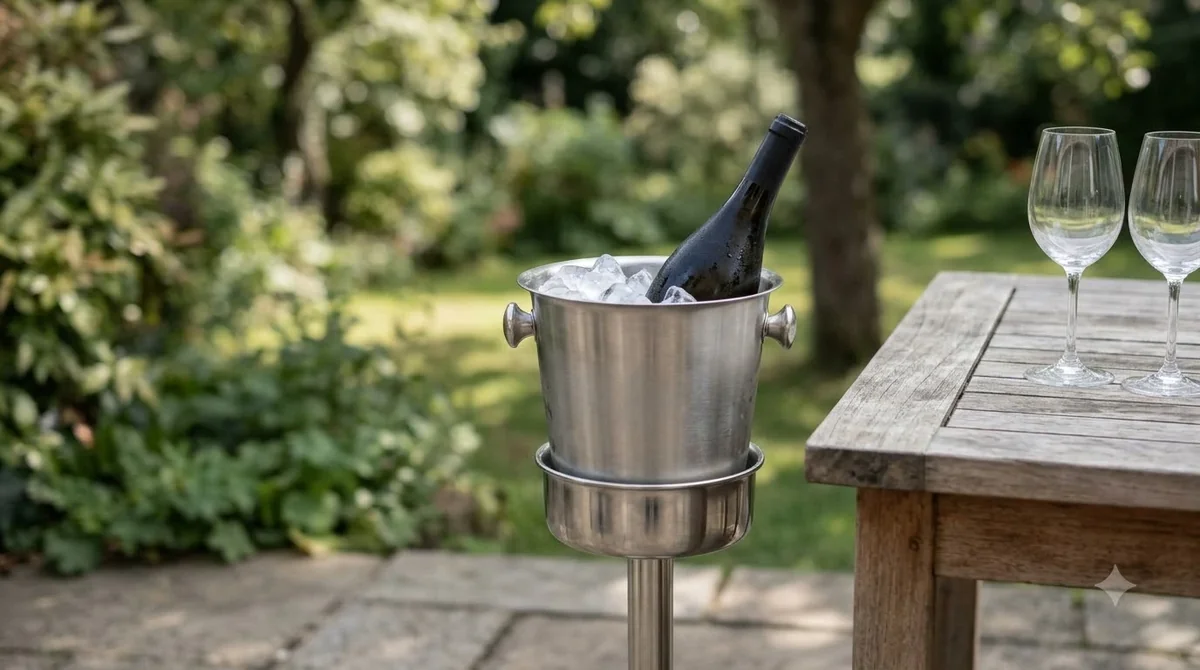
Serve red Pinot Noir slightly cooler than room temperature, and give it a few minutes in the glass to open up. A white Pinot Gris is best well chilled but not ice cold, which keeps its aroma from being muted. Using a wide-bowled glass for Pinot Noir will show its fragrance more clearly than a narrow flute.
Oregon’s warm, sunny southern valleys often produce bolder reds that suit grilled meats and hearty stews. If you find a Syrah from the Rogue Valley, consider pairing it with barbecue or roasted vegetables, which bring out its ripe fruit and spice.
Choosing an Oregon Bottle
Start with the style you already like. If you enjoy lighter, more delicate reds from Burgundy or the Loire, look for a Willamette Valley Pinot Noir and compare it with a wine from a region such as Sancerre wineries for a cool-climate contrast. If you prefer bigger, fuller reds, a Southern Oregon bottle may suit you better, and Bordeaux wine offers a useful comparison for structure and tannin.
Labels can also help. Many Oregon wines name the AVA, the vineyard or the grape, and some name the vintage and winemaker. Read the back label or the winery’s website for a short tasting note, which usually tells you whether the wine is dry, fruit-forward or earthy. If you are buying for a gift, a Willamette Valley Pinot Noir is a safe choice that most drinkers will recognize.
Buying at the winery can also give you access to small-production bottles that do not reach the wider market. Tasting rooms in Oregon often welcome guests for both indoor and outdoor tastings, and visitors who plan ahead can enjoy a relaxed day in the vineyards.
Frequently Asked Questions
Why is Oregon known for Pinot Noir?
The Willamette Valley’s cool climate lets Pinot Noir ripen slowly while keeping its acidity. The region’s early success, including the 1975 Pinot Noir from The Eyrie Vineyards that drew international attention in 1979, helped build its reputation.
How many wineries are in Oregon?
According to 2022 season figures, the state had 1,116 wineries, and 612 of them crushed grapes. Most are concentrated in the Willamette Valley.
Is Oregon wine more expensive than wine from other states?
Prices vary widely, from everyday bottles to small-production wines from well-known vineyards. Many Oregon Pinot Noirs sit in the mid-range, but the best approach is to compare bottles by style and the vineyard named on the label.
What is the best Oregon wine to start with?
A Willamette Valley Pinot Noir is a good first choice because it shows the region’s character clearly. If you prefer whites, a Pinot Gris is an easy-drinking option that pairs well with many everyday meals.
Oregon wine rewards curiosity. Start with a Willamette Valley Pinot Noir, then try a Pinot Gris or a Southern Oregon red to see how the state’s regions differ. For more on how climate and soil shape wine around the world, read our guide to wine regions. You can also explore the Oregon wine industry directly through the Oregon Wine Board, which publishes regional information and tourism resources.
More in Wine Regions
 Willcox Wine Trail: Discover Arizona’s High-Elevation Wine CountryUpdated Nov 20, 2026
 Yakima Valley Wine Region: Find the Best Styles to TryUpdated Nov 20, 2026
 Vosne Romanee Wine Tasting: Identify Aromas and Choose Better PairingsUpdated Nov 20, 2026
 Yakima Valley Wine Festival: Find the Best Seasonal Wine EventsUpdated Nov 20, 2026
 Wales Vineyards: Discover Cool-Climate Wines and Where to VisitUpdated Nov 20, 2026
 Yountville Wine Festival: Discover Napa Wines and Local FoodUpdated Nov 20, 2026