


We may earn a commission when you buy through links on this page, at no extra cost to you. Learn more.
Penfolds wine is made by Penfolds, one of Australia’s most famous wine houses, which has been making wine since 1844 and is best known for Penfolds Grange, a Shiraz first made in 1951. The range runs from everyday bottles to rare, long-lived reds, and it spans several ranges that cover the Australian market and regions in other countries. Penfolds is owned by Treasury Wine Estates, and its name is closely tied to the history of Australian red wine.
Penfolds can seem like a large and confusing name, because the label appears on many different bottles across a wide price range. This guide explains where the house came from, why Grange became a landmark, how the wider Penfolds collection is organized, and how to choose a bottle that suits your table. For a broader look at how wine brands differ in style and history, the wine brands guide is a useful companion.
Where Penfolds Came From
According to the house’s own history, Penfolds has been making wine since 1844, which places it among the oldest continuing wine producers in Australia. Over the decades the company built a reputation for careful winemaking and for experimenting with style, and that spirit of testing new ideas is part of why the brand still draws attention from collectors and everyday drinkers alike.
The wider Penfolds story is bound up with Max Schubert, who joined the company as a messenger boy in 1931 and became Chief Winemaker by 1948. His career at the house shaped many of the techniques and ideas that followed, and his work on Grange is the reason the name is so widely known today.
The Story of Penfolds Grange
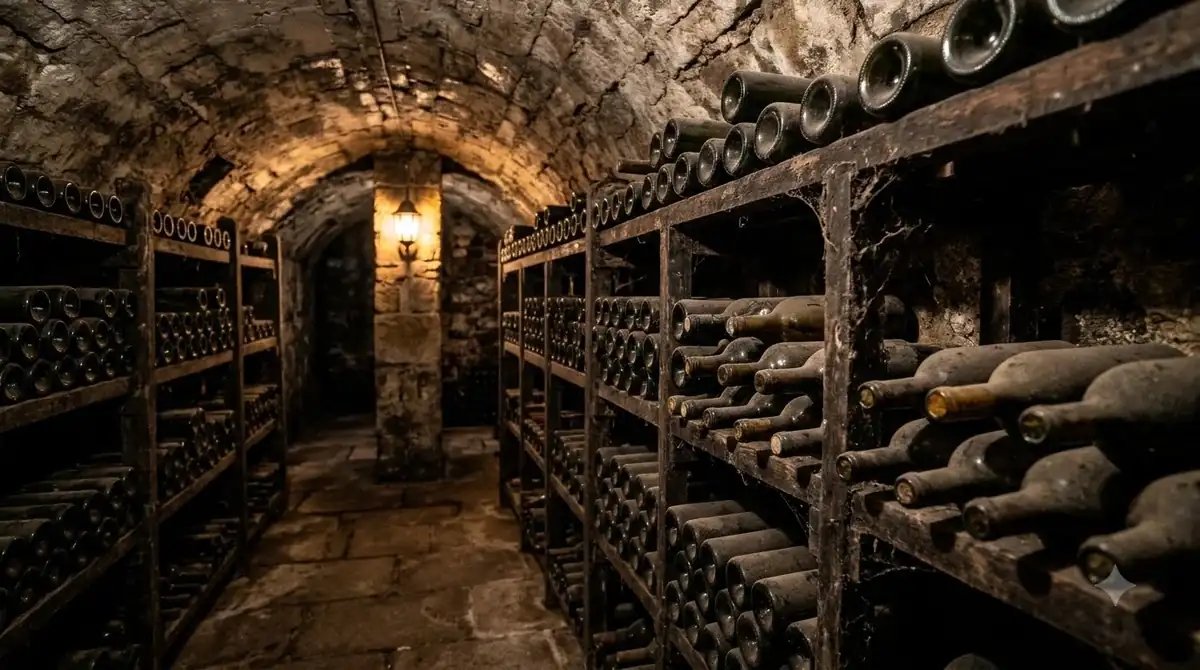
According to the company’s story of Grange, Schubert was inspired after a trip to Europe in 1950, where he studied Bordeaux cellars. He set out to make a wine in Australia that was capable of staying alive for a minimum of twenty years, which was a bold goal for a country where most reds were drunk young. The first experimental Grange was made in 1951 from Shiraz grown at the Magill Estate and at Morphett Vale, and the wine took its name from the Penfold family home, Grange Cottage.
The early years were difficult. Senior management criticised the wine and ordered the project to stop. Schubert kept making three vintages in secret in the Magill cellars from 1957 to 1959, a decision that later became one of the most celebrated stories in Australian wine. A second tasting in 1960, when the earlier vintages had matured, changed the company’s view, and the wine began to build the reputation it holds today.
Since then the wine has collected a long list of honors. The 1990 vintage was named Wine Spectator’s Red Wine of the Year in 1995, and Grange has earned more than 35 perfect scores from critics. It was listed as a South Australian heritage icon in 2001, and the company says there has been an unbroken line of vintages since 1951.
| Milestone | Year | What happened |
|---|---|---|
| First experimental Grange | 1951 | Shiraz from Magill Estate and Morphett Vale |
| Secret production | 1957 to 1959 | Three vintages made in secret in the Magill cellars |
| Second tasting and return | 1960 | Matured vintages win support, production restarts |
| Wine Spectator recognition | 1995 | The 1990 vintage named Red Wine of the Year |
| Heritage listing | 2001 | Listed as a South Australian heritage icon |
Tip: Grange is a wine that rewards patience. Check the vintage and the producer’s notes before you buy, because the style and maturity of a bottle can differ widely from one year to the next.
How Grange Is Made and What It Tastes Like
Grange is made from fully ripe, intensely flavored Shiraz, which is the grape Australians know as Syrah in France. The wine undergoes partial barrel fermentation and then spends 18 to 20 months in American oak. Further time in the bottle softens the tannins and builds complexity, which is why older bottles often taste rounder and more layered than younger ones.
The result is a powerful red with dark fruit, spice and a firm structure. Because it is designed to age, it can feel closed and dense when young, and many collectors wait years before opening a bottle. Grange has also been an important reference point for the style of rich, structured Australian Shiraz, and its influence can be seen across the country’s wine regions.
The Wider Penfolds Range
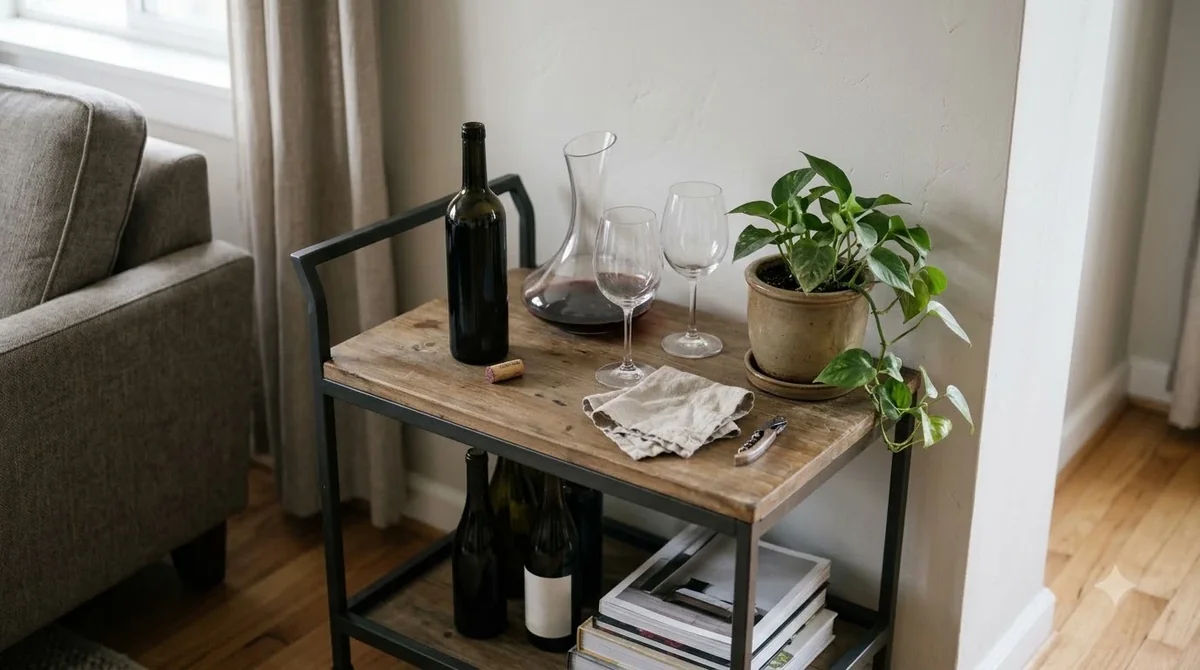
Penfolds makes far more than Grange. The company’s website lists several ranges, including the Penfolds Collection, ONE by Penfolds, Max’s, Koonunga Hill, Cellar Reserve and a series of Limited Editions. Each range has its own role, from approachable everyday bottles to small-batch wines made for collectors.
Penfolds also runs regional ranges from Australia, China, France and the United States, so the name can cover wines that taste very different depending on where they were made. When you see a Penfolds label, check the range name and the region on the back label to understand what you are buying. Those details tell you more about the style than the brand name alone.
How to Serve and Pair Penfolds Wine
Red wines in the Penfolds range are generally best served at a comfortable cellar temperature, not warm from a sunny room. A large glass gives the aromas space to develop, and a short rest after opening helps a young, firm red show more of its fruit and spice.
Grange and the richer reds in the collection pair well with grilled or roasted beef, lamb with rosemary, and aged hard cheeses. Lighter bottles from the wider range suit roast chicken, pork and tomato-based pasta. For guests who prefer a lighter option, the company’s regional wines can serve as a good middle ground.
How to Choose a Penfolds Bottle
Start with your budget for the occasion and your taste. If you want an everyday red that is easy to drink, look at the approachable ranges and the regional wines. If you are buying for a collection or a special dinner, look at the flagship wines and their vintages, and read the producer notes to understand the expected drinking window.
Think about the food as well. A powerful red like Grange needs equally substantial food, while a lighter Penfolds wine can fit a simple weeknight dinner. The label and the producer’s description are the most reliable guides, and the range names make it easier to compare bottles across the lineup.
If you enjoy a casual, easy-drinking red or pink wine as an alternative, the Barefoot wine guide shows how a mass-market brand compares with a heritage name like Penfolds.
Who Penfolds Suits
Penfolds suits drinkers who enjoy structured Australian reds and want a wine with a clear story behind the label. It is a strong choice for collectors who appreciate ageing potential and for anyone curious about how Australian Shiraz developed. Drinkers who prefer light, low-tannin wines for everyday drinking may find the flagship reds too powerful, and they may do better with a lighter range from the same house.
Frequently Asked Questions
What is Penfolds Grange?
Penfolds Grange is a flagship Australian red made mainly from Shiraz, with the first experimental vintage in 1951. It is aged in American oak and is designed to develop complexity with bottle age.
Who makes Penfolds wine?
Penfolds is an Australian wine house that has been making wine since 1844. Treasury Wine Estates owns the brand, and Max Schubert is the winemaker most closely linked to Grange.
What grape is used in Penfolds Grange?
Grange is made predominantly from Shiraz, which is called Syrah in France. The wine is fully ripe and intensely flavored.
Does Penfolds only make expensive wines?
No. The company offers a wide range of wines, including approachable everyday options alongside the rare flagship reds. The range name and region on the label show where a bottle fits.
Penfolds is a house worth exploring for anyone interested in Australian red wine. Start with a bottle from the range that matches your occasion, read the vintage and region on the label, and if you want the full story, explore the history of Grange on the company’s own site.
More in Wine Brands
 Underwood Wine Price: Compare Bottles, Cans, and Pack SizesUpdated Nov 21, 2026
 Zenato Wine Price: Compare Styles and Choose the Right BottleUpdated Nov 21, 2026
 Zuccardi Wine Price: Compare Bottles and Find the Right RangeUpdated Nov 21, 2026
 Yellow Tail Moscato Review: Taste, Sweetness and Serving TipsUpdated Nov 21, 2026
 Wolf Blass Yellow Label Review: Choose Your Best StyleUpdated Nov 21, 2026
 Wolffer Estate Rose Review: Choose the Right Bottle for Your TableUpdated Nov 21, 2026