

We may earn a commission when you buy through links on this page, at no extra cost to you. Learn more.
Silver Oak wine is a California Cabernet Sauvignon from a family-owned winery that has made only that grape since 1972. The brand runs two production sites, one in Oakville in Napa Valley and one in Healdsburg in Alexander Valley, and it is known for ripe dark fruit, cedar and vanilla notes from American oak, and a smooth, approachable finish. Most people searching for Silver Oak wine want to know what the label stands for, how the two regional bottles differ, and how to serve them.
This guide explains how the winery got started, what separates its Napa and Alexander Valley bottlings, how the wines are aged, and how to decide which one fits your table. It also covers serving temperature, food pairings, and a few common questions about buying and storing Silver Oak.
Where Silver Oak Comes From
Silver Oak was founded in 1972 by Ray Duncan and winemaker Justin Meyer. According to the company’s own history page, the first vintage was produced that year in a dairy barn, using grapes from Alexander Valley vineyards. The founders set out to make a single-varietal Cabernet with no blending partners, and that idea still shapes the portfolio today.
Ownership changed over the decades. Meyer sold his share to the Duncan family in 2001, and the family has run the company since then. The winery later added a second site and rebuilt its Oakville facility after a flood and fire in 2006, with the new building completed in 2008.
Napa Valley and Alexander Valley: What Changes
The biggest question for shoppers is which regional bottle to buy. Both are Cabernet Sauvignon, but the growing region shapes their character in different ways.
Napa Valley bottlings lean toward a more structured, polished profile, with firm tannins and dark berry flavors. Alexander Valley bottlings tend to show softer fruit, a rounder mouthfeel and a slightly more generous, open style. The winery’s Alexander Valley vineyard, called Miraval, has been central to that second bottling since the 1980s.
| Feature | Napa Valley Cabernet | Alexander Valley Cabernet |
|---|---|---|
| Typical profile | Firm structure, dark berry, polished finish | Softer fruit, rounder texture, open style |
| Oak treatment | New American oak barrels | New and once-used American oak barrels |
| Bottle aging before release | About 20 months | About 14 additional months |
| Good for | Rich roasts, long-aged cellar bottles | Weeknight dinners, burgers, pasta with red sauce |
How Silver Oak Is Aged
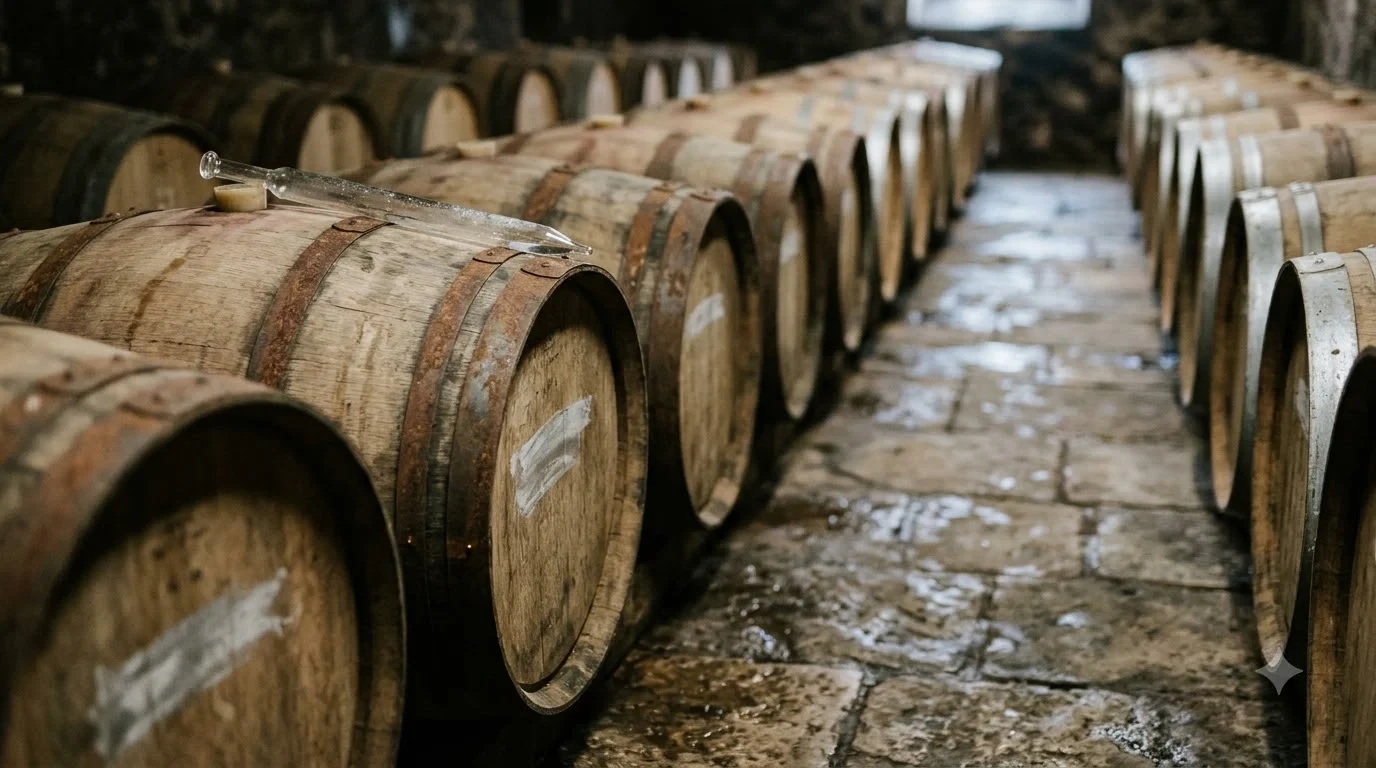
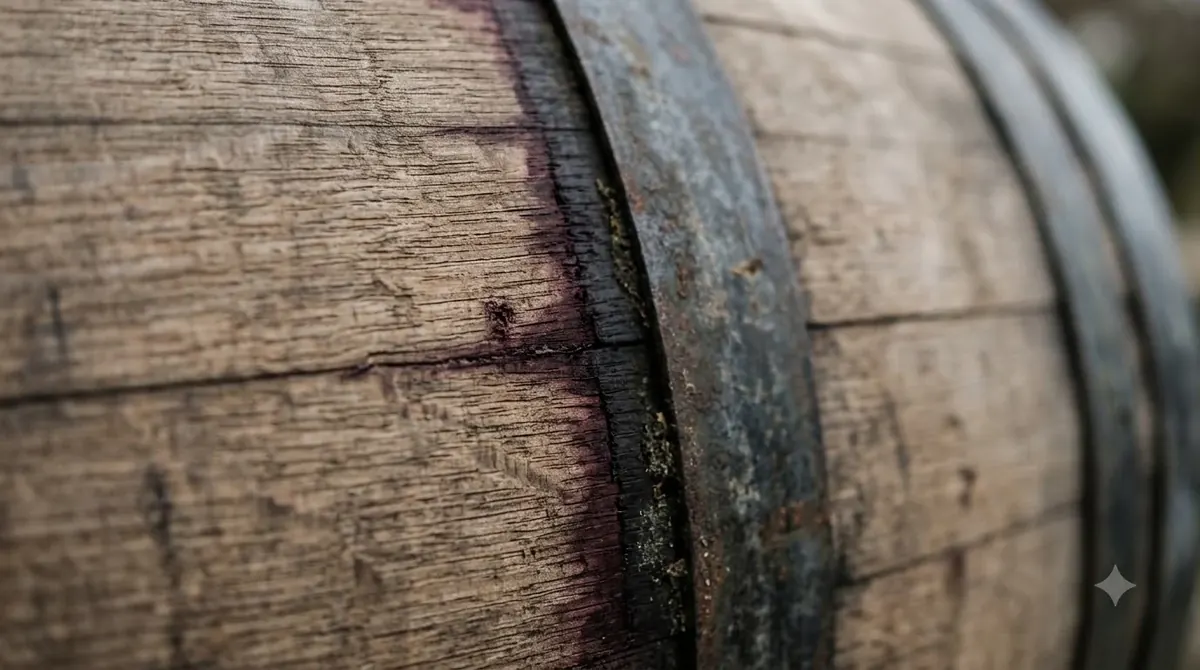
Aging is the signature of the brand. Silver Oak uses American oak exclusively, and the winery has said that American oak gives less wood tannin than French oak, which helps the wine feel smooth early on. The Napa bottling is aged in new barrels, while the Alexander Valley bottling mixes new and once-used barrels. The difference in barrel age changes how much oak flavor reaches the glass, since newer wood adds more toast and spice.
The company also controls much of its own barrel supply. It partnered with a cooperage in 2000 and later bought the business, which gives the winery steady access to the wood it needs for both bottlings.
After barrel aging, the wines rest in bottle before release. The company’s history page describes roughly 20 months in bottle for the Napa bottling and an additional 14 months for Alexander Valley, though published timelines can differ by vintage. Those years of rest are a big reason the wines taste balanced when they reach the shelf.
How to Serve Silver Oak Wine
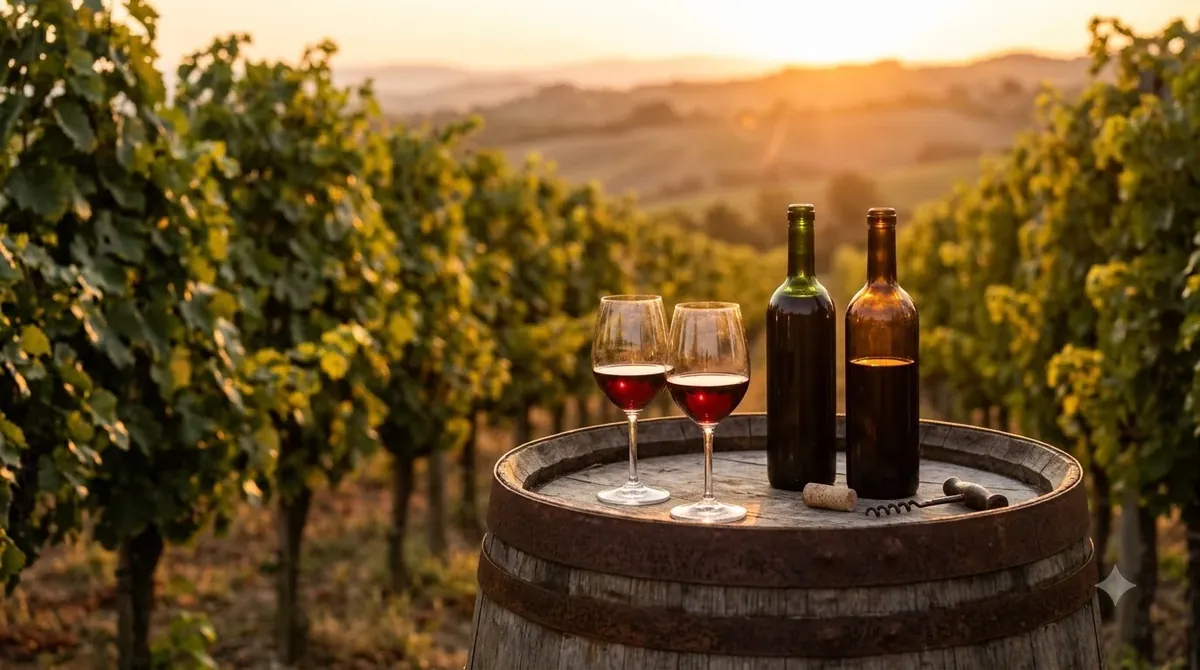
Cabernet Sauvignon shows its best when it is served a little below room temperature. Most wine educators suggest serving red Cabernet between about 60 and 65 degrees Fahrenheit, which means taking the bottle out of a warm kitchen about fifteen minutes before pouring.
Glassware matters more than many people expect. A wide, tulip-shaped bowl concentrates the aromas near the rim, and a stem keeps the wine from warming in your hand. If you only own one set of glasses, choose a mid-size bowl that leaves room to swirl without spilling.
Because the wines are structured, a large red-wine glass with a wide bowl helps the aromas open. Decanting a young bottle for thirty to sixty minutes can soften the tannins, especially with a Napa bottling from a recent vintage. Older bottles are better poured straight in, since they can throw off sediment.
Tip: If you are unsure which bottling to open, match the wine to the meal. A rich, fatty cut of beef suits the firmer Napa style, while a simpler dinner can show off the softer Alexander Valley fruit.
Food Pairings That Work
Cabernet Sauvignon is a classic partner for red meat, and Silver Oak is no exception. Grilled steak, lamb chops, and braised short ribs all match the wine’s tannin and dark fruit. Hard aged cheeses such as cheddar or aged Gouda also work well, since their fat softens the tannins.
Cheese boards are a practical choice for a relaxed evening. Pair the wine with walnuts, dark chocolate, and a firm sheep’s milk cheese, and the tannins will feel less drying while the fruit stays in focus. Richer desserts can overpower a Cabernet, so a small square of dark chocolate usually works better than a sweet cake.
Lighter options can suit the Alexander Valley bottling. Mushroom pasta, roasted chicken with herbs, and a burger with caramelized onions all bring out the wine’s round fruit without overwhelming it.
Who Silver Oak Suits, and Who Might Skip It
Silver Oak is a good match for drinkers who like a Cabernet that tastes familiar and easy to approach. Its fruit is generous, its oak is noticeable without being harsh, and the texture is consistent from one year to the next. That reliability is why many people buy it for dinner parties and gifts.
Drinkers who want a lean, austere, or very dry Cabernet may find the style too round. Wine lovers who enjoy experimenting with small-production bottles or cool-climate reds might also prefer to spend their money elsewhere. Neither group is wrong; it simply comes down to taste.
Anyone shopping for a gift should note that the brand is widely available, and many shops keep both regional bottlings in stock. Checking the vintage on the label matters more than the price, because a recent release and an older bottle taste quite different.
Frequently Asked Questions
Is Silver Oak wine always Cabernet Sauvignon?
Yes. The winery has focused on Cabernet Sauvignon since it was founded, and its core releases are single-varietal Cabernets from Napa Valley and Alexander Valley.
What is the difference between the Napa and Alexander Valley bottles?
The Napa bottling is usually more structured and firm, while the Alexander Valley bottling tends to be softer and rounder. The aging programs also differ, with the Napa wine using only new American oak.
Does Silver Oak wine need to be decanted?
A young bottle often benefits from thirty to sixty minutes of decanting to soften its tannins. Older bottles with sediment should be poured carefully without decanting, or decanted slowly with a light touch.
How should I store an unopened bottle?
Keep it on its side in a cool, dark place with steady temperature and humidity. Avoid kitchen cabinets near the stove or a sunny window, since heat and light can age the wine too quickly.
If you want the full range of Silver Oak releases, the winery’s own history page is a good place to start, and the company’s background is laid out clearly on the Silver Oak history page. For a closer look at the grape itself and how this label fits among similar bottles, read our Silver Oak Cabernet guide. To compare Silver Oak with other well-known names, browse the Wine Brands section, which covers labels such as Barefoot wine and La Marca Prosecco for a lighter, sparkling change of pace.
More in Wine Brands
 Underwood Wine Price: Compare Bottles, Cans, and Pack SizesUpdated Nov 21, 2026
 Zenato Wine Price: Compare Styles and Choose the Right BottleUpdated Nov 21, 2026
 Zuccardi Wine Price: Compare Bottles and Find the Right RangeUpdated Nov 21, 2026
 Yellow Tail Moscato Review: Taste, Sweetness and Serving TipsUpdated Nov 21, 2026
 Wolf Blass Yellow Label Review: Choose Your Best StyleUpdated Nov 21, 2026
 Wolffer Estate Rose Review: Choose the Right Bottle for Your TableUpdated Nov 21, 2026