

We may earn a commission when you buy through links on this page, at no extra cost to you. Learn more.
Winking Owl wine is a private-label brand sold at Aldi, and it is produced by E. & J. Gallo Winery in California. Because the brand is available only through one retail chain, it is often discussed as a budget-friendly option for everyday drinking rather than a collectible label. The range includes familiar styles such as White Zinfandel, Chardonnay, Shiraz and Cabernet Sauvignon. This guide explains where the wine comes from, what kinds of bottles to expect, and how to choose and serve them.
Many shoppers see the Winking Owl name on a shelf and wonder who makes it, what it tastes like and whether it is worth trying. Private-label wines follow a different path from wines sold under a winery’s own name, so it helps to understand how the brand is positioned before you buy. The sections below cover the background, the styles, and practical tips for getting the most from the bottle.
Who Makes Winking Owl Wine
Winking Owl is an own-label brand for Aldi, the discount grocery chain. Retailers that sell private-label wine usually work with a large producer that can supply consistent wine at scale, and in this case that producer is E. & J. Gallo Winery. Gallo is based in Modesto, California, and runs several wineries across the state and in other parts of the country. Its size lets it keep a steady style across many bottles, which is useful for a brand that depends on repeat purchases.
Because the brand is produced by a large company, it does not have a single estate or family story to tell in the way a boutique winery might. Instead, the appeal comes from consistency, approachable flavors and a price point that suits everyday meals. Shoppers who value a known house style and an easy purchase often find that enough.
The Styles in the Range
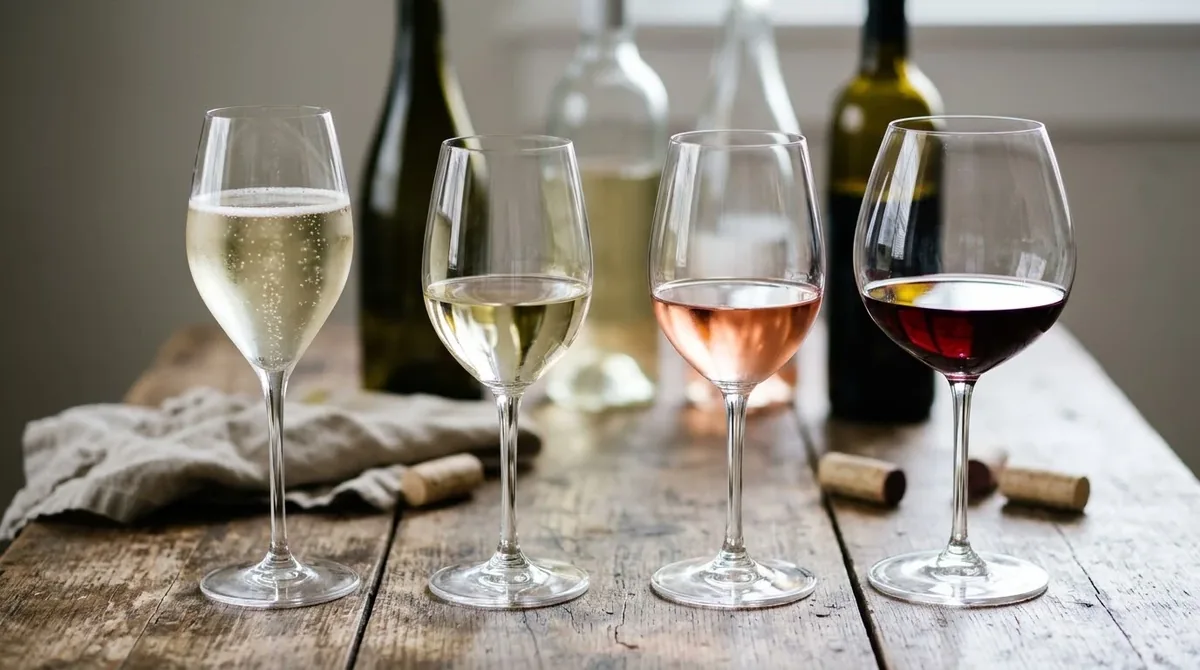
Winking Owl covers the main categories that shoppers look for on a grocery shelf. The range has included a White Zinfandel, a Chardonnay, a Shiraz and a Cabernet Sauvignon sold as a non-vintage blend. Non-vintage means the wine is blended from more than one year, which helps keep the flavor steady from bottle to bottle, but it also means you will not see a single harvest year on the label.
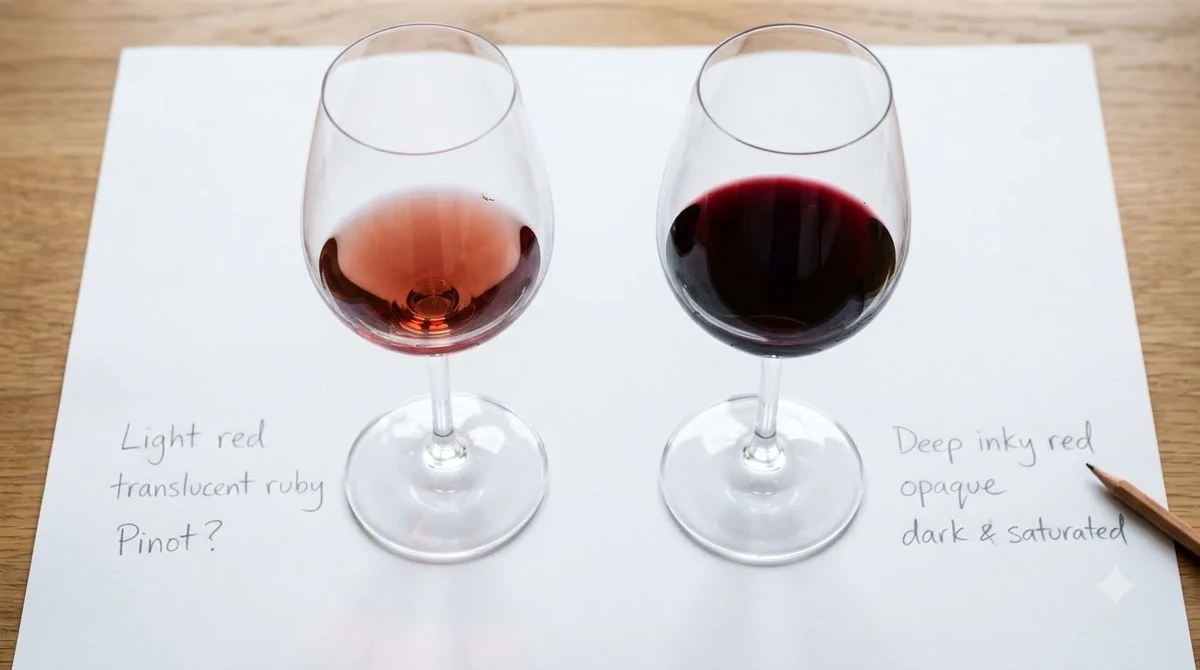
Because the lineup spans white, red and pink styles, the brand can cover casual dinners, gatherings and simple weeknight meals. Each style has its own character, so it is worth reading the variety name on the label rather than choosing by brand alone.
| Style | What to expect |
|---|---|
| White Zinfandel | Pink, lightly sweet and fruity, the easiest style for new drinkers |
| Chardonnay | Typically a soft white with some fruit and a smooth finish |
| Shiraz | A richer red with dark fruit and a bit of spice |
| Cabernet Sauvignon | A red with structure, sold as a non-vintage blend |
| Where to buy | Aldi stores, the brand’s main retail channel |
Tip: Non-vintage bottles do not carry a harvest year, so check the label for the variety and the producer instead of relying on the vintage date to judge freshness.
How to Serve Winking Owl Wine
Serve the white and pink styles cold, because a chilled temperature keeps the fruit lively and makes the wine more refreshing. Red styles such as Shiraz and Cabernet Sauvignon are usually best a little below room temperature, so give them a short time in the fridge before pouring if your kitchen is warm. Standard wine glasses work well for all of them.
These are everyday wines, so there is no need to decant them or wait a long time before opening. Open the bottle when you are ready and keep it stored upright or on its side in a cool place once it has been opened.
Food Pairings for the Range
Each style pairs with different foods. The White Zinfandel is a good match for spicy dishes such as barbecue, Thai or Mexican food, because its sweetness calms chili heat. The Chardonnay goes well with roast chicken, creamy pasta and simple fish dishes. The Shiraz suits grilled meat, burgers and hearty stews, while the Cabernet Sauvignon pairs with steak, roast beef and aged cheese.
For a comparable easy-drinking pink option, the Stella Rosa Wine guide covers a different sweet style, and the Barefoot Wine page explains another widely available brand. Both are useful if you want to compare how mainstream labels differ.
How to Choose a Bottle on the Shelf
When you shop, start with the style you want rather than the brand. Pick a White Zinfandel if you want something sweet and light, a Chardonnay for a soft white, a Shiraz for a richer red, and a Cabernet Sauvignon for a red with more structure. Reading the back label for the grape name and a short description will tell you much more than the logo.
It also helps to compare a few bottles over time. Private-label wines can change when a retailer adjusts its supply, so a bottle you enjoyed last year may taste slightly different now. If you find a style you like, buy it again, and if not, try another variety from the same range.
For a wider view of how big-name and private-label brands compare, the Wine Brands section is a useful place to browse. It gives context on how different labels are positioned and why some are sold through supermarkets rather than specialty shops.
Storage and Everyday Tips
Store unopened bottles in a cool, dark place away from heat, and keep them lying on their side if they have corks. Heat is the main enemy of inexpensive wine, because it can flatten the fruit and make the wine taste dull. Once opened, reseal the bottle and keep it in the fridge for white and pink styles. Red wines can usually stay drinkable for a few days after opening if they are kept cool and resealed.
Shoppers who want more detail on the range can look at the brand’s listing on Vivino, where user ratings and the wines listed under the Winking Owl name are gathered in one place. Ratings there are based on individual tastings, so they vary from vintage to vintage and from one bottle to the next. For background on the company behind the label, the E. & J. Gallo Winery entry on Wikipedia is a useful starting point. Read both with the price and the style in mind, since a wine that suits one shopper may not suit another.
Frequently Asked Questions
Who makes Winking Owl wine?
Winking Owl is an Aldi private-label brand, and it is made by E. & J. Gallo Winery, which is based in Modesto, California.
Where can you buy Winking Owl wine?
The brand is sold through Aldi, so the wine is found on the shelves of Aldi stores rather than in most other retail chains.
Is Winking Owl Cabernet Sauvignon a vintage wine?
The Cabernet Sauvignon in the range is listed as non-vintage, which means it is blended across more than one harvest year. The label will not show a single year.
Which Winking Owl wine is the sweetest?
The White Zinfandel is the style most people describe as sweet, since it is pink and fruit-forward. The Chardonnay and the reds are usually drier, so check the style on the label if sweetness matters to you.
Winking Owl is a practical choice for shoppers who want easy-drinking wines from a familiar grocery chain. Start with the style you like, check the variety on the label, and compare a few bottles to see which one fits your meals best.
More in Wine Brands
 Underwood Wine Price: Compare Bottles, Cans, and Pack SizesUpdated Nov 21, 2026
 Zenato Wine Price: Compare Styles and Choose the Right BottleUpdated Nov 21, 2026
 Zuccardi Wine Price: Compare Bottles and Find the Right RangeUpdated Nov 21, 2026
 Yellow Tail Moscato Review: Taste, Sweetness and Serving TipsUpdated Nov 21, 2026
 Wolf Blass Yellow Label Review: Choose Your Best StyleUpdated Nov 21, 2026
 Wolffer Estate Rose Review: Choose the Right Bottle for Your TableUpdated Nov 21, 2026