

We may earn a commission when you buy through links on this page, at no extra cost to you. Learn more.
Dreaming Tree Crush wine is an everyday California red blend from the North Coast, made by musician Dave Matthews and winemaker Sean McKenzie. It is built on Merlot, Petite Sirah, Zinfandel and Tannat, and it is known for juicy berry fruit, soft tannins and a smooth finish. Most listings put it at about 13.5 percent alcohol by volume.
This guide explains what the Dreaming Tree Crush wine is, which grapes go into it, how it tastes, and which foods suit it. It also covers serving temperature, storage and how to decide whether this red fits your table.
What Is Dreaming Tree Crush Wine?
Dreaming Tree Crush is a red wine from The Dreaming Tree, a wine project that began in 2011. The name comes from a song on the Dave Matthews Band album Before These Crowded Streets. According to the Wikipedia entry on Dave Matthews, the musician helped create the Dreaming Tree Wines label with winemakers Steve Reeder and Sean McKenzie that year.
The Crush bottling is labeled as a multi-varietal red blend. That means the winemaker combines several grape types rather than bottling one variety alone. Most producer descriptions say the wine comes from vineyards across California’s North Coast, a broad growing region north of San Francisco. Retail listings typically describe a 750ml bottle, which is the standard size in the American market.
The brand also stresses sustainable packaging. Producer material says the bottle is made from lightweight glass, the labels use recycled paper, and the neck foil is left off. For a shopper, that matters less than the liquid itself, but it helps explain why the brand gets attention beyond the wine list.
Grape Varieties and Wine Styles
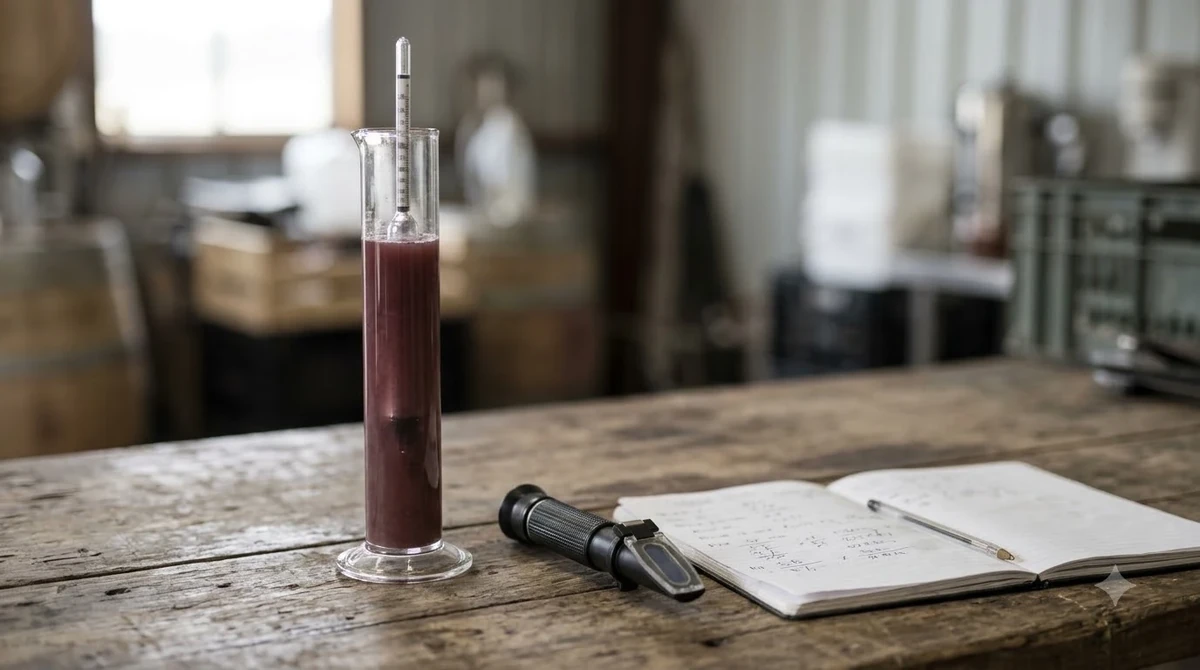
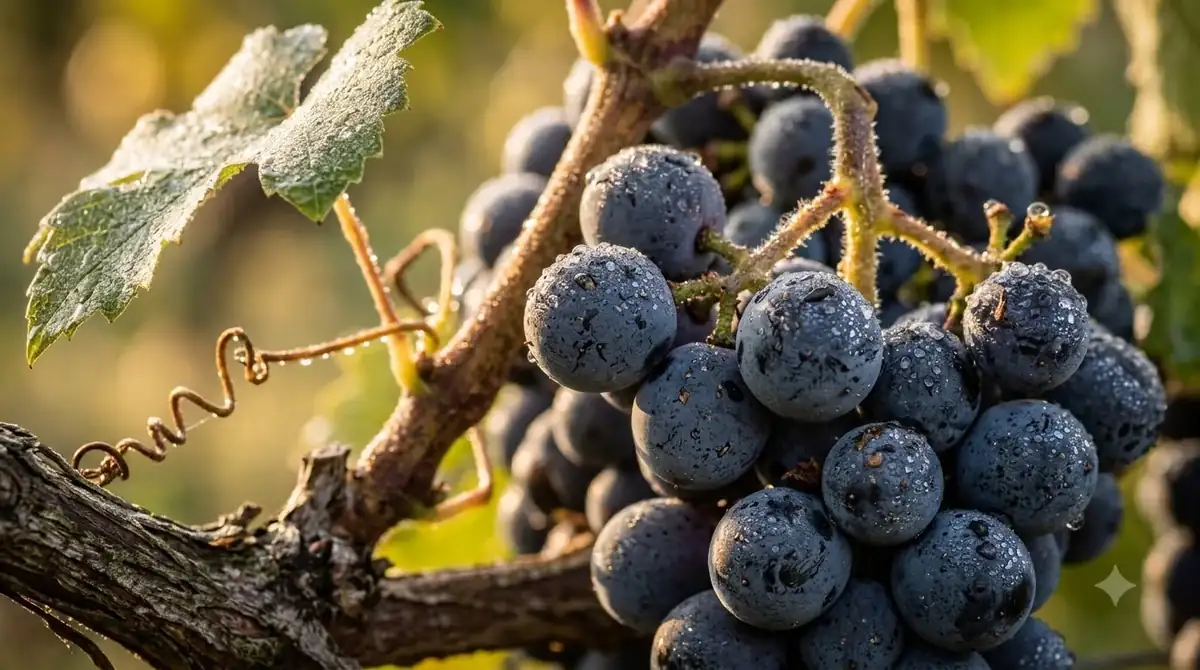
The blend is the heart of this wine. Retail listings name four grapes, and each one plays a different role in the final style. Knowing these roles helps you predict how the wine will taste before you open the bottle.
| Grape | Typical role in this blend |
|---|---|
| Merlot | Adds a soft, plush texture and dark cherry character |
| Petite Sirah | Adds deep color and firm structure |
| Zinfandel | Brings ripe, jammy fruit and warm spice |
| Tannat | Contributes grip and a tannin backbone |
Not every listing describes the blend the same way. One retailer page names all four grapes, while a second producer-style description on the BottleStork product listing says the wine is mainly Merlot and Zinfandel, sometimes with small amounts of other bold reds. The exact mix can shift from one vintage to the next. Check the back label or the producer’s current vintage notes if the grape mix matters to you.
Because the blend leans on Merlot and Zinfandel, the style sits in the fruit-forward red category. It is not a light, delicate red like Pinot Noir, and it is not a heavy, tannic wine built for long aging. Think of it as a medium-to-full-bodied red that is easy to drink young.
Tasting Notes and Flavor Profile
Most tasting notes agree that the wine is fruit-driven and smooth. Expect ripe berries first, followed by oak notes that add vanilla and a gentle toasted edge. The overall impression is rounded rather than sharp.
On the nose, descriptions mention ripe raspberry, black cherry and plum. Secondary notes include caramel, cedar, baking spice and a faint smoky touch that appears as the wine opens. On the palate, the entry is juicy, with raspberry jam and dark cherry. A brighter cranberry note shows up in the middle, and the finish is long and soft.
The tannins are one reason the wine feels approachable. Producer notes describe them as supple and fine-grained, so the wine gives structure without a drying grip. If you usually find young reds too astringent, this style may feel easier. If you prefer crisp, high-acid wines, you may find it rounder than you want.
Tasting is subjective, so use these notes as a guide rather than a promise. The same bottle can taste brighter or softer depending on serving temperature, glass shape and the food on the table. Reviewers at major wine publications have praised the vintage for its consistency, according to the retailer listing, which reports 91 points from The Tasting Panel Magazine and 90 points from Wine Enthusiast for the 2021 vintage, as of Nov 2026.
Price and Where to Buy
Dreaming Tree Crush is sold through wine shops, liquor retailers and online merchants, and it is usually shelved with everyday California reds. Prices vary by store, by region and by season, so compare current listings before you buy. This page does not list prices because they change often.
When you shop, look at the vintage on the label. Vintages can differ in fruit intensity and ABV, and one retailer lists the wine at about 13.5 percent while another says the figure can vary by year. Choosing a recent bottle from a reputable shop helps you get the profile the producer intends.
Online shoppers should also read the shipping and age-verification rules. Most alcohol retailers require an adult signature at delivery and do not ship to P.O. boxes. Check those terms before you place an order so the bottle arrives when you expect it.
If you want to see how this wine sits among other value reds, our Wine Brands section groups many labels by style. For a different red blend to compare against, read about 14 Hands Hot to Trot wine, which takes a different approach to fruit and oak.
Best Food Pairings
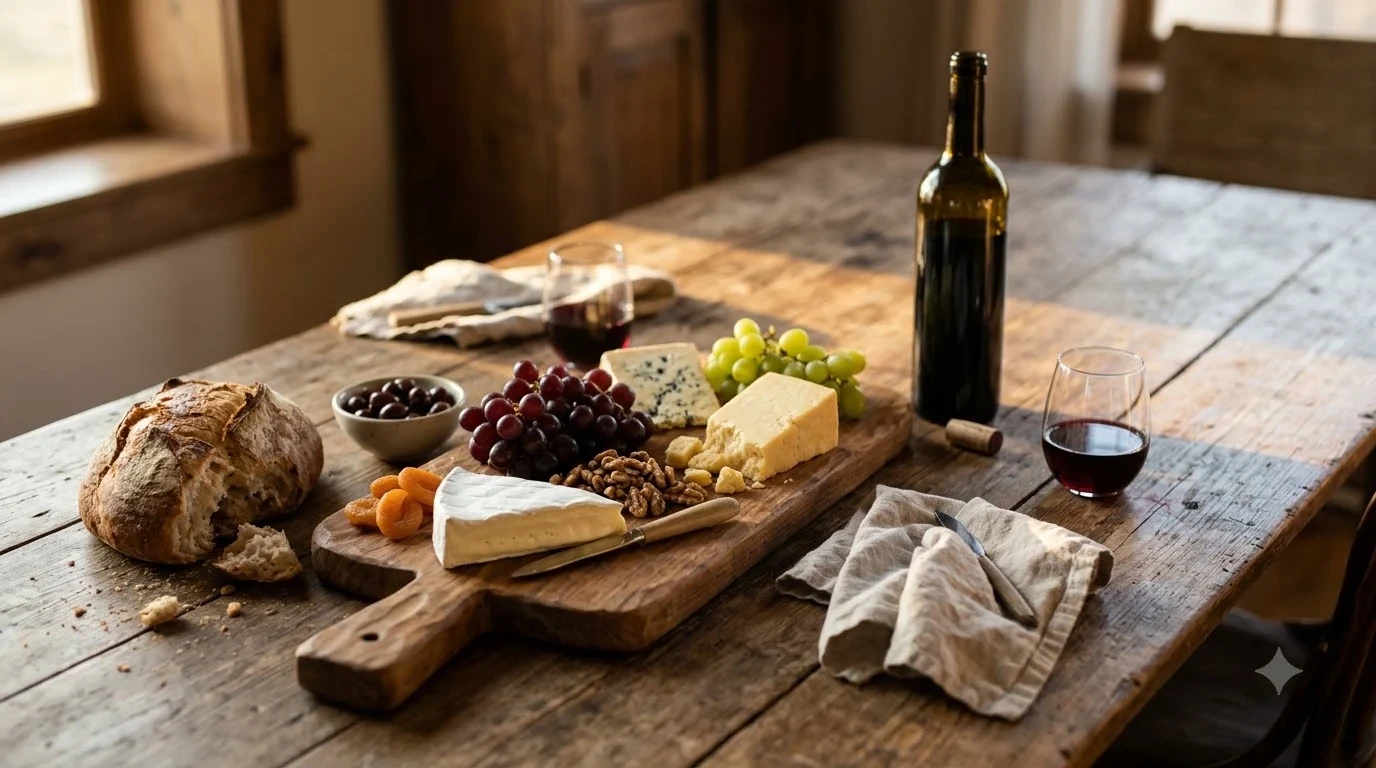
Dreaming Tree Crush is versatile at the table. Its ripe fruit and soft tannins pair well with grilled meat, smoky barbecue and tomato-based dishes. The wine works with casual food more often than with delicate fine-dining plates.
Grilled burgers and sausages are a natural match, because the wine’s smoky berry notes echo the char. Slow-cooked pulled pork and barbecue ribs also suit the wine, since the sweet sauce picks up the jammy fruit. Pepperoni or sausage pizza works for the same reason, with the spice in the meat matching the spice in the wine.
- Grilled burgers, steak or sausages
- Pulled pork, baby back ribs or barbecue chicken
- Pizza with pepperoni, sausage or mushrooms
- Aged cheddar, which picks up the caramel oak notes
- Dark chocolate desserts, such as brownies
For cheese, aged cheddar is a good choice because the sharp, nutty flavor complements the caramel and oak. Creamy, mild cheeses like Gouda or Fontina also pair well, according to one producer description. Avoid very delicate fish, since the wine’s fruit can overpower it.
Cocktail and sangria uses are another option. Some producer notes suggest the wine works well in red sangria with citrus and stone fruit, and it can be used in mulled wine with cinnamon, clove and orange peel. These uses take advantage of the fruit without requiring the wine to be served with a formal meal.
Serving Temperature and Storage Tips
Serve this red slightly cooler than room temperature. Producer guidance suggests a range of about 60 to 65 degrees Fahrenheit, with a short chill of around 15 minutes before pouring. That range keeps the fruit lively and stops the alcohol from feeling hot on the finish.
You do not need to decant this wine. Producer notes say it drinks well straight from the bottle, so you can open it and pour. A large-bowled red wine glass helps the aromas open up, and it gives the wine room to breathe as you drink it over an evening.
Store the bottle on its side in a cool, dark place if you plan to keep it for a short time. Avoid hot cars, sunny windowsills and kitchen counters near the stove, since heat can flatten fruit and speed up aging. Once opened, recork the bottle and refrigerate it if you want to keep it for a day or two; bring it back toward cellar temperature before serving.
Tip: If the wine feels warm in a hot room, put the glass in the refrigerator for about 10 minutes. Chilling softens the alcohol and brings the fruit forward.
Frequently Asked Questions
What does Dreaming Tree Crush wine taste like?
It is juicy and smooth, with raspberry, dark cherry and plum at the front. Oak adds vanilla, caramel and a light spice note. Tannins are soft, so the wine feels round rather than dry.
Is Dreaming Tree Crush sweet or dry?
The wine is dry in technical terms. Its ripe fruit and oak can make it taste rounder and fuller than a lean red, which some drinkers read as sweetness. It is not a dessert wine.
Is Dreaming Tree Crush a good wine for beginners?
Many newer red drinkers find it approachable because the fruit is forward and the tannins are soft. It is a reasonable first California red blend to try. If you prefer lighter wines, a Pinot Noir may suit you better.
Where are the grapes for Dreaming Tree Crush grown?
Producer and retailer descriptions point to vineyards across California’s North Coast, including areas in Mendocino, Sonoma and Lake counties. The North Coast is a broad appellation, so check the label for the exact sourcing of your vintage.
Dreaming Tree Crush wine is a practical choice for weeknight dinners, backyard meals and casual gatherings. Start with a chilled glass alongside grilled food, then compare it with other reds on the shelf. For more ideas on everyday wines, browse the Ariel wine and Avaline white wine guides.
More in Wine Brands
 Underwood Wine Price: Compare Bottles, Cans, and Pack SizesUpdated Nov 21, 2026
 Zenato Wine Price: Compare Styles and Choose the Right BottleUpdated Nov 21, 2026
 Zuccardi Wine Price: Compare Bottles and Find the Right RangeUpdated Nov 21, 2026
 Yellow Tail Moscato Review: Taste, Sweetness and Serving TipsUpdated Nov 21, 2026
 Wolf Blass Yellow Label Review: Choose Your Best StyleUpdated Nov 21, 2026
 Wolffer Estate Rose Review: Choose the Right Bottle for Your TableUpdated Nov 21, 2026