

We may earn a commission when you buy through links on this page, at no extra cost to you. Learn more.
Dow’s port wine is a Portuguese fortified wine from the Dow’s house, a producer the Symington family has owned since 1961 and known best for its Vintage and aged Tawny styles. Its grapes come mainly from the Upper Douro Valley, and the wines are aged and blended at the house’s lodges in Vila Nova de Gaia, across the river from Porto. This guide explains the brand’s background, how its main styles differ, and how to pair, serve and store the bottles.
If you are shopping for a bottle with the Dow’s name on it, the range can look confusing at first. Vintage, Late Bottled Vintage, Crusted and Tawny all carry different expectations. Knowing the basics helps you pick a bottle that fits your meal, your budget and your patience.
What Is Dow’s Port Wine?
Dow’s port wine is a fortified red wine made in the Douro region of northern Portugal. Like other ports, it is strengthened with grape spirit during fermentation, which leaves sweetness in the finished wine. The Dow’s range includes deep red styles meant for long aging and amber styles that have spent years in wood.
According to the Symington Family Estates page for Dow’s Port, the name has been tied to the finest port from the Upper Douro Valley for more than two centuries. That reputation rests largely on Vintage Port, which the house describes as its signature. Most of the range is built around that quality standard.
History of the Dow Port House
The Dow’s story begins in 1798, when Bruno da Silva, a Portuguese merchant, founded a wine-importing business in London. His firm brought port from Oporto, and it later joined forces with William Cosens to form Silva & Cosens. The house gradually built the trade relationships that shaped its later brand.
In 1877, James R. Dow merged his company with Silva & Cosens to form Dow & Co. Although the Dow name was the smaller partner’s name, it was kept because of its reputation for fine Vintage Ports. Later, the Cellar Tours profile of the winery notes that Andrew James Symington became a partner in 1912 and brought other wineries, including Warre’s, into the group.
The Symington family took over management of the Douro vineyards and the Gaia lodges in 1912. The partnership with the Warre family lasted until 1961, when the Symingtons became the sole owners. Several generations have run the business since, and the family has kept investing in the Douro estates, including the Quinta do Bomfim and Quinta da Senhora da Ribeira.
Dow’s Port Wine Styles Explained
The Dow’s range is easier to understand when you sort it by how long the wine ages and whether it is meant to age in bottle or in wood. Vintage and Late Bottled Vintage come from the red-wine side of the house, while Tawny ports spend years in oak. Each style suits a different kind of drinker.
| Style | How it is aged | Typical character | Best for |
|---|---|---|---|
| Vintage Port | Aged in wood for about two to two and a half years, then bottled unfiltered | Deep color, concentrated fruit, long bottle aging | Collectors and special occasions |
| Late Bottled Vintage | Bottled between the fourth and sixth year after harvest | Fuller and ready to drink sooner than Vintage | Buyers who want port without a long wait |
| Crusted Port | Matured in cask two to three years, then three more years in bottle | Blend of recent vintages with a rich, round profile | Drinkers who like a bottle-aged style at a lower commitment |
| Trademark | Blend from the Quinta do Bomfim and neighboring vineyards | Fruity, mellow, with spice and a slightly drier finish | Everyday sipping and first-time buyers |
| Aged Tawny (10 to 40 years) | Matured in oak for many years, losing red color to amber | Nutty, dried-fruit notes that deepen with age | Dessert pairings and slow sipping |
Vintage Port is the most prized style, and it is made only in years the house declares. According to the Cellar Tours profile, a declared year happens on average only three times in a decade. Late Bottled Vintage uses the same vineyards in a year when a Vintage is declared, but it matures faster and is ready to drink much sooner.
Tawny ports are a different category. Their amber color comes from long oak aging, and the range the house describes runs from 10 to over 40 years old. Older Tawnies are usually more concentrated and more expensive to produce, so read the age statement on the label carefully.
Popular Dow’s Port Wines to Try
Some Dow’s bottles are reliable starting points because they show the house style clearly. Start with a wine that matches your plans, such as a casual pour or a bottle for a long dinner.
Dow’s Trademark is a practical introduction. It comes from the Quinta do Bomfim estate and nearby vineyards, and reviewers often describe it as fruity and mellow with a touch of spice. Dow’s Quinta do Bomfim Vintage Port is the house’s showcase for the estate that Dow’s planted in 1980. For a bottle with more history behind it, the Quinta da Senhora da Ribeira Vintage Port is tied to the estate the Symington family bought back in 1998.
If you want an aged style, look for the Tawny range. The house has relaunched its 10, 20, 30 and 40 year old Tawny ports, which are aged in cask in the Gaia lodges. Several Symington visitor pages also name a 30 Year Old Tawny alongside a 1994 Vintage Port, which shows how the house pairs its aged and young styles. Check current availability with a retailer, since stock changes often.
How Dow’s Port Wine Is Made
Dow’s ports begin in the Douro vineyards, where the grapes are grown on steep terraces above the river. The house uses a mix of traditional port varieties. According to the Cellar Tours page, its grape list includes Touriga Nacional, Touriga Franca, Tinta Barroca, Tinta Roriz, Tinto Cão and Tinta Amarela, among others.
Fermentation is stopped early by adding grape spirit. This keeps sugar in the wine and raises the alcohol level, which gives port its sweet and strong profile. After that, the wine is aged either in wood in the Gaia lodges or in the estate cellars, depending on the style. Vintage wines age briefly in oak and then mature in the bottle, while Tawnies stay in cask for years.
The Symington family’s winemakers have also pioneered modern techniques in the Douro, according to the Cellar Tours profile. Even so, the core of the process remains traditional. Patience and blending decisions do most of the work, and the house’s tasting team judges each lot before it is bottled.
Food Pairings and Serving Tips
Port works best with food that has strong flavors, because the wine’s sweetness and body need a counterweight. Match the style to the dish. Lighter Tawnies suit nuts and dried fruit, while richer Vintage ports pair with dark chocolate and aged cheese.
- Pour a Tawny with a dessert like crème brûlée or almond pastries, or serve it alone after dinner.
- Pair a Late Bottled Vintage or Crusted port with blue cheese, walnuts or a fruit tart.
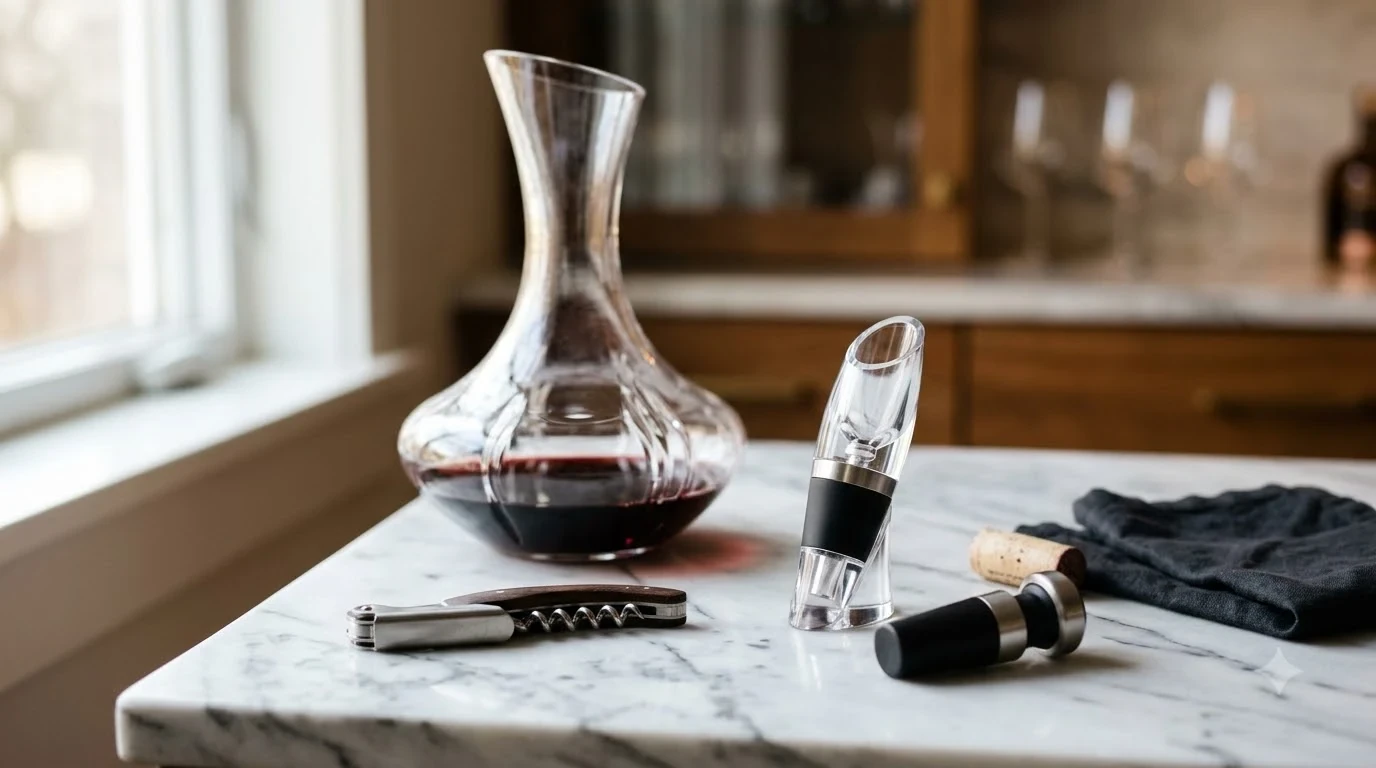
- Serve a young Vintage with dark chocolate or a plate of strong aged cheese, and decant it first if the bottle has sediment.
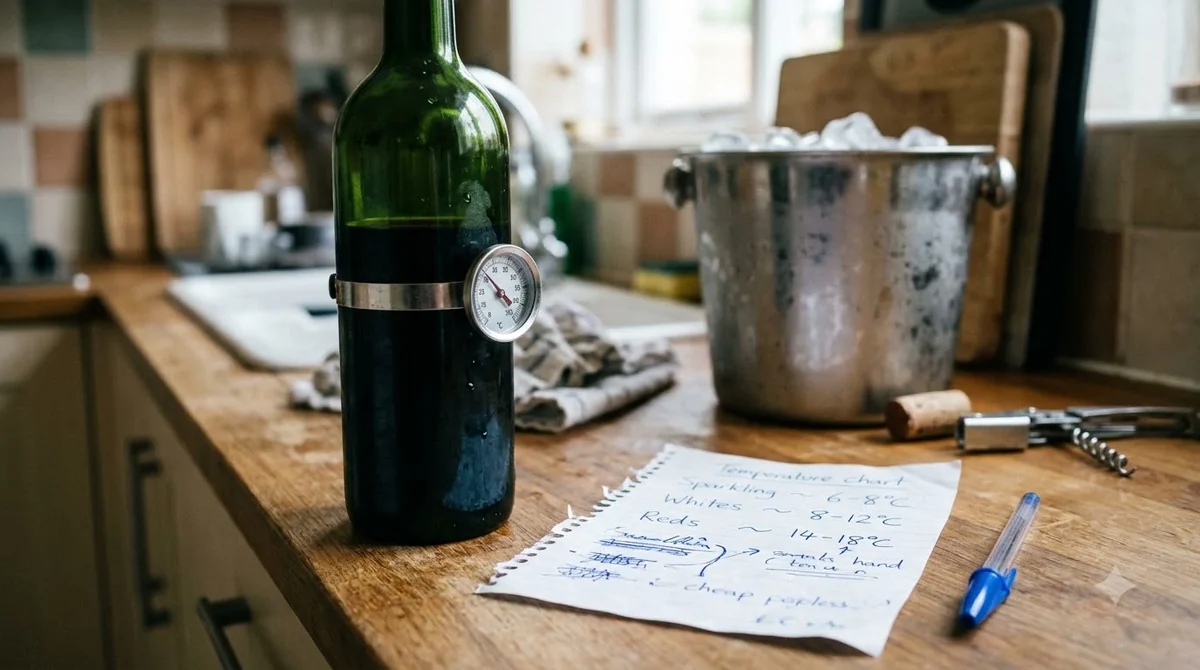
- Serve Trademark slightly chilled with lighter dishes or on its own on a warm evening.
Serve port in a small glass, since a little goes a long way. Open older bottles with care, and check the producer’s label for specific guidance on decanting. Responsible drinking matters with a fortified wine, because the alcohol content is higher than most table wines and the sweetness can hide that strength.
Where to Buy and How to Store Dow’s Port
Buy Dow’s from a licensed wine shop, a reputable online retailer or a restaurant wine list that specifies the vintage. Check that the label names the style clearly, because Vintage, Late Bottled Vintage and Tawny bottles look similar on the shelf. If you are new to the category, the Wine Brands section offers more context on how producers compare.
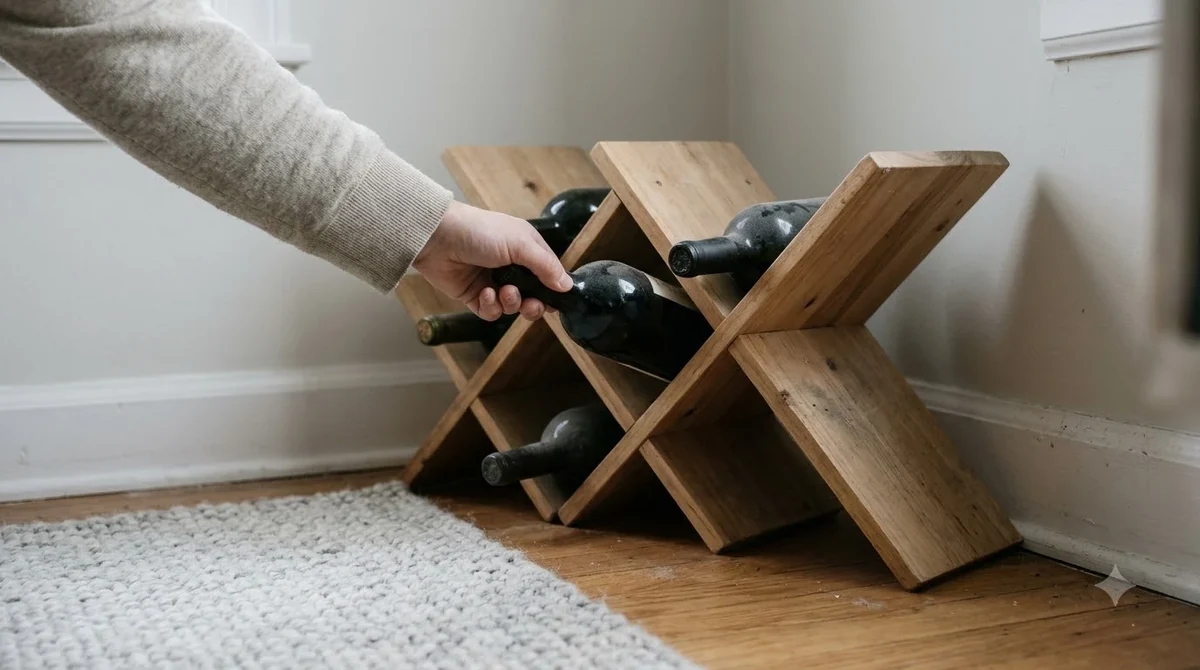
Storage depends on the style. Vintage ports are sealed in bottle and should be kept lying down in a cool, dark place away from heat and light. Tawny ports age in cask, so once bottled they hold their character well and can be stored upright. Once you open any bottle, keep it corked and refrigerated, and finish it within a few weeks, since oxidation changes the flavor over time.
If you enjoy comparing port with other fortified and sweet wines, the Fonseca port guide covers a neighboring Douro house, and the Ariel wine page looks at a different style of wine you can enjoy with dessert.
Frequently Asked Questions
Is Dow’s port wine a dry or sweet wine?
Dow’s port is a sweet fortified wine. Grape spirit is added during fermentation, which stops the process early and leaves sugar in the wine. Dry-tasting styles exist within the range, such as Trademark, which reviewers describe as slightly drier in finish.
What is the difference between Dow’s Vintage and Tawny port?
Vintage port is made only in declared years and ages mainly in the bottle, so it stays deep red and fruity. Tawny port ages for years in oak, which turns it amber and adds nutty, dried-fruit notes. The two styles suit different occasions and tastes.
How long can I keep an open bottle of Dow’s port?
An opened bottle of port keeps much longer than table wine, but it still changes over time. Recork it, keep it cold and drink it within a few weeks for the best flavor. Tawny ports tend to hold up better once opened than young Vintage styles.
Should I decant Dow’s port before serving?
Older Vintage bottles often throw sediment, so decanting helps. Young Tawny ports and filtered styles usually do not need it. Check the label or the producer’s notes for guidance on each bottle, and pour gently to keep the sediment in the bottle.
Dow’s port wine rewards buyers who know which style they want, from the young fruit of Trademark to the long, amber depth of an aged Tawny. Start with a style that fits your meal, then explore the wider port category at your own pace.
More in Wine Brands
 Underwood Wine Price: Compare Bottles, Cans, and Pack SizesUpdated Nov 21, 2026
 Zenato Wine Price: Compare Styles and Choose the Right BottleUpdated Nov 21, 2026
 Zuccardi Wine Price: Compare Bottles and Find the Right RangeUpdated Nov 21, 2026
 Yellow Tail Moscato Review: Taste, Sweetness and Serving TipsUpdated Nov 21, 2026
 Wolf Blass Yellow Label Review: Choose Your Best StyleUpdated Nov 21, 2026
 Wolffer Estate Rose Review: Choose the Right Bottle for Your TableUpdated Nov 21, 2026