

We may earn a commission when you buy through links on this page, at no extra cost to you. Learn more.
Saperavi grape is a dark-skinned red wine grape native to Georgia, prized for its deep color, firm structure and long aging potential. Its name comes from the Georgian word for dye, a nod to the red juice inside its berries. Most of the world’s saperavi wine still comes from Georgia, though the variety now grows in several other countries.
If you have seen saperavi on a wine list or a shop shelf and wondered what sets it apart from cabernet or merlot, this guide covers the grape itself: where it comes from, how it tastes, how wines made from it are usually styled, and how to serve and pair it at home.
What the saperavi grape is
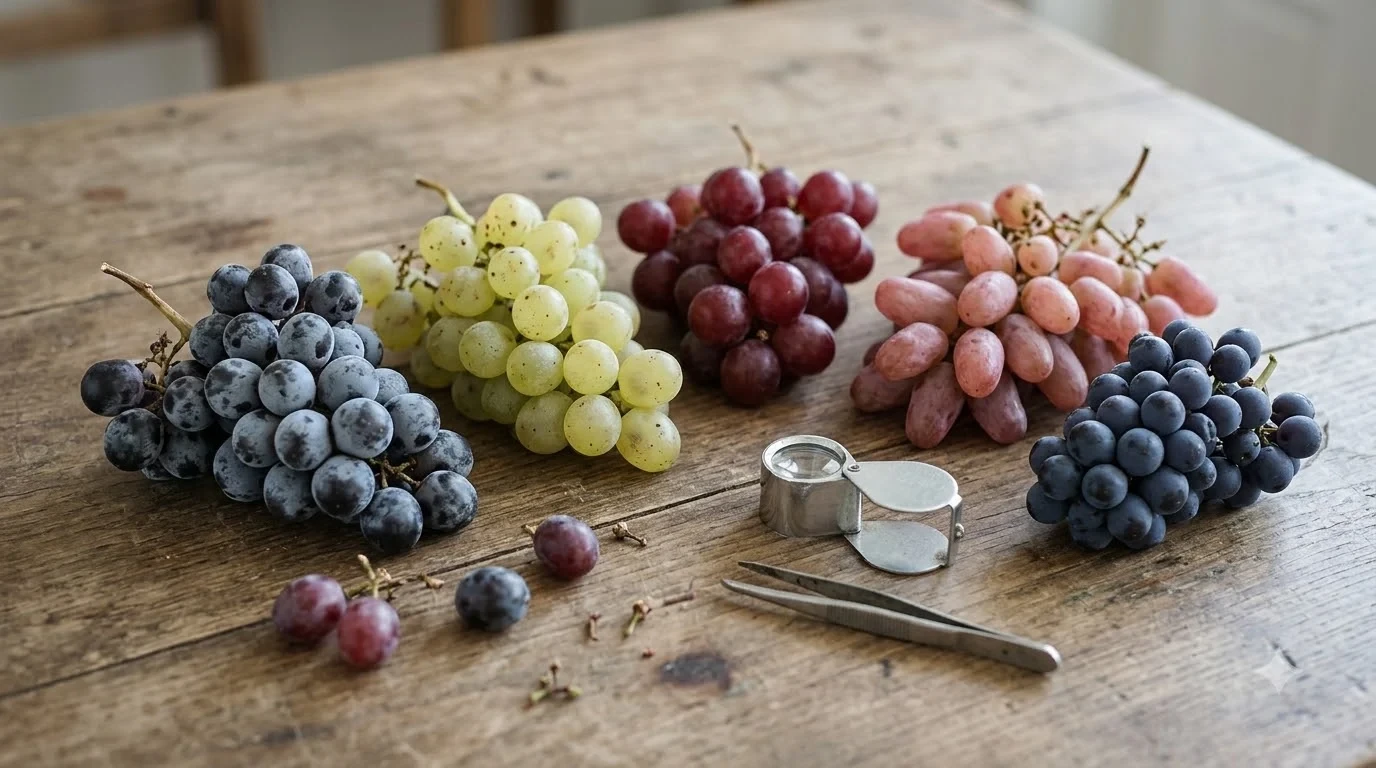
Saperavi is one of the oldest cultivars in Georgia, a country with a winemaking tradition that stretches back thousands of years. It is a Vitis vinifera variety with dark, bluish, thin-skinned berries. What makes it unusual is that it is a teinturier grape, meaning its pulp as well as its skin carries red pigment. The grape’s entry in Wikipedia is a useful starting point for its pigment and berry characteristics. Most red grapes only color the wine through skin contact during fermentation, so saperavi can produce wines with a deep, almost inky color even when the skins are handled gently.
Growers in Georgia have long valued the variety for its reliability in the vineyard and for the strong, extractive wines it yields. The wine is typically high in tannin and has a noticeable astringency, which is why it is often blended with lighter grapes or aged for several years before bottling.
Where saperavi grows
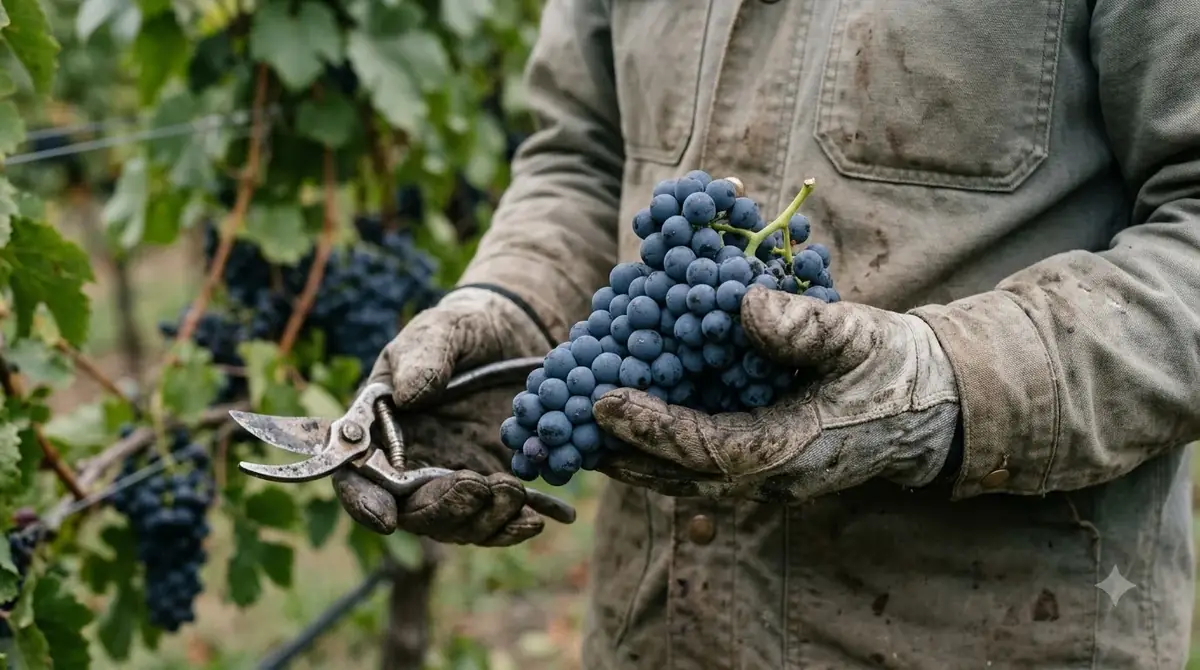
The grape is planted across Georgia, with Kakheti in eastern Georgia as its traditional heartland. Growers also cultivate it in Kartli, Imereti and Guria. Outside Georgia, it appears in Moldova, Ukraine, Bulgaria and Russia, and in parts of the United States such as the Finger Lakes and Niagara areas of New York. In Australia, the King Valley of northeast Victoria is where the variety was pioneered.
Because saperavi ripens well in warm conditions and holds acidity reasonably well, it suits a range of climates. Producers in cooler regions often pick earlier to keep the wine lively, while those in warmer sites aim for riper fruit and more concentrated color.
Georgian producers use the variety in several classic wines. Kindzmarauli and Akhasheni are semi-sweet styles from different parts of the country, while Mukuzani and Napareuli are dry wines known for aging. Some producers also blend it with lighter grapes, and the Moldovan producer Purcari is widely cited for its own saperavi-based bottlings.
Flavor profile and wine styles
Saperavi wine is deep red with a bold, savory character. Descriptions from tasting notes and producer material often point to dark fruit, black cherry and plum, with a spicy or earthy finish. Because the grape is so tannic, young wines can feel firm and grippy, and that grip tends to soften with time in bottle.
The style you encounter depends on the producer. Dry saperavi tends to be full-bodied and structured, suited to long aging. Semi-sweet versions, common in Georgia, balance the grape’s tannin with residual sugar and read as softer and more approachable. Alcohol levels commonly fall in the 10.5 to 12.5 percent range, although the exact figure varies by producer and vintage.
Many drinkers describe saperavi as sitting between cabernet sauvignon and syrah in intensity, though it has its own character. Its color is usually more dramatic than most reds, and the wine often shows a distinctive bouquet that people tend to remember.
| Style | Typical sweetness | What to expect |
|---|---|---|
| Dry aged saperavi | Dry | Firm tannin, dark fruit, savory finish, good for cellaring |
| Semi-sweet Georgian saperavi | Off-dry to semi-sweet | Softer texture, ripe berry fruit, easier to drink young |
| Saperavi blend | Usually dry | Lighter, more fruit-forward, often softened by other varieties |
How to serve saperavi
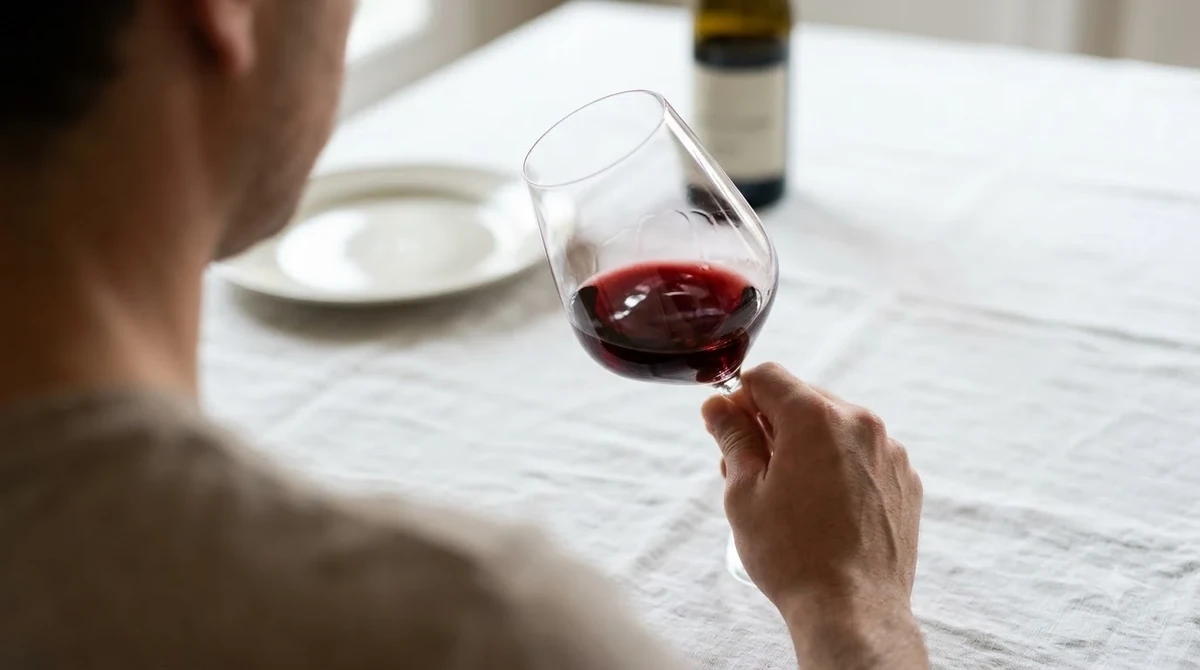
Serve saperavi at a cool room temperature, roughly 16 to 18 degrees Celsius, so the fruit stays bright and the tannins do not feel harsh. Younger bottles often benefit from decanting for 30 minutes to an hour, which softens the grip and lets the aromas open up. Older, more delicate bottles can be opened and poured more gently with less air.
A standard red wine glass with a generous bowl works well. The wider shape gives the aromas room, and the tapered rim concentrates them as you sip.
Because saperavi can be quite tannic, it shows best when you drink it slowly and with food. Opened bottles keep reasonably well for a day or two when stored corked and refrigerated, though the fruit will fade over time.
Food pairing for saperavi
Saperavi pairs naturally with rich, savory dishes. Grilled or roasted red meats, especially lamb and beef, match the wine’s structure and help soften its tannins. Stews, braises and dishes with slow-cooked onions or mushrooms also make good partners.
In Georgian cooking, the wine sits comfortably beside grilled skewers, walnut-based sauces and hearty bean dishes. Fresh herbs and spiced sauces with some heat can bring out the wine’s dark fruit. Hard cheeses such as aged cheddar or a mature gouda also work well, since their salt and fat balance the tannin.
Lighter fish, delicate salads and soft white cheeses are poor matches. The wine can overwhelm them, and the tannin can turn metallic with them.
How to choose a saperavi bottle
Start with the style you want. If you prefer a dry, structured red for dinner, look for a bottle labeled dry or aged, and check whether the producer lists a vintage and aging notes. If you like softer, sweeter wines, a semi-sweet Georgian bottle is the easier entry point.
Read the back label for the region. Kakheti is the most common origin and often signals a traditional style. Blends can be a good starting point because the other grapes usually round out the tannin, which makes the wine more approachable on a first try.
For wider context on the family of red wines and how they compare, the wine types guide is a useful next stop. If you already enjoy red grapes with similar depth, the muscadine grape guide covers a very different American variety, while pinot noir grape and chardonnay grape show how different grapes shape style.
The producer’s own technical notes, when available, are one of the most reliable sources. Winery sites often describe how long the wine was aged and how it was fermented, which tells you more than a short shelf label.
Saperavi Grape in the United States
Saperavi is no longer only a Georgian story, and New York’s Finger Lakes offer one of the clearest examples of how the grape behaves in a cool climate.
Dr. Konstantin Frank Winery, the Finger Lakes estate founded by a Ukrainian-born grape scientist, has worked with Saperavi since its founder’s first plantings in the early 1960s. According to the winery’s notes on its 2023 Saperavi, most of the fruit comes from Pendleton Farms at the southern tip of Canandaigua Lake, with the rest from estate vineyards on Seneca Lake that were replanted in 2010 and 2016 from cuttings of those original vines. The wine spent 16 months in French oak, 20 percent of it new, and is listed at 13 percent alcohol.
The winery describes a deep violet color, aromas of black cherry, blackberry and bramble with hints of mint, violet and cola, and a full-bodied palate with vibrant acidity and firm tannins. That profile lines up with what the saperavi grape is known for in Georgia: dark color, real acidity and enough structure to age. If you want to taste the grape without hunting down a Georgian import, a Finger Lakes bottling is a practical place to start.
Frequently Asked Questions
Is saperavi a sweet wine?
It can be either. Dry saperavi is common, especially aged reds, while Georgian producers also make semi-sweet versions that are softer and fruitier. Check the label or producer description for the sweetness level.
What does saperavi taste like?
Most descriptions point to dark berries, black cherry and plum, with a spicy or earthy finish. The wine is usually firm and tannic when young, and it softens with bottle age.
Where does saperavi come from?
The grape is native to Georgia, where Kakheti is its traditional center. It is also grown in Moldova, Ukraine, Bulgaria, Russia, parts of the United States and the King Valley in Australia.
Can saperavi be aged?
Yes. Its firm tannin and deep fruit give it the structure to develop for several years in the bottle. Many dry Georgian saperavi wines are made with aging in mind, though the best guide is the producer’s own recommendation.
Saperavi is a grape worth exploring if you enjoy deep, structured reds with a sense of place. Start with a semi-sweet or blended bottle if you are new to the style, then move toward dry, aged wines once you know what you like. Pairing it with rich, savory food will show you what the grape does best.
More in Wine Types & Grapes
 Zinfandel Sugar Content: Dry Red vs. White Zinfandel GramsUpdated Nov 21, 2026
 Best Zinfandel Substitute Options for Sipping and CookingUpdated Nov 21, 2026
 Zweigelt Food Pairing: Best Dishes, Cheeses, and Serving TipsUpdated Nov 21, 2026
 Zinfandel Tannins Explained: How Structure Shapes Every BottleUpdated Nov 21, 2026
 Zinfandel Sweetness Level: Dry Red vs. Sweet White Zin ExplainedUpdated Nov 21, 2026
 Xinomavro Food Pairing: Best Dishes, Styles, and Serving TipsUpdated Nov 21, 2026