

We may earn a commission when you buy through links on this page, at no extra cost to you. Learn more.
Betz wine refers to the small-lot Bordeaux- and Rhône-style bottlings produced by Betz Family Winery, a benchmark Washington State producer founded in 1997 by Master of Wine Bob Betz and his wife, Cathy. Sourced primarily from esteemed vineyards across the Columbia Valley, Yakima Valley, and Red Mountain AVAs, these wines are known for cellar-worthy structure, dark fruit intensity, and balanced acidity.
Over nearly three decades, the winery has grown from a 150-case garage-style project in Woodinville into one of the Pacific Northwest’s most critically acclaimed labels. Understanding the history, vineyard partnerships, and distinct bottlings behind the label helps wine drinkers make sense of why collectors track each seasonal release.
Who Makes Betz Wine
Betz Family Winery was established in 1997 by Bob and Cathy Betz in Woodinville, Washington, and has since passed through two carefully managed ownership transitions while preserving its grower relationships and winemaking focus. Today, the brand operates under Seattle-based Ackley Brands, continuing its commitment to small-lot Washington fruit.
Before launching his own label, Bob Betz spent 28 years at Chateau Ste. Michelle, eventually serving as Vice President of Winemaking Research. In 1974, he and Cathy spent a full year working inside vineyards and cellars across France, Italy, and Germany to absorb traditional European winemaking practices. That foundation culminated in 1998 when Bob earned the prestigious Master of Wine credential, winning both the Villa Maria Award for viticulture and the Robert Mondavi Award for theory.
The first vintage in 1997 consisted of just 150 cases produced in borrowed space at DeLille Cellars in Woodinville’s warehouse district. By 2005, the couple had constructed their own dedicated winery in Woodinville. In 2011, Bob and Cathy sold the winery to Steve and Bridgit Griessel, with Bob staying on under contract to guide the winemaking before passing day-to-day cellar leadership to winemaker Louis Skinner.
As reported by Northwest Wine Report, Seattle-based Ackley Brands acquired Betz Family Winery in May 2024 alongside sister labels The Untold Story and SuNu. At the time of the sale, annual production hovered around 2,500 cases, keeping the label firmly in boutique territory compared to larger wine brands operating across the Pacific Northwest.
Vineyard Sources and Washington Terroir
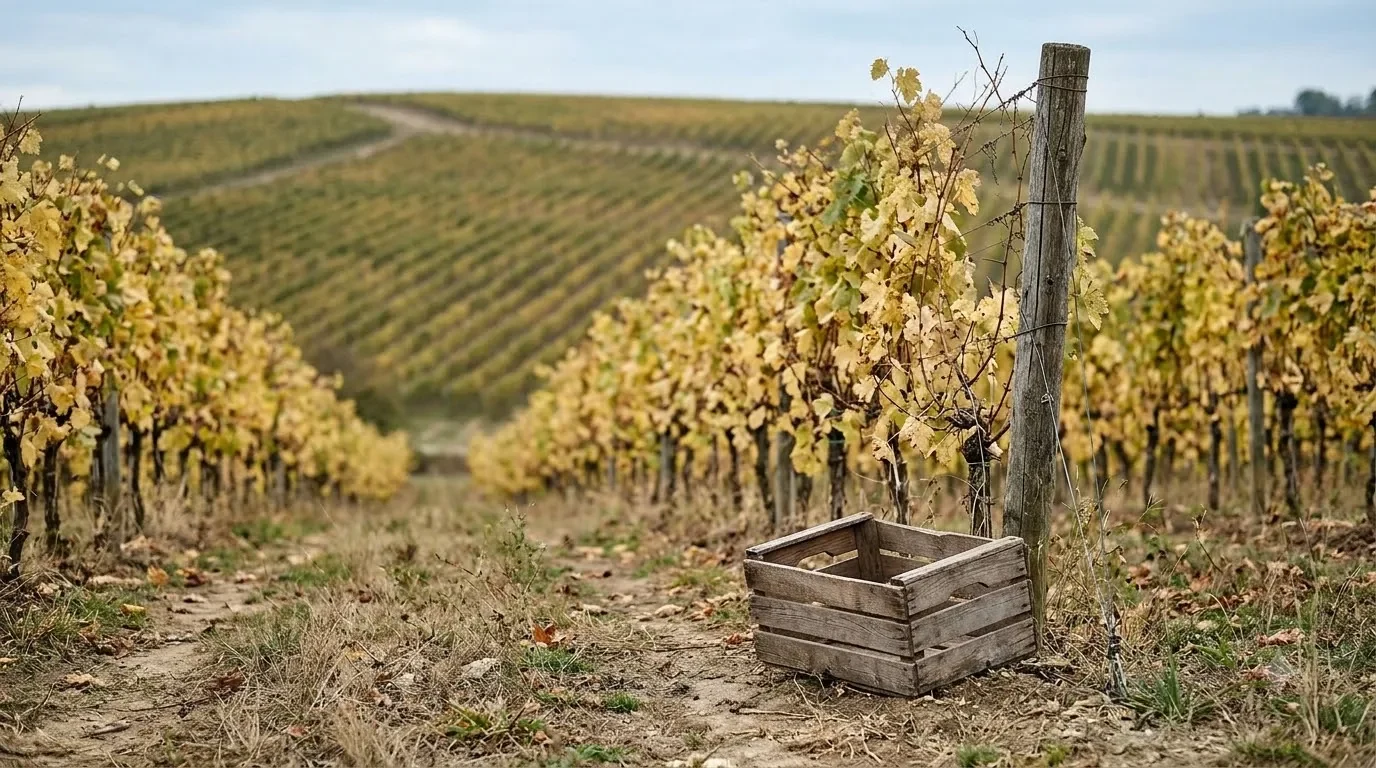
Rather than relying on a single estate, Betz Family Winery built its reputation by partnering with multi-generational growers in premier sub-appellations of Washington’s Columbia Valley. This approach allows the winemaking team to match specific grape varieties to the microclimates and soils where they perform best.
In the Yakima Valley, the winery sources Syrah from three landmark sites that highlight how elevation and aspect shape the grape. Red Willow Vineyard, farmed by the Sauer family on the cooler south slope of Ahtanum Ridge, contains Washington’s original 1986 Syrah planting and often harvests up to three weeks later than warmer sites. Nearby Boushey Vineyard, planted by Dick Boushey starting in 1980 using cuttings descended from Red Willow, sits in a cooler pocket that preserves natural acidity and aromatic lift.
Olsen Vineyard, established in 1980 by brothers Dick and Larry Olsen in the Yakima Valley, supplies both Rhône and Bordeaux varieties. It provides Syrah alongside Grenache, Mourvèdre, Counoise, and Petite Sirah, as well as Merlot, Cabernet Franc, and Petit Verdot. On Red Mountain, one of Washington’s warmest and most concentrated growing zones, Heart of the Hill Vineyard—planted in 2006 and farmed by Scott Williams—serves as the exclusive fruit source for the winery’s single-vineyard Cabernet Sauvignon.
The Betz Wine Lineup
The Betz Family Winery portfolio is organized primarily around two classic French traditions: Left and Right Bank Bordeaux blends on one side, and Northern and Southern Rhône-style reds on the other. The winery also produces limited white and rosé bottlings that bring bright acidity to the range.
On the Bordeaux side, Père de Famille serves as the flagship Cabernet Sauvignon-dominant cuvée from the Columbia Valley. First released alongside Clos de Betz in the late 1990s, Père de Famille typically blends roughly 80 percent Cabernet Sauvignon with smaller proportions of Merlot, Cabernet Franc, or Petit Verdot depending on the vintage. Clos de Betz takes a Right Bank inspiration, centering on Merlot blended with Cabernet Franc, Cabernet Sauvignon, and Petit Verdot for a plusher mid-palate.
Heart of the Hill stands apart as a 100 percent Cabernet Sauvignon bottled exclusively from its namesake Red Mountain site. In the Rhône-inspired tier, three vineyard-designated Syrahs showcase distinct terroirs: La Côte Patriarche from Red Willow Vineyard, La Serenne from Boushey Vineyard, and La Côte Rousse from Olsen Vineyard. Bésoleil rounds out the red lineup as a Grenache-led Southern Rhône-style blend sourced from Olsen Vineyard, while newer releases like Carte Blanc Chenin Blanc from Upland Vineyard and Rosé Caché expand the warm-weather options.
| Bottling | Primary Grape(s) | Key AVA / Vineyard Source | Style |
|---|---|---|---|
| Père de Famille | Cabernet Sauvignon blend | Columbia Valley | Full-bodied Left Bank Bordeaux-style red |
| Clos de Betz | Merlot-dominant blend | Columbia Valley | Lush Right Bank Bordeaux-style red |
| Heart of the Hill | 100% Cabernet Sauvignon | Red Mountain (Heart of the Hill) | Concentrated single-vineyard red |
| La Côte Patriarche | Syrah | Yakima Valley (Red Willow) | Structured, cool-climate Syrah |
| La Serenne | Syrah | Yakima Valley (Boushey) | Aromatic, acid-driven Syrah |
| La Côte Rousse | Syrah | Yakima Valley (Olsen) | Rich, expressive single-site Syrah |
| Bésoleil | Grenache-led blend | Yakima Valley (Olsen) | Southern Rhône-style red blend |
Taste Profile and Winemaking Style
Betz wines are defined by a balance between Washington’s natural fruit ripeness and Old World structural restraint. Rather than chasing over-extracted sweetness, the cellar team emphasizes aromatic complexity, fine-grained tannins, and bright natural acidity that keeps higher-alcohol reds feeling poised.
In the Bordeaux-style reds, reviewers at Wine Enthusiast and tasting notes from the winery highlight layers of blackcurrant, plum, and black cherry interwoven with savory accents of dried thyme, bay leaf, anise, and cedar. Alcohol levels typically sit around 13.5 to 14.7 percent ABV depending on the vintage and cuvée, yet careful barrel aging integrates the oak spice so the finish stays long and focused rather than heavy.
The Syrahs and Rhône blends lean into savory, site-specific character. Bottlings from cooler Yakima Valley sites show cracked black pepper, smoked meat, violet florals, and dark berry fruit supported by firm, age-worthy framing. When Louis Skinner took over winemaking duties during the Griessel era, he nudged harvest dates slightly earlier to accentuate freshness and tension, a stylistic evolution that Bob Betz publicly supported.
How to Serve and Pair Betz Wine
Because the red bottlings carry firm tannin structure and concentrated aromatics, proper temperature control and aeration make a noticeable difference in the glass. Serving these wines slightly below standard room temperature prevents alcohol warmth from overshadowing subtle herbal and floral notes.
Aim to serve fuller-bodied bottles like Père de Famille, Heart of the Hill, and the single-vineyard Syrahs between 60°F and 65°F. Lighter-framed releases such as Bésoleil or younger vintages of Clos de Betz show well toward the cooler end of 55°F to 60°F. If opening a bottle within five years of its vintage date, decanting for one to two hours allows tight tannins to soften and secondary aromatics to emerge.
Tip: Place a bottle of Betz red in the refrigerator for 20 to 25 minutes before pouring if your kitchen sits around 72°F; this brings the wine into the ideal 60°F to 65°F serving window.
At the dinner table, the savory herb and dark fruit profile of Betz Cabernet Sauvignon and Syrah pairs naturally with rich, protein-driven dishes. Dry-aged ribeye, herb-crusted rack of lamb, braised beef short ribs, and grilled duck breast match the weight of the tannins, while aged hard cheeses like Gruyère or sharp white cheddar complement the lingering oak spice on the finish.
Who Betz Wine Suits Best
Betz Family Winery appeals most to drinkers who appreciate structured, cellar-worthy reds that bridge California-level fruit purity with French-inspired restraint. Collectors who enjoy tracking single-vineyard differences across vintages will find plenty to explore among the three Yakima Valley Syrahs and Red Mountain Cabernet.
Because total production stays small and the winery releases its flagship wines through a biannual allocation list—Bordeaux-style bottlings in the spring and Rhône-style bottlings in the fall—the brand rewards patience and planning. Those seeking casual, everyday grocery-store pours might lean toward accessible Washington blends like 14 Hands Hot to Trot wine, while drinkers looking for zero-alcohol alternatives or organic lifestyle labels may prefer exploring Ariel wine or Avaline white wine instead. For enthusiasts building a cellar around Pacific Northwest classics, however, Betz remains a cornerstone name.
Frequently Asked Questions
Where is Betz Family Winery located?
Betz Family Winery is based in Woodinville, Washington, a well-known wine hub just northeast of Seattle. While the winemaking operations are centered in western Washington, all of the fruit is sourced from vineyards across eastern Washington’s Columbia Valley, Yakima Valley, and Red Mountain AVAs.
Who owns Betz Family Winery now?
Seattle-based Ackley Brands acquired Betz Family Winery in May 2024 from previous owners Steve and Bridgit Griessel, who had purchased the estate from founders Bob and Cathy Betz in 2011. Founder Bob Betz MW has remained involved in a consulting capacity to help maintain continuity across the label’s flagship bottlings.
What is the flagship wine from Betz Family Winery?
Père de Famille is widely considered the flagship bottling, crafted as a Columbia Valley Cabernet Sauvignon blend modeled on Left Bank Bordeaux. Alongside it, Clos de Betz serves as the winery’s signature Merlot-based blend, while Heart of the Hill represents its top single-vineyard Red Mountain Cabernet Sauvignon.
How long should you age or decant Betz wine?
According to winery notes and critic reviews, the flagship Cabernet Sauvignons and single-vineyard Syrahs are built with the tannin and acid structure to develop in the cellar for 10 to 15 years or more. When enjoying younger vintages within their first few years of release, decanting for one to two hours helps soften the tannins and open up the aromatics.
From its humble 150-case beginnings in a borrowed Woodinville cellar to its status as a Washington benchmark, Betz wine showcases what happens when rigorous viticulture meets Old World winemaking discipline. Whether cellared for a milestone dinner or decanted alongside a Sunday roast, these bottlings offer a clear window into the finest vineyards of the Columbia Valley.
More in Wine Brands
 Underwood Wine Price: Compare Bottles, Cans, and Pack SizesUpdated Nov 21, 2026
 Zenato Wine Price: Compare Styles and Choose the Right BottleUpdated Nov 21, 2026
 Zuccardi Wine Price: Compare Bottles and Find the Right RangeUpdated Nov 21, 2026
 Yellow Tail Moscato Review: Taste, Sweetness and Serving TipsUpdated Nov 21, 2026
 Wolf Blass Yellow Label Review: Choose Your Best StyleUpdated Nov 21, 2026
 Wolffer Estate Rose Review: Choose the Right Bottle for Your TableUpdated Nov 21, 2026