

We may earn a commission when you buy through links on this page, at no extra cost to you. Learn more.
When asking can you bring wine on a plane, the answer is yes in checked luggage with no federal quantity limit, provided the alcohol content is 24% ABV or lower. In carry-on bags, standard 750-milliliter bottles are not allowed through TSA checkpoints because of the 3.4-ounce (100-milliliter) liquid restriction. The only carry-on exceptions are miniature bottles measuring 3.4 ounces or less that fit inside a single quart-sized bag, or full bottles purchased at an international duty-free shop and sealed in a tamper-evident bag with the original receipt.
Flying home from wine country or carrying a special bottle to a family gathering is completely doable once you understand how federal aviation security rules treat different bottle sizes, alcohol strengths, and luggage types. Knowing where your bottles belong, how airline weight caps come into play, and how to cushion glass against rough baggage handling will help your wine arrive intact.
TSA Rules for Carry-On vs. Checked Bags
The Transportation Security Administration treats wine differently depending on whether it stays with you in the cabin or rides below in the cargo hold. Because table wine, sparkling wine, and most fortified wines sit below the 24% alcohol by volume threshold, checked baggage offers generous flexibility while carry-on screening enforces strict liquid limits.
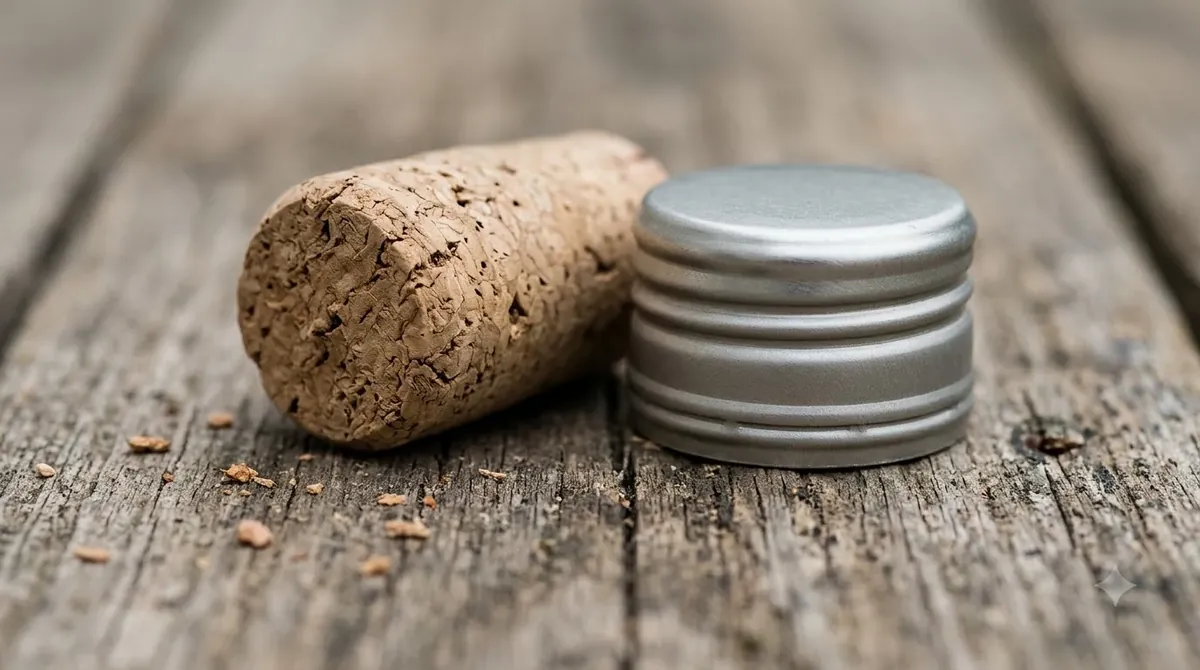
According to the Transportation Security Administration, alcoholic beverages containing 24% ABV or less are not subject to federal quantity limits in checked bags. Standard red, white, rosé, and sparkling wines typically range between 11% and 15% ABV, and even fortified wines like port and sherry usually land around 17% to 20% ABV, keeping all of them well below the 24% cutoff. Bottles must remain in unopened retail packaging, and individual airlines still enforce their own checked-baggage weight limits, which generally cap economy suitcases around 50 pounds.
Carry-on rules are far more restrictive because wine counts toward the standard TSA 3-1-1 liquids policy. Any container brought through a security checkpoint in hand luggage must hold 3.4 ounces (100 milliliters) or less and fit comfortably inside one clear, quart-sized resealable bag alongside your toiletries. A standard 750-milliliter bottle holds roughly 25.4 ounces, meaning security officers will require you to discard it, check a bag, or leave it behind before entering the gate area.
| Wine Format or Purchase Type | Allowed in Carry-On? | Allowed in Checked Bag? | Key TSA & FAA Conditions |
|---|---|---|---|
| Standard 750 ml bottle (under 24% ABV) | No | Yes | Must be unopened; no federal checked quantity limit beyond airline bag weight |
| Mini wine bottle (3.4 oz / 100 ml or less) | Yes | Yes | Must fit in one quart-sized clear bag for carry-on; cannot be opened onboard |
| Magnum or case of wine (under 24% ABV) | No | Yes | Permitted in checked luggage as long as total bag weight stays within airline rules |
| International duty-free bottle | Yes (conditional) | Yes | Sealed in a tamper-evident bag with receipt showing purchase within 48 hours |
| Fortified wine or spirit (24% to 70% ABV) | 3.4 oz max | Up to 5 liters | Beverages above 24% ABV face a 5-liter (1.3-gallon) checked cap per passenger |
Duty-Free Wine and Connecting Flights
Buying wine at an airport duty-free shop after clearing security is the primary way travelers bring full-sized bottles into the cabin. However, keeping those bottles in your carry-on across a multi-leg itinerary requires strict adherence to packaging and timing rules.
When you purchase wine at an international airport duty-free store on a trip back to the United States, the retailer places the bottles inside a transparent, secure, tamper-evident bag. TSA regulations allow these bags through domestic connecting-flight checkpoints even when the bottles exceed 3.4 ounces, provided the bag shows no signs of tampering and the original receipt is visible inside showing the purchase occurred within the previous 48 hours. If you open the tamper-evident bag during a layover or lose the receipt, TSA officers at your connecting airport will treat the bottle as an ordinary liquid and prohibit it from entering the cabin.
Domestic airport shops operate differently from international duty-free stores. If you buy a bottle of wine at a winery kiosk or wine bar inside a U.S. terminal after security, you can carry it onto your direct flight, because you will not pass through TSA screening again before boarding. If your itinerary includes a layover where you exit the secure terminal area—or if you land from an international flight, claim your bags at U.S. Customs, and re-enter security—you will need to transfer that bottle into your checked suitcase before clearing the next checkpoint.
FAA Rules on Drinking Your Own Wine Onboard
Even if you legally carry miniature bottles or a sealed duty-free purchase onto the aircraft, Federal Aviation Administration regulations strictly forbid opening and drinking your own alcohol during a flight. Under FAA rules, passengers may only consume alcoholic beverages that are served directly by a flight attendant.
This rule exists so cabin crew can monitor passenger alcohol intake and maintain safety at cruising altitude, where low cabin humidity and reduced air pressure can intensify the effects of alcohol. Opening a personal bottle in your seat—whether a 100-milliliter mini or a duty-free bottle—violates federal aviation regulations and can result in confiscation, civil fines, or removal from the flight upon landing. If you want a glass in the air, order from the airline beverage cart; reviewers at Wine Enthusiast note that fruit-forward reds and higher-alcohol wines tend to show more aroma and flavor in a dry, pressurized cabin.
Once you land and reach your hotel or home, you can enjoy your bottles freely, though it helps to let shaken bottles rest upright for a day or two before pulling the cork. If you end up with two partial bottles after unpacking and wonder can you mix red and white wine, blending small amounts in the kitchen or glass is harmless even if sommeliers rarely recommend it for fine bottles. Similarly, travelers curious about does wine help you sleep after a long red-eye flight should keep in mind that evening drinks can disrupt deeper rest cycles.
How to Pack Wine Safely in Checked Luggage
Because checked suitcases endure conveyor belts, drops onto baggage carousels, and tight stacking inside cargo holds, proper padding is essential to prevent shattered glass and stained clothes. A full 750-milliliter bottle weighs roughly 2.6 to 3 pounds, meaning six bottles alone add around 16 to 18 pounds before counting your suitcase and wardrobe.
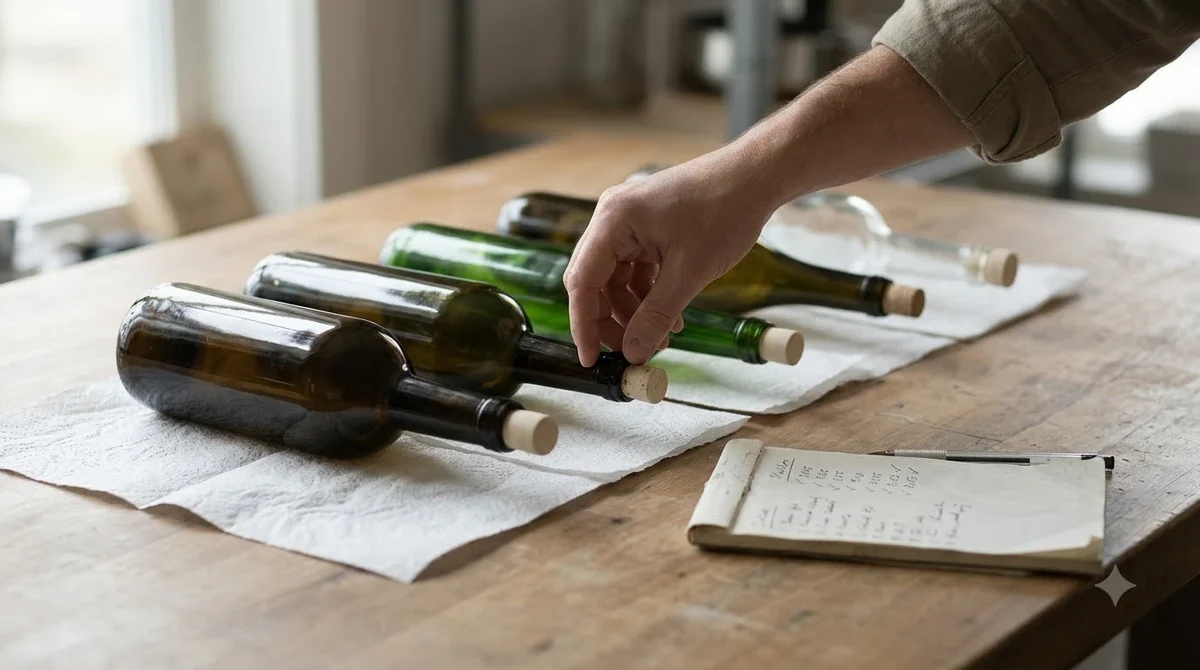
For one to four bottles tucked into a standard suitcase, dedicated leak-proof wine sleeves made of heavy-duty bubble wrap with a sealed closure offer reliable protection. Slide each bottle into its own sleeve, seal the adhesive strip, and place the bottles in the center of a hard-sided suitcase surrounded by thick sweaters, jeans, or towels on all sides. Keep bottles away from the outer walls and corners of the bag, and never let two glass bottles touch each other directly, as glass-on-glass vibration is a leading cause of mid-flight breakage.
If you regularly fly home with six to twelve bottles from wine regions, investing in a purpose-built wine suitcase with dense foam inserts or a collapsible shipper box inside a wheeled carrier provides far better impact resistance. Airline cargo holds are pressurized and temperature-controlled to keep luggage from freezing, so corks will not pop out due to altitude changes, and sparkling wine bottles are built to handle internal pressure. The bigger temperature risk happens on the ground, so avoid leaving packed wine suitcases in a hot car trunk before heading to the airport.
Tip: Weigh your packed suitcase on a bathroom or luggage scale before leaving for the airport; eight standard wine bottles plus a hard-shell bag can easily push you past a 50-pound airline weight limit.
International Customs and State Import Rules
Clearing TSA security is only half the equation when flying internationally, because U.S. Customs and Border Protection regulates how much alcohol you can bring into the country without paying import duties. Travelers aged 21 and older are generally allowed to bring back one liter of alcoholic beverage duty-free for personal use when entering the United States from abroad.
You are still permitted to bring more than one liter—such as a six-bottle or twelve-bottle wine suitcase—as long as you declare every bottle on your customs form and pay any applicable federal duty and Internal Revenue Tax on the excess amount. In practice, customs duty rates on still table wine are relatively modest per liter, and officers often waive small assessments when travelers declare their bottles honestly and keep store receipts handy. Failing to declare wine over the one-liter exemption, however, can lead to penalties and seizure of your bottles.
State laws also apply at your first port of entry in the United States, even if you are immediately connecting to another state. Some states restrict the volume of alcohol an individual may carry across international borders into their jurisdiction without a license, so checking both federal customs guidelines and the rules of your arrival airport’s state prevents surprises at baggage claim. For more foundational storage and handling pointers, browse our Wine Basics guides before planning your next vineyard trip.
Frequently Asked Questions
Can you bring a corkscrew in your carry-on bag?
The TSA prohibits corkscrews with blades—including standard waiter’s friend openers that feature a small foil cutter—in carry-on luggage, requiring them to go in checked bags. Bladeless corkscrews are generally permitted in carry-on bags, though final screening decisions always rest with the TSA officer at the checkpoint.
Will the pressure in the airplane cargo hold push the cork out of a wine bottle?
No, commercial aircraft cargo holds are pressurized to a level similar to the passenger cabin, which keeps standard corks, screw caps, and Champagne wire cages securely in place. Extreme heat before loading or blunt impact during baggage handling poses a much greater threat to your wine than cabin altitude.
Can you bring boxed wine or wine pouches on a plane?
Yes, boxed wine and flexible wine pouches follow the exact same TSA rules as glass bottles, meaning anything larger than 3.4 ounces (100 milliliters) must go in your checked luggage. Because bag-in-box wine contains 1.5 to 3 liters of liquid without fragile glass, it is lighter and less prone to shattering, though you should still seal it inside a large plastic bag in case a spout gets pressed.
How many bottles of wine fit inside a 50-pound checked bag limit?
A full 750-milliliter bottle of wine weighs roughly 2.6 to 3 pounds, so a 12-bottle wine case weighs around 32 to 36 pounds before adding the weight of the suitcase and foam inserts. Most travelers can safely pack between six and twelve bottles in a dedicated wine carrier while staying right at or under the standard 50-pound economy checked-bag allowance.
Packing wine for air travel comes down to keeping full-sized bottles in well-padded checked luggage, respecting the 3.4-ounce liquid limit at security checkpoints, and saving your tasting until after you land. Once your bottles make it home safely and you have uncorked them with friends, remember to check local glass guidelines to see can you recycle wine bottles in your curbside bin.
More in Wine Basics
 Which Rose Is Best for Your Taste, Budget, and Food PairingsUpdated Nov 21, 2026
 Is Cheap Wine Bad? How to Find Bottles Worth DrinkingUpdated Nov 21, 2026
 What To Write On A Wine Gift Tag: Thoughtful Messages For Every OccasionUpdated Nov 21, 2026
 Which Wine Is Best For Weight Loss? Compare Lower-Calorie ChoicesUpdated Nov 21, 2026
 What Is The Best Wine For Mimosas? Choose Bubbly That Balances Orange JuiceUpdated Nov 20, 2026
 Which Prosecco Is Best for Your Taste and OccasionUpdated Nov 20, 2026