

We may earn a commission when you buy through links on this page, at no extra cost to you. Learn more.
Allegrini wine refers to the acclaimed Italian red and white wines produced by the historic Allegrini family estate in Fumane, located in the heart of Veneto’s Valpolicella Classica zone. Best known for pioneering modern winemaking techniques with indigenous grapes like Corvina, Corvinone, and Rondinella, the winery produces benchmark bottles ranging from crisp everyday reds to age-worthy Amarone della Valpolicella Classico. Their portfolio balances rich dried-fruit concentration with vibrant natural acidity, earning consistent recognition from international wine publications.
Whether you encounter a bottle of Palazzo della Torre on a restaurant list or spot their flagship Amarone on a retail shelf, understanding how this family estate works will help you pick the right bottle for dinner. Among classic Italian wine brands, Allegrini stands out for reshaping how hillside vineyards in northeastern Italy are farmed and vinified.
Who Makes Allegrini Wine
The Allegrini family has farmed land in Fumane, one of the five historic villages of Valpolicella Classica near Verona, since the sixteenth century, with the modern estate taking shape in 1854. Today, the third generation—Francesco, Giovanni, Matteo, and Silvia Allegrini—oversees roughly 150 hectares of estate-grown hillside vineyards across the region.
Modern recognition for Allegrini wine stems largely from the work of Giovanni Allegrini in the mid-twentieth century and his late son Franco Allegrini. Rather than relying solely on heavy, rustic extraction, Giovanni pushed for stricter grape selection, higher vineyard planting density, and single-site bottling. He famously planted the high-elevation plateau of La Poja exclusively to Corvina in 1979, proving that local grapes could stand alone without blending.
Franco Allegrini later modernized the traditional appassimento drying process—where harvested grapes rest in ventilated lofts to lose water weight and concentrate sugars—by introducing strict airflow and temperature controls in their Terre di Fumane facility. He also paired traditional large oak casks with smaller French oak barriques, crafting wines that emphasize aromatic precision and fresh acidity over heavy sweetness.
The Allegrini Wine Lineup
Allegrini produces a tiered portfolio centered on native Veronese red varieties, alongside select white wines from neighboring appellations like Lugana and Soave. The official Allegrini winery categorizes its core Valpolicella releases by vineyard elevation, grape drying methods, and oak aging regimens.
| Wine Name | Appellation | Key Grapes | Winemaking Style | Typical ABV |
|---|---|---|---|---|
| Valpolicella Classico | Valpolicella Classico DOC | Corvina Veronese, Rondinella | Fresh grapes, stainless steel maturation | 12.5% – 13.0% |
| Palazzo della Torre | Veronese IGT | Corvina Veronese, Corvinone, Rondinella | 70% fresh grapes blended with 30% dried grapes; 15 months in barrique | 13.5% – 14.1% |
| La Grola | Valpolicella Classico Superiore DOC | Corvina Veronese, Oseleta | Single-vineyard hillside fruit; oak barrel maturation | 13.4% – 14.0% |
| La Poja | Corvina Veronese IGT | 100% Corvina Veronese | Single-plateau cru; 20 months in barrique plus bottle rest | 14.5% – 15.0% |
| Amarone della Valpolicella Classico | Amarone della Valpolicella Classico DOCG | Corvina, Corvinone, Rondinella, Oseleta | 100% appassimento grapes dried 3–4 months; aged in barrique and large casks | 15.8% – 16.3% |
| Fieramonte | Amarone della Valpolicella Classico Riserva DOCG | Corvina, Corvinone, Rondinella, Oseleta | High-altitude single vineyard; 48 months in barrique | 16.0% – 16.5% |
Palazzo della Torre serves as the estate’s most widely recognized signature bottle, having appeared six times in Wine Spectator’s Top 100 rankings. Instead of using the standard ripasso method of re-fermenting wine over leftover Amarone pomace, Allegrini harvests two separate batches: 70 percent is fermented fresh in September, while 30 percent dries until December before fermentation, and the two wines are blended prior to oak aging.
At the top of the hierarchy sit single-vineyard releases like La Grola, La Poja, and the rare Riserva Amarone Fieramonte. Reviewers at Decanter regularly highlight how these hilltop sites—planted on calcareous clay and limestone soils—deliver structural tension and longevity that separate them from entry-level Veneto reds.
Taste Profile and Winemaking Style
Across the entire Allegrini wine range, the house signature is built on bright sour-cherry fruit, savory spice, and firm natural acidity rather than jammy residual sugar. Even in their full-bodied Amarone releases, analytical data from the winery shows residual sugar stays remarkably dry, typically hovering around 3.3 to 3.4 grams per liter.
In younger, non-dried expressions like Valpolicella Classico and La Grola, expect aromas of crushed red cherries, wild blackberries, violets, and cracked black pepper. The inclusion of Oseleta—an ancient, thick-skinned Veronese grape that Allegrini helped rescue from near extinction—adds deep color, dark plum notes, and firm tannic grip to select blends.
When appassimento enters the picture in Palazzo della Torre, Amarone, and Fieramonte, the flavor spectrum shifts toward dried figs, Morello cherry compote, dark chocolate, espresso, and sweet baking spices like clove and cinnamon. Because the grapes are dried in cool, well-ventilated hillside facilities without noble rot, the finished wines retain a clean, lifted finish despite alcohol levels reaching above 16 percent.
How to Serve and Pair Allegrini Wine
Serving temperature and aeration make a dramatic difference with Valpolicella wines, particularly because their alcohol levels span from light-bodied table reds to intense, high-ABV Amarone. Treating every bottle the same way can either mute delicate floral aromatics or exaggerate alcohol warmth on the palate.
For lighter bottles like Valpolicella Classico, serve the wine slightly cool at 55°F to 60°F (13°C to 15°C) in a standard medium-sized red wine glass. If you are looking for crisp, approachable profiles suited for casual afternoons—similar to how people enjoy Avaline white wine on warm days—chilling a basic Valpolicella for 20 minutes in the refrigerator brings out its snappy red berry crunch.
For Palazzo della Torre, La Grola, La Poja, and Amarone, aim for a cellar temperature of 64°F to 68°F (18°C to 20°C) and use a large, wide-bowled Burgundy or Bordeaux glass. Decanting these fuller-bodied reds for at least one to two hours before dinner softens their youthful tannins and allows secondary notes of leather, dried herbs, and cocoa to open up.
Tip: Never serve Amarone at warm room temperature above 70°F, as heat amplifies its 16 percent alcohol and masks the subtle dried-flower and spice notes.
At the dinner table, match the weight of the dish to the wine’s drying method:
- Valpolicella Classico: Pairs effortlessly with Margherita pizza, charcuterie boards, roasted poultry, and tomato-based pasta dishes.
- Palazzo della Torre: The producer recommends eggplant parmigiana, baked lasagna, chorizo paella, and spiced dishes like Indian butter chicken, where the wine’s touch of dried-fruit richness balances warm spices.
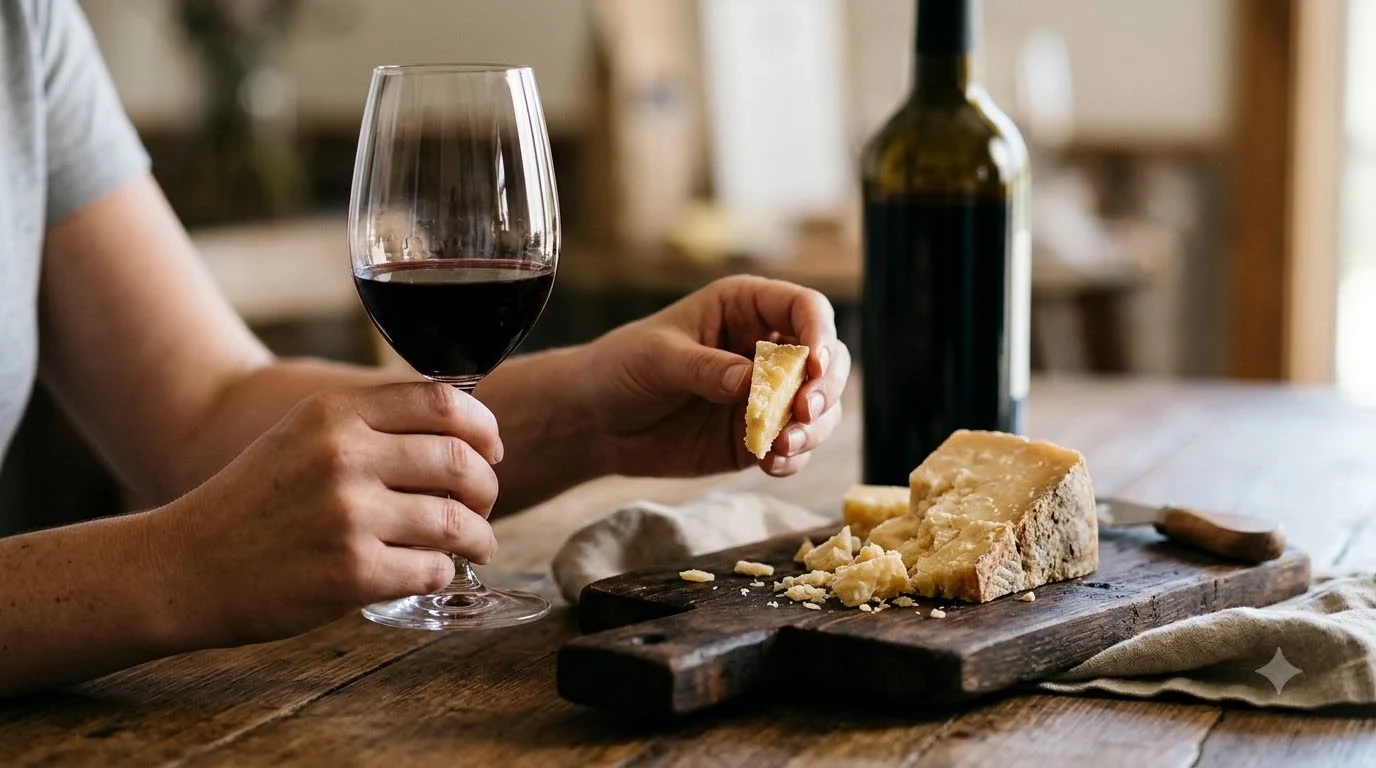
- La Grola and La Poja: Best alongside mushroom risotto, duck breast, grilled lamb chops, and aged hard cheeses like Parmigiano-Reggiano.
- Amarone and Fieramonte: Built for slow-braised short ribs, osso buco, venison, and aged Gorgonzola or Pecorino cheeses.
Who Allegrini Wine Suits Best
Allegrini wine appeals strongly to drinkers who appreciate structured, savory Old World reds that prioritize food compatibility over overt sweetness. Fans of Pinot Noir, Sangiovese, or Northern Rhône Syrah often gravitate toward La Grola and La Poja for their floral aromatics, herbal complexity, and chalky mineral finish.
At the same time, Palazzo della Torre and Allegrini Amarone offer an inviting bridge for drinkers accustomed to plush, full-bodied reds. If you typically enjoy fruit-forward American red blends such as 14 Hands Hot to Trot wine, Palazzo della Torre provides a familiar sense of velvety texture and dark berry richness while introducing classic Italian acidity and spice.
Collectors and patience-minded buyers also favor Allegrini’s top cuvées for cellar aging. While entry-level Valpolicella Classico is meant to be enjoyed within two to three years of the vintage, single-vineyard La Poja and Amarone della Valpolicella Classico routinely evolve for 15 to 20 years in a cool cellar, developing complex tertiary notes of truffle, cedar, and dried cherry.
Frequently Asked Questions
Is Allegrini wine sweet or dry?
Allegrini’s core red wines—including Palazzo della Torre, La Grola, La Poja, and Amarone—are fermented fully dry. Even though Amarone is made from partially dried grapes, technical sheets from the winery show residual sugar is only around 3.4 grams per liter, which registers as dry on the palate. The only sweet wine in their traditional lineup is Recioto della Valpolicella Classico, a dedicated dessert wine.
What is the difference between Allegrini Valpolicella and Amarone?
The main difference comes down to whether the grapes are dried before fermentation. Valpolicella Classico is made from freshly harvested grapes pressed immediately, yielding a lighter, vibrant red around 12.5 to 13 percent ABV. Amarone is made from grapes dried for three to four months in ventilated lofts, concentrating sugars and flavors to create a dense, full-bodied wine around 16 percent ABV.
How long should you decant Allegrini Amarone?
Plan to decant Allegrini Amarone della Valpolicella Classico for at least one to two hours before serving, especially for vintages under ten years old. Exposure to oxygen helps blow off initial alcohol warmth, softens firm tannins, and unlocks layered aromas of dark chocolate, dried cherry, and baking spices.
Does Allegrini make non-alcoholic wine?
No, Allegrini focuses exclusively on traditional alcoholic wines from Veneto and Tuscany, with alcohol levels typically ranging from 12.5 percent to over 16 percent ABV. If you are looking for alcohol-removed alternatives for dinner pairings, you will need to explore dedicated dealcoholized producers like Ariel wine instead.
From vibrant everyday Valpolicella Classico to cellar-worthy single-vineyard Amarone, Allegrini wine captures the range and character of northern Italy’s most famous red wine region. Choosing the right bottle comes down to matching the wine’s intensity—and whether dried grapes played a role in its creation—to the meal on your table.
More in Wine Brands
 Underwood Wine Price: Compare Bottles, Cans, and Pack SizesUpdated Nov 21, 2026
 Zenato Wine Price: Compare Styles and Choose the Right BottleUpdated Nov 21, 2026
 Zuccardi Wine Price: Compare Bottles and Find the Right RangeUpdated Nov 21, 2026
 Yellow Tail Moscato Review: Taste, Sweetness and Serving TipsUpdated Nov 21, 2026
 Wolf Blass Yellow Label Review: Choose Your Best StyleUpdated Nov 21, 2026
 Wolffer Estate Rose Review: Choose the Right Bottle for Your TableUpdated Nov 21, 2026