

We may earn a commission when you buy through links on this page, at no extra cost to you. Learn more.
Pairing champagne with turkey works exceptionally well because Champagne’s brisk acidity and fine carbonation cleanse the palate between bites of rich poultry, buttery stuffing, and savory gravy. Unlike heavy red wines whose firm tannins can clash with lean white meat or tart cranberry sauce, sparkling wine lacks tannin and brings refreshing lift to the entire plate. Choosing a Pinot Noir-dominant Brut, a structured Brut Rosé, or an aged vintage bottle gives you the body needed to match both light and dark meat from the first toast through dessert.
Most hosts treat sparkling wine as a welcome pour before dinner and switch to still Pinot Noir or Chardonnay once the carving knife comes out. Keeping Champagne on the table for the main course solves one of the trickiest pairing puzzles in home entertaining: a single plate loaded with mild protein, salty pan drippings, sweet root vegetables, and sharp fruit condiments.
Why Champagne Works With Roast Turkey
Champagne succeeds alongside roast turkey because high natural acidity, lively effervescence, and virtually zero astringent tannin allow the wine to refresh your palate without overpowering delicate poultry. Those structural traits act like a culinary reset button after every forkful of rich, savory holiday food.
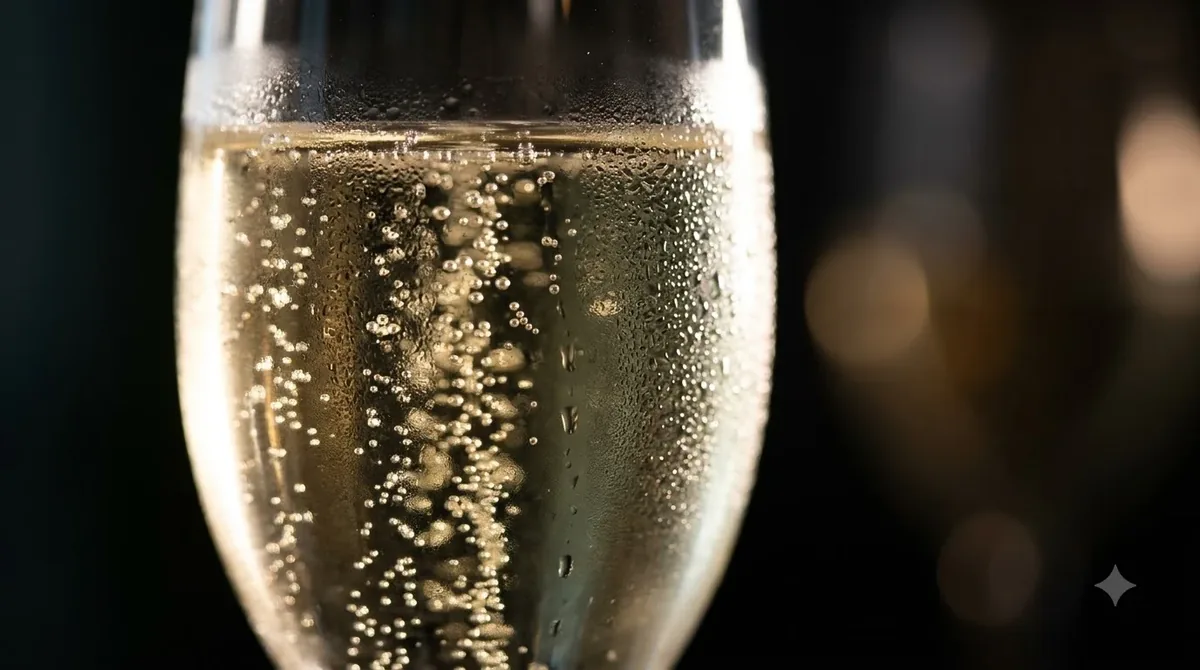
As Wine Folly’s guide to pairing Champagne with main courses notes, sparkling wines lack the drying tannins of bold red wines while carrying the crisp acidity needed to scrub fat and salt from the tongue. A traditional turkey dinner combines contrasting textures—lean breast meat, richer dark meat from the legs and thighs, butter-soaked dressing, and thick gravy. Heavy Cabernet Sauvignon or heavily oaked white wines can easily bury subtle turkey flavor or turn bitter next to sweet-tart cranberry relish.
Traditional-method Champagne also brings savory, yeast-derived complexity from extended aging on its lees. Aromas of toasted brioche, roasted hazelnuts, baked orchard fruit, and chalky minerality mirror the browned skin and herb aromatics of a freshly roasted bird. Rather than competing with sage, thyme, and rosemary, those autolytic notes echo the caramelized flavors developed in the roasting pan.
For hosts exploring broader champagne food pairing ideas, turkey is one of the most forgiving centerpieces you can serve. Because sparkling wine relies on acidity and bubble texture rather than heavy alcohol or wood extraction, a single style can bridge appetizers, the main platter, and savory side dishes without forcing guests to juggle multiple glasses.
Best Champagne Styles for Different Turkey Preparations
The ideal Champagne style depends on how you cook the bird and which cuts you favor, with Pinot Noir-driven blends, Blanc de Blancs, Brut Rosé, and vintage bottlings each suiting specific flavor profiles. Matching the weight and dosage of the wine to your cooking method ensures neither the bird nor the bottle feels out of balance.
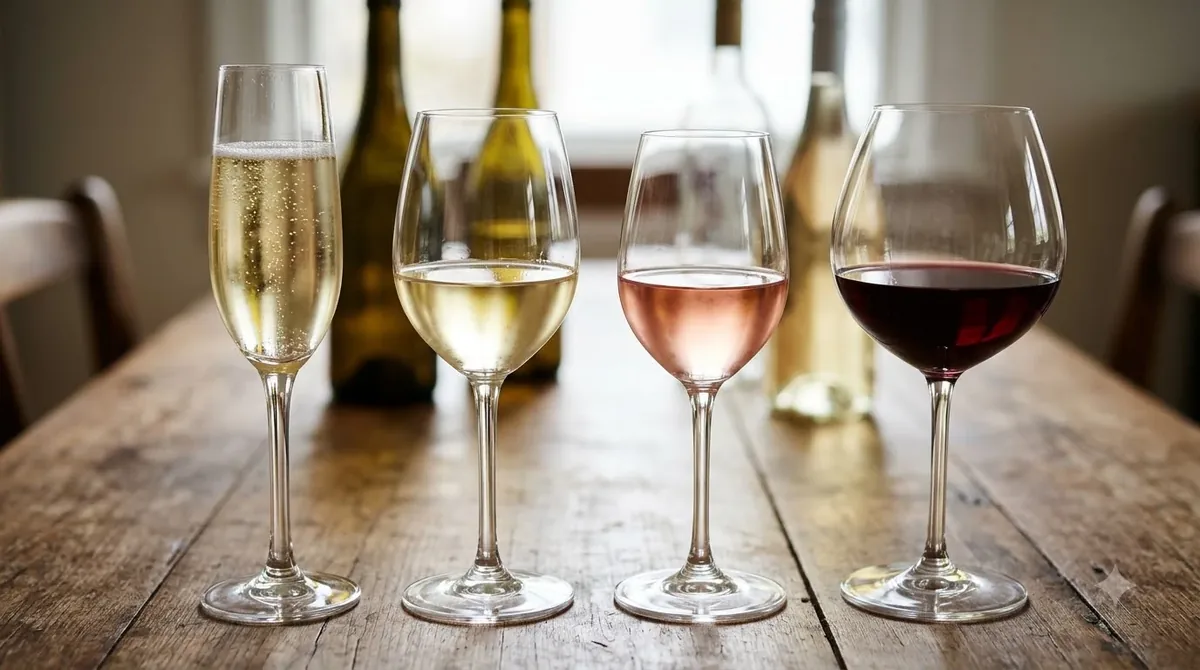
For a classic oven-roasted turkey basted with butter and herbs, a Pinot Noir-dominant Brut or a cuvée blended with older reserve wines offers ideal mid-palate weight. Pinot Noir and Pinot Meunier supply red-berry depth and vinous structure that stand up to dark thigh meat and pan gravy while staying nimble enough for sliced breast. Reviewers at Wine Enthusiast’s Thanksgiving pairing guide also highlight Blanc de Blancs and Pinot Noir Rosé as standout choices capable of handling diverse holiday plates.
If you are serving deep-fried turkey, lean toward a crisp, high-acid Blanc de Blancs made purely from Chardonnay. Its citrus zest, green apple, and chalky tension slice straight through crispy fried skin and oil without feeling heavy. Smoked turkey calls for a different direction: an aged vintage Champagne or a richer, oak-influenced bottling whose nutty, smoky, and toasted spice notes harmonize with wood smoke.
| Turkey Preparation or Cut | Best Champagne Style | Key Flavor & Structural Match |
|---|---|---|
| Classic Herb-Roasted Turkey | Pinot Noir-Dominant Brut | Vinous body and red-fruit depth match both white and dark meat plus pan gravy |
| Deep-Fried Turkey | Blanc de Blancs (Brut or Extra Brut) | Laser-like Chardonnay acidity and fine bubbles cut through crunchy, rich skin |
| Smoked Turkey | Aged Vintage Champagne | Toasted brioche, roasted nut, and spice notes complement subtle wood smoke |
| Turkey With Cranberry & Sweet Sides | Brut Rosé or Demi-Sec | Ripe strawberry and cherry fruit or gentle dosage prevents dry, tart clashes |
When your menu leans heavily toward sweet glazes, candied yams, or prominent cranberry sauce, Brut Rosé is one of the smartest pours on the table. Its vibrant red-fruit aromatics echo berry condiments naturally, and if your sides are noticeably sweet, stepping up from Extra Brut to a standard Brut or lightly sweeter Demi-Sec keeps the wine from tasting sharp.
Navigating Classic Turkey Sides With Champagne
Champagne handles a crowded holiday plate better than most still wines because its bright acidity cuts through creamy, starchy dishes while its fruit character softens tart or sweet sides. Paying attention to sweetness levels across your side dishes helps you pick a bottle that stays balanced with every bite.
Savory, fat-rich sides are where dry Champagne shines brightest. Herb stuffing, sausage dressing, mashed potatoes loaded with butter, and rich mushroom or giblet gravy all coat the palate. A Brut Champagne with brisk acidity and lively mousse clears that richness immediately, keeping your palate fresh halfway through a large meal. Green vegetable dishes like roasted Brussels sprouts or green beans also benefit from the citrus and mineral snap of Chardonnay-driven bubbles.
Sweet and tart accompaniments require a little more care. Very sweet marshmallow-topped sweet potatoes or intensely tart cranberry sauce can make a bone-dry Zero Dosage or Extra Brut Champagne feel overly austere and sour. Choosing a classic Brut—which carries a small touch of balancing dosage—or a fruit-forward Rosé bridges that gap cleanly. These principles mirror the broader rules of Grape x Food balance, where acid meets fat and fruit weight meets sweetness.
How to Chill, Open, and Serve Champagne at Dinner
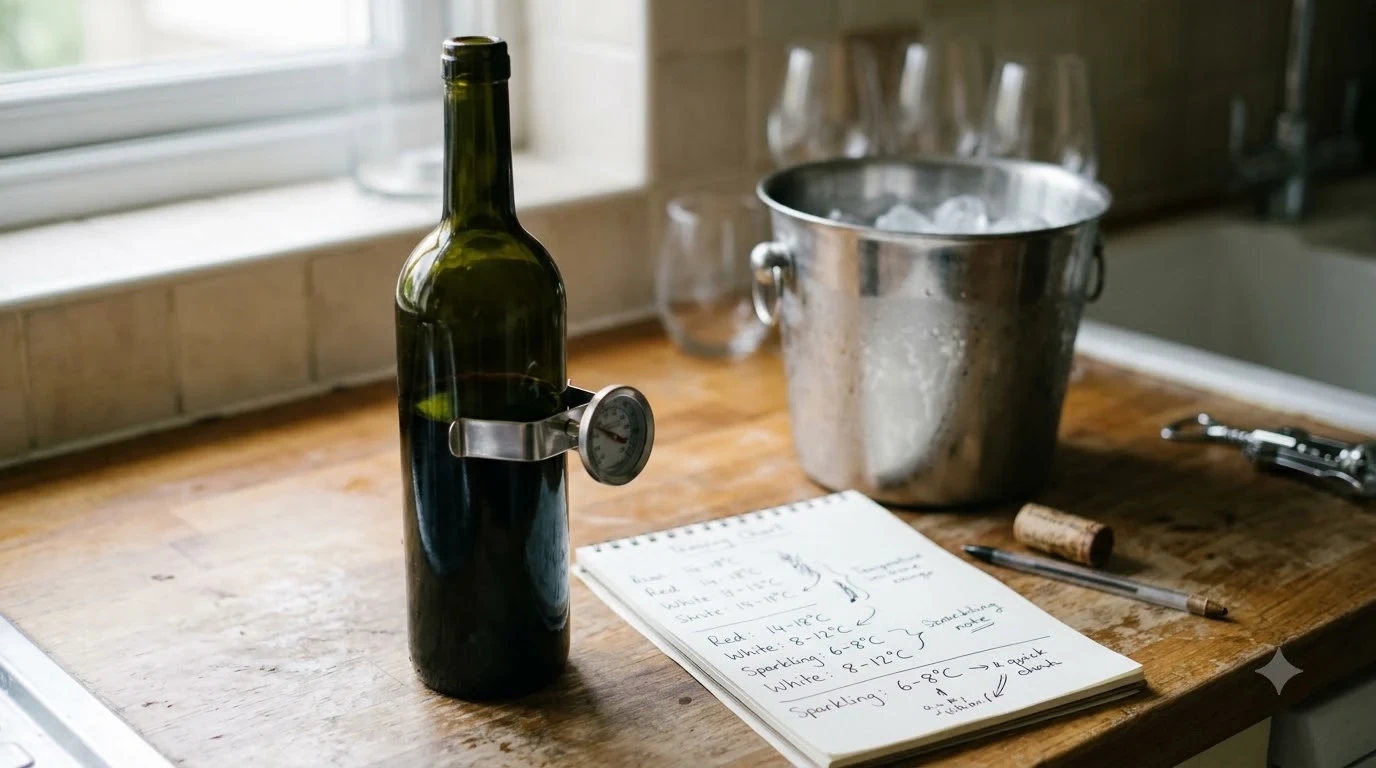
According to official guidelines from the Comité Champagne, non-vintage Champagne is best served between 46°F and 50°F (8°C to 10°C), while richer vintage and rosé styles open up best slightly warmer at 50°F to 54°F (10°C to 12°C). Serving sparkling wine at the right temperature preserves fine bubbles without numbing its complex food-friendly aromas.
Chilling Champagne too aggressively—below roughly 43°F (6°C)—mutes its toasted brioche, orchard fruit, and floral nuances, leaving you with mostly coldness and sharp acidity. Place unopened bottles in a standard kitchen refrigerator for three to four hours before dinner, or submerge them in a bucket filled with equal parts ice and cold water for about 25 to 30 minutes. Adding water alongside ice cubes creates full surface contact around the glass and chills the bottle far more evenly than ice alone.
Glassware also plays a major role when pairing sparkling wine with a hearty meal. Skip narrow, straight-sided flutes, which trap aromas and restrict the wine’s texture. Instead, pour Champagne into standard tulip-shaped sparkling glasses or classic all-purpose white wine stems. The wider bowl gives the wine room to breathe as it warms slightly on the table, letting savory lees character and ripe fruit expand alongside your turkey. If you are planning a more casual pre-dinner party spread or playful dessert table, save novelty formats like a champagne jello shots recipe for after-dinner fun rather than the main roast.
Tip: Avoid leaving an opened bottle buried in an ice bucket throughout dinner; return it to the ice-and-water bath for 10 minutes only when the wine warms above 54°F so its savory aromas stay expressive with the food.
Planning Bottle Counts and Pacing for a Crowd
A standard 750-milliliter bottle of Champagne yields roughly five to six pours, so planning for half a bottle to one full bottle per wine-drinking guest ensures you will not run dry during a multi-course turkey dinner. Pacing your pours across the evening keeps the meal lively and prevents palate fatigue.
Because Champagne is lower in alcohol than many bold New World reds—typically sitting around 12% to 12.5% ABV—guests can enjoy a glass during cocktail hour and another with dinner without feeling weighed down. If you are hosting a group of eight wine drinkers, having four to six bottles chilled and ready gives you comfortable coverage from welcome snacks through the main platter. Hosts who love versatile, acid-driven pairings for complex spice and savory plates—much like choosing the best wine with mexican food—often find that opening two different styles of bubbly creates an effortless mini-tasting at the table.
Start guests with a crisp, dry non-vintage Brut or Blanc de Blancs alongside salty appetizers like oysters, roasted nuts, or soft cheeses to awaken the appetite. Once the turkey and side dishes reach the table, transition to a fuller-bodied Pinot Noir blend, Brut Rosé, or vintage bottle. Storing backup bottles in a cool pantry or wine fridge away from kitchen oven heat ensures every subsequent bottle opens cleanly and pours at an ideal temperature.
Frequently Asked Questions
Is Brut or Extra Brut Champagne better with roast turkey?
Standard Brut is usually the safer and more versatile choice for a full turkey dinner. While bone-dry Extra Brut excels with salty appetizers or fried skin, the small touch of dosage in classic Brut keeps the wine balanced against sweet root vegetables, glaze, and tart cranberry sauce.
Can you serve Rosé Champagne with turkey?
Yes, Brut Rosé is one of the best sparkling styles for turkey because its Pinot Noir structure handles both white and dark meat effortlessly. Its natural strawberry, raspberry, and cherry notes also harmonize with cranberry sauce and herb stuffing without adding heavy tannins.
What glass should I use when drinking Champagne with dinner?
Use a tulip-shaped sparkling glass or a standard white wine glass rather than a skinny flute. A wider bowl allows the wine’s toasted brioche, orchard fruit, and savory aromatics to open up so the Champagne feels like a true dinner wine rather than just a celebratory toast.
Do I have to buy French Champagne, or do other sparkling wines work with turkey?
While French Champagne offers unmatched yeasty depth, any dry traditional-method sparkling wine—such as Crémant de Loire, Spanish Cava, or American sparkling Pinot Noir—works wonderfully with turkey. Look for bottles aged on their lees so they bring enough body and toasted complexity to match rich gravy and stuffing.
Serving champagne with turkey turns a familiar holiday or Sunday roast into a brighter, more balanced meal from start to finish. By matching the style of bubbly to your cooking method and pouring it slightly warmer than ice-cold in a proper wine glass, you get a single bottle that flatters every dish on the table.
More in Food & Wine Pairing
 Risotto With White Wine Recipe: Make a Creamy Dinner at HomeUpdated Nov 20, 2026
 Wassail With Wine Recipe for a Festive Spiced Holiday DrinkUpdated Nov 20, 2026
 Spritz Veneziano Recipe: Make a Classic Venetian Aperitivo at HomeUpdated Nov 20, 2026
 Summer Wine Punch Recipe for Easy Homemade EntertainingUpdated Nov 20, 2026
 Bishop Recipe: How to Make a Bright, Citrus-Forward Red Wine CocktailUpdated Nov 20, 2026
 Wine Cupcakes Recipe: Bake Rich Chocolate Cupcakes at HomeUpdated Nov 20, 2026