

We may earn a commission when you buy through links on this page, at no extra cost to you. Learn more.
What is zinfandel? It is a dark-skinned red wine grape that is closely identified with California, and DNA studies show it is the same variety as Croatia’s Crljenak kaštelanski and Italy’s Primitivo. Zinfandel usually makes bold, fruit-forward red wines with noticeable spice. It is also the name of a sweet pink style called White Zinfandel, which is a different product.
This guide explains where zinfandel comes from, what the wines taste like, and how the red grape differs from White Zinfandel. It also covers regions, food matches and practical buying advice, so you can choose a bottle with confidence.
What Is Zinfandel?
Zinfandel is a black-berried grape used to make red wine. Winemakers grow it for dry red wines, and it is the only important Vitis vinifera wine variety that is closely identified with California, according to the University of California, Davis. Its wines are often rich, ripe and full-bodied.
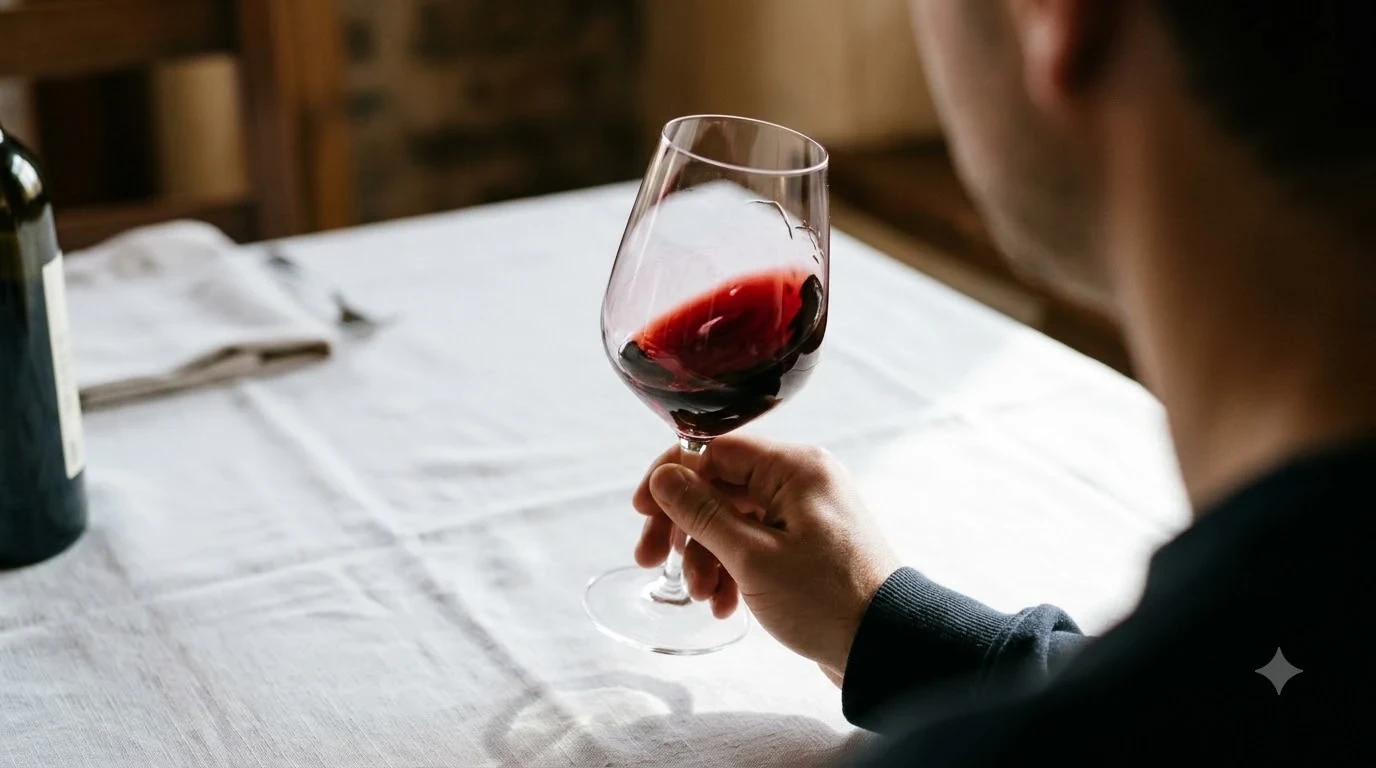
Most people meet zinfandel as a dry red on a restaurant list or store shelf. The grape’s skins are thick enough to give the wine deep color and firm structure. Growers often describe the flavor as berry-driven, with a peppery lift when the vines are shaded and a sweeter jammy character when the fruit ripens fully.
Zinfandel is not the same as a wine labeled simply as a blend. Many bottles that carry the name are 100 percent zinfandel, but some producers blend it with other red grapes. Check the back label to see whether the wine is a single-variety bottle or a blend.
Where Zinfandel Comes From
Zinfandel’s origin is a mix of genetics and history. Modern DNA analysis links it to two other grapes. Researchers found that California’s Zinfandel, Italy’s Primitivo and Croatia’s Crljenak kaštelanski share the same genetic profile.
The story of how the grape reached California is less certain. Historians believe it arrived around 1850, probably by way of the East Coast, where it was grown as a hothouse table grape in the early 1800s. Early records use many spellings, which is one reason the name is hard to trace.
By the 1880s, zinfandel was one of the most widely planted wine grapes in the state. Researchers at the university recognized its strength in the warm interior, and it became a foundation of California’s red wine industry. Today it remains closely tied to the state’s identity. For a deeper history, the UC Davis history of California zinfandel covers the early records in detail.
Zinfandel Flavor Profile and Style
Zinfandel wines tend to be bold, ripe and easy to recognize. The most common aromas and flavors are blackberry, raspberry, plum and black pepper. Oak aging can add vanilla, clove and baking spice.
The style depends heavily on vineyard conditions and winemaking. Vines grown in cooler coastal areas typically give brighter acidity and more restrained fruit. Warm inland vineyards usually produce riper, richer wines with higher alcohol and softer tannins.
Clone choice also shapes the glass. Foundation Plant Services describes several California heritage zinfandel selections chosen for loose clusters and small berries. Producers who use these clones often report more concentrated flavor. The Foundation Plant Services zinfandel variety record lists the clones and their sources.
Zinfandel vs. White Zinfandel
Zinfandel and White Zinfandel share a name but little else. The red grape makes dry, structured wines, while White Zinfandel is a light pink, sweeter style. Shoppers who expect the red version can be surprised by the difference.
| Feature | Zinfandel (red) | White Zinfandel |
|---|---|---|
| Color | Deep red to purple | Pale pink or blush |
| Sweetness | Usually dry | Usually noticeably sweet |
| Body | Medium to full | Light |
| Main flavors | Blackberry, pepper, spice | Strawberry, melon, candy notes |
| Typical pairing | Grilled meats, hearty dishes | Spicy snacks, lighter fare |
White Zinfandel is made from the same grape, but winemakers remove the skins early so the juice takes on only a pale tint. That method, along with added sweetness, creates a different product. If you want a sweeter pink wine, the what is white zinfandel guide explains the style in more depth.
Best Zinfandel Regions in the United States
Zinfandel grows across much of California, and its best sites depend on climate and soil. The largest planted areas are in the Central Valley, but many premium wines come from cooler coastal and mountain vineyards.
San Joaquin County holds the largest share of the state’s zinfandel vines. The Lodi area is known for its warm days and marine breezes from the delta, which suit producers making accessible, fruit-rich bottles. Sonoma County, especially Dry Creek Valley, has long been known for zinfandel with structure and spice.
Napa County, Mendocino County and Lake County also produce notable zinfandel. Lake County vineyards near Mount Konocti grow fruit-forward examples, while Mendocino wines often show brighter acidity. Look for the appellation on the label to learn where the grapes were grown.
Food Pairings for Zinfandel
Zinfandel’s ripe fruit and peppery spice make it a flexible red for many meals. Its firm tannins and warmth stand up to rich, smoky and grilled foods. Lighter zinfandels can work well with a wider range of dishes.
Good matches include barbecue ribs, grilled sausages, burgers, roast chicken with herbs and aged cheddar. Tomato-based dishes such as pasta with meat sauce or pizza also pair well. Spicy foods can work too, since the fruit softens the heat, though very hot dishes may overwhelm a delicate bottle.
Serve zinfandel slightly cooler than room temperature for the best balance. Pour a moderate amount, and pace yourself, since higher-alcohol bottles can feel stronger than they taste. Drink responsibly, and never drink and drive.
How to Buy and Store Zinfandel
Start by deciding which style you want. Bottles from cooler coastal sites tend to be lighter and more structured, while inland bottles are often bolder and riper. Read the label for the region and the alcohol level, which the producer must list.
- Check the label for the word zinfandel and confirm it says red or dry rather than pink or blush.
- Look for the appellation to learn the region, since it often predicts the style.
- Note the alcohol percentage on the label, as higher numbers usually mean a fuller wine.
- Store unopened bottles on their side in a cool, dark place away from heat and sunlight.
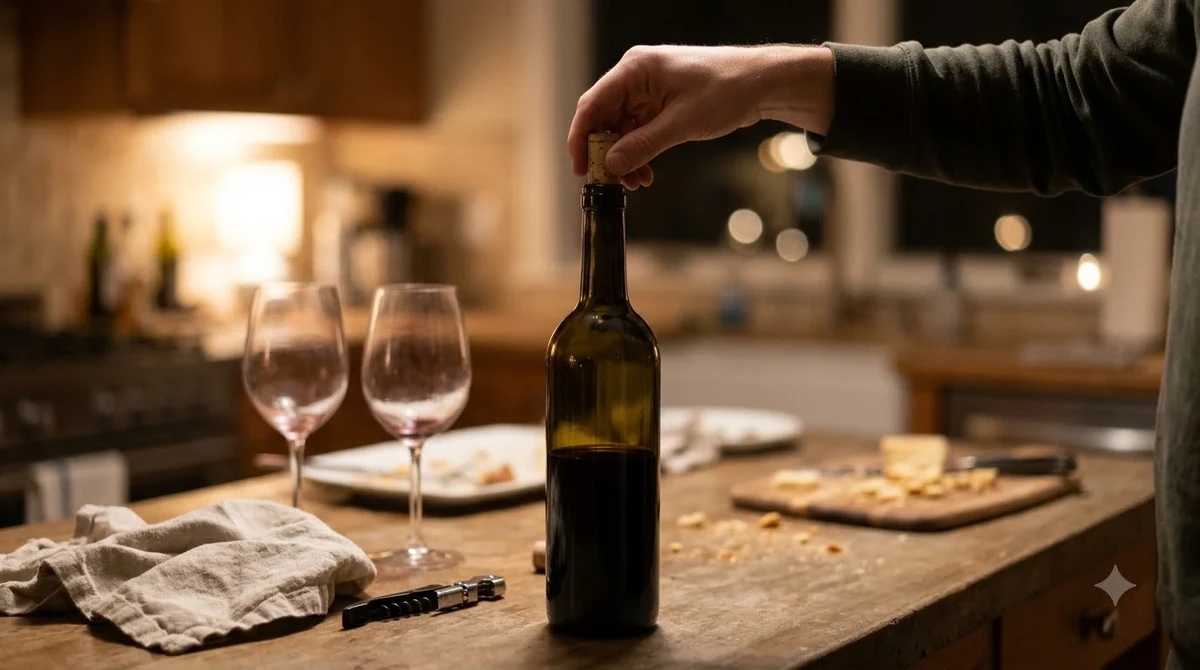
- After opening, reseal the bottle and refrigerate it for a short time before serving, then let it warm slightly.
Tip: If you are new to zinfandel, start with a bottle labeled from a cooler coastal region. You will see how the grape’s fruit and spice show up before you move to bolder styles. For a broader view of styles, browse the Wine by Type section.
Frequently Asked Questions
Is zinfandel a red or white wine?
Zinfandel is a red grape, and most bottles are dry red wines. The name also appears on White Zinfandel, which is a pale pink and usually sweet wine made from the same grape. Always check the color on the label.
Is zinfandel the same grape as Primitivo?
DNA analysis shows that zinfandel and Italy’s Primitivo share the same genetic profile. Some clonal differences have developed over time because the two populations were separated for a long period. Croatia’s Crljenak kaštelanski is also part of this group.
What does zinfandel taste like?
Red zinfandel usually tastes of blackberry, plum and black pepper. Oak aging can add vanilla and baking spice. Cooler vineyards often give brighter acidity, while warm vineyards produce riper, richer flavors.
Where is zinfandel grown the most?
California grows the most zinfandel, with the largest plantings in San Joaquin County. Sonoma, Napa, Mendocino and Lake counties also produce notable wines. Check the appellation on the label to see where your bottle came from.
Zinfandel is a red grape with a rich history and a bold, fruit-forward style. Start with a dry red from a region you like, then compare a few bottles to find the style you prefer. Use the White Zinfandel guide if you want to understand the sweeter pink version.
More in Wine Types & Grapes
 Zinfandel Sugar Content: Dry Red vs. White Zinfandel GramsUpdated Nov 21, 2026
 Best Zinfandel Substitute Options for Sipping and CookingUpdated Nov 21, 2026
 Zweigelt Food Pairing: Best Dishes, Cheeses, and Serving TipsUpdated Nov 21, 2026
 Zinfandel Tannins Explained: How Structure Shapes Every BottleUpdated Nov 21, 2026
 Zinfandel Sweetness Level: Dry Red vs. Sweet White Zin ExplainedUpdated Nov 21, 2026
 Xinomavro Food Pairing: Best Dishes, Styles, and Serving TipsUpdated Nov 21, 2026