

We may earn a commission when you buy through links on this page, at no extra cost to you. Learn more.
The best wine with ribs is a fruit-forward, medium- to full-bodied red with bright acidity and moderate tannins, such as California Zinfandel, Grenache, or Syrah. Because ribs combine rich rendered fat, smoky char, and either savory spices or sweet-tangy glazes, the wine must balance both the meat and the sauce without turning bitter. For sticky, tomato-sweet pork ribs, ripe Zinfandel or off-dry sparkling rosé shines, while heavy beef ribs call for structured bottles like Cabernet Sauvignon, Malbec, or Australian Shiraz.
Selecting a bottle for rib night is rarely about matching the animal alone; it is about matching the glaze, rub, and smoke level on the rack. Whether you are slow-smoking baby backs in the backyard, braising beef short ribs in the oven, or ordering a dry-rubbed Memphis platter, the right pour cuts through richness and amplifies every caramelized bite.
What Wine Goes With Ribs: The Core Flavor Rule
To figure out what wine goes with ribs, look first at the sauce or spice rub on the outside of the meat, then consider whether you are serving pork or beef. Sweetness, vinegar, smoke, and chili heat dictate how a wine behaves on your palate far more than the cut of meat underneath.
Food and wine pairing relies on a simple physiological interaction between fat, salt, sugar, and tannin. As explained in Wine Folly’s guide to grilling and barbecue pairings, meat protein and rendered fat naturally bind to wine tannins, softening bold red wines so they taste smoother alongside grilled cuts. However, once a thick, sugary barbecue sauce enters the picture, high-tannin dry reds can suddenly taste harsh, astringent, and thin because sugar amplifies bitterness and acidity.
Smoke and chili spice add two more variables to the equation. Light to moderate wood smoke bridges nicely with wines that carry subtle baking spice, pepper, or gentle oak notes, whereas heavy smoke paired with heavily toasted oak can quickly overwhelm the palate. Meanwhile, capsaicin from cayenne or chipotle glazes magnifies alcohol heat, meaning high-ABV reds can feel fiery alongside spicy ribs unless you cool the bottle down or choose a lower-alcohol, lightly sweet white or rosé.
Wine Pairing With Ribs by Sauce and Rub Style
A successful wine pairing with ribs depends on matching the dominant flavor profile of your glaze or dry rub. Sweet tomato sauces need ripe fruit, vinegar mops demand crisp acidity, and savory spice rubs welcome structured, peppery reds.
Sweet, sticky tomato-based sauces—classic in Kansas City and St. Louis styles—require a wine with generous, sun-ripened fruit so the bottle does not taste sour next to brown sugar or molasses. California Zinfandel (or Italian Primitivo) is the quintessential choice here, delivering jammy blackberry, black cherry, and cracked pepper flavors with supple tannins. Reviewers at Wine Enthusiast also highlight sparkling wines such as Italian Franciacorta and California sparkling rosé for saucy St. Louis ribs, noting that vibrant bubbles and crisp orchard fruit lift heavy, sweet tomato glazes.
Savory dry rubs built around paprika, garlic, cumin, brown sugar, and black pepper leave the natural pork or beef flavor front and center without a sticky sugar coating. Without excess sweetness to clash with tannins, you can reach for medium-bodied, savory reds like Grenache, Tempranillo, or carbonic-macerated red blends. These bottles bring bright red berry fruit, earthy undertones, and enough grip to complement the bark on the ribs without overpowering tender meat.
Vinegar- and mustard-based sauces, common across the Carolinas, pack sharp tanginess that strips away the fruitiness of heavy reds. Instead, match that high acidity with equally zesty bottles such as dry rosé from Provence or Tavel, Spanish Cava, or an off-dry Vouvray made from Chenin Blanc. When chili heat is the star—such as chipotle glazes or hot honey ribs—an off-dry German Riesling (like a Mosel Kabinett) cools the palate with subtle residual sugar and electric citrus acidity.
Pork Ribs vs. Beef Ribs: Adjusting Body and Tannin
While sauce sets the flavor direction, the difference between pork and beef ribs determines how much structural weight and tannin your wine needs. Pork ribs are sweeter and slightly lighter, whereas beef ribs are deeply savory, denser, and higher in marbling.
Baby back ribs and St. Louis-style spare ribs come from the pig and offer succulent fat paired with naturally mild, sweet meat. Overly muscular, heavily oaked reds can bulldoze delicate baby backs, especially when cooked with a simple dry rub. Medium-bodied reds like Pinot Noir, Grenache, Barbera, or a fruit-driven Zinfandel provide plenty of flavor and juicy acidity while letting the pork shine.
Beef back ribs and braised or smoked beef short ribs carry intense beefy richness, thick connective tissue, and substantial marbling. That extra protein and fat can easily absorb firm tannins, making beef ribs ideal territory for full-bodied reds. Australian Shiraz, Argentine Malbec, Washington Syrah, and Napa Valley Cabernet Sauvignon bring the dark fruit concentration, smoky spice, and structural backbone needed to stand shoulder-to-shoulder with rich beef. If you are preparing Asian-style marinated beef short ribs like Korean galbi, which lean sweet and soy-savory, pivot back to a juicy Grenache or chilled off-dry Riesling.
Quick Reference: Rib Styles and Ideal Bottles
Use the chart below to match your exact rib cut, cooking style, and sauce profile with the right grape variety and serving temperature.
| Rib Cut & Preparation | Dominant Flavors | Best Wine Matches | Serving Temp |
|---|---|---|---|
| Baby Back Ribs (Sweet BBQ Sauce) | Sweet tomato, molasses, mild smoke, tender pork | California Zinfandel, Primitivo, Sparkling Rosé | 55–60°F (Reds) / 40–45°F (Sparkling) |
| St. Louis Spare Ribs (Dry Rub) | Paprika, black pepper, savory bark, pork fat | Grenache, Tempranillo, Barbera | 55–60°F |
| Vinegar- or Mustard-Glazed Ribs | Sharp tang, zippy acidity, light smoke | Dry Rosé, Spanish Cava, Off-Dry Vouvray | 40–48°F |
| Spicy / Chipotle-Glazed Ribs | Capsaicin heat, smoky chile, sweet glaze | Mosel Kabinett Riesling, Fruity Rosé | 40–45°F |
| Smoked or Braised Beef Short Ribs | Deep beef richness, heavy marbling, char | Syrah / Shiraz, Malbec, Cabernet Sauvignon | 60–65°F |
Keep this table handy when planning multi-dish menus, as many of these food-friendly principles overlap with other bold, spice-driven meals. For instance, the same high-acid whites and juicy reds that tame spicy ribs also excel when exploring the best wine with mexican food, while broader fundamentals of balancing salt, acid, and fat are covered in our guide to Wine Pairing.
How to Serve Wine at a Rib Cookout
Serving temperature matters almost as much as grape selection when eating hot, messy food outdoors or around a warm dining table. Giving red wines a brief chill before pouring keeps alcohol in check and makes every sip far more refreshing.
Many popular rib wines—especially California Zinfandel and Australian Shiraz—frequently reach higher alcohol levels, sometimes topping 15% ABV. Served at warm outdoor temperatures or even standard 72°F room temperature, high-alcohol reds can taste soupy and accentuate the heat of peppery rubs. Placing your red bottles in the refrigerator for 15 to 20 minutes before serving brings them down to a cellar-cool 55–60°F, tightening the fruit profile and keeping tannins crisp.
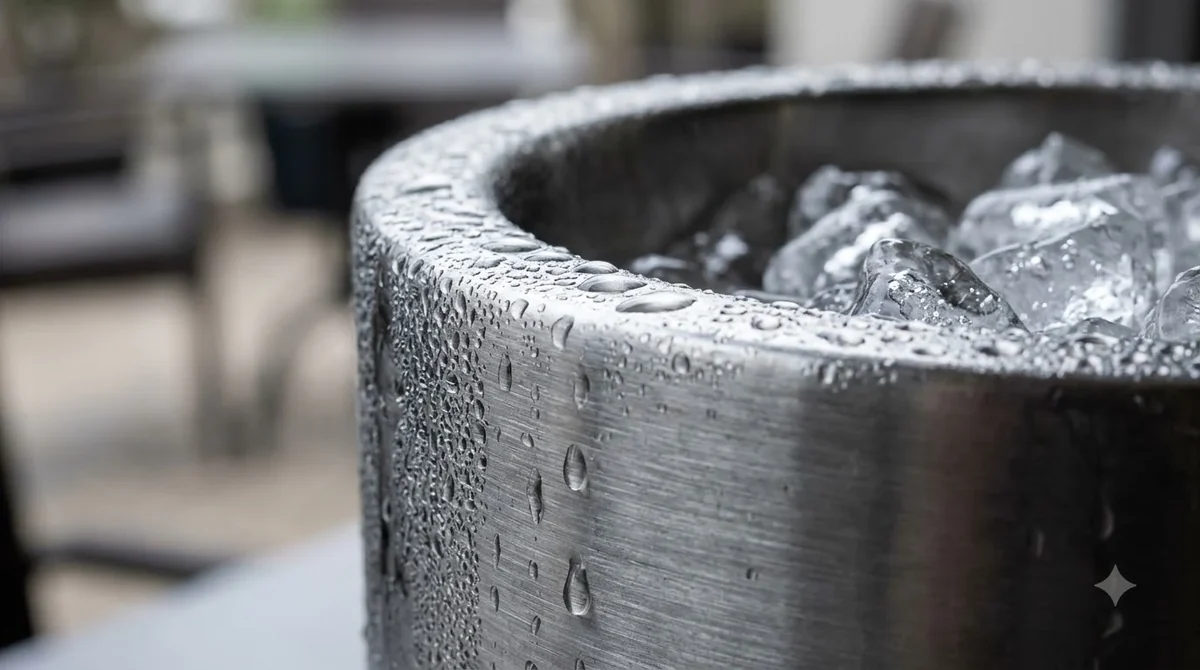
For sparkling wines, rosés, and aromatic whites like Riesling, keep an ice bucket filled with half ice and half cold water right next to the table. Smaller pours are also smart during a rib feast so wine stays at its optimal temperature in the glass rather than warming up in the sun. If you are hosting a backyard gathering and want a playful, make-ahead palate cleanser alongside your chilled bottles, you can even serve a batch of champagne jello shots recipe for dessert.
Tip: Put your red wine in the fridge for 15 to 20 minutes before pulling the ribs off the smoker—a slight chill tames high alcohol and makes Zinfandel or Syrah taste noticeably juicier alongside smoky meat.
Frequently Asked Questions
Can you drink white wine with ribs?
Yes, white wine works remarkably well with pork ribs, especially when the rack features spicy glazes, citrus marinades, or tangy vinegar sauces. Off-dry German Riesling, Chenin Blanc (such as Vouvray), and crisp Sauvignon Blanc provide mouthwatering acidity and subtle fruitiness that cut through pork fat and cool down chili heat.
Why does Cabernet Sauvignon sometimes taste bitter with BBQ ribs?
Cabernet Sauvignon has firm tannins and dry structure that clash with sugary barbecue sauces. When sweet tomato and brown sugar glazes coat your palate, dry tannins taste harsh and astringent; save Cabernet for savory, salt-and-pepper beef ribs with minimal sugar, and use ripe Zinfandel for sweet pork ribs.
What is the best sparkling wine to serve with ribs?
Brut sparkling rosé, Spanish Cava, and Italian Franciacorta are top sparkling choices for ribs. Their fine bubbles and brisk acidity scrub rich fat from your palate between bites, while subtle berry or orchard fruit notes complement smoky, caramelized crusts without feeling heavy.
What wine pairs best with slow-cooker or oven-braised ribs?
Oven-braised or slow-cooker ribs lack heavy wood smoke and rely on rich, savory braising liquids like tomato, red wine, or aromatics. Medium-bodied reds with bright acidity—such as Pinot Noir, Cabernet Franc, or Barbera—complement tender braised pork, while braised beef short ribs pair naturally with Syrah or Malbec.
Mastering rib pairings comes down to reading the glaze on the plate: match sweet sauces with ripe, juicy fruit, tangy rubs with crisp acidity, and rich beef with structured reds. Once you dial in your favorite backyard bottle, you can apply those same texture-and-acidity instincts to lighter coastal menus, like finding an ideal wine pairing with scallops.
More in Food & Wine Pairing
 Risotto With White Wine Recipe: Make a Creamy Dinner at HomeUpdated Nov 20, 2026
 Wassail With Wine Recipe for a Festive Spiced Holiday DrinkUpdated Nov 20, 2026
 Spritz Veneziano Recipe: Make a Classic Venetian Aperitivo at HomeUpdated Nov 20, 2026
 Summer Wine Punch Recipe for Easy Homemade EntertainingUpdated Nov 20, 2026
 Bishop Recipe: How to Make a Bright, Citrus-Forward Red Wine CocktailUpdated Nov 20, 2026
 Wine Cupcakes Recipe: Bake Rich Chocolate Cupcakes at HomeUpdated Nov 20, 2026