

We may earn a commission when you buy through links on this page, at no extra cost to you. Learn more.
Dark Horse wine is a California value brand owned by E. & J. Gallo Winery, known for easy-drinking Cabernet, Chardonnay, Merlot and red blends. It launched in the mid-2010s and is made in Gallo facilities rather than at a dedicated winery, with grapes sourced from several California regions. This guide explains who makes Dark Horse, what the lineup includes, and how to choose a bottle for everyday drinking or a casual gathering.
Dark Horse is one of the more recognizable names on supermarket shelves, and its bold horse-head label makes it easy to spot. Many shoppers pick it up without knowing much about the producer behind it, so the background below should help you understand what you are buying and how the wines are meant to be enjoyed.
Who makes Dark Horse wine
Dark Horse is a California brand under E. & J. Gallo Winery, one of the largest wine companies in the United States. According to a wine directory profile of the brand, it debuted in 2014 and gained national attention in the United States by 2015. Its marketing presents it as a straightforward, approachable alternative to more expensive bottles, with an emphasis on familiar varieties and a clean, easy taste.
Production takes place at Gallo facilities. Dark Horse does not operate a dedicated winery or tasting room, which is a key difference from estate brands that grow their own grapes and bottle them on site. Gallo’s approach allows the brand to blend fruit from different parts of California each year, so the wine’s profile is built around consistency rather than the character of one vineyard.
What is in the Dark Horse lineup
The original range was built around four familiar styles: Cabernet Sauvignon, Chardonnay, Merlot and a Red Blend. These were chosen for approachable flavors that suit a wide range of palates, and they remain the core of the brand. Over time the line expanded to include Pinot Grigio, Sauvignon Blanc, a rosé and a sparkling brut, which gives shoppers more options for lighter occasions.
Because the grapes come from several regions, the wines are generally fruit-forward and smooth rather than tightly structured. That makes them easy to pour at a party or a weeknight dinner, though it also means that the bottle you buy this year may taste a little different from one bought in another year.
How Dark Horse is positioned on value
Dark Horse has built its reputation on value. The brand presents itself as a way to enjoy a wine that tastes more expensive than its shelf price suggests, and it has been recognized in trade coverage for standing out in a crowded category. Its bold packaging and distinctive logo are a large part of that appeal, because they help the bottle catch attention next to many more traditional labels.
Value brands like Dark Horse work best when you know what you want from them. They are well suited to casual drinking, group dinners and gatherings where many people will pour a glass. They are less likely to satisfy a collector looking for site-specific character or wines that change dramatically with age.
| Style | What to expect | Good with |
|---|---|---|
| Cabernet Sauvignon | Dark fruit, soft tannins, easy finish | Burgers, pizza, grilled sausages |
| Chardonnay | Ripe fruit and a smooth, mellow texture | Roast chicken, creamy pasta, shrimp |
| Merlot | Plum and red fruit with a soft, round palate | Tomato dishes, roast pork, mushroom risotto |
| Pinot Grigio and Sauvignon Blanc | Light, fresh and easy to drink chilled | Salads, seafood, light appetizers |
Tip: Chill the white and rosé styles for about 30 minutes before serving, and give the red styles a short rest out of the fridge so the fruit comes forward without tasting flat.
It also helps to understand how a large producer approaches blending. When a brand draws fruit from several regions, the winemaking team can adjust the blend each year to keep the taste close to the brand’s house style. That is the main reason many shoppers find a Dark Horse bottle tastes familiar from one purchase to the next, even though the exact fruit sources change with the harvest.
How to serve and pair Dark Horse wine
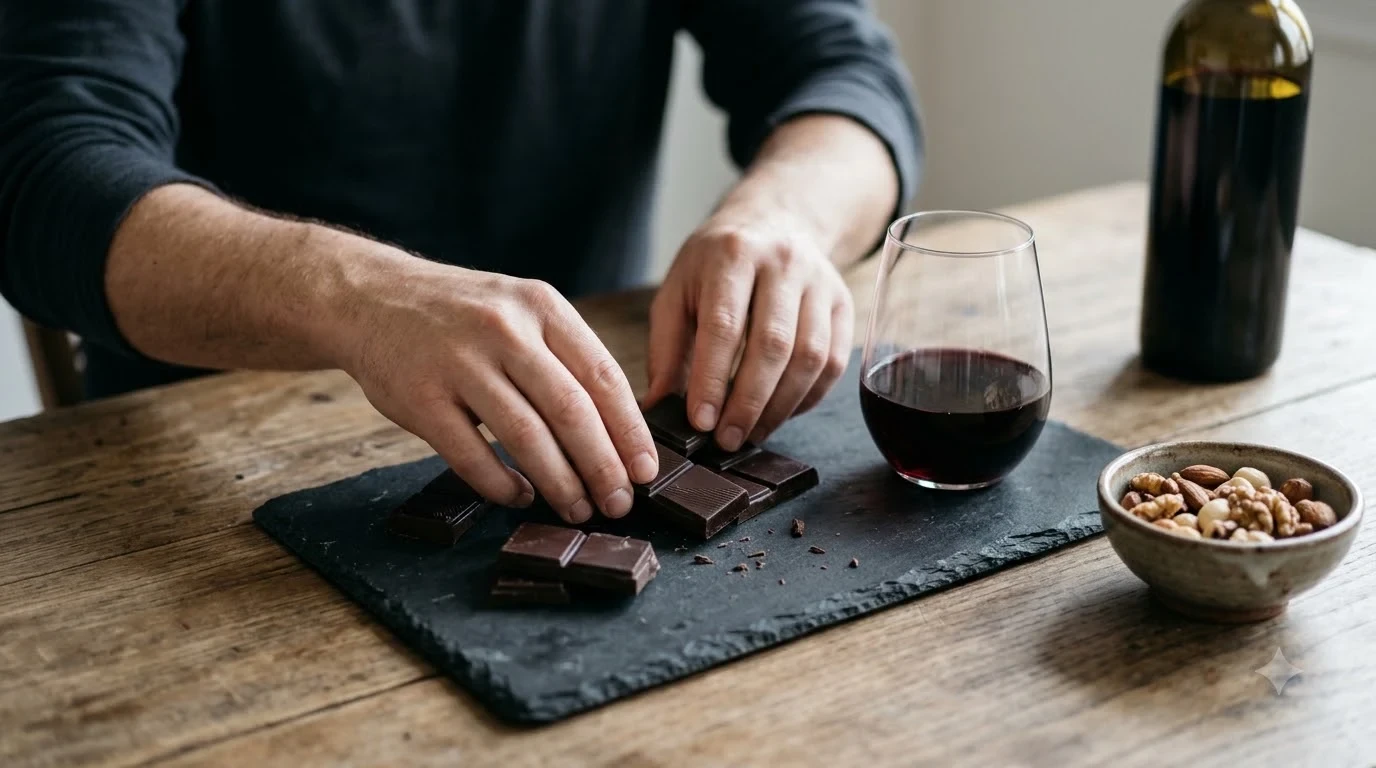
Serve white and rosé styles cold but not icy, and red styles at a cool room temperature. A standard all-purpose wine glass is enough for everyday drinking. Because the reds are soft and fruity, they pair well with casual food such as burgers, pizza and barbecue, and they also work with tomato-based pasta sauces.
The whites suit lighter fare. Sauvignon Blanc goes well with green salads and goat cheese, and Pinot Grigio is a simple match for seafood and fresh herbs. A chilled glass of the rosé works with picnic food and grilled chicken as well.
How to choose a Dark Horse bottle
Start with the occasion. For a party, choose a crowd-pleasing style such as the Red Blend or Chardonnay, which most guests will enjoy. For a casual lunch or a backyard get-together, a chilled rosé or Pinot Grigio is often the easiest crowd choice. For a quiet dinner at home, you might prefer the Cabernet Sauvignon or Merlot if you want a little more body. If you are buying for someone who prefers white, the Sauvignon Blanc or Pinot Grigio is a light, refreshing choice.
Check the label for the vintage and the style name, since the lineup can change over time. If you want to compare Dark Horse with other value labels, the Barefoot wine range is a similar entry point, and the La Marca Prosecco page shows how a sparkling wine from another category fits a celebration. A broader overview of how brands are built and positioned is in the wine brands guide.
Another practical point is storage. Value wines are generally meant to be opened within a year or two of purchase, so buy for the next few weeks rather than stocking a large supply. Keep bottles out of direct sunlight and away from the stove or dishwasher, where heat can flatten fresh fruit flavors over time. Once opened, a red can be recorked and kept in the refrigerator for a day or two, while a white or rosé keeps for a few days and tastes best within the first one.
Frequently Asked Questions
Who owns Dark Horse wine?
Dark Horse is owned by E. & J. Gallo Winery, a large American wine company. The brand is produced at Gallo facilities and is marketed as a California wine line.
Is Dark Horse wine made in Rutherford, Napa Valley?
No. Dark Horse is not a Rutherford or Napa Valley winery. It is a California brand that sources grapes from several regions of the state and is produced at Gallo facilities rather than at a single estate.
What kinds of wine does Dark Horse make?
The brand includes Cabernet Sauvignon, Chardonnay, Merlot and a Red Blend in its original range, along with Pinot Grigio, Sauvignon Blanc, a rosé and a sparkling brut. Availability varies by market and season.
Is Dark Horse a good wine for beginners?
It can be. Its styles are fruit-forward and smooth, which suits people who are new to wine and want an easy, familiar taste. Trying a few styles side by side is a simple way to learn which flavors you prefer.
Dark Horse is best understood as an everyday California brand built for approachable drinking. If you want to explore the wider market and see how value labels differ from estate wines, the wine brands guide is a good next step, and pairing a bottle with simple food is the easiest way to decide whether the style suits you.
More in Wine Brands
 Underwood Wine Price: Compare Bottles, Cans, and Pack SizesUpdated Nov 21, 2026
 Zenato Wine Price: Compare Styles and Choose the Right BottleUpdated Nov 21, 2026
 Zuccardi Wine Price: Compare Bottles and Find the Right RangeUpdated Nov 21, 2026
 Yellow Tail Moscato Review: Taste, Sweetness and Serving TipsUpdated Nov 21, 2026
 Wolf Blass Yellow Label Review: Choose Your Best StyleUpdated Nov 21, 2026
 Wolffer Estate Rose Review: Choose the Right Bottle for Your TableUpdated Nov 21, 2026