

We may earn a commission when you buy through links on this page, at no extra cost to you. Learn more.
What is Sauternes? It is a French sweet white wine from the Sauternes region in Bordeaux, made from grapes affected by noble rot. The main grapes are Sémillon and Sauvignon Blanc, with some Muscadelle in the blend. Its honeyed sweetness comes from concentrated, partly raisined grapes rather than from added sugar.
This guide explains what makes Sauternes distinct, where it comes from, and how the botrytis process shapes its flavor. It also covers how to serve, store and pair the wine, and how it compares with other sweet wines you may see on a US shelf.
Where Sauternes Comes From
Sauternes is a small district in the Graves section of Bordeaux, in southwest France. The region sits about 40 kilometers southeast of the city of Bordeaux, along the Garonne River and its tributary, the Ciron. Five communes make up the district, and the Barsac commune can also use its own appellation.
Because the region is so specific, the name on the label tells you a lot. According to the Wikipedia entry on Sauternes, wines from the area must reach a minimum alcohol level and taste noticeably sweet to earn the Sauternes name. Wines from neighboring areas such as Cérons, Loupiac and Cadillac are often less expensive and generally regarded as less distinguished.
Grapes Used in Sauternes
Sauternes is a blend, and Sémillon is the dominant grape in most bottlings. Sauvignon Blanc adds aromatic lift and acidity, while Muscadelle appears in smaller amounts. Each variety responds to noble rot a little differently, which is part of what gives the wine its layered character.
According to the UC Davis grapebook on Sauvignon blanc, Sauvignon Blanc is one of three varieties used in the sweet whites of Sauternes, alongside Sémillon and Muscadelle. The same source notes that Sauvignon Blanc is usually known as a dry white in most of the world, which makes its role in Sauternes a useful contrast to the sweet style.
If you want to learn more about the individual grapes in the blend, start with the Chianti grape guide for a red example of how varieties shape style, or the Colombard grape page for another white variety often used in blends.
How Botrytis Creates Sauternes
The sweetness of Sauternes begins in the vineyard, with a fungus called Botrytis cinerea, also known as noble rot. When conditions are right, the fungus partly dehydrates the grape, concentrating its sugar and flavor. The grapes shrivel and become partly raisined, and the juice that remains is intensely sweet.
The region’s climate makes this possible. Autumn mists rise from the Ciron and Garonne rivers in the morning, encouraging the fungus. By midday, the sun usually dries the grapes so they do not develop unfavorable rot. Even so, the process is unpredictable, and harvests vary widely from one vintage to the next.
Because noble rot is not guaranteed, producers pick the vineyards several times, selecting only the affected berries. This slow, selective harvest is one reason Sauternes costs more to make than many other wines. Some years produce little or no wine with the Sauternes name at all.
Sauternes Taste and Sweetness Levels
Sauternes is a sweet wine, but it is balanced by acidity rather than being cloying. Common flavor notes include apricot, honey and peach, often with a nutty edge typical of Sémillon. The finish can last for several minutes on the palate.
Color offers a clue to age. A young Sauternes is usually golden yellow and darkens over time. Many experts consider the wine to develop its more complex, mature flavors as it turns closer to the color of an old copper coin.
Sweetness varies by producer and vintage, and the regulations do not set a single residual sugar figure. Check the back label or the producer’s technical sheet for specifics. Keep in mind that Barsac wines are often described as somewhat drier and lighter in body than other Sauternes.
| Feature | Sauternes | Typical dry white |
|---|---|---|
| Main grapes | Sémillon, Sauvignon Blanc, Muscadelle | Often one variety |
| Sweetness | Noticeably sweet, balanced by acidity | Dry |
| Source of sweetness | Botrytis-concentrated grapes | Fermentation finished dry |
| Typical serving | Chilled, in a small glass | Chilled, in a standard white glass |
Tip: Sauternes is often sold in half bottles. A smaller bottle is a practical way to try the style without committing to a full bottle.
Sauternes Food Pairings
Sauternes works best when its sweetness is matched by rich, salty or savory foods. The acidity keeps the wine lively next to fat and salt, so the pairing feels balanced rather than heavy. Pairing it with very sweet desserts can make both taste flat, so choose carefully.
Classic matches include foie gras, which is often cited as the traditional partner. Blue cheese, roasted or spiced nuts, and fruit tarts with apricot or peach also suit the wine well. Many people enjoy it with a simple dessert of fresh fruit and mild cheese.
Keep the pairing modest. A small glass goes a long way given the wine’s sweetness and the typical alcohol level. Drink responsibly, and pace yourself through a long dinner.
How to Serve and Store Sauternes
Serve Sauternes well chilled rather than ice cold. Reviewers and wine references often suggest serving it at about 10 °C (50 °F). Older bottles, especially those more than about 15 years old, are often served a few degrees warmer to show their aromas.
- Chill the bottle in the refrigerator for a few hours before serving.
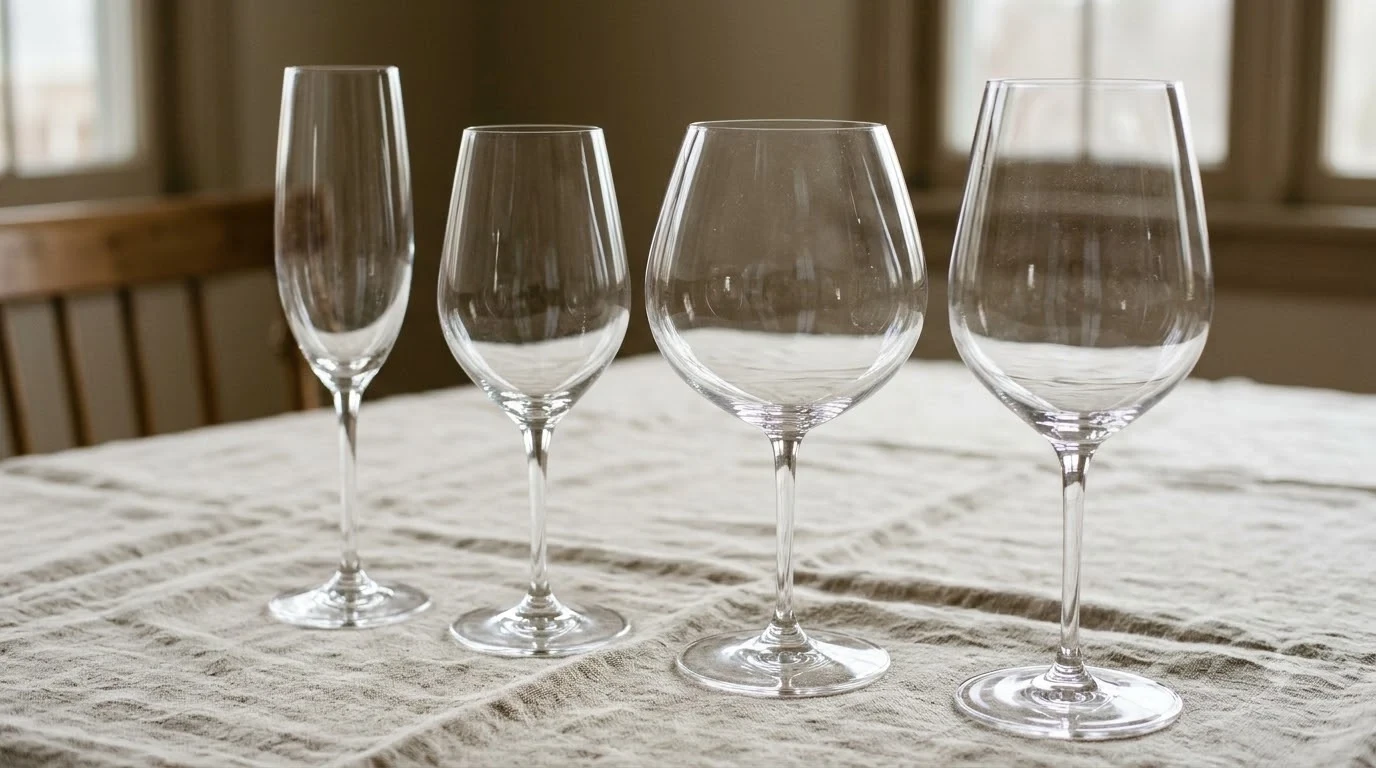
- Pour into a small white wine glass, which concentrates the aromas.
- Serve in modest portions alongside dessert or a rich course.
- Reseal any leftover wine tightly and refrigerate it.
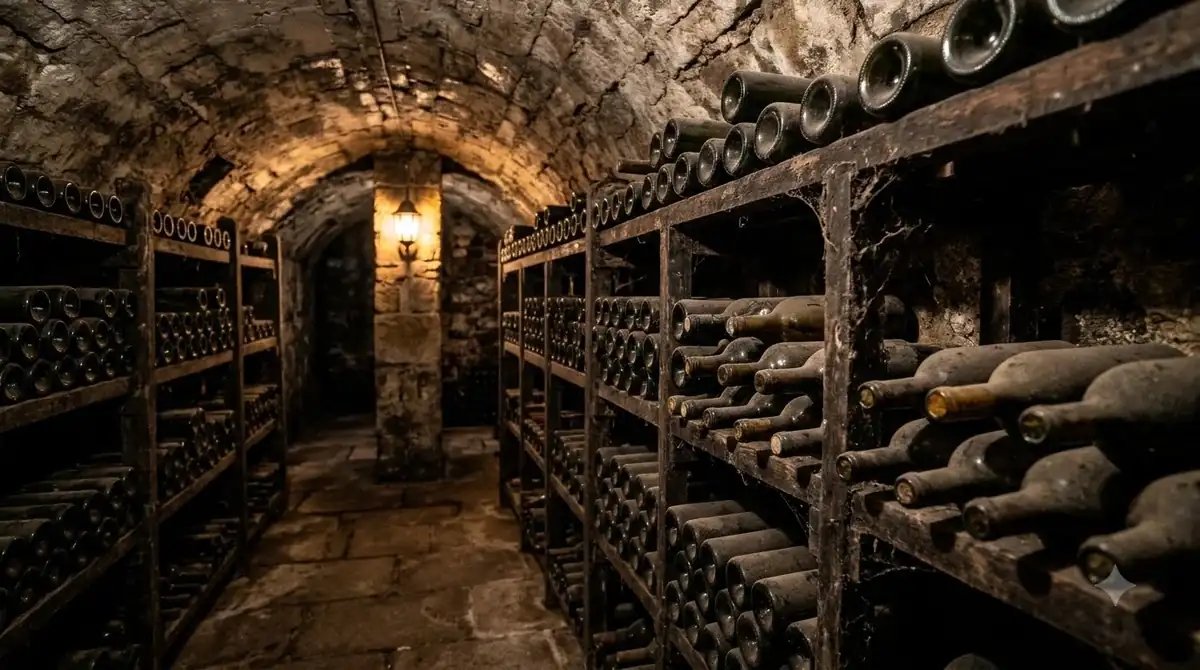
Storage matters because Sauternes is one of the longer-lived wine styles. Premium examples from strong vintages can age well for decades when kept properly. Check the label or producer notes for storage guidance, and keep bottles lying on their side in a cool, dark place.
Sauternes Versus Other Sweet Wines
Sauternes is one of several sweet wines, and the differences come down to how sweetness is produced. Sauternes gets its sweetness from noble rot, while other sweet wines may be made from late-harvest grapes, ice-frozen grapes or fortified wines with added spirit.
In the United States, the word sauterne has also been used on labels for sweet white dessert wines, and it is not always the same as the French product. Read the label closely to see whether the bottle comes from the Sauternes district or is a generic American style.
For a broader view of styles, the Wine by Type section groups wines by their character, which can help you decide whether Sauternes or another sweet wine suits your taste.
Frequently Asked Questions
Is Sauternes always sweet?
Sauternes is generally sweet, because the botrytis-affected grapes are concentrated in sugar. The sweetness is balanced by acidity, so the wine usually does not taste heavy. Sweetness can vary by producer and vintage, so check the label or producer information.
What grapes make Sauternes?
Sauternes is made mainly from Sémillon, with Sauvignon Blanc and Muscadelle also used. All of them are affected by noble rot in the vineyard. The blend gives the wine its honeyed, nutty and fruity character.
Is Sauternes the same as a dessert wine from California?
Not necessarily. Sauternes is a specific French appellation, while American labels sometimes use the term sauterne for generic sweet white wines. Read the label to confirm the origin and style of the bottle you are considering.
How should I serve Sauternes at home?
Serve it well chilled, around 10 °C (50 °F) according to common references, in a small white wine glass. Pour modest amounts alongside dessert or rich foods like blue cheese. Store leftover wine sealed and refrigerated.
Sauternes is a rewarding wine once you understand the botrytis process behind it. Start with a half bottle to learn the style, then compare it with other sweet wines. You can explore more wine styles through the Wine by Type section whenever you are ready.
More in Wine Types & Grapes
 Zinfandel Sugar Content: Dry Red vs. White Zinfandel GramsUpdated Nov 21, 2026
 Best Zinfandel Substitute Options for Sipping and CookingUpdated Nov 21, 2026
 Zweigelt Food Pairing: Best Dishes, Cheeses, and Serving TipsUpdated Nov 21, 2026
 Zinfandel Tannins Explained: How Structure Shapes Every BottleUpdated Nov 21, 2026
 Zinfandel Sweetness Level: Dry Red vs. Sweet White Zin ExplainedUpdated Nov 21, 2026
 Xinomavro Food Pairing: Best Dishes, Styles, and Serving TipsUpdated Nov 21, 2026