

We may earn a commission when you buy through links on this page, at no extra cost to you. Learn more.
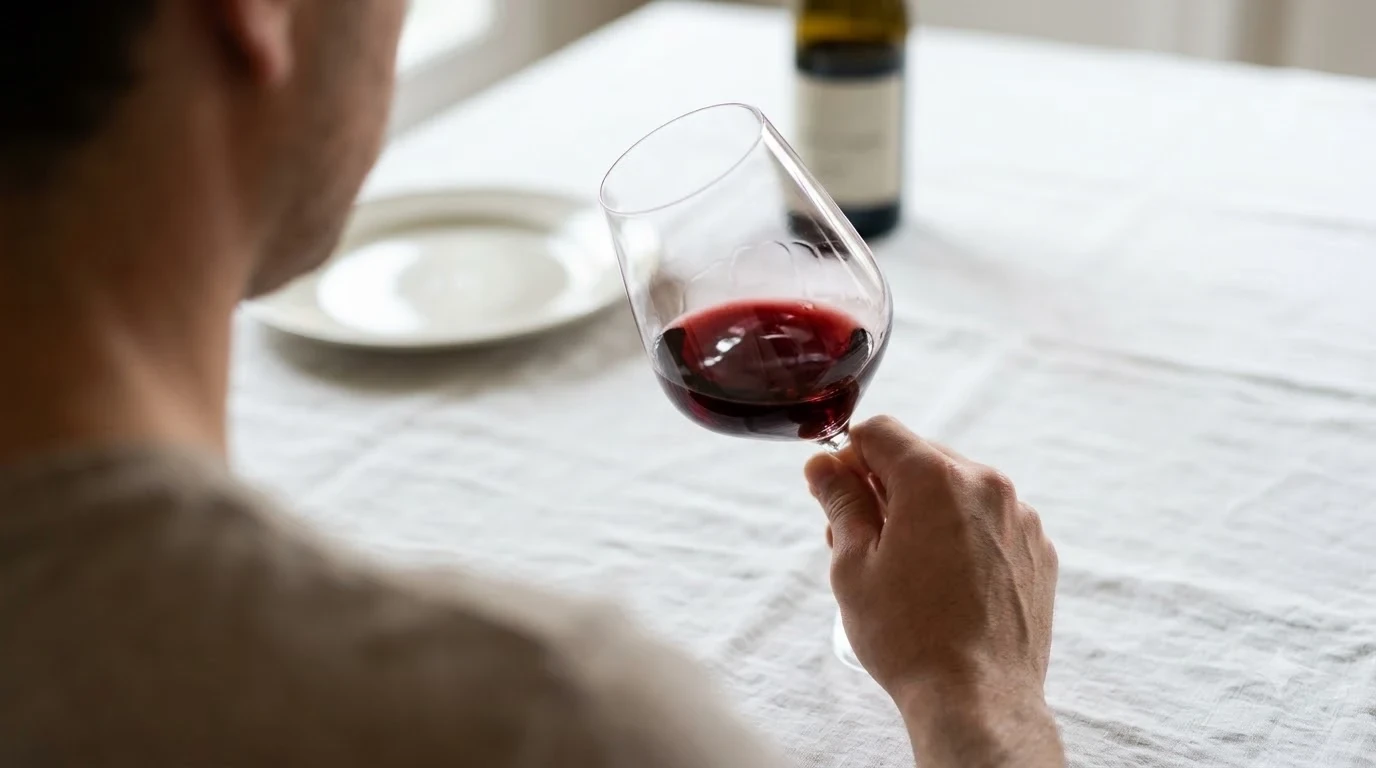
What is cabernet franc? It is a black wine grape that is lighter in body than cabernet sauvignon and known for bright red fruit, herbal notes and a peppery edge. It is one of the major red grape varieties in the world, and it is the parent of cabernet sauvignon. You will find it in Bordeaux-style blends and as a single varietal wine from several American regions.
This primer explains where cabernet franc comes from, how it tastes, and how it differs from its famous offspring. It also covers where the grape performs well, what to pair it with, and how to shop for a bottle without guessing.
What Is Cabernet Franc?
Cabernet franc is a red wine grape that produces small, blue-black berries with fairly thin skins. According to the Wikipedia entry on the variety, it is one of the major black grapes worldwide, and it is grown mainly for blending with cabernet sauvignon and merlot in the Bordeaux style. It can also be bottled alone, as it is in the Loire Valley wine of Chinon.
The grape is valued for finesse rather than power. Wine made from it is usually lighter than cabernet sauvignon and often pale for a red. Winemakers use it to add lift and aromatic interest to heavier wines, which is why it shows up so often as a supporting player in blends.
If you have seen the name written as cabernet franc on a label, you are looking at the same grape. Some older references also use the historical name Bouchet, which reflects how long the variety has been grown in France.
Where Cabernet Franc Comes From
Cabernet franc has a long history in southwest France. Records of the grape in Bordeaux go back to the end of the 18th century, and it was planted in the Loire Valley long before that. Historians believe it spread through the Loire after cuttings were moved there in the 17th century.
Its most important genetic role is as a parent. DNA analysis indicates that cabernet franc is one of two parents of cabernet sauvignon, merlot and carmenere. That family connection explains why the grapes look similar in the vineyard and why they often work together in blends.
The UC Davis Foundation Plant Services Bordeaux grape overview describes the same blending tradition. It lists cabernet franc as one of the five principal black grapes of the region, alongside cabernet sauvignon, merlot, petit verdot and malbec. Its role is usually supportive, not dominant.
Flavor Profile and Style
Cabernet franc is best known for red fruit, green herbs and a peppery lift. Depending on where it grows and how it is made, you may also notice tobacco, violets, cassis or bell pepper. The wine tends to feel more aromatic and less heavy than a cabernet sauvignon from the same region.
Climate plays a large role. In cooler sites the herbal and vegetal character can be more pronounced, while warmer sites tend to bring riper fruit. Reviewers in Washington State, for example, describe a fruit-forward style with blueberry and raspberry notes, with the greener edges toned down compared with cooler regions.
Structure varies by style. Many examples have soft to moderate tannins and fresh acidity, which makes them easy to drink with a meal. Some producers age the wine in oak to add spice and texture, while others keep the profile bright and fruit-focused.
| Aroma or flavor | Where you may notice it | What it adds |
|---|---|---|
| Raspberry and red fruit | Most styles, especially fruit-forward examples | Brightness and easy drinking |
| Bell pepper and herbs | Cooler sites and lighter vintages | Savory lift and a fresh edge |
| Violets and floral notes | Loire and other elegant styles | Perfume and finesse |
| Tobacco and cedar | Bordeaux-style blends and oaked wines | Depth and a dry, earthy finish |
| Ground coffee and olive | Some Washington State wines | Complexity in a fruit-led wine |
Cabernet Franc vs. Cabernet Sauvignon
The two grapes are close relatives, but they behave differently. Cabernet franc buds and ripens earlier than cabernet sauvignon, often by about a week, which lets it grow in slightly cooler climates. That early ripening is also a risk in some years, since the vine can suffer during flowering.
Cabernet sauvignon has thicker skins, more tannin and a longer growing season. Its wines are usually fuller and more structured, and they often need time in oak or bottle to soften. If you want a direct comparison of its flavor, read our guide on what does cabernet sauvignon taste like.
In a glass, the practical difference is weight and aroma. Cabernet franc usually feels lighter on the palate and smells more herbal and floral. Cabernet sauvignon tends to be darker, firmer and more dependent on oak for its structure.
Famous Regions and Producers
Cabernet franc has a strong presence in France, particularly in the Loire Valley and on the right bank of Bordeaux. In the Loire, it is widely planted in Chinon, Bourgueil and Saumur-Champigny. In Bordeaux, the grape helps build blends in Saint-Emilion and Pomerol, and it is central to the famous Cheval Blanc estate.
Outside France, the grape is widely planted in Italy, particularly in the northeast, and it is an important variety in Argentina and Canada. In the United States, interest began in California, and it has spread to cooler areas, including the Finger Lakes of New York and parts of Virginia and Washington State.
When you look for producers, focus on regions and styles rather than chasing one name. A Loire varietal, a Bordeaux-style blend and a New World single varietal will each show the grape differently. Use the label to confirm the region and whether the bottle is a blend.
Food Pairings for Cabernet Franc
Cabernet franc suits food because its acidity and herbal notes cut through rich dishes. Lighter examples work well with roast chicken, pork and grilled vegetables. Fuller styles can handle beef, lamb and hearty stews.
Try a Loire-style bottle with a goat cheese salad or a tomato-based pasta. Bell pepper and herb notes often echo roasted peppers, herbs and olive dishes. For a classic pairing, a Bordeaux-style blend with cabernet franc suits roasted meats and aged cheeses.
Serve the wine with enough room to breathe, and check the label or the producer’s technical sheet for serving guidance. Responsible drinking matters, so pair your glass with food and pace yourself.
How to Buy and Store Cabernet Franc
Start by deciding whether you want a varietal or a blend. A varietal bottle shows the grape more clearly, while a blend shows how the grape supports other varieties. Read the back label for the region, grape percentage and vintage, since these details shape the style more than the brand name.
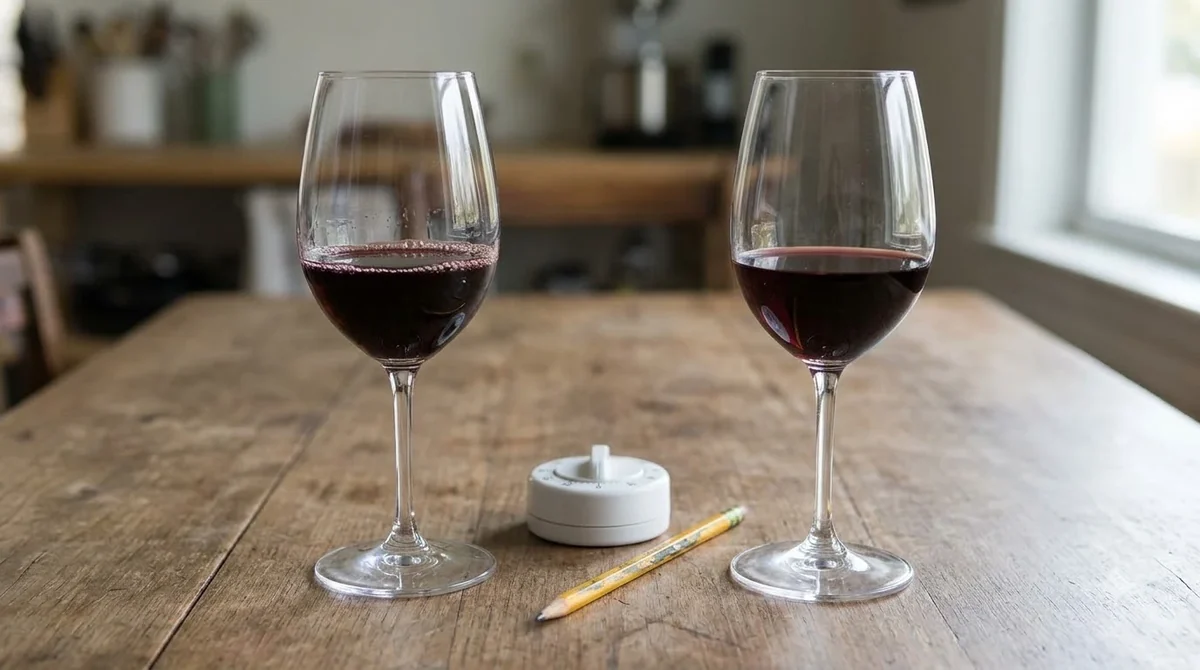
For a simple buying approach, compare two or three bottles from different regions. Note how each one feels on the palate and which aromas you prefer. If you also want to understand the alcohol level of your choices, our guide on cabernet sauvignon alcohol content explains how to read that information on a label.
Store bottles in a cool, dark place with steady temperatures and away from strong vibration. Lighter cabernet franc wines are usually meant to be opened within a few years, while structured, oaked examples can age longer. Check the producer’s notes or the retailer’s information for aging advice on a specific bottle.
Tip: If you are new to the grape, start with a Loire-style or cooler-climate bottle. Its fresh acidity and herbal lift make the flavor easy to recognize.
Frequently Asked Questions
Is cabernet franc the same as cabernet sauvignon?
No, they are two different grape varieties. Cabernet franc is one of the parents of cabernet sauvignon, so they are closely related. Cabernet franc is usually lighter and more herbal, while cabernet sauvignon is typically fuller and more tannic.
Is cabernet franc a sweet or dry wine?
Most cabernet franc wines are made dry. The grape is known for fresh acidity, red fruit and herbal notes rather than sweetness. Check the label or producer notes if you want to confirm the style of a specific bottle.
Where is cabernet franc grown in the United States?
The grape is grown in California and in several cooler areas, including parts of New York, Virginia, Washington State and the Great Lakes region. Growers in cooler regions value it for ripening more reliably than some other red vinifera grapes.
What wine should I try first if I like cabernet franc?
If you enjoy its herbal and red-fruit character, try a Loire Valley bottle or a Bordeaux-style blend that includes it. Comparing a varietal with a blend will show you how the grape works on its own and in a supporting role.
Cabernet franc is a versatile red grape that rewards curious drinkers. Start with its lighter, herbal style, then compare it with cabernet sauvignon to see which you prefer. For more background on grape families and styles, explore our Wine by Type section.
More in Wine Types & Grapes
 Zinfandel Sugar Content: Dry Red vs. White Zinfandel GramsUpdated Nov 21, 2026
 Best Zinfandel Substitute Options for Sipping and CookingUpdated Nov 21, 2026
 Zweigelt Food Pairing: Best Dishes, Cheeses, and Serving TipsUpdated Nov 21, 2026
 Zinfandel Tannins Explained: How Structure Shapes Every BottleUpdated Nov 21, 2026
 Zinfandel Sweetness Level: Dry Red vs. Sweet White Zin ExplainedUpdated Nov 21, 2026
 Xinomavro Food Pairing: Best Dishes, Styles, and Serving TipsUpdated Nov 21, 2026