

We may earn a commission when you buy through links on this page, at no extra cost to you. Learn more.
Timorasso wine is a rare white made from the Timorasso grape in Piedmont, Italy, mainly in the hills around Tortona. It is full-bodied for a white, with firm acidity and flavors that range from citrus and pear to honey and almond. Many producers make bottles that improve with time in the cellar, which makes it a useful choice for drinkers who want more than a light, everyday white.
This guide explains what Timorasso tastes like, how it differs from better-known Italian whites, and how it ages. It also covers food pairings and practical tips for finding a bottle in the United States.
What Is Timorasso Wine and Where It Comes From
Timorasso wine is a single-varietal or blended white that comes from the Timorasso grape. The grape is grown mainly in the Colli Tortonesi area of southeastern Piedmont, where the town of Tortona sits about 40 kilometers east of Asti. Producers in the area also use the name Derthona, the ancient Roman name for Tortona, on some labels.
The grape has a difficult history. According to one wine retailer’s history of the variety, Timorasso was grown around Tortona for centuries but was nearly lost after the phylloxera outbreaks of the 19th century. It was later reduced to a minor part of white blends before Walter Massa rediscovered it in the 1980s and replanted it. Today the variety is much more visible, though it remains uncommon compared with major Italian whites.
Labels can be confusing. Some bottles say Colli Tortonesi Timorasso, while others say Derthona or a combination of both. Reading the label carefully tells you where the grape was grown and which producer made the wine. For a broader look at how Italian whites are grouped, the Wine by Type section is a helpful starting point.
Timorasso Flavor Profile and Aroma
Timorasso usually shows citrus, pear, herbs and mineral notes, with some wines adding honey or almond as they develop. Young wines made in stainless steel tend to be fresher and more fruit-driven. Wines that see some barrel time or skin contact often feel rounder and more layered.
Tasting notes from professional critics point to lemon, white flowers, stone fruit and a saline or petrol note in the finish. Some bottles also show tropical fruit. The exact profile depends on the vintage, the vineyard and how the winemaker handled the grapes, so two bottles from the same region can taste quite different.
| Element | What you may notice | Common source of the character |
|---|---|---|
| Fruit | Citrus, pear, peach, sometimes pineapple or guava | Ripeness and vintage conditions |
| Floral and herbal | White flowers, fresh herbs | Cool fermentation and fresh handling |
| Texture | Full body with grip and good acidity | Grape character and sometimes oak or skin contact |
| Mineral and savory | Saline, flinty or petrol notes | Vineyard soils and bottle age |
| Mature notes | Honey, almond, nutty flavors | Several years of bottle aging |
Tip: Read the producer’s tasting notes and the vintage year together. A young bottle and an older bottle of the same wine can show very different sides of the grape.
Timorasso vs. Other Italian White Wines
Timorasso is often compared with other structured Italian whites, but it has a fuller body than many of them. Drinkers who enjoy Vermentino or Fiano may notice its extra weight and aging ability. Compared with lighter styles such as Pinot Grigio, it asks for a slower, more attentive drink.
Timorasso also differs from grapes like Chianti’s Sangiovese, which is a red and offers a different structure of tannin and acidity. For a sense of how Italian grapes vary in character, the chianti grape page explains the red side of the country’s viticulture. Comparing the two helps show why Piedmont’s whites deserve a closer look.
Some wine writers have described Timorasso in striking terms. One Australian importer’s guide compares it to several famous white styles, from mineral Chablis to nutty aged Chenin Blanc. You do not need those comparisons to enjoy the wine, but they can help you place it on a shelf of unfamiliar whites.
Aging Potential and Storage
Timorasso is one of the few Italian whites known for improving in the bottle. Many producers and critics say the wine often gains complexity after a few years. Young bottles can be lively and fruity, while older ones may show honey, nut and savory notes.
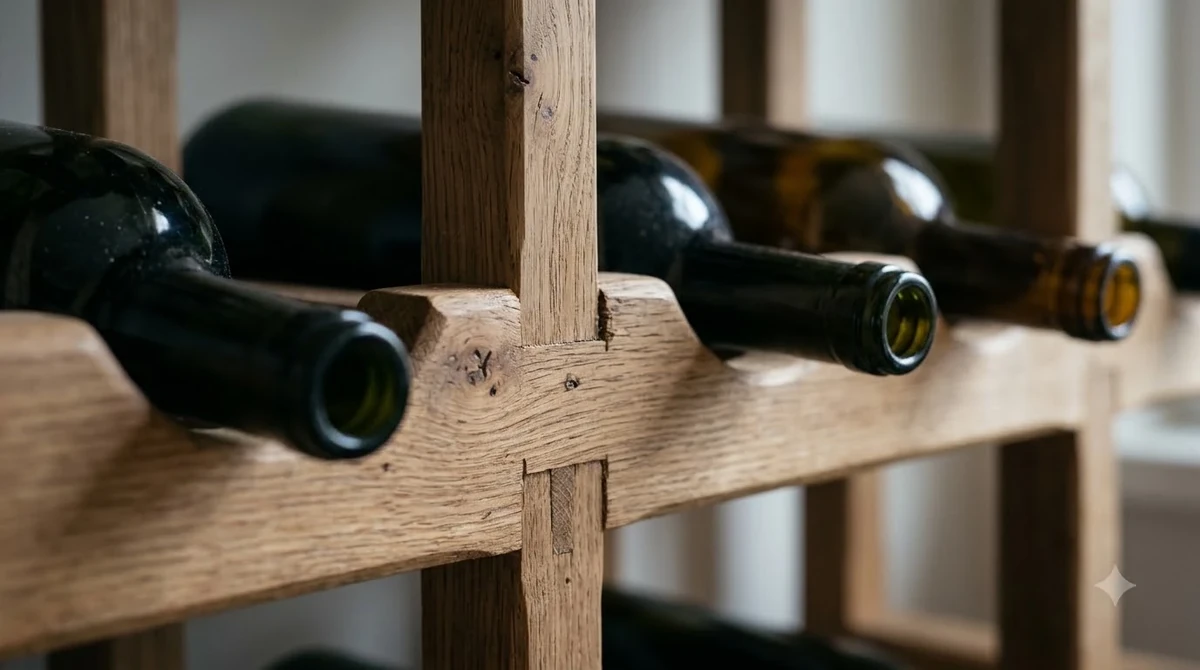
Store bottles on their side in a cool, dark place with steady temperatures, away from heat and light. Check the producer’s label or website for guidance on how long a specific vintage should rest. Several reviewers have advised waiting before opening a recent vintage, since the grape can show more depth with time.
The grape also has a practical limit. It yields little fruit, and its tight clusters can be prone to rot in wet seasons. That is one reason the wine costs more than many other whites and why some vintages are scarce. If a vintage was hard to make, the supply may be limited for years.
Food Pairing with Timorasso
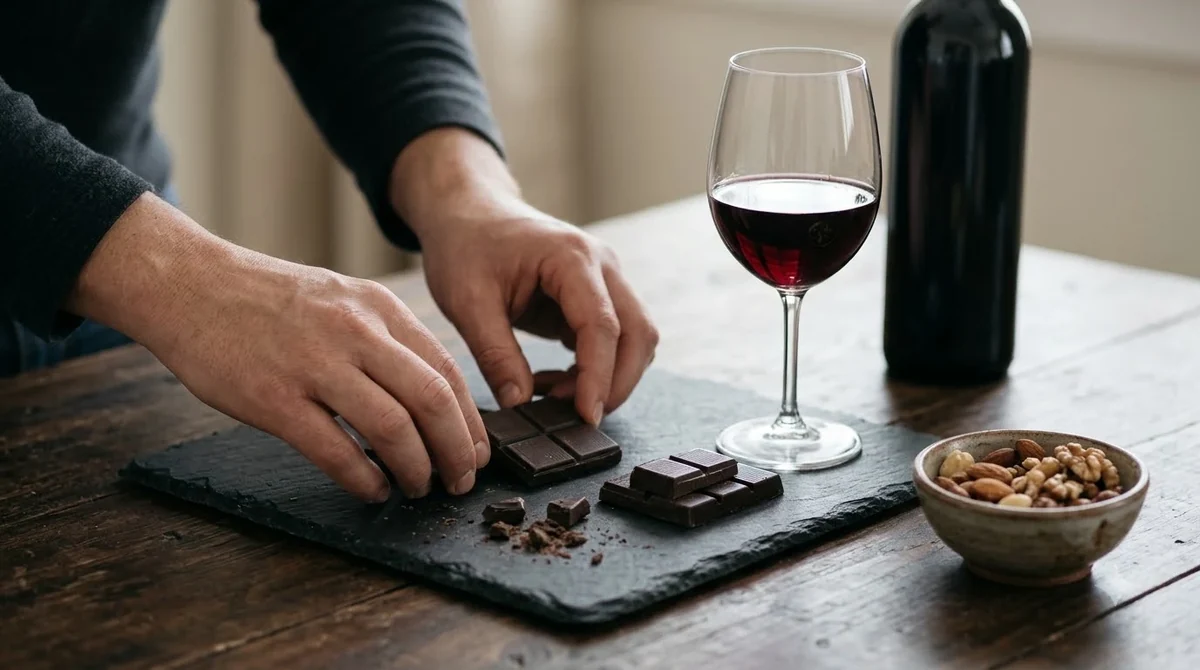
Timorasso has enough body and acidity to handle richer foods than many Italian whites. It works well with dishes that are fatty, earthy or gently sweet. The wine’s structure helps it stand up to flavors that would overwhelm a lighter white.
Roast poultry with herbs, lemon or mushrooms is a reliable match. Veal with sage or a creamy white wine sauce also suits the wine’s texture. Risotto made with porcini, truffle or aged cheese pairs well, as do fresh pasta dishes with butter, sage or hazelnuts.
Fish dishes can work too, especially richer preparations such as baked sea bass or turbot. Aged Alpine or Piedmontese cheeses round out the list. Because the wine can be complex, try it with a simple dish first, then move to richer plates once you learn its character.
How to Buy and Serve Timorasso Wine in the US
Timorasso is still a specialty bottle in most American markets. Look for it at wine shops that carry Italian whites, or ask a staff member to search by the grape name, Colli Tortonesi, or Derthona. Restaurant wine lists sometimes feature it, so check the Italian white section.
Serve the wine slightly cooler than room temperature, and use a white wine glass with a moderate bowl so the aromas can open. Check the producer’s guidance for the exact temperature range, since young and aged bottles may benefit from different treatment. Decanting is optional and usually more useful for older bottles with sediment.
For a wider view of the grape’s history and producers, the Vino Cammino varietal guide covers the grape’s modern revival in detail. A few other sources, including the catarratto grape page, can help you compare Italian varieties from different regions as you build your list.
Frequently Asked Questions
Is Timorasso a red or white wine?
Timorasso is a white wine made from a white grape. It comes from Piedmont in northwest Italy, mainly around the Colli Tortonesi hills. The wine is full-bodied for a white and often has good acidity.
What does Timorasso taste like?
Timorasso often shows citrus, pear, herbs and mineral notes. Some bottles add honey, almond or tropical fruit as they age or depending on the winemaking. Tasting notes vary by producer and vintage.
Does Timorasso wine improve with age?
Many producers and critics say Timorasso often improves with bottle age. Younger wines are fresher and fruitier, while older bottles can show more depth. Check the producer’s guidance for the specific vintage you plan to buy.
What foods go well with Timorasso?
Roast poultry, veal, mushroom or truffle risotto and aged cheeses are classic matches. The wine’s body and acidity help it handle richer dishes. Simple dishes are a good place to start if you are new to the grape.
Timorasso is a rewarding white for drinkers who want structure and aging potential from Italy. Start with a young bottle to learn its fresh side, then try an older one once you have a feel for the grape. For more grape and style guides, visit the Wine by Type section.
More in Wine Types & Grapes
 Zinfandel Sugar Content: Dry Red vs. White Zinfandel GramsUpdated Nov 21, 2026
 Best Zinfandel Substitute Options for Sipping and CookingUpdated Nov 21, 2026
 Zweigelt Food Pairing: Best Dishes, Cheeses, and Serving TipsUpdated Nov 21, 2026
 Zinfandel Tannins Explained: How Structure Shapes Every BottleUpdated Nov 21, 2026
 Zinfandel Sweetness Level: Dry Red vs. Sweet White Zin ExplainedUpdated Nov 21, 2026
 Xinomavro Food Pairing: Best Dishes, Styles, and Serving TipsUpdated Nov 21, 2026