

We may earn a commission when you buy through links on this page, at no extra cost to you. Learn more.
The Marquette grape is a red wine grape developed at the University of Minnesota to survive cold winters and resist common vineyard diseases. It produces medium-bodied reds with cherry, blackcurrant and spice notes. Growers in cold northern regions, including parts of the Upper Midwest and Ontario, rely on it because it can handle winters that would damage many traditional wine grapes.
This guide explains where the marquette grape came from, how its wines taste, where it is grown, and how it compares with other cold-climate reds. It also covers food pairings and practical buying and storage tips for home drinkers who want to try it.
What Is the Marquette Grape?
Marquette is a red wine grape. It is an interspecies hybrid, which means its family tree mixes the European wine grape Vitis vinifera with North American species. That mix is the reason it can survive cold weather that would harm most classic wine varieties.
Marquette is grown mainly for dry red wine. Some producers also make rosé, and a few experiment with fortified and dessert styles. Its fruit is dark, and the wines usually show a ruby color. For most people, the grape is best understood as a practical cold-climate red with a fruit-forward character.
If you are new to hybrid grapes, it helps to know that hybrids are bred for specific traits, such as hardiness and disease resistance. Marquette was bred with those goals in mind first, and wine quality was a second priority that winemakers then tested in the cellar.
Origins and Breeding History
Marquette came out of the University of Minnesota grape-breeding program. Its goal was to create high-quality wine and table grapes that are cold hardy and resistant to disease. The program is also known for La Crescent, another cold-climate variety.
According to the WineMakerMag article on Marquette, the breeders Peter Hemstad and James Luby created the grape as a cross between two hybrids, MN1094 and Ravat 262. The same article describes Marquette as a cousin of Frontenac and a grandson of Pinot Noir.

The dates of its creation are not fully consistent across sources. One university listing gives 1989, while patent filings describe the seedling as discovered in a 1997 vineyard block. Both accounts fit a seedling planted in 1997 that later survived several cold winters. The variety was released in 2006.
The grape was patented, and the University of Minnesota controls licensing for propagation. That is one reason nurseries sell it in limited numbers, even though demand is high. For home drinkers, the practical takeaway is simple: the grape is a deliberate, relatively young North American variety, not an old European one.
Flavor Profile and Wine Style
Marquette wines are usually medium-bodied, with soft tannins and balanced acidity. Red and black fruit dominate, especially cherry and blackcurrant. Many tasters also describe blackberry, black pepper, plum and spice, and some older or oak-aged examples develop earthy or leathery notes.
Producers handle the grape in different ways. Some keep it fresh and fruit-forward in stainless steel. Others use oak to add vanilla, cedar or chocolate-like layers. The table below summarizes the most common traits you will see on labels and in tasting descriptions.
| Trait | Typical description | What it means in the glass |
|---|---|---|
| Body | Medium-bodied | Lighter than a big Cabernet, with more weight than a simple table red |
| Fruit | Cherry, blackcurrant, blackberry | Bright and dark fruit that leads the aroma |
| Savory notes | Black pepper, spice, sometimes earth | Adds structure and interest on the finish |
| Tannin | Soft | Less grip than many traditional reds |
| Acidity | Balanced | Keeps the wine fresh and food-friendly |
| Oak | Optional | Can add vanilla, cedar and chocolate notes |
The acidity of the grape is a key part of its appeal. Winemakers must manage it carefully, because the juice from cold-climate fruit can be high in acid. Many wines go through a secondary malolactic fermentation, which softens the sharpness and helps the wine feel rounder.
Where Marquette Grapes Are Grown
Marquette is grown mainly in cold-climate regions of the northern United States and Canada. Its home state is Minnesota, and it is also strongly associated with Wisconsin, Vermont and Ontario. Other northern areas are starting to plant it as well.
The University of Minnesota reports that the grape is consistently hardy in well-managed vineyards on good sites in USDA zone 4. Growers in colder zones often choose it for that reason. If you want to know whether a local winery grows it, the winery’s own website or tasting room staff are the best sources.
Outside North America, the grape is still uncommon. Some cool-climate regions in northern Europe have started experimenting with it. Because it is a relatively new variety, production remains small compared with classic grapes like Pinot Noir or Cabernet Sauvignon.
Growing Characteristics and Cold Hardiness
Marquette is known for surviving cold, but its winter hardiness has limits. According to the WineMakerMag article, the vines withstood temperatures as low as -36 °F (-38 °C) under the conditions where they were developed. The article also notes that the exact tolerance varies with growing conditions and winter severity.
Bud break is early, which is a double-edged trait. Early buds can be exposed to spring frosts, so growers watch the weather closely in the spring. The same source notes that a second crop is often almost as productive as the primary crop if early buds are lost.
Disease resistance is another major benefit. Wine sources describe good resistance to downy mildew, powdery mildew and black rot, though the level of resistance is described differently across sources. Growers still need a sound spray program and good canopy management, especially in wet seasons. Vines can also be somewhat susceptible to foliar phylloxera, so vineyard monitoring still matters.
Harvest timing depends on latitude. In Minnesota, the grape ripens around mid-September. Farther south, harvest can come in early September. Sugar levels can climb high at harvest, but growers manage acidity carefully to keep the wine balanced.
Tip: If you are shopping for a Marquette wine, the vintage and the producer’s region matter. Cold seasons affect yield and quality, so a winery’s own notes on the year are often more useful than a general description.
Food Pairings for Marquette Wine
Marquette suits food that has some richness and savory depth. Its fruit-forward character and balanced acidity make it easy to match with many dishes. Medium-bodied reds generally work well with roasted and grilled meats, so Marquette is a natural fit for those meals.
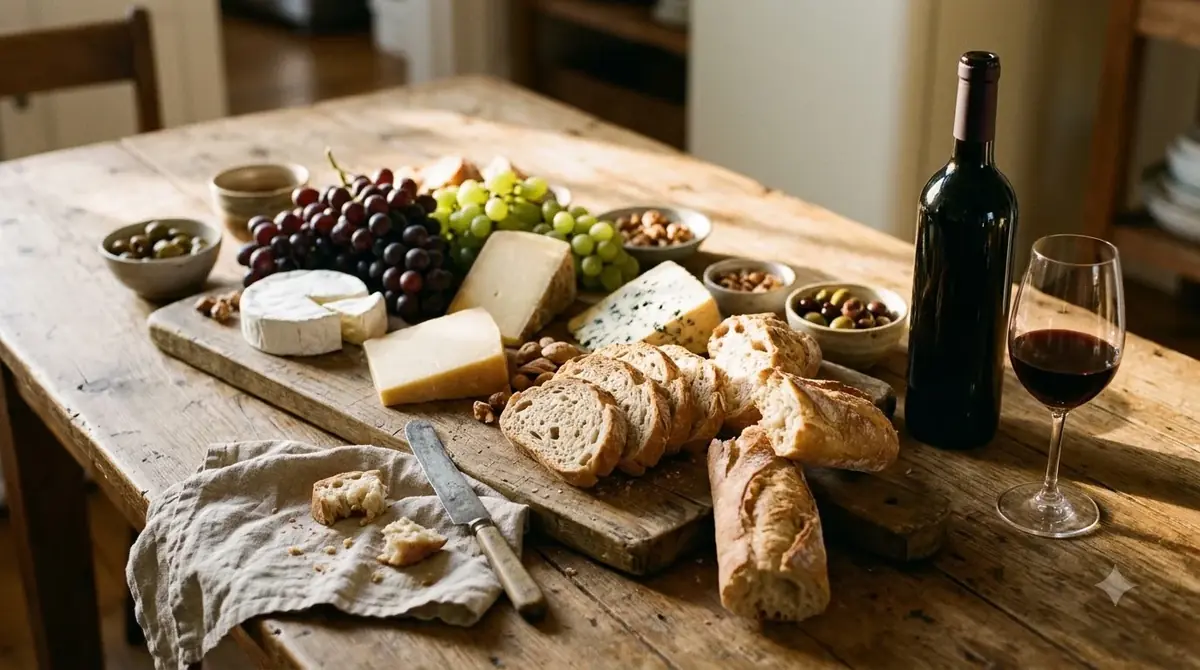
Reliable pairings include grilled burgers, roasted pork, and game such as venison or duck. Hearty stews and braised beef also suit the wine, because its pepper and spice notes complement slow-cooked sauces. Cheeses and charcuterie work well, especially aged cheddar, Gouda and cured sausages.
For vegetarian meals, look for dishes with mushrooms, roasted root vegetables or tomato-based sauces. The wine’s earthy and savory notes can bring out the best in those ingredients. Avoid pairing it with very delicate seafood, since the wine’s fruit and tannin can overpower light flavors.
How Marquette Compares to Other Cold-Climate Reds
Marquette is one of several hybrid reds grown in cold regions. Its closest relative in the University of Minnesota program is Frontenac, and the Wikipedia entry for Marquette lists Frontenac as another hybrid from the same university. Other hybrid reds, such as Baco Noir and Marechal Foch, are also widely grown in cold climates.
Compared with many of these, Marquette is often described as especially close to the flavor of traditional European wines. Many people find its fruit and savory notes more familiar than those of some older hybrids. Keep in mind that taste varies widely with winemaking choices, so comparing single bottles is more reliable than comparing grape names alone.
If you enjoy structured, savory reds from Italy, the chianti grape guide describes a very different style that still rewards careful food pairing. Marquette sits between those two worlds: fruit-forward, but with enough structure to suit a hearty meal.
Buying and Storing Marquette Wine
Marquette wine is most often sold at local wineries, regional wine shops and online retailers that ship within the states where they are licensed to do so. Because production is limited, you may find it mainly in cold-climate regions. Check the label for the producer, vintage and region, since those details shape the style.
For everyday drinking, buy a bottle from a recent vintage and drink it within a few years. Oak-aged examples can develop further complexity with time, and some sources suggest several years of aging for higher-quality versions. Store bottles on their side in a cool, dark place with steady temperatures. Keep them away from heat sources and direct sunlight.
Once opened, reseal the bottle and refrigerate it if you want to slow oxidation. Drink it within a few days for the best fruit. Always drink responsibly, and check the label for alcohol content before you serve it.
Frequently Asked Questions
Is Marquette a hybrid grape?
Yes. Marquette is an interspecies hybrid developed at the University of Minnesota. Its parentage includes Vitis vinifera and other Vitis species, which helps it survive cold winters and resist several common vineyard diseases.
What does Marquette wine taste like?
Marquette wine is usually medium-bodied with cherry, blackcurrant and blackberry flavors. Many also show black pepper, spice and earthy notes. Tannins tend to be soft, and acidity is balanced, which makes the wine approachable.
Where is Marquette grown?
Marquette is grown mainly in cold northern regions of the United States and Canada, including Minnesota, Wisconsin, Vermont and Ontario. The University of Minnesota reports it is consistently hardy in USDA zone 4 under well-managed conditions.
What foods go well with Marquette wine?
Grilled meats, roasted pork, game, hearty stews and aged cheeses are good matches. Its savory notes and balanced acidity work well with rich sauces. Lighter seafood dishes are usually a poorer match.
Marquette is a practical choice for anyone curious about cold-climate wines. Start with a well-reviewed bottle from a northern producer, and note the flavors you enjoy. For more background on styles and regions, browse the Wine by Type section.
More in Wine Types & Grapes
 Zinfandel Sugar Content: Dry Red vs. White Zinfandel GramsUpdated Nov 21, 2026
 Best Zinfandel Substitute Options for Sipping and CookingUpdated Nov 21, 2026
 Zweigelt Food Pairing: Best Dishes, Cheeses, and Serving TipsUpdated Nov 21, 2026
 Zinfandel Tannins Explained: How Structure Shapes Every BottleUpdated Nov 21, 2026
 Zinfandel Sweetness Level: Dry Red vs. Sweet White Zin ExplainedUpdated Nov 21, 2026
 Xinomavro Food Pairing: Best Dishes, Styles, and Serving TipsUpdated Nov 21, 2026