

We may earn a commission when you buy through links on this page, at no extra cost to you. Learn more.
Lagrein wine is a deeply colored red from Alto Adige in northern Italy, known for dark fruit, firm tannins and lively acidity. The grape is one of the oldest native varieties in the region, and it produces bold reds as well as lighter rosés. Most bottles are medium to full-bodied, with alcohol usually between 12.5 and 14 percent.
This guide explains what lagrein wine tastes like, where it grows, and how it differs from other Italian reds you may already know. It also covers food matches, storage, and the producers and styles American buyers should try first.
What Is Lagrein Wine?
Lagrein wine comes from the lagrein grape, a red variety native to Alto Adige, also called South Tyrol. The region sits where Italian and Austrian influences meet, and that history shows in the way local winemakers approach the grape. According to the Alto Adige producer Kellerei Kurtatsch, lagrein is the oldest indigenous grape variety of South Tyrol, and it is genetically related to syrah.
Winemakers typically make two main styles. The first is a dark, structured red, sometimes labeled Lagrein Dunkel or Lagrein Scuro. The second is a lighter rosé, labeled Lagrein Kretzer or Lagrein Rosato. Both come from the same grape, but the rosé is made with much less skin contact, so it tastes brighter and lighter.
If you are new to the grape, start by thinking of lagrein as a dark, fruity red with a firm backbone. It is not as soft as a basic merlot, and it is more fruit-forward than many classic Italian reds. That combination makes it interesting to explore for anyone who likes structured wines.
Where Lagrein Is Grown
Lagrein is grown mainly in Alto Adige, where the grape finds the warmth it needs to ripen fully. The variety is also gaining recognition in a few other regions outside Italy. Knowing where the grape grows helps you understand why bottles from different places can taste so different.
In Alto Adige, the warmest valley floors and well-drained soils produce the most structured wines. According to the wine database Viniou, the grape is primarily cultivated in Alto Adige, and it also appears in parts of Australia and the United States. Cooler sites in Australia and Oregon tend to produce lighter, fresher versions, while warmer California sites often yield bolder, fruit-driven reds.
Producers in Alto Adige often work in the cooler hillside sites above the valley floor. Cool evening winds and wide day-to-night temperature swings help the grape keep its acidity. The Kurtatsch winery describes its own lagrein as coming from a first hillside site with clay-rich, sandy gravel soil, which shows how soil and slope shape the final wine. You can read more about the variety on the Kurtatsch winery’s Lagrein page.
For a deeper look at the plant itself, including how it grows and where else it is planted, see the lagrein grape guide. That article focuses on viticulture and traits, while this page focuses on the wine you pour at home.
Lagrein Flavor Profile and Style
Lagrein is known for deep color, often ruby to inky purple with violet reflections. The aromas usually center on black cherry, plum and blackberry, with a distinctive floral lift that many tasters describe as violet. Some bottles also show black pepper, licorice or earthy notes.
The palate is where lagrein stands out. Tannins are firm and grippy in young wines, and they soften over time or after oak aging. Acidity is lively, which keeps the wine fresh even when the fruit is dense. Cocoa, coffee and vanilla notes often appear when the wine spends time in oak, and the finish can carry a slightly bitter cherry or almond note.
Alcohol is moderate to high. Most lagrein sits between 12.5 and 14 percent alcohol by volume, according to the Firstleaf Wine Guide. That places it in the same general range as many other full-flavored reds, so it is not a light sipper. Check the label on the specific bottle, since the exact strength varies by producer and vintage.
| Lagrein style | Typical color | Body and tannin | Common flavors |
|---|---|---|---|
| Dunkel or Scuro (red) | Deep ruby to inky purple | Medium to full body, firm tannins when young | Black cherry, plum, violet, cocoa |
| Kretzer or Rosato (rosé) | Pale pink to coral | Lighter body, brisk acidity, very little tannin | Cherry, raspberry, strawberry, pomegranate |
| Riserva or single-vineyard red | Dark and concentrated | Fuller structure, tannins that soften with age | Dark fruit, spice, leather, oak notes |
Tip: If you want to learn the style before committing to a full bottle, a rosé is an easy first step. It shows the fruit and acidity of the grape without the heavier tannin of the red.
Lagrein Compared to Similar Italian Reds
Many drinkers compare lagrein with other Italian reds because the wines share firm structure and food-friendly acidity. The differences are easiest to see side by side. The table below gives a general, qualitative comparison, and it is a starting point rather than a rule, since producers and vineyard sites can change the result.
| Wine | Main grape | Color and fruit | Tannin and structure |
|---|---|---|---|
| Lagrein | Lagrein | Deep color, dark berries, violet | Firm and grippy when young, lively acidity |
| Chianti | Mostly sangiovese | Lighter color, red cherry and herbal notes | Savory, with acidity that stands out |
| Merlot-based reds | Merlot | Plummy, softer color | Generally softer tannin, rounder texture |
Compared with a sangiovese-based chianti, lagrein usually looks darker in the glass and tastes more concentrated in dark fruit. Chianti tends to show more red cherry and savory herbal notes. If you enjoy chianti, you may like lagrein for its depth, but expect a firmer grip. The chianti grape page explains how sangiovese shapes that style, which helps explain the contrast.
Lagrein is also often set beside syrah, since the two grapes are genetically related. Syrah can be bolder and peppery, while lagrein tends to lean toward dark cherry, violet and a more rustic, mountain-influenced character. If you already know syrah, lagrein offers a familiar structure with a distinctly Alpine twist.
Compared with softer merlot-based reds, lagrein asks more of your palate. The tannins are more noticeable, and the acidity is brighter. That makes it a better match for rich food, but a less comfortable choice if you prefer smooth, easygoing reds at the start of an evening.
Food Pairings for Lagrein
Lagrein pairs best with hearty, savory dishes that can stand up to its tannins and fruit. Grilled meats, braised beef, game and aged cheese are reliable starting points. The rosé style is more flexible and works well with lighter fare.

For red lagrein, the firm tannins work well with grilled lamb, venison and braised beef. The wine’s dark fruit and earthy notes also complement mushroom risotto and pasta dishes with tomato-based sauces. Aged cheeses, including Gruyère, Comté and aged Italian styles, pair nicely because the wine’s structure matches their richness.
Alto Adige food traditions offer a natural match. Speck, game stews and goulash-style dishes are common on local tables and suit a dark, structured red. If you want to explore the regional style, try a bottle with one of these dishes and notice how the tannins soften next to the fat and salt.
Lagrein rosé is a better fit for lighter meals. Its brisk acidity works with grilled trout, seafood platters, fresh salads and creamy cheeses like brie or goat cheese. For a practical rule, match the body of the wine to the body of the food: bold red with rich dishes, and rosé with lighter, fresher plates.
How to Buy and Store Lagrein
When you shop, look for the style on the label before you look at the region. Words like Dunkel, Scuro, Kretzer and Rosato tell you what kind of wine you are getting. Labels that mention Riserva or a single vineyard often signal a more concentrated bottle meant for aging.
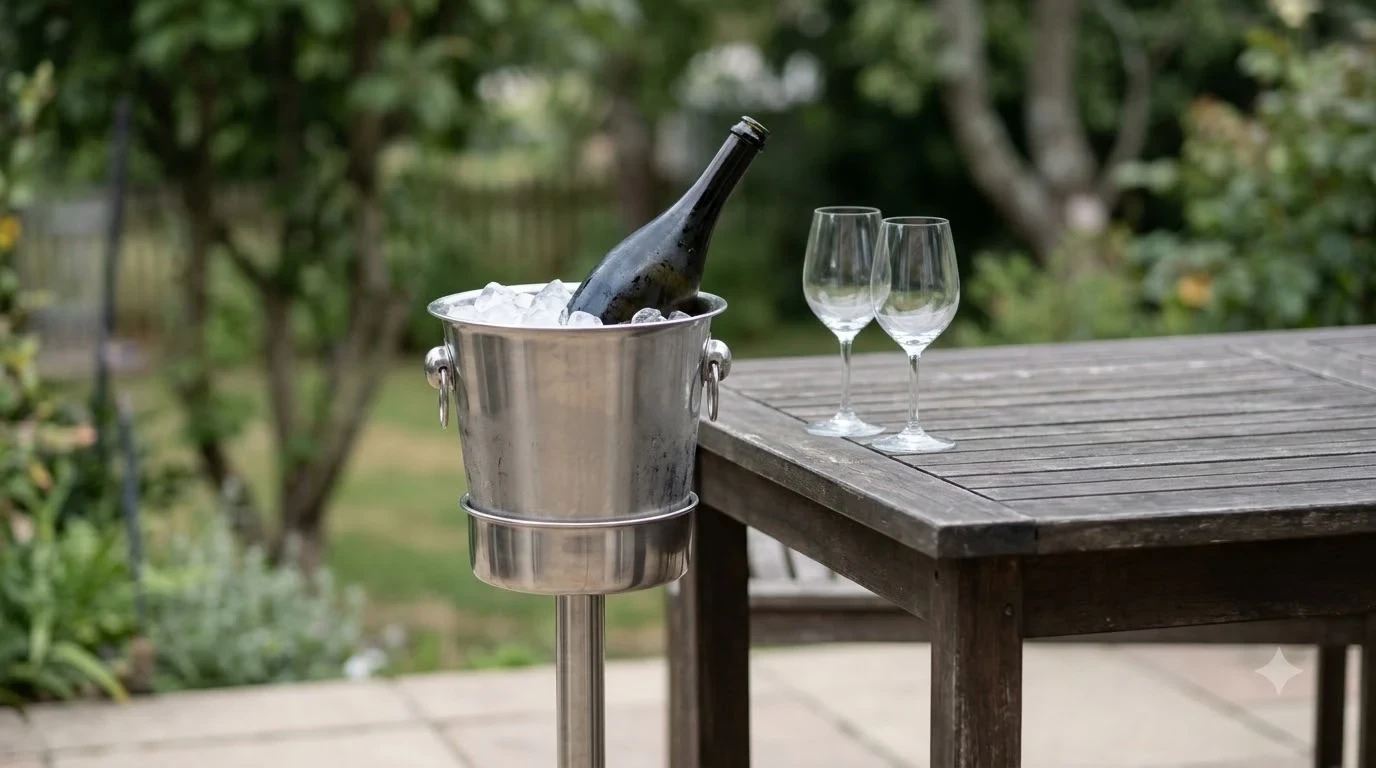
Storage matters for this grape. Reds with firm tannins benefit from cool, steady conditions. The Firstleaf guide suggests storing bottles horizontally in a cool, dark and vibration-free space, and it gives a range of 11 to 14 degrees Celsius for storage. Keep bottles away from heat and light, and avoid kitchen counters or cabinets near appliances.
Serving temperature also changes the experience. The same Firstleaf guide recommends serving the red at 16 to 18 degrees Celsius, which is about 60 to 64 degrees Fahrenheit, and the rosé cooler. Decanting a young or structured red for about 30 to 60 minutes can soften the tannins and open the aromas. Rosés do not need decanting. For more detail on how to serve different styles, check the Wine by Type section.
To start exploring producers, look for bottles from Alto Adige first, since that is where the grape is most established. Viniou lists many lagrein bottlings from Trentino-Alto Adige in recent vintages, which gives you a sense of how widely the style is made. Check the vintage and producer on the label, and ask your wine shop for a bottle that matches the style you want.
Frequently Asked Questions
What does lagrein wine taste like?
Lagrein usually tastes of dark fruit such as black cherry, plum and blackberry, with a floral violet note. The wine has firm tannins and lively acidity, and oak-aged bottles often show cocoa, coffee or vanilla. The rosé style is lighter and tastes of cherry and raspberry.
Is lagrein a full-bodied wine?
Lagrein is generally medium to full-bodied, with alcohol typically between 12.5 and 14 percent. The red style feels structured and grippy when young. Rosé versions are lighter and fresher, so the body depends on which style you choose.
What foods go well with lagrein?
Red lagrein pairs well with grilled lamb, venison, braised beef, mushroom risotto and aged cheeses. The rosé style suits seafood, grilled trout, fresh salads and soft cheeses. Check the producer’s notes on the label for specific pairing ideas.
Where does lagrein come from?
Lagrein comes from Alto Adige in northern Italy, which is its historic home. The grape is also grown in parts of Australia and the United States, including California and Oregon. Wines from these places can taste different because of their climate and soils.
Lagrein is a rewarding choice for anyone who enjoys structured reds with fruit and freshness. Start with a rosé or a mid-priced red from Alto Adige, then pair it with a hearty dish to see how the tannins soften. Enjoy wine in moderation, and explore related grapes through the Wine by Type guide when you are ready to compare styles.
More in Wine Types & Grapes
 Zinfandel Sugar Content: Dry Red vs. White Zinfandel GramsUpdated Nov 21, 2026
 Best Zinfandel Substitute Options for Sipping and CookingUpdated Nov 21, 2026
 Zweigelt Food Pairing: Best Dishes, Cheeses, and Serving TipsUpdated Nov 21, 2026
 Zinfandel Tannins Explained: How Structure Shapes Every BottleUpdated Nov 21, 2026
 Zinfandel Sweetness Level: Dry Red vs. Sweet White Zin ExplainedUpdated Nov 21, 2026
 Xinomavro Food Pairing: Best Dishes, Styles, and Serving TipsUpdated Nov 21, 2026