

We may earn a commission when you buy through links on this page, at no extra cost to you. Learn more.
Macabeo wine is a white wine made mainly from the Macabeo grape, which is called Viura in much of Spain, and it is grown most widely in northeastern Spain and southern France. Young versions are crisp and light, with citrus, green apple and floral notes. The grape also plays a traditional role in many Cava sparkling wines and in a large share of white Rioja.
This guide explains what macabeo wine tastes like, where Spanish and French versions come from, and how to choose and serve one. It also covers how the grape fits into Cava and Rioja, two labels American buyers often see on store shelves.
What Is Macabeo Wine?
Macabeo wine is any wine where the Macabeo grape is the main variety or a meaningful part of the blend. Because the grape is white, these wines are usually pale in color and built around fresh acidity. Reference guides describe it as a versatile grape that works both as a solo varietal and as a blending partner.
Many shoppers will not see the word Macabeo on a label. In Spain, the same grape is often labeled Viura, especially in Rioja. Knowing both names helps you connect a bottle to the grape inside it, which makes it easier to compare styles across regions.
According to the Firstleaf wine guide, the grape is valued for its diversity and for its central role in both still and sparkling wines. That range explains why you can find it in a simple everyday white and also in a more serious, aged bottle.
Macabeo Grape Origins and Synonyms
The grape is widely associated with Spain, and the Wikipedia entry on the variety describes it as a white wine grape grown in several Spanish and French regions. Its name appears in several forms, including Macabeu in Catalan and Viura in Spanish wine regions. The list of synonyms is long, which can confuse anyone reading older wine lists or catalogs.
Several older names are also proper names for other grape varieties. The Wikipedia entry lists synonyms such as Macaban, Lardot, Malvoisie and Tokay, among others. Because of that overlap, a name alone does not confirm the grape. Check the producer’s technical sheet or the label when the exact variety matters to you.
The same entry also lists the grape’s parent varieties, but that detail matters less for most shoppers. The practical takeaway is simple: if a bottle says Viura or Macabeu, you are most likely looking at the same white grape. If you want to study the variety itself, the macabeo grape page covers viticulture in more depth.
Flavor Profile and Style
Macabeo wine is usually light to medium-bodied with crisp acidity. Young, unoaked versions lean toward lemon, green apple and pear, often with floral and herbal touches. Richer bottles can show stone fruit, honey, nuts and toast when they spend time on lees or in oak.
| Style | Typical character | What to look for on the label or tasting note |
|---|---|---|
| Young and unoaked | Crisp, light, citrus and green apple | Fresh, zesty finish and gentle florals |
| Lees-aged or textured | Fuller body with a rounder feel | Subtle creaminess balanced by acidity |
| Oak-aged white Rioja | Vanilla, nuts, spice and honeyed notes | Complex, savory depth, often with age |
| Cava base wine | Fresh, floral and light | Dry, fine bubbles in the finished sparkling wine |
Terroir shapes the glass as much as winemaking does. Cooler sites and earlier picking tend to give brighter acidity and more delicate aromatics. Warmer sites and later harvests usually produce fuller wines with deeper stone fruit, such as white peach and apricot.
Some young examples show a subtle bitter almond note on the finish. Wines from granitic soils often carry a mineral edge that tasters describe as wet stone. If you like crisp whites with a savory edge, these traits are worth seeking out.
Where Macabeo Is Grown
Macabeo is grown mainly in northeastern Spain and southern France, with notable plantings in Rioja, Catalonia, Aragon and Roussillon. Some producers also grow it outside Europe, and the Wikipedia entry notes plantings in Israel since 2009. The Iberian side of the Pyrenees remains its core home.

Spanish plantings stood at nearly 45,000 hectares in 2015, making it the second most grown white grape variety in Spain. French plantings were reported at 2,800 hectares in 2007. These figures are older snapshots, so check current national statistics if you need recent numbers.
Regional character shifts with soil and climate. The Firstleaf varietal guide notes that wines from Roussillon, especially those grown on granitic soils, can show a salty or wet-stone character. Firstleaf’s Macabeo varietal guide also describes Aragon bottlings as warm and sun-kissed, which suits buyers who like fuller whites.
Macabeo in Cava and Rioja
In Cava, Macabeo is a traditional blending component, and in Rioja it is the main grape of many white wines. Both roles matter for American buyers because the grape may appear in bottles labeled by region rather than by variety. Understanding that link helps you predict the style.
In Catalonia, Macabeu is traditionally blended with Xarel·lo and Parellada to make Cava, Spain’s best-known sparkling wine. The grape brings freshness and balance to the blend. Check the back label or the producer’s website if you want the exact grape split, since blends vary by bottle.
In Rioja, the grape became important after the phylloxera epidemic, when it largely replaced older varieties such as Malvasia and Garnacha blanca. Its wines were better able to withstand oxidation. Some producers make Reserva and Gran Reserva whites with extended aging that can span decades, so look for those terms if you want a more developed style.
Food Pairing with Macabeo
Young Macabeo suits seafood and fresh starters, while aged, oaked styles handle richer dishes. Its acidity cleans the palate between bites, which makes it a flexible partner for a range of Spanish and Mediterranean plates. The style of the bottle should guide your menu choice.
Crisp, unoaked versions pair well with oysters, clams, light grilled fish, sushi and fresh cheeses. The citrus and green apple notes lift delicate seafood without overwhelming it. These bottles also work with herb-forward starters, especially dishes seasoned with fennel or tarragon.
Richer, oak-aged bottles stand up to roasted chicken, pork, paella and Spanish tortilla. Their nutty notes match the depth of these heartier plates. Aged cheeses also pair well with these wines, and vegetable dishes or cold soups such as gazpacho suit the grape’s herbal character. Enjoy wine with food and drink responsibly.
How to Buy and Store Macabeo Wine
Buying Macabeo is easiest when you start with the grape name and the style. Use the steps below to narrow your choice before you reach the register. A few minutes of label reading can save you from a bottle that does not match your taste.
- Look for Macabeo, Macabeu or Viura on the label or in the producer’s description.
- Decide whether you want a fresh, unoaked style or a richer, aged bottle.
- Check the region, since Rioja and Cava labels signal different production rules.
- Look for Reserva or Gran Reserva terms if you want a long-aged white Rioja.
- Store the bottle cool and dark until you are ready to open it.
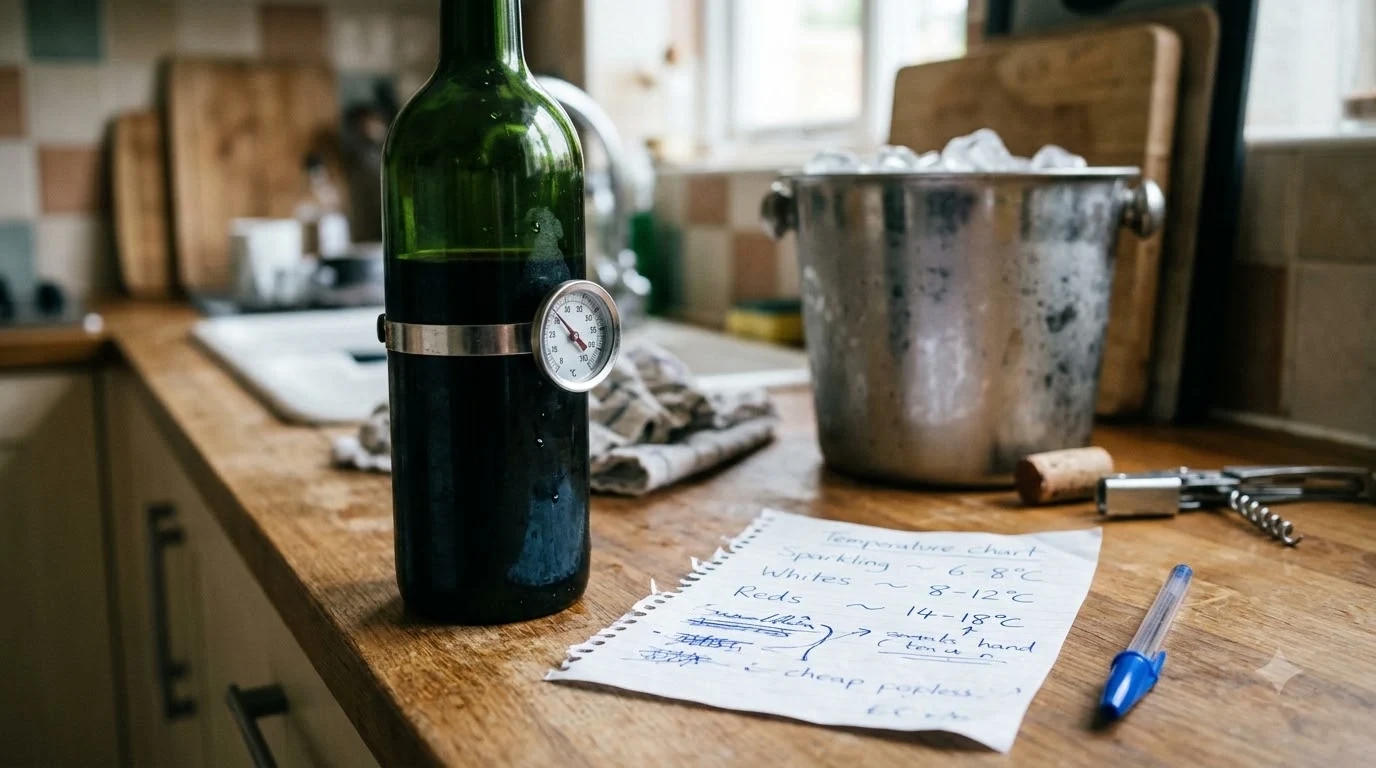
For serving, the manufacturer and reviewer guidance is consistent. Serve young, fresh Macabeo and Cava well chilled, roughly between 43 and 50 degrees Fahrenheit. Aged or oaked styles do better slightly warmer, in the 50 to 55 degree range. Cava benefits from a flute or tulip glass that keeps bubbles lively.
Storage follows similar logic. Keep bottles in a cool, dark place at a steady 50 to 59 degrees Fahrenheit, ideally near 55 degrees, with bottles lying on their sides and moderate humidity. Young, unoaked Macabeo is best within one to two years. Aged Rioja can develop for much longer, so keep those bottles where temperature stays steady.
Tip: If you enjoy crisp Italian whites, the catarratto grape page offers another white variety to compare with Macabeo.
Frequently Asked Questions
Is macabeo wine the same as Viura?
Yes, in most cases. Macabeo is the name used in Catalonia and France, while Viura is common in Rioja and elsewhere in Spain. The two names refer to the same white grape variety, so a label using either term points to the same grape.
What does macabeo wine taste like?
Young macabeo wine is usually crisp and light, with lemon, green apple and floral notes. Aged or oaked versions can show nuts, honey and vanilla. Some bottles carry a subtle bitter almond note on the finish.
Is macabeo used in Cava?
Yes. Macabeu is traditionally blended with Xarel·lo and Parellada to make Cava, Spain’s best-known sparkling wine. It contributes freshness and balance to the blend. The exact grape mix depends on the producer and the bottle.
How should I serve macabeo wine?
Serve young, unoaked versions well chilled, roughly 43 to 50 degrees Fahrenheit. Aged or oaked styles can be slightly warmer, around 50 to 55 degrees. Use a standard white wine glass for still wines and a flute or tulip glass for Cava.
Macabeo wine is an approachable white that shows up in everyday bottles and in serious aged Rioja. If you want to learn how this grape compares with other white styles, the wine types guide is a useful next step. Start with a young, chilled bottle, then try an aged one to see how the style changes.
More in Wine Types & Grapes
 Zinfandel Sugar Content: Dry Red vs. White Zinfandel GramsUpdated Nov 21, 2026
 Best Zinfandel Substitute Options for Sipping and CookingUpdated Nov 21, 2026
 Zweigelt Food Pairing: Best Dishes, Cheeses, and Serving TipsUpdated Nov 21, 2026
 Zinfandel Tannins Explained: How Structure Shapes Every BottleUpdated Nov 21, 2026
 Zinfandel Sweetness Level: Dry Red vs. Sweet White Zin ExplainedUpdated Nov 21, 2026
 Xinomavro Food Pairing: Best Dishes, Styles, and Serving TipsUpdated Nov 21, 2026