

We may earn a commission when you buy through links on this page, at no extra cost to you. Learn more.
Quintessa wine is a Bordeaux-style red blend from a 280-acre estate in Rutherford, in the Napa Valley. The Huneeus family planted the property after acquiring land that had never been cultivated, and the winery makes one wine each year without a second label. Quintessa is considered a premium, cellar-worthy red and is best known for its structured, dark-fruited style built on Cabernet Sauvignon.
Quintessa is one of the best-known names in Napa Valley’s high-end red wine market, and it is a common search for people who want to understand what a Rutherford estate blend tastes like and how it is made. This guide covers the estate’s history, the vineyard and blend, the winemaking approach, and how to serve and enjoy the wine at home.
How Quintessa Began
The estate was founded by Agustin and Valeria Huneeus, a Chilean couple who came across a large parcel of land in the heart of Rutherford in the late 1980s. The 280 acres had never been planted with vines. Valeria, who trained as a scientist and viticulturist, designed the vineyard plot by plot so that each block matched its own slope, soil and exposure.
The first commercial vintage came out in the mid-1990s, and the estate has since built a reputation for consistency and a long aging potential. The Huneeus family also owns Huneeus Vintners, the company that manages Quintessa and other estates in the region. The winery’s own history page describes the land as raw and undeveloped when the family bought it, which is part of the story the estate tells about its long, deliberate build.
The Vineyard and the Blend
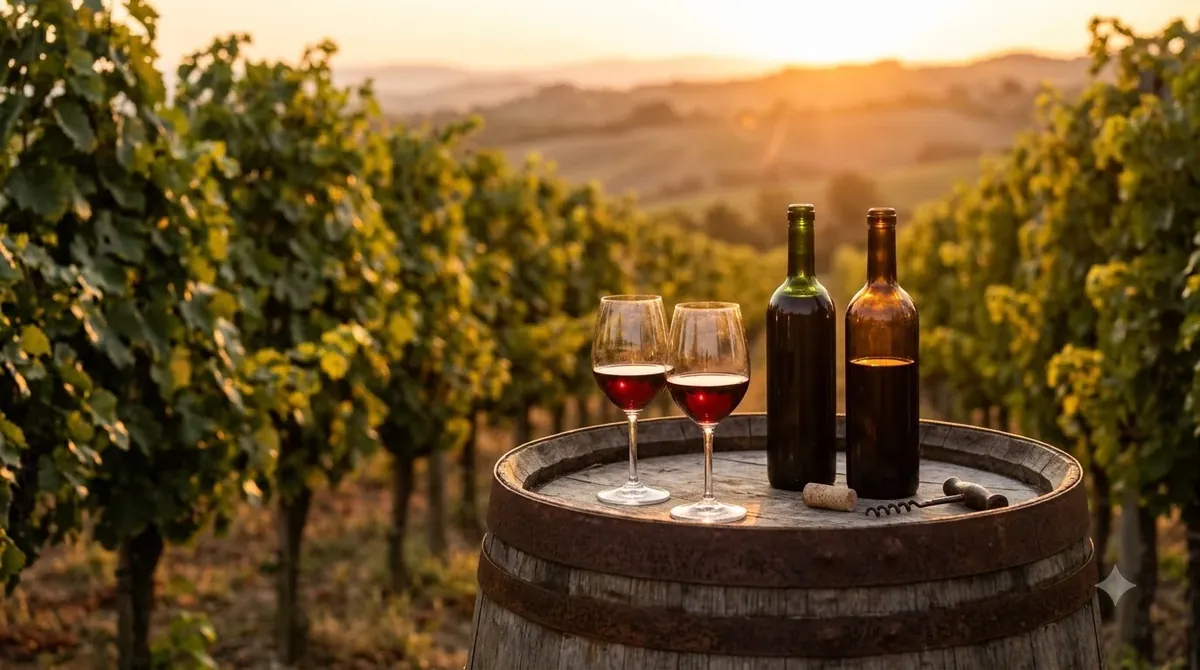
The estate covers 280 acres in Rutherford and is organized into 26 vineyard blocks across five hills. It also includes a lake, a riverbed and surrounding forest, which the estate uses in its farming. In the 2014 season, most of the vines were about 27 years old, which the winery links to the wine’s concentration. The estate is farmed organically, and its irrigation water comes from the property’s own lake.
The blend is built around five Bordeaux varieties: Cabernet Sauvignon, Merlot, Cabernet Franc, Petit Verdot and Carménère. Each block is harvested in sections when its fruit is at its best, and the final blend is assembled from the best lots of the season. The proportions change from year to year, which is why the winery’s vintage notes matter for anyone who wants to compare releases. For the estate’s own description of the vineyard and the 2014 release, the Quintessa vintage page gives detail on blocks, irrigation and harvest timing.
What Quintessa Wine Tastes Like
Quintessa is dense, dark and structured, with a style that feels closer to a classic Left Bank Bordeaux than a plush, fruit-first Napa Cabernet. Expect ripe dark fruit, fresh cherry, violets, graphite and cedar spice on the nose. On the palate, the tannins are supple but present, and the finish is long. The best vintages are meant to evolve in the cellar over many years, gaining complexity as the fruit softens and the structure integrates.
Compared with an everyday red from a mass-market brand such as Barefoot wine, Quintessa is a different category altogether. The two are not competitors on the same shelf, and the difference shows in both the flavor and the way each wine is meant to be enjoyed. The table below highlights the main traits of a typical Quintessa release.
| Feature | Typical Quintessa release |
|---|---|
| Style | Bordeaux-style, full-bodied red blend |
| Main fruit | Dark cassis and blackberry, with cherry |
| Structure | Firm, supple tannins and good acidity |
| Aroma notes | Violets, graphite and cedar spice |
| Aging | Designed to age for many years |
Winemaking and Recent Vintages
Winemaking at Quintessa focuses on picking each block at its own ripeness and on careful oak use. The estate has tested different approaches over time. For the 2014 vintage, consulting winemaker Michel Rolland suggested barrel fermentation trials, and those trials used small, new French oak barrels that added dark chocolate notes and a rich texture to the wine.
The 2014 harvest began on September 5, 2014, in a growing season with no heat waves or temperature shocks, which gave the grapes strong acidity. The estate also had to manage a severe California drought in its third year and a 6.0-magnitude earthquake in the South Napa area that August. Because the vineyard sat far enough from the epicenter, no wineglasses broke. In the vines, sensors guided irrigation, with higher blocks such as Corona receiving smaller, more frequent amounts of water and lower blocks with deeper soils watered later in the day.
Winemaking responsibility passed to Rebekah Wineburg in 2015, and longtime winemaker Charles Thomas is now winemaker emeritus. The 2014 release was the estate’s 20th-anniversary wine, and the winery describes it as dense and dark, with smooth tannins and a long future ahead of it. The critic Robert Parker wrote that the wine “should evolve beautifully for two decades or more,” which is one of the reasons collectors keep the estate on their lists.
How to Serve Quintessa Wine
Serve Quintessa at around 60 to 65 degrees Fahrenheit, slightly below room temperature, so the structure and fruit are balanced. A younger bottle benefits from decanting for an hour or two, which softens the tannins and lets the dark fruit and spice come forward. Older vintages usually need less time, and a gentle pour into a large glass is enough.
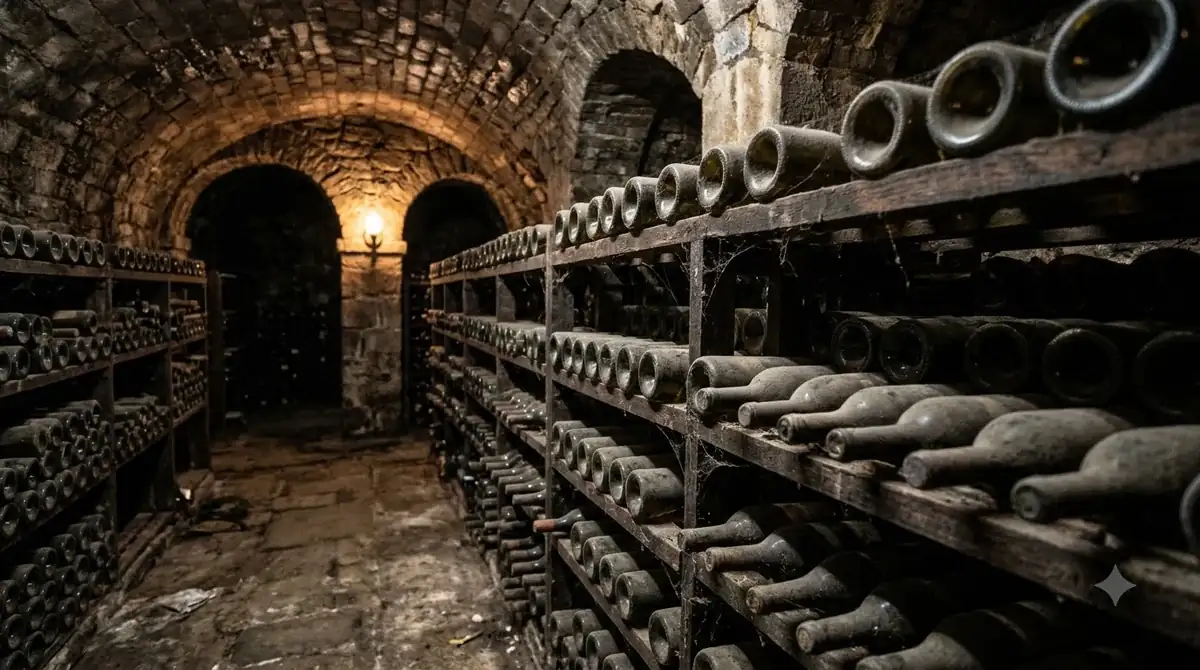
Use a large Bordeaux-style glass with plenty of room to swirl. Keep bottles on their side in a cool, dark place, and avoid large temperature swings, which can speed up aging in an unhelpful way.
Food Pairings for Quintessa
The firm tannins and dark fruit of Quintessa call for rich, savory food. Prime rib, grilled steak and lamb with rosemary are classic matches, because the protein softens the tannins and the wine’s structure handles the richness. Braised short ribs or a slow-cooked beef stew are also good choices.
For a vegetarian table, try mushroom risotto, aged hard cheeses or roasted root vegetables with a little balsamic. Hard cheeses such as aged Parmigiano-Reggiano and Gouda pair well with the wine’s structure and add a savory layer that complements the fruit.
Who Quintessa Suits and How to Buy It
Quintessa is a wine for people who enjoy serious, structured reds and are willing to wait for a bottle to develop. It suits special dinners, long-term cellars and anyone interested in how a Rutherford estate blend differs from a single-varietal Napa Cabernet. It may be less appealing to people who prefer bright, fruit-forward reds meant to be drunk young.
The estate makes one wine per year without a second label, so every release is a single blend rather than a range of tiers. Visits to the estate are private and hosted for each guest, so if you want to visit, plan ahead and contact the winery directly. Otherwise, check reputable merchants and the winery’s own release notes to find the vintage you want.
Frequently Asked Questions
Is Quintessa a Cabernet Sauvignon?
Quintessa is a blend, and Cabernet Sauvignon is a central part of it. The wine also includes Merlot, Cabernet Franc, Petit Verdot and Carménère, which is why it is described as a Bordeaux-style red.
Where is Quintessa located?
The estate is in Rutherford, in the Napa Valley of California. It covers 280 acres and is farmed organically.
How long can you age Quintessa?
The winery’s own description and critics both point to a long cellar life for the best vintages, often measured in decades. Younger bottles can be enjoyed earlier with decanting.
Can you visit the Quintessa estate?
Visits are private and tailored to each guest, so you should contact the winery in advance to arrange a time and details.
Quintessa is a serious Napa red built on a long-term vision for the estate and its vineyards. If you are curious about how it fits among premium Napa wines, the wine brands guide is a good place to compare styles and approaches across the category.
More in Wine Brands
 Underwood Wine Price: Compare Bottles, Cans, and Pack SizesUpdated Nov 21, 2026
 Zenato Wine Price: Compare Styles and Choose the Right BottleUpdated Nov 21, 2026
 Zuccardi Wine Price: Compare Bottles and Find the Right RangeUpdated Nov 21, 2026
 Yellow Tail Moscato Review: Taste, Sweetness and Serving TipsUpdated Nov 21, 2026
 Wolf Blass Yellow Label Review: Choose Your Best StyleUpdated Nov 21, 2026
 Wolffer Estate Rose Review: Choose the Right Bottle for Your TableUpdated Nov 21, 2026