

We may earn a commission when you buy through links on this page, at no extra cost to you. Learn more.
A burgundy grape is not one single variety, because Burgundy is a French wine region, and the grape behind most red burgundy is Pinot Noir. Gamay also grows in the region and appears in some regional wines, while Chardonnay is the main white grape. Knowing which grape is in the bottle tells you a lot about how the wine will taste.
This guide explains why the word burgundy describes a place and a color more than a grape. It also walks you through the varieties you are most likely to find on a US wine shop shelf, and how to use that knowledge when you choose a bottle.
What Is a Burgundy Grape?
The short answer is that there is no grape officially called burgundy. People use the word for wines from the Burgundy region of east-central France, and for American wines made in a similar style. In practice, the grape you are really asking about is usually Pinot Noir for red wine and Chardonnay for white.
That gap between name and grape confuses many buyers. A label that says burgundy may describe a color, a style, or a place of origin. The grape is only one piece of the story, so it helps to read the whole label before you decide what is inside.
Burgundy Is a Region, Not a Grape
Burgundy is a wine region near the city of Dijon, built on a long winemaking tradition. According to Decanter’s Burgundy region guide, the region’s key grape varieties are Pinot Noir and Chardonnay, largely because its cool and moderate climate suits them. The region’s vineyards also carry the UNESCO world heritage status they received in 2015.
Burgundy uses a classification system that matters as much as the grape. Wines are labeled at the regional, commune, premier cru and grand cru levels. The best vineyards sit on the Côte d’Or, which is split into the Côte de Nuits in the north and the Côte de Beaune in the south. Many producers own small parcels of the same vineyard, so two bottles from one village can taste quite different.
The Wikipedia article on Burgundy wine notes that the region has more appellations than any other French region. It describes the most famous wines as dry reds from Pinot Noir and dry whites from Chardonnay. Chablis and Beaujolais are part of the wider region, but they are usually sold under their own names.
Pinot Noir: The Main Burgundy Grape
Pinot Noir is the grape most people mean when they say burgundy. Its wines are usually pale to medium ruby in color, with red fruit, earthy notes and a silky texture. The grape is thin-skinned and sensitive to weather, which is one reason the region’s careful site selection matters so much.
Historical records place Pinot Noir in Burgundy early. It was first mentioned in 1370 under the name Noirien, and it became the grape that would dominate the region’s best red vineyards. Today it is the backbone of the red wines from the Côte de Nuits and Côte de Beaune, including the famous villages of Gevrey-Chambertin, Vosne-Romanée and Volnay.
Pinot Noir also has a close cousin in the marketplace. Many American producers, especially in Oregon and California, make Pinot Noir in a style they describe as Burgundian. These wines often show brighter fruit and more ripeness, so they can taste fuller than a village-level Burgundy. Check the back label to confirm the grape, since the style name alone does not tell you the variety.
Gamay and Other Grapes Used in Burgundy
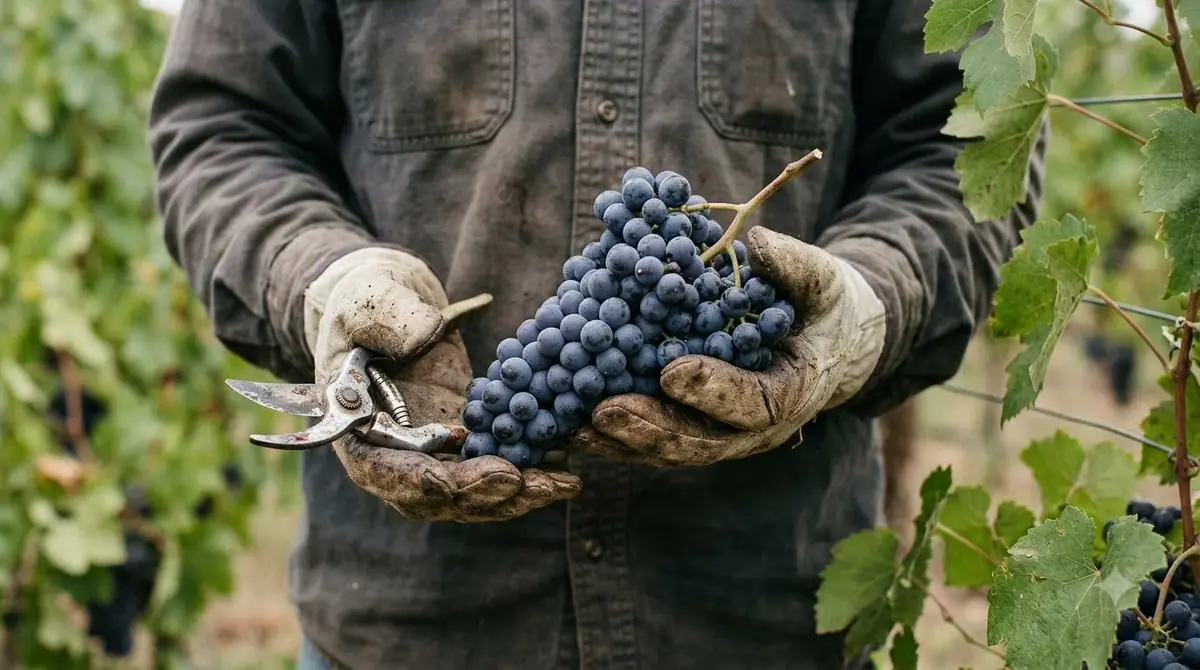
Gamay is the other red grape you will see in Burgundy. Its role is smaller and more humble than Pinot Noir, but it has a real place in the region’s history. Decanter reports that a little over 2,000 hectares of Gamay remain spread around Burgundy today.
Gamay was once common in the region. In 1395, Duke Philip the Bold issued a decree that called Gamay an evil and disloyal plant and ordered it removed from the vineyards. Gamay survived in pockets anyway. When the appellation system was created in 1937, Gamay was allowed under only two Burgundy appellations, Bourgogne Grand Ordinaire and Bourgogne Passetoutgrains.
Bourgogne Passetoutgrains is the most important Gamay blend for buyers. By rule, it must contain at least 30 percent Pinot Noir and at least 15 percent Gamay, and most wines are close to a 50-50 mix. Coteaux Bourguignons, which replaced Grand Ordinaire in 2011, can be a single-variety Gamay or a blend. Outside Burgundy, Gamay is the main grape of Beaujolais, which is why the grape is often linked with that neighboring region.
Chardonnay is the white counterpart to Pinot Noir. It makes the crisp whites of Chablis and the richer, oak-influenced whites of the Côte de Beaune. Aligoté is a lesser white grape that usually makes lighter, less complex wines. If you see a white burgundy, Chardonnay is the grape to expect unless the label says otherwise.
How Burgundy Wine Tastes Compared to Other Reds
Burgundy reds are known for elegance rather than power. Compared with many red wines from warmer regions, they tend to be lighter in body, with more acidity and a silkier feel. Their aromas often lean toward red cherry, raspberry, violet and forest floor. The exact profile depends on the village, the producer and the vintage.
The table below compares Burgundy Pinot Noir with two other common reds. Treat it as a general guide, since winemaking and climate can shift each style.
| Wine style | Main grape | Typical body | Common flavors |
|---|---|---|---|
| Red Burgundy | Pinot Noir | Light to medium | Red cherry, rose, earth, silky tannins |
| Beaujolais | Gamay | Light | Red berries, fresh, juicy, low tannin |
| Chianti | Mostly Sangiovese | Medium | Sour cherry, herbs, firm acidity |
Pinot Noir from Burgundy usually feels more delicate than a Cabernet Sauvignon from Bordeaux or a Napa Valley blend. Gamay tastes brighter and simpler, with less structure. A bottle of Chianti, which is made mainly from Sangiovese, sits between them for many drinkers. For a closer look at one of these comparisons, the chianti grape guide explains how that Italian red differs from Pinot Noir.
Serving temperature changes how these wines show their character. Reds of this style are usually served cooler than many people expect, since a slight chill keeps the fruit lively and the tannins soft. Check the producer’s notes or the back label for guidance, because the right temperature depends on the bottle.
How to Buy and Store Burgundy Wine
When you buy a bottle labeled burgundy, first look for the grape. A French label that says Bourgogne with Pinot Noir on it is a clear signal. An American label may say Oregon Pinot Noir, Willamette Valley Pinot Noir or simply Burgundy-style, so read the varietal line carefully.
Choose by level. A regional Bourgogne is usually the entry point, a village wine names its commune, and premier cru and grand cru bottles come from named vineyards. Higher levels often cost more and need more cellar time, but a well-made regional wine can still taste balanced and clean. Prices change often, so check current listings rather than relying on past figures.
- Read the label for the grape variety, the appellation and the producer name.
- Decide whether you want a red from Pinot Noir, a blend such as Passetoutgrains, or a white from Chardonnay.
- Store the bottle on its side in a cool, dark place with steady temperatures, away from heat and light.
- Open reds a little before serving so they can open up in the glass.
Storage matters less for everyday Burgundy than for top bottles. Most entry-level wines are meant to be opened within a few years. Ask the retailer or check the producer’s site if you plan to age a bottle. For a broader overview, the Wine by Type section groups many styles side by side.
Frequently Asked Questions
Is burgundy a grape variety?
No. Burgundy is a wine region in France, and the name is also used for wine styles. The main grapes behind red Burgundy are Pinot Noir and Gamay, while white Burgundy is mostly Chardonnay. Always check the label for the grape name.
What is the main burgundy grape for red wine?
Pinot Noir is the main grape for red Burgundy. It makes wines with red fruit, earthy notes and a light to medium body. Gamay is also grown in the region and appears in some regional blends.
What is Passetoutgrains?
Passetoutgrains is a Burgundy red blend of Pinot Noir and Gamay. By rule, it must contain at least 30 percent Pinot Noir and at least 15 percent Gamay. Most wines are close to an even mix, and they are usually more affordable than village-level Burgundy.
Can American wines be called burgundy?
Some American wines use burgundy as a style name, often for Pinot Noir or a blend. The name alone does not guarantee a specific grape or a French origin. Read the back label to see the grape, the place of origin and the producer.
Understanding the burgundy grape makes the whole region easier to read. Start with Pinot Noir for red and Chardonnay for white, then try Gamay-based blends when you want something lighter. Explore the rest of our wine types to compare styles side by side.
More in Wine Types & Grapes
 Zinfandel Sugar Content: Dry Red vs. White Zinfandel GramsUpdated Nov 21, 2026
 Best Zinfandel Substitute Options for Sipping and CookingUpdated Nov 21, 2026
 Zweigelt Food Pairing: Best Dishes, Cheeses, and Serving TipsUpdated Nov 21, 2026
 Zinfandel Tannins Explained: How Structure Shapes Every BottleUpdated Nov 21, 2026
 Zinfandel Sweetness Level: Dry Red vs. Sweet White Zin ExplainedUpdated Nov 21, 2026
 Xinomavro Food Pairing: Best Dishes, Styles, and Serving TipsUpdated Nov 21, 2026