

We may earn a commission when you buy through links on this page, at no extra cost to you. Learn more.
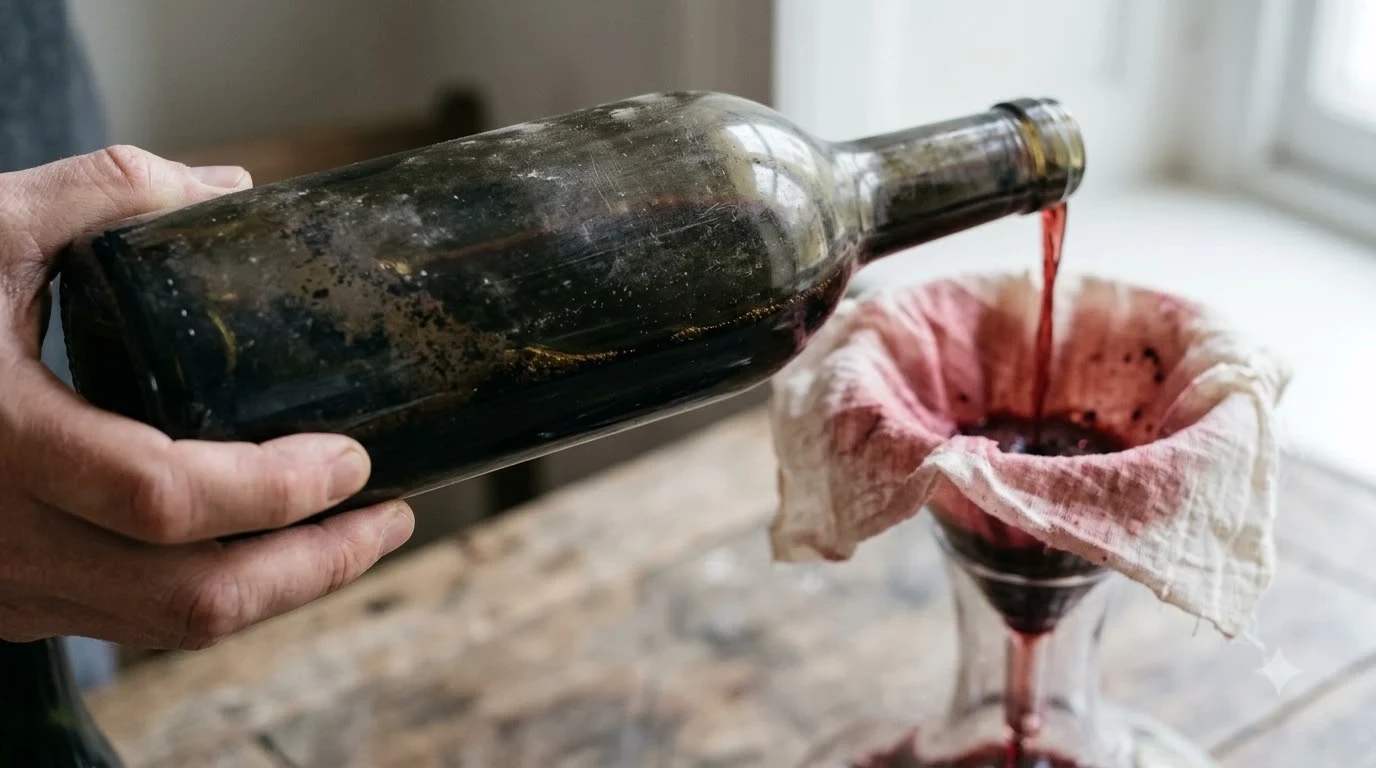
The barolo grape is Nebbiolo, a red variety grown in the Langhe hills of Piedmont in northwest Italy. Under the Barolo DOCG rules, a wine can only carry the name if it is made exclusively from this grape. Nebbiolo produces wines with firm tannins, bright acidity and a long aging window.
This guide explains where the barolo grape grows, what its wines taste like, and how the aging rules shape the bottle you find on a shelf. It also compares Barolo with Chianti, another Italian red that American shoppers often consider as an alternative.
What Is the Barolo Grape?
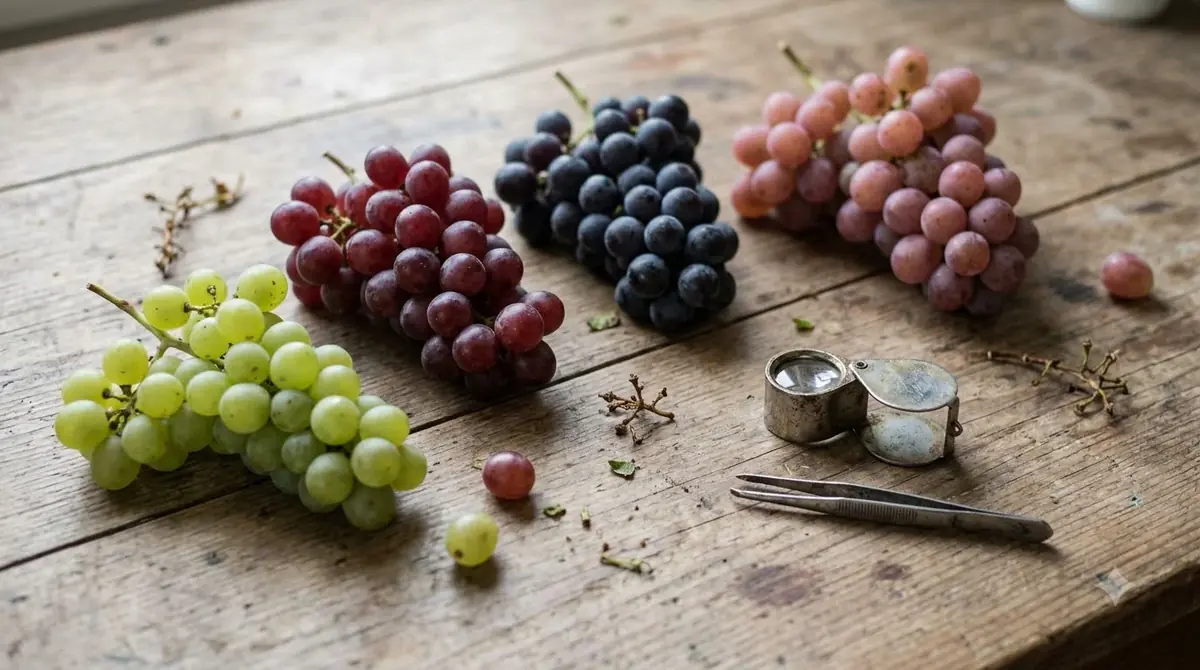
The barolo grape is simply Nebbiolo, a dark-skinned variety that is the sole grape allowed in Barolo. Because the appellation rules require 100 percent Nebbiolo, you will never see a blend labeled Barolo. Any other grape in the bottle means the wine must be sold under a different name.
Nebbiolo is demanding in the vineyard. It ripens late in the season, so growers often harvest as late as possible to build sugar, tannin and color. That late ripening is one reason the grape is so closely tied to the cool, hilly conditions of northwest Italy rather than warmer regions.
Nebbiolo is also the grape behind Barbaresco, a neighboring wine. According to the Wikipedia entry on Barbaresco, the two wines share the same grape and sit less than 10 miles apart, yet they taste different. Learning the grape first makes those differences easier to understand.
Where Barolo Grapes Grow in Piedmont
Barolo grapes grow in the Langhe hills south of Alba, across the production area of the Barolo appellation. The zone covers the town of Barolo and 11 communes, including La Morra, Monforte d’Alba, Castiglione Falletto and Serralunga d’Alba. Each village offers a slightly different mix of soil, exposure and elevation.
The soils are mostly clay and calcareous, and the vineyards sit on hillsides that the sources place roughly between 170 and 540 metres above sea level. According to the Cellar Tours guide to the Barolo region, the western villages tend to make more aromatic, approachable wines, while the eastern villages often produce firmer, slower-maturing styles. Producer, vintage and vineyard site still matter more than the village name alone.
Barolo also uses named vineyard areas called MGAs. The Cellar Tours page explains that these identify geographic origin rather than a formal ranking of crus. For a shopper, that means a village or MGA name on the label tells you where the grapes came from, not automatically how good the wine is.
Barolo Grape Flavor Profile and Tannins
Barolo made from Nebbiolo is known for high tannin, vibrant acidity and a full body. Young wines can taste firm and tight, with a grip that dries the mouth. Over time that structure softens, and the wine reveals more complex aromas.
Common descriptors include red fruit, rose, spice, tar, leather and savory notes. Italyabroad describes mature examples with dried rose, truffle, licorice and earthy notes. The exact profile shifts with the village, the producer and the vintage, so no two bottles taste identical.
| Area or style | Typical tendency in sources | What it means for you |
|---|---|---|
| La Morra and western Barolo | More fragrant and approachable | Often enjoyable a little earlier |
| Serralunga d’Alba and parts of Monforte | Firmer, slower-maturing | Usually needs more cellar time |
| Castiglione Falletto | Softer than Serralunga | A middle ground in structure |
| Traditional style | Long maceration, large old oak | Can be austere when young |
| Modern style | Shorter maceration, smaller barrels | Often more fruity and supple |
Tannin is the element that surprises most newcomers. Cellar Tours notes that tannins are often harsh in youth and melt into velvety elegance with time. If you open a young bottle and find it grippy, that is typical, not a fault. Decanting or pairing it with food can help the wine feel smoother.
How Barolo Is Made and Aged
Barolo is governed by strict production rules, and those rules explain much of the wine’s reputation. The appellation requires a minimum aging period before release, with a portion of that time spent in wood. A riserva bottling must age considerably longer.
According to the Barolo DOCG summary at Italyabroad, the wine must age at least 38 months, including a minimum of 18 months in oak barrels. The Riserva category requires at least 62 months of aging, again with 18 months in wood. Each producer chooses the barrel type, which is why you see both large Slavonian oak casks and smaller French barriques.
| Category | Minimum aging | Minimum time in wood |
|---|---|---|
| Barolo DOCG | 38 months from 1 November of the harvest year | 18 months |
| Barolo Riserva | 62 months | 18 months |
In challenging years, some estates decide not to release their wine as Barolo. Italyabroad says conscientious producers may declassify those wines to Langhe Nebbiolo instead. That decision protects the reputation of the appellation, and it can give you a lower-priced way to taste the grape from the same region.
Barolo vs. Chianti: Key Differences
Barolo and Chianti are both Italian reds with food-friendly acidity, but they come from different grapes and different regions. Barolo is 100 percent Nebbiolo from Piedmont. Chianti is a Tuscan wine most often built on Sangiovese, and it is usually easier to find at a lower price point.
Barolo generally feels bigger, more tannic and more demanding in its youth. Chianti tends to show brighter red cherry fruit and a lighter structure, which makes it a friendlier everyday bottle. If you want a comparable grape guide for the Tuscan side, read our chianti grape guide, which explains the variety behind those wines.
For American buyers, the practical difference is cellaring. A young Barolo often needs years before it shows its best, while many Chianti bottles are ready to drink sooner. Check the label for the producer, the vintage and the appellation, since those details tell you more about the style than the color of the bottle.
Food Pairings for Barolo
Barolo pairs well with rich, savory food because its tannin and acidity cut through fat and protein. Piedmontese classics are the obvious match. Cellar Tours lists tajarin with white truffle, agnolotti del plin, brasato al Barolo, game, venison, porcini, hazelnuts, risotto and mature cheeses.
At home, you can keep the matching simple. Try a roast or braised meat, mushroom dishes, or aged cheeses. Lighter dishes such as chicken or delicate seafood can get lost beside a firm, tannic red. Serve the wine at a comfortable cellar temperature rather than very warm, so the aromas stay clear.
If you prefer a lighter red for weeknight meals, a Barolo may feel like too much. Lean toward Italian reds with softer structure in that case. The guide to catarratto grape covers an Italian variety with a very different, lighter profile that suits simpler dishes.
How to Buy and Store Barolo
Buying Barolo is easier when you know what the label is telling you. Look for the Barolo DOCG name, the producer, the vintage and, if you want the older style, the word Riserva. A village or vineyard name suggests the origin, but it does not guarantee a particular taste.
- Decide whether you want a wine to drink soon or one to age for years.
- Check the label for Barolo or Barolo Riserva rather than a broader Langhe Nebbiolo bottling.
- Read the vintage and consider whether it was a strong or challenging year, using trusted reviews.
- Store the bottle on its side in a cool, dark, steady-temperature place away from vibrations.
- Open young bottles early and decant if the tannins feel too firm.
Storage matters because Barolo is built to last. Keep bottles away from heat and light, and avoid rooms that swing between warm and cold. If you do not have a cellar, a closet away from the kitchen often works for short periods, though long-term aging needs a more controlled space.
Enjoy Barolo in moderation, and plan to drink it with food when you can. Its tannins and alcohol make it a better match for a slow dinner than for quick sipping.
Tip: Before you buy a bottle to age, check the producer’s technical notes or a reputable reviewer for the vintage. Those sources give you clearer guidance than general rules alone.
Frequently Asked Questions
What grape is used to make Barolo?
Barolo is made only from Nebbiolo, a red grape. The DOCG rules forbid blending in other varieties, so any Barolo you buy should be 100 percent Nebbiolo. The grape gives the wine its firm tannins and long aging potential.
Why are Barolo tannins so strong when young?
Nebbiolo naturally carries high tannin, and traditional winemaking often used long maceration and large oak casks. Cellar Tours notes that these tannins are often harsh in youth and soften with time. Decanting or pairing with food can make a young bottle more approachable.
Is Barolo the same as Barbaresco?
No, although both are made from Nebbiolo in neighboring parts of Piedmont. Barbaresco is generally considered somewhat softer and earlier-drinking, while Barolo is often more structured. Each has its own rules and aging requirements.
How long should I age a bottle of Barolo?
The minimum legal aging is 38 months, with at least 18 months in wood, and Riserva requires at least 62 months. Many fans wait years longer for the best results. Check the producer’s notes or a trusted reviewer for guidance on a specific vintage.
Barolo rewards patience, food and a good understanding of its grape. Start by learning Nebbiolo, then compare a few villages and styles as you explore further. For more background on Italian and other wine types, visit our Wine by Type section.
More in Wine Types & Grapes
 Zinfandel Sugar Content: Dry Red vs. White Zinfandel GramsUpdated Nov 21, 2026
 Best Zinfandel Substitute Options for Sipping and CookingUpdated Nov 21, 2026
 Zweigelt Food Pairing: Best Dishes, Cheeses, and Serving TipsUpdated Nov 21, 2026
 Zinfandel Tannins Explained: How Structure Shapes Every BottleUpdated Nov 21, 2026
 Zinfandel Sweetness Level: Dry Red vs. Sweet White Zin ExplainedUpdated Nov 21, 2026
 Xinomavro Food Pairing: Best Dishes, Styles, and Serving TipsUpdated Nov 21, 2026