

We may earn a commission when you buy through links on this page, at no extra cost to you. Learn more.
Vermont wine is made mostly from cold-climate grapes, including hybrids and native-type varieties chosen for their ability to survive long, harsh winters. Because the state is far north and cold, growers rely on grapes bred or selected for hardiness rather than the classic European varieties found in warmer regions. The result is a small, distinctive wine scene built around resilience, freshness and local character.
This guide explains how Vermont wine is made, which grapes tend to thrive in the state, where the vineyards sit and how to find and buy local bottles. It is written for American wine lovers who want to understand New England wine regions beyond the better-known growing areas of the country.
What Makes Vermont Wine Unique
Vermont wine stands out because it is grown in a climate that most wine regions would consider too cold for classic vines. Growers and researchers at the University of Vermont have studied what works here for many years.
The state’s winegrape industry is built around cold-climate varieties. According to University of Vermont researchers who have published on the topic, the industry has its own set of characteristics that set it apart from larger wine regions. You cannot simply copy a vineyard from California or Bordeaux and expect the same results in Vermont.
Much of the difference comes from priorities. Vermont vineyards focus on vine survival, disease resistance and juice quality, rather than on the big, ripe styles that warm climates produce easily. That focus shapes the bottles you find on shelves here. Expect wines that often feel fresh, lively and sharply focused on fruit.
Vermont wine also connects to a wider small-farm culture. Many vineyards are modest in scale, and some producers are interested in natural wine ideas. A 2024 paper by Pelletier and Bradshaw examined how people in Vermont understand the concept of natural wine, which shows that the local conversation is still developing.
Climate and Terroir of Vermont Vineyards
Winter cold is the main limit on Vermont vineyards, and it largely decides which grapes can be planted. Site choice, drainage and vine protection matter almost as much as the variety you pick.
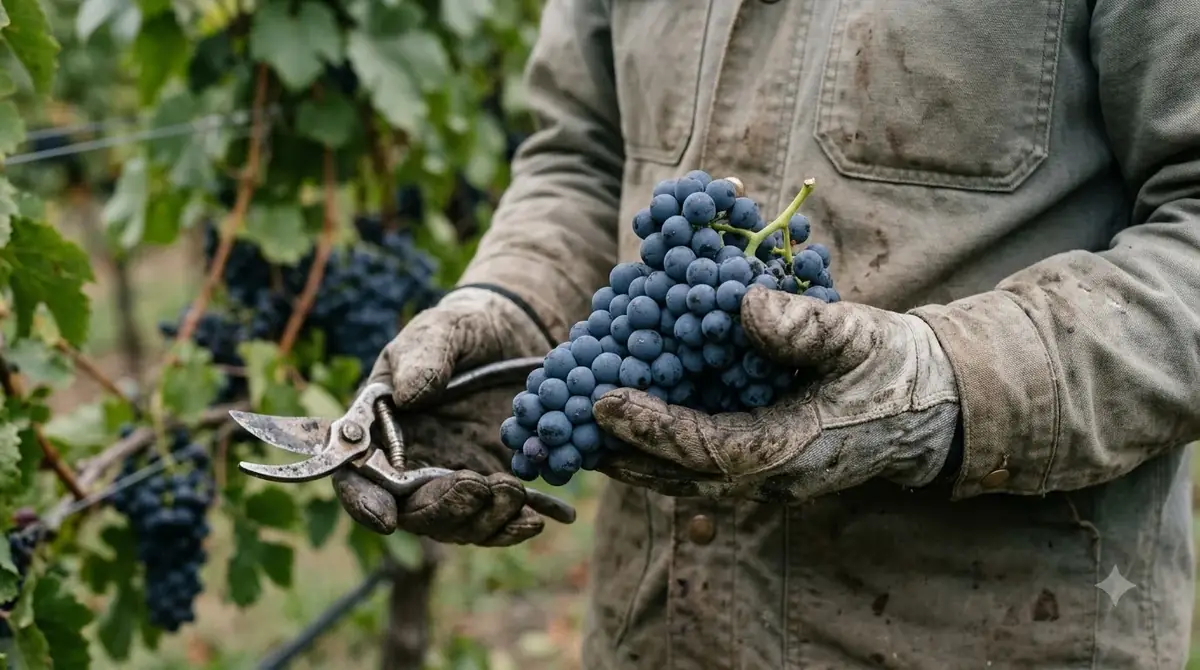
Cold winters are the central challenge. Extension guidance from the University of Vermont makes clear that cold-climate viticulture depends on choosing varieties that can handle low winter temperatures. The National Oceanic and Atmospheric Administration publishes winter low temperature information for Vermont, and growers use plant hardiness maps to judge how exposed a site is. Check those resources before you plan a vineyard visit in the colder months.
| Factor | What it means for the vines |
|---|---|
| Winter low temperatures | Decides which varieties survive and whether buds are injured |
| Length of the growing season | Limits how long fruit has to ripen before autumn frost |
| Site drainage and airflow | Helps reduce cold pooling and fungal disease |
| Disease pressure | Humid summers push growers toward resistant varieties and careful spray programs |
Terroir here is less about dramatic slopes and more about microclimate. Cold air can settle in low spots, so a vineyard on a gentle slope with good airflow may fare better than one in a hollow. The UVM Extension grape resources page lists a guide called Growing Grapes in Vermont, which covers these site issues in more depth.
Disease is the other major factor. University of Vermont researchers have published work on disease susceptibility among cold-climate grapes, and they have produced relative disease ratings for wine grape varieties grown in the state. Growers use that kind of information to decide which vines to plant and how often to spray, choices that shape both vineyard management and the final wine.
Grape Varieties Grown in Vermont
Vermont vineyards rely mostly on cold-hardy hybrids and native-type grapes instead of traditional European vinifera. These varieties are chosen for winter survival, disease resistance and reliable ripening in a short season.
Grape types fall into a few broad groups. European vinifera grapes produce the classic wines most people know, but they are often too tender for harsh Vermont winters. Interspecific hybrids, which blend European and North American species, were developed to handle cold and disease more reliably. Native American species add their own aromas and are sometimes used in fresh, fruity bottlings or in blends.
| Grape group | General traits | Fit for Vermont |
|---|---|---|
| European vinifera | Classic flavor range and thinner-skinned fruit | Limited, usually only on well-protected sites |
| Cold-hardy interspecific hybrids | Bred for winter survival and disease resistance | Widely studied for cold-climate vineyards |
| Native American species | Distinctive aromas, often bold and fruity | Used in some local bottlings and blends |
Tip: Ask the tasting room which grape variety is in each bottle and whether the fruit came from the farm’s own vineyard. The answer tells you a lot about the style you are about to taste.
Research from the University of Vermont looks closely at how these cultivars perform. A 2018 paper in the European Journal of Horticultural Science examined the horticultural performance and juice quality of cold-climate grapes grown in Vermont. The UVM Fruit Program publication list points to that work and to related disease studies, which is a good starting point if you want the technical details.
For a curious drinker, the main takeaway is that a Vermont bottle often comes from a grape you may not have tried before. Read the label for the grape or blend, and ask the winery what the variety is known for. That question often tells you more than the label design does.
Wine Regions and Wineries in Vermont
Vermont has no single famous appellation, so the best way to explore is by region and by individual farm. Visiting small producers and asking questions is the most practical approach.
Vermont’s vineyards are spread across the state rather than concentrated in one famous valley. Growers are often small operations, and their location affects frost, airflow and soil. Because of that scattered pattern, it helps to think of the state as a set of local clusters rather than one wine country.
For notable producers, check current directories rather than relying on older lists. The Vermont Grape and Wine Council is an industry group that serves the state’s grape and wine sector, and its member information is a sensible place to start. Winery lineups change over time, so confirm current offerings before you plan a trip. The range of styles across the state is the real appeal, so avoid assuming any single farm is the only one worth visiting.
If you already know another American region, the contrast can help. A visit to a warmer area such as Calistoga wine country shows how much climate shapes style. Vermont growers work with a very different season, and that difference explains why their wines taste distinct. For wider context, the wine regions guide lists many other areas to compare.
How Vermont Wine Compares to Other New England Wines
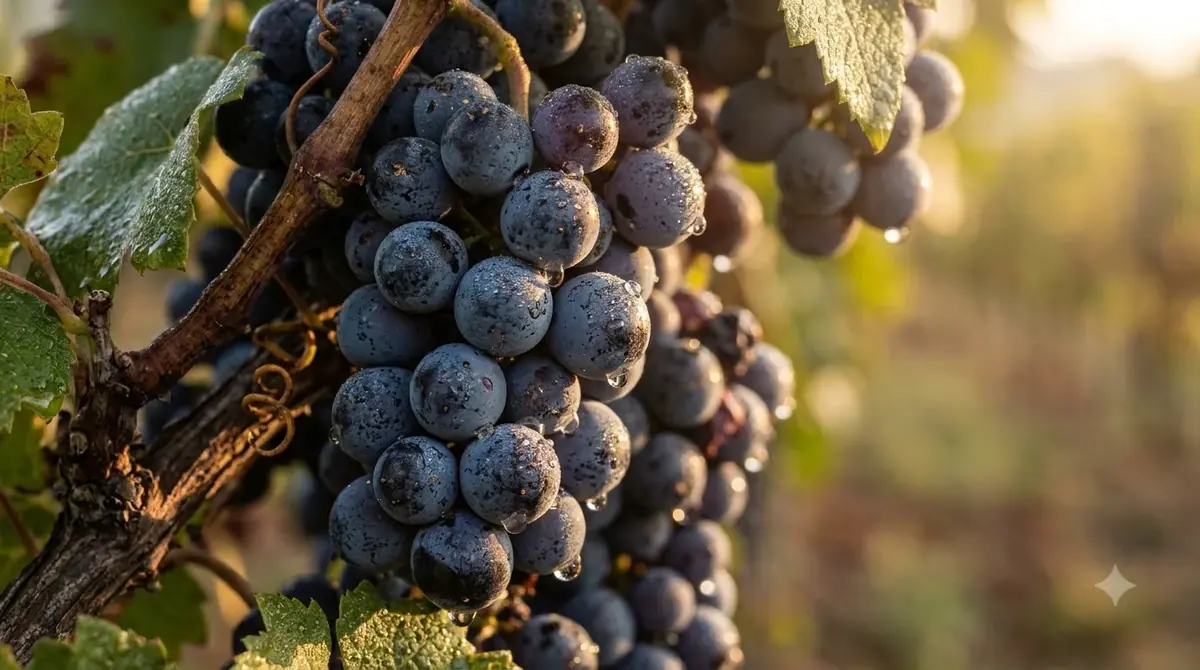
Vermont shares cold winters and grape research with the rest of New England, yet each state has its own growers, soils and market conditions. Vermont stands out for its heavy university focus on cold-climate grapes and pest management.
Other New England states grow grapes too, and many face similar winter challenges. Regional research networks, including the New England Wine Grape Growers’ Resource Center listed on UVM Extension pages, share information on cold-climate varieties. That shared knowledge means growers often learn from one another’s results.
- Vermont: strong university research on cold-climate grapes, disease ratings and integrated pest management.
- Other New England states: a similar cold-hardy focus, with their own site, soil and market conditions.
- Warmer American regions: longer seasons that allow riper, fuller styles to develop more easily.
- European regions: a long tradition built on classic vinifera, quite different from the hybrid-heavy Vermont approach. For a very different style, see cognac wine.
The practical difference is what you taste. Vermont bottles often reflect a short season and careful pest management, which can give them a fresh, lively character. Compare a Vermont bottle with one from a warmer region to see how climate changes weight, ripeness and acidity.
Pairing and Buying Vermont Wine
Vermont wines usually suit fresh, everyday food, and they are easiest to find at the farms that make them. Buying directly and asking questions gives you the best local selection.
Fresh, lively wines pair well with simple, seasonal food. Think of soft cheeses, roast chicken, pork, vegetables from a farmers market and light salads. Match the wine’s acidity to richer dishes, because bright acidity cuts through fat. Ask the person pouring which styles they recommend with cheese or smoked foods, since the best match depends on the specific bottle.
To buy, start at the winery or tasting room, where you can taste and ask about the grapes. Many local shops and restaurants also carry Vermont bottles. Follow these steps to make a smart purchase:
- Choose a region or farm you can reach comfortably by car.
- Ask which grape varieties are in the wine and whether the fruit is estate grown.
- Compare two or three styles, such as a crisp white and a fruit-forward red, before buying a full bottle.
- Check the label for the vintage and producer name, then store the bottle in a cool, steady place.
Enjoy Vermont wine in moderation, and plan a designated driver if you visit several farms in one day. Many producers welcome guests, but tasting rooms keep their own hours, so confirm them before you go.
Frequently Asked Questions
What is Vermont wine made from?
Most Vermont wine comes from cold-climate grapes, including interspecific hybrids and native-type varieties. Traditional European vinifera grapes are less common because they often struggle with winter cold. Check the label or ask the winery for the exact grape or blend in a specific bottle.
Does Vermont wine taste different from other American wine?
Often, yes. Short growing seasons and cold winters tend to produce fresher, more lively wines than the riper styles of warmer regions. Taste varies from farm to farm and from vintage to vintage, so try a few producers before you decide.
Where can I buy Vermont wine?
The most direct option is buying at the winery or tasting room. Many local shops and restaurants also carry Vermont bottles. The Vermont Grape and Wine Council publishes member information that can help you locate producers near you.
Are Vermont wineries worth visiting?
Many small farms welcome visitors, and a tasting gives you direct access to the people who grow the grapes and make the wine. Check current hours in advance, plan transportation, and drink responsibly during your visit.
Vermont wine rewards curiosity. Start with one or two farms, ask about the grapes, and compare styles across the state. For a broader view of how regions shape wine, return to the wine regions guide and keep exploring.
More in Wine Regions
 Willcox Wine Trail: Discover Arizona’s High-Elevation Wine CountryUpdated Nov 20, 2026
 Yakima Valley Wine Region: Find the Best Styles to TryUpdated Nov 20, 2026
 Vosne Romanee Wine Tasting: Identify Aromas and Choose Better PairingsUpdated Nov 20, 2026
 Yakima Valley Wine Festival: Find the Best Seasonal Wine EventsUpdated Nov 20, 2026
 Wales Vineyards: Discover Cool-Climate Wines and Where to VisitUpdated Nov 20, 2026
 Yountville Wine Festival: Discover Napa Wines and Local FoodUpdated Nov 20, 2026