


We may earn a commission when you buy through links on this page, at no extra cost to you. Learn more.
Stellenbosch wine comes from the Stellenbosch region of South Africa’s Western Cape, where a Mediterranean-style climate, mountain-fed soils and a long winemaking history shape red blends, Cabernet Sauvignon, Pinotage and white wines. The region sits inland from Cape Town and is the best-known winegrowing hub in South Africa. For American buyers, these wines often feel familiar in style, yet they taste distinctly South African.
This guide explains what makes stellenbosch wine different, how the local climate and soils affect the glass, and which grapes and styles to look for. It also compares the region with California and France, and offers practical advice on buying, storing, pairing and visiting. If you are new to South African wine, start with the basics below before you choose a bottle.
What Makes Stellenbosch Wine Unique
Stellenbosch wine is defined as much by its place as by its grapes. The region is the historic center of South African winemaking, and its estates have built a reputation for structured reds and polished whites. Winemaking here follows a long tradition that predates most New World regions.
According to Wines of South Africa, the country is the 7th biggest wine producer in the world and makes about 4 percent of the world’s wine. Stellenbosch remains a major part of that output, even though vineyards have spread into many new areas. Wines of South Africa notes that planting expanded well beyond Stellenbosch after the quota system ended in 1992, so today you will find South African wine from very different districts.
What sets Stellenbosch apart is the combination of a dense cluster of established estates, varied slopes and the influence of nearby mountains. The area also has a strong focus on wine quality and certification. Many labels carry a Wine of Origin designation, which tells you where the grapes were grown. Look for that seal when you want to confirm the region on the bottle.
Climate, Soils and Geography
The Stellenbosch region has a climate that the scientific classification calls Mediterranean. Summers are warm and dry, while winters bring most of the rain. Mountains shape the weather, and the region is generally cooler and greener than many other parts of the Western Cape.
The Stellenbosch Mountain entry on Wikipedia describes the peak as a landmark overlooking the town, and it notes an average temperature of 16.4 °C for the area. The same source reports that annual rainfall in the lowlands is about 802 mm, while peaks can receive far more. That steep rainfall gradient matters, because vineyards on different heights can ripen at different speeds.
The surrounding lowlands have rich alluvial soils, which are soils deposited by rivers over time. These soils hold water well and support vineyards alongside other fruit farms. Growers choose sites with care, because slope, drainage and exposure to sun all change how grapes ripen. When you read a bottle’s origin, you are reading about a specific pocket of this varied terrain, not one uniform vineyard.
Two practical points help explain the wines. First, the cooling effect of elevation and ocean air keeps acidity in the grapes. Second, the winter rain means vines are rarely short of water, though seasons can still swing sharply. Those swings show up in the bottle, which is why vintages from Stellenbosch can taste noticeably different from year to year.
Key Grape Varieties Grown in Stellenbosch
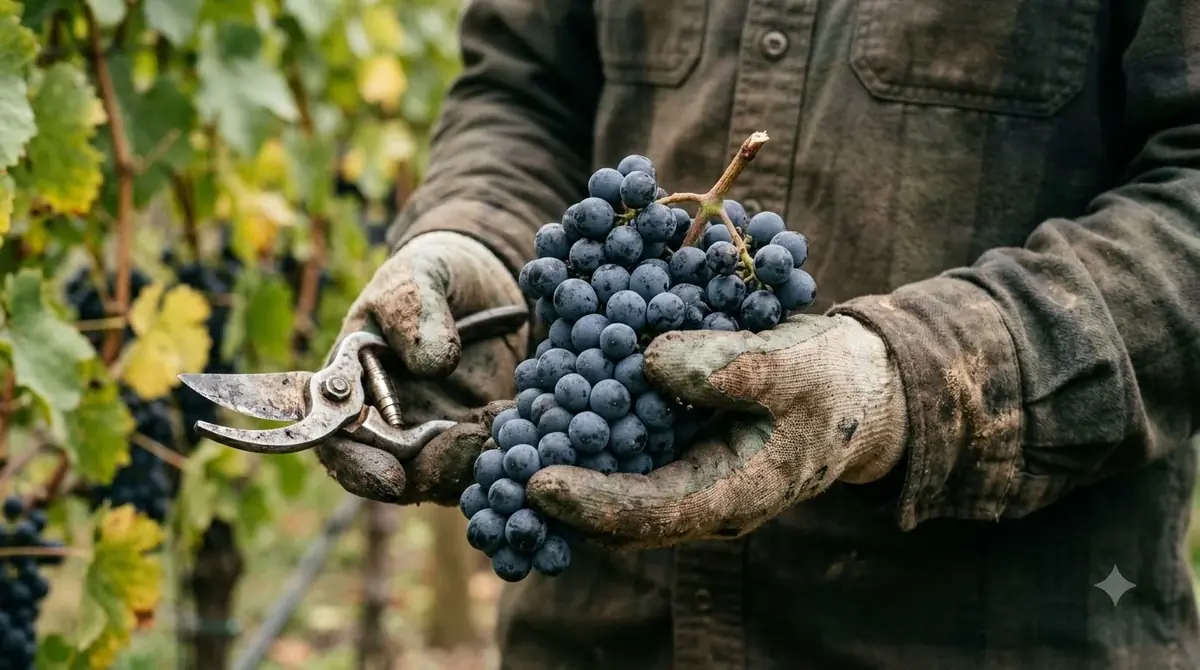
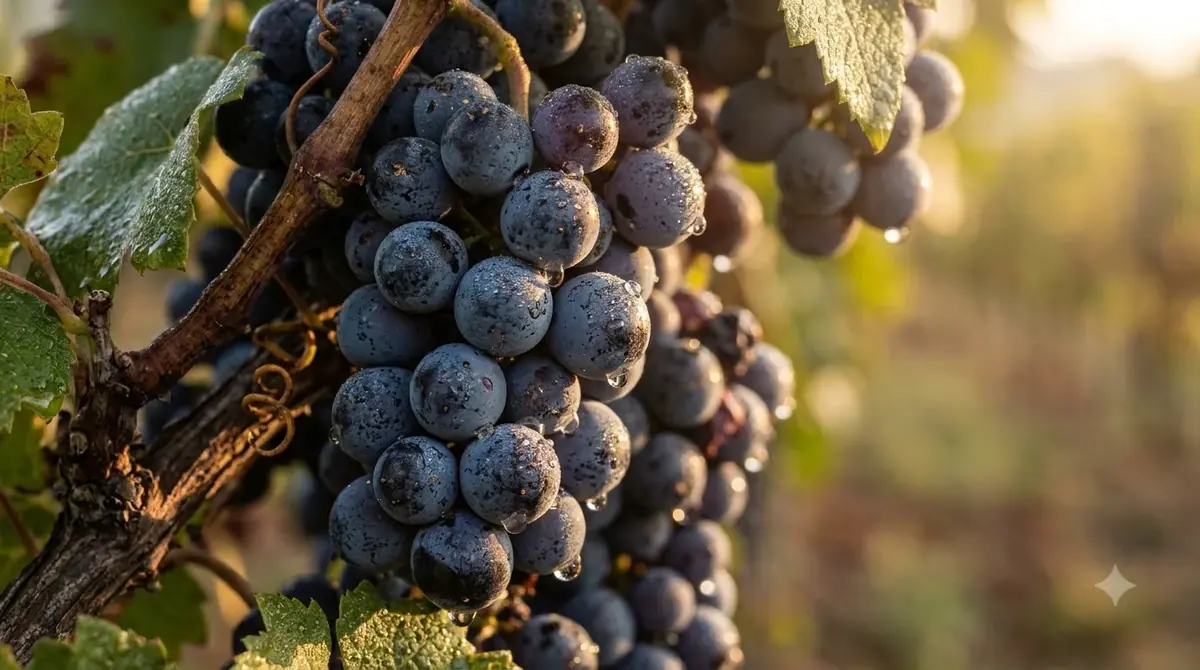
Stellenbosch grows both red and white grapes, and the best-known reds are the most visible on store shelves. Red varieties include Cabernet Sauvignon, Merlot, Syrah and Pinotage. White varieties include Chenin Blanc, Sauvignon Blanc and Chardonnay. Each variety brings a different character, and the winemaker’s choices in the cellar shape the final style.
Cabernet Sauvignon is the most familiar grape for American drinkers. In Stellenbosch it often gives firm tannins, dark fruit and a structured finish, similar in general shape to Cabernet from warmer California sites, though often with a more savory edge. Syrah tends to show spice and dark berry notes, and it works well in both single-variety and blended wines.
Pinotage is the grape most closely associated with South African identity. It is a red variety with a bold, fruit-forward profile that can show smoky or earthy notes depending on winemaking. Chenin Blanc is the country’s signature white grape in many areas, and it can range from crisp and fresh to richer, more textured styles. Sauvignon Blanc from the region is usually bright and aromatic.
If you are learning these grapes, pay attention to the label. A wine labeled by variety tells you the main grape, while a blend will list several. Reading the grape names helps you predict the style before you open the bottle.
Signature Styles: Cabernet, Pinotage and Cape Blends
Three styles define much of the region’s identity: single-variety Cabernet, single-variety Pinotage and the Cape blend. Each one offers a different way into the region. Understanding them makes it easier to choose a bottle that fits your meal and your taste.
A Cape blend usually combines Bordeaux-style grapes with Pinotage or another local red. The mix can deliver the structure of Cabernet with the fruit and character of Pinotage. Because blends vary widely between producers, the best approach is to read tasting notes and check the vintage rather than relying on the blend name alone.
Pinotage tends to divide opinion. Some drinkers enjoy its ripe, smoky style, while others find it intense at first taste. If you are unsure, try a lighter-bodied version with a moderate price point and see how it fits your palate. Serve it slightly cooler than room temperature to keep the fruit lively.
Tip: When you try a new style, buy a single bottle first. Compare it with a familiar wine from California or France to see how the region’s character shows up in your glass.
Stellenbosch Wine Compared to California and France
Stellenbosch wine is often compared with California and Bordeaux, because the regions share some grapes and similar wine styles. The comparison is useful, but it has limits. Climate, soils and winemaking traditions differ, so the same grape can taste quite different from one place to another.
| Factor | Stellenbosch, South Africa | California, such as Napa Valley | Bordeaux, France |
|---|---|---|---|
| Climate | Mediterranean, with mountain cooling | Mediterranean, varies by valley and coast | Oceanic, with mild, wet winters |
| Signature reds | Cabernet Sauvignon, Pinotage, Cape blends | Cabernet Sauvignon, Zinfandel, Pinot Noir | Blends of Cabernet Sauvignon, Merlot and Cabernet Franc |
| Typical whites | Chenin Blanc, Sauvignon Blanc | Chardonnay, Sauvignon Blanc | Sauvignon Blanc, Semillon blends |
| Flavor tendency | Savory, structured, often with earthy or smoky notes | Ripe fruit, often fuller and rounder | Restrained fruit, firm tannins, earthy depth |
Compared with California, Stellenbosch reds often feel more savory and less overtly ripe, although this depends heavily on the producer. If you enjoy the style of Calistoga wine from a warmer California valley, Stellenbosch Cabernet may feel leaner by comparison. Pinotage, however, has no close equivalent in California, so it offers a clear point of difference.
Compared with Bordeaux, Stellenbosch blends can share a similar structure, with the same family of grapes. The main contrast is in fruit character. Many South African blends show riper fruit, while Bordeaux often leans toward earthier, more restrained notes. For a French comparison from a different region, see Cahors wine, which is built around the dark, firm Malbec grape.
How to Buy, Store and Pair Stellenbosch Wine
Buying stellenbosch wine is easier when you know what to look for on the label. Start with the vintage, the grape or blend, and the Wine of Origin designation. Those three details tell you a lot about the wine before you read any tasting notes.
Vintage matters because South African growing seasons vary. According to a Wines of South Africa vintage report on the 2016 harvest, the total crop was smaller than the year before, and yields in Stellenbosch were much lower than in 2015. The same report describes heat and dry conditions that shaped the grapes. You can read more in the Wines of South Africa 2016 harvest report, which explains how weather affected the region.
- Check the label for the grape or blend name, the vintage year and the Wine of Origin seal.
- Read recent tasting notes from wine writers you trust, and compare styles before you buy.
- Store bottles on their side in a cool, dark place with a steady temperature, especially if you plan to age them.
- Open reds a short time before serving, and chill whites until they are refreshing but not icy.
For food, match the wine’s structure to the meal. Cabernet and Cape blends work well with grilled meats, lamb and firm cheeses. Pinotage suits barbecue, smoky dishes and tomato-based sauces. Chenin Blanc pairs nicely with roast chicken, seafood and salads with citrus. As always, enjoy South African wines responsibly, and drink with food and water on hand.
Visiting Stellenbosch Wineries
Visiting is one of the best ways to learn about the region. Many estates offer tastings, and staff can explain the soils, grapes and winemaking choices behind each bottle. Plan your visits around the distances between farms, since the wine route covers a wide area and driving between estates takes time.
Not every estate is open to visitors. The Stellenbosch Mountain entry on Wikipedia notes that much of the mountain’s Coetsenburg Estate is not open to the public, so check opening hours before you go. For a closer look at tasting rooms and estate tours, read this guide to Stellenbosch wineries, which covers what to expect when you visit.
Book tastings in advance during busy seasons, and ask about tasting fees and designated drivers before you arrive. Choose a few estates that match your interests, such as red blends, white wines or scenic views. Spitting is common at tastings, and it helps you taste more wines without overdoing it.
Frequently Asked Questions
What is Stellenbosch wine known for?
Stellenbosch wine is known for structured reds, including Cabernet Sauvignon, Cape blends and Pinotage. The region also makes respected white wines from grapes such as Chenin Blanc and Sauvignon Blanc. Its Mediterranean climate and mountain-influenced soils help shape a savory, well-balanced style.
Is Pinotage the same as Pinot Noir?
No, they are different grapes. Pinotage is a South African red variety with a bolder, often smoky character. Pinot Noir is a lighter, more delicate red grape grown in many regions. Check the label to confirm which grape is in the bottle.
How do I know a bottle really comes from Stellenbosch?
Look for the region name on the label and the Wine of Origin seal, which certifies the origin and the grape variety. If the label names a broader area, the grapes may come from several districts. Reading the back label or the producer’s website can confirm the details.
What foods go well with Stellenbosch red wines?
Cabernet-based and Cape blend reds pair well with grilled meats, lamb and aged cheeses. Pinotage suits barbecue, smoky dishes and rich tomato sauces. Choose food that matches the wine’s body, so that neither the dish nor the glass overwhelms the other.
Stellenbosch wine rewards curiosity, because each estate and grape tells a slightly different story. Start with a clear style, such as a Cabernet or a Chenin Blanc, and compare it with a wine you already know. To explore more regions, browse the Wine Regions section and build your own comparisons.
More in Wine Regions
 Willcox Wine Trail: Discover Arizona’s High-Elevation Wine CountryUpdated Nov 20, 2026
 Yakima Valley Wine Region: Find the Best Styles to TryUpdated Nov 20, 2026
 Vosne Romanee Wine Tasting: Identify Aromas and Choose Better PairingsUpdated Nov 20, 2026
 Yakima Valley Wine Festival: Find the Best Seasonal Wine EventsUpdated Nov 20, 2026
 Wales Vineyards: Discover Cool-Climate Wines and Where to VisitUpdated Nov 20, 2026
 Yountville Wine Festival: Discover Napa Wines and Local FoodUpdated Nov 20, 2026