

We may earn a commission when you buy through links on this page, at no extra cost to you. Learn more.
Puligny Montrachet wine is a white Burgundy from the village of Puligny-Montrachet on the Côte de Beaune, and it is made almost entirely from Chardonnay. The appellation produces very little red, so nearly every bottle you find is white. The style is known for minerality, restraint and an elegant structure rather than heavy fruit.
This guide explains where Puligny Montrachet wine comes from, how its soils and slopes shape the glass, and what separates village wines from Premier Cru and Grand Cru bottles. It also covers how the wine compares with its neighbor Chassagne-Montrachet, plus practical tips for food, buying and serving.
What Is Puligny Montrachet Wine?
Puligny Montrachet wine is a Burgundy appellation that takes its name from the commune of Puligny-Montrachet. According to the Wikipedia entry on Puligny-Montrachet wine, nearly all of its output is white, with only a tiny share of red wine made each year. The white wines are built on Chardonnay, although the rules allow some Pinot blanc in the blend.
Many wine drinkers treat Puligny as a benchmark for Chardonnay. The wine is usually described as precise and balanced, with a finish that lingers without heaviness. Producers differ in how fruity or oaky their bottles taste, so the name on the label tells you more about the style than a single rule does.
Soil, Climate, and Terroir
The soils of Puligny are the main reason the wines taste the way they do. Brown limestone is common, and so are soils where limestone alternates with marl and limey clay. In some spots the bedrock sits right at the surface, while elsewhere the soil is deep. Clay sediments tend to be coarser higher on the slopes and finer at the base.
The vineyards face mostly east and southeast, at altitudes that a Burgundy producer’s guide places roughly between 230 and 320 meters. That exposure gives the vines morning sun and helps the grapes keep their acidity. The result is a wine with a mineral edge that many tasters connect to the chalky, stony ground beneath the vines.
Terroir also works at a small scale here. Two plots a short distance apart can produce wines with noticeably different weight and aroma. That is why the vineyard name matters when you shop, and why a good producer’s bottle from a specific site can taste different from the village-level wine made by the same house.
Chardonnay Styles and Winemaking
Puligny Montrachet wine is usually a dry, unoaked or lightly oaked Chardonnay in style, with oak playing a more restrained role than in some other Côte de Beaune villages. The same Wikipedia entry notes that the wines are often very mineral and tend to be described as elegant rather than fruit-driven. The degree of fruitiness still varies between producers and sites.
The appellation rules set minimum ripeness levels. Village-level white wine must reach at least 11.0 percent potential alcohol, and Premier Cru white wine must reach 11.5 percent. These are floors, not targets, and they help explain why the wines sit in a moderate alcohol range that keeps the palate fresh.
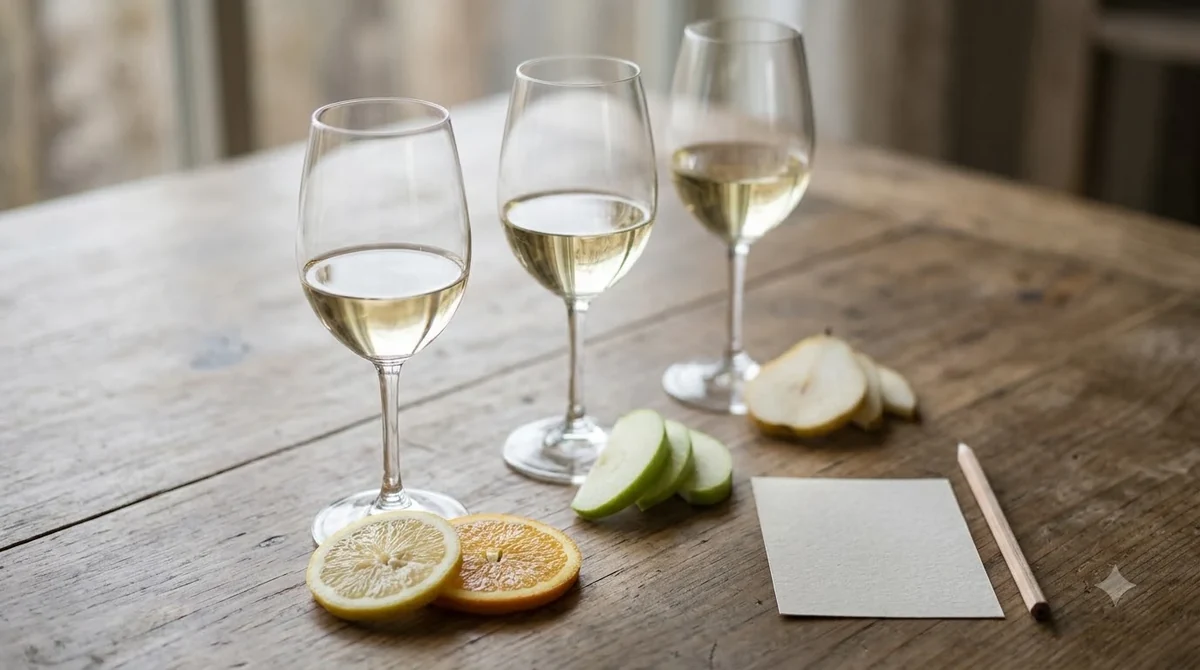
A well-made bottle often shows layers rather than a single flavor. Burgundy’s own producer guide describes aromas of hedgerow blossom, green apple, lemongrass, almond and hazelnut, with milky and smoky mineral notes and sometimes honey. Expect the wine to become more golden and more complex with age, which is why many people cellar the better bottles for several years.
Premier Cru and Grand Cru Vineyards
Puligny has a clear hierarchy of vineyards. Village wines can blend fruit from across the commune, while Premier Cru and Grand Cru wines carry the name of a specific climat. Reading that name on the label tells you where the grapes were grown and sets the expectation for the wine’s concentration.
According to the Puligny-Montrachet appellation page, the appellation includes 17 Premier Cru vineyards. The Wikipedia entry reports four Grand Cru vineyards, with Montrachet the best known. Two of the Grand Crus, Montrachet and Bâtard-Montrachet, cross into the neighboring commune of Chassagne-Montrachet, so the same vineyard can carry two village names.
| Classification | What it means on the label | What to expect in the glass |
|---|---|---|
| Village wine | Puligny-Montrachet, often blended from several plots | Clean, mineral and approachable when young |
| Premier Cru | Puligny-Montrachet 1er Cru plus a named climat | More depth and structure, with a longer finish |
| Grand Cru | A named Grand Cru such as Chevalier-Montrachet | The most concentrated and age-worthy style |
Grand Cru bottles are usually the most expensive and the most structured, so they reward patience and careful serving. Premier Cru wines offer a middle path for many buyers. Village wines are a practical choice for everyday drinking, especially if you want to learn the house style before you spend more.
How Puligny Montrachet Compares to Chassagne-Montrachet
Puligny and Chassagne-Montrachet sit side by side on the Côte de Beaune, and many drinkers compare them. Both are famous for white Burgundy built on Chardonnay, and both include Grand Cru vineyards that cross the border. The differences show up most clearly in the glass.
Puligny is often described as more linear and mineral, with a tighter, more restrained profile. Chassagne can show a little more weight and warmth in some vintages and from some producers. These are tendencies rather than rules, so tasting a few bottles from each village helps you see which style you prefer.
If you want to explore the neighboring village, the chassagne montrachet wine guide covers its soils and styles in more detail. For a wider view of where Puligny fits among French vineyards, the Wine Regions section places Burgundy alongside other classic appellations.
Food Pairing, Buying, and Serving Tips
Puligny suits food that is rich but not heavy, because its acidity and minerality cut through sauces and butter. Burgundy’s producer guide suggests poultry in a sauce, sautéed veal with mushrooms, lobster, crayfish, grilled fish and foie gras. Its body and aromatic lift also make it a good match for creamy goat cheese or a soft cheese such as Brie de Meaux.
When you buy, read the label for the village or vineyard name, and check the vintage and producer. Many shops in the United States list Burgundy by domaine, so comparing two or three producers from the same village is a practical way to learn the style. Store bottles on their side in a cool, dark place, and check the producer’s storage guidance if you plan to age a bottle.
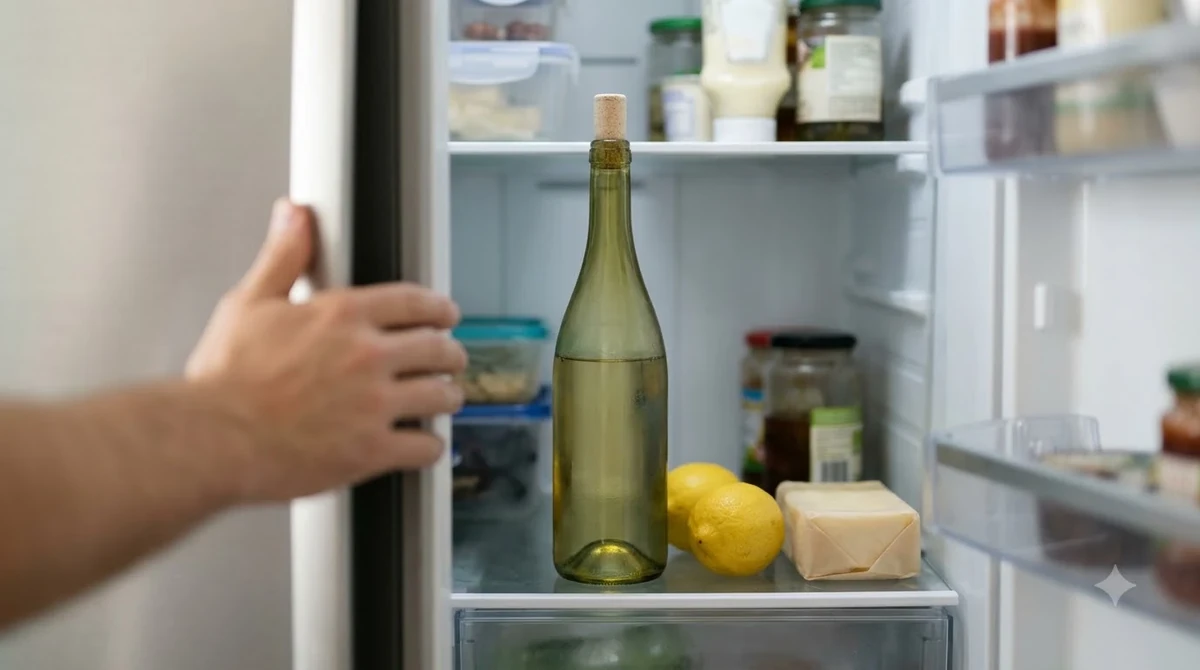
Serve the wine chilled but not ice cold. A slightly cooler temperature than room temperature helps the aromas show without muting the minerality. Pour a modest amount into a white wine glass so the aromas gather, and drink it with food. Always drink responsibly, and plan a ride or a non-alcoholic option if you are driving.
Frequently Asked Questions
Is Puligny Montrachet wine red or white?
Puligny Montrachet wine is almost always white. The appellation rules allow a small amount of red made from Pinot Noir, but it is produced in tiny quantities. Nearly all the appellation’s output is Chardonnay-based white wine.
What does Puligny Montrachet wine taste like?
Most Puligny wines are described as mineral, precise and elegant. Aromas can include green apple, lemon, hazelnut and floral notes, with a finish that feels clean rather than heavy. Oak is usually restrained, though individual producers differ.
What is the difference between a village wine and a Premier Cru?
A village wine can blend grapes from several plots within Puligny. A Premier Cru wine comes from a named climat and usually shows more depth and structure. The vineyard name on the label is the quickest clue to the level.
Can I age Puligny Montrachet wine?
Many white Burgundies from Puligny gain complexity with several years of cellaring, and the better Premier and Grand Cru bottles often improve the most. Village wines are usually meant to be enjoyed younger. Check the producer’s guidance on each bottle before you plan a long cellaring period.
Puligny Montrachet wine rewards readers who look past the famous name and study the village, the vineyard and the producer. Start with a village bottle to learn the house style, then move to a Premier Cru when you want more depth. The Wine Regions hub is a good next stop if you want to compare Burgundy with other classic areas.
More in Wine Regions
 Willcox Wine Trail: Discover Arizona’s High-Elevation Wine CountryUpdated Nov 20, 2026
 Yakima Valley Wine Region: Find the Best Styles to TryUpdated Nov 20, 2026
 Vosne Romanee Wine Tasting: Identify Aromas and Choose Better PairingsUpdated Nov 20, 2026
 Yakima Valley Wine Festival: Find the Best Seasonal Wine EventsUpdated Nov 20, 2026
 Wales Vineyards: Discover Cool-Climate Wines and Where to VisitUpdated Nov 20, 2026
 Yountville Wine Festival: Discover Napa Wines and Local FoodUpdated Nov 20, 2026