

We may earn a commission when you buy through links on this page, at no extra cost to you. Learn more.
Illinois wine is wine made from grapes grown in the U.S. state of Illinois, and most of its character comes from cold-hardy hybrid varieties. The state’s winters are harsh for classic European vines, so growers rely on grapes bred to survive them. As of 2025, the state counted 174 wineries, according to the figures summarized on Wikipedia. Its wines range from dry reds and crisp whites to sweet dessert styles and fruit wines.
This guide explains where Illinois wine comes from, which grapes you are most likely to see on a label, and how the state’s climate shapes what ends up in the glass. It also covers the main wine regions, notable wineries, food pairings, and practical tips for buying and storing bottles.
What Is Illinois Wine and How Did It Start?
Illinois wine has a longer history than many visitors expect. The state’s modern industry grew from early plantings along the Mississippi and from a few family vineyards that survived the decades after Prohibition. Today the sector is small compared with California, but it has grown steadily since the late twentieth century.
Grapes have been grown in the state for well over 150 years. One of the earliest centers was Nauvoo, on the Mississippi River. Records describe a Concord vineyard planted there in 1851, and by 1880 the town had more than 600 acres of grapes and dozens of wine cellars. After Prohibition ended in 1936, the Baxter family winery in Nauvoo became Illinois’ first bonded winery, according to the state history recorded on Wikipedia.
The industry expanded rapidly from about 1990 onward. The number of operating wineries rose from 3 in 1985 to 12 in 1997, 63 in 2004 and 79 in 2008. For background on the grape itself and how the state’s hardiness zones affect it, the University of Illinois Extension grape profile is a useful reference, and it lists the state’s common hardiness range as zones 5 to 9.
Illinois Wine Regions and AVAs
Illinois has two federally recognized American Viticultural Areas, and both sit in very different parts of the state. The regions differ in soil, elevation and climate, which is why wines from southern Illinois can taste noticeably different from those made near the northwestern border. Knowing the AVA name on a label helps you learn what the wine was designed to express.
| Region | Designated | Where it is | What sets it apart |
|---|---|---|---|
| Shawnee Hills AVA | December 2006, the state’s first AVA | Southern Illinois, in Jackson and Union counties near Carbondale | Higher ground, sandstone and limestone subsoil, and summer breezes that reduce fungal problems |
| Upper Mississippi River Valley AVA | 2009 | Northwest Illinois, including the Galena area, extending into neighboring states | A very large area along the upper Mississippi and its tributaries, and one of the nation’s biggest AVAs |
The Shawnee Hills AVA is the more established of the two. Wikipedia notes that the region’s climate resembles parts of Missouri known for wine, and that its designation allows wineries to use the term ‘Estate Bottled’ for wines made from grapes grown on the same premises. That detail can help you judge how closely a winery controls its fruit.
The Upper Mississippi River Valley AVA is much larger and spreads across several states. Its Galena subdistrict in northwest Illinois is the part most local visitors know. Because the area covers so much ground, the AVA name alone tells you less about a specific wine than the winery’s own notes do.
Illinois also promotes wine trails that group producers by geography. As of 2025, the Illinois Grape Growers and Vintners Alliance promoted five trails, including Carlyle Lake, Heart of Illinois, Mississippi Valley, Shawnee Hills and Wabash Valley. Trails are a practical way to plan a tasting weekend without guessing which towns have wineries.
Popular Grape Varieties Grown in Illinois
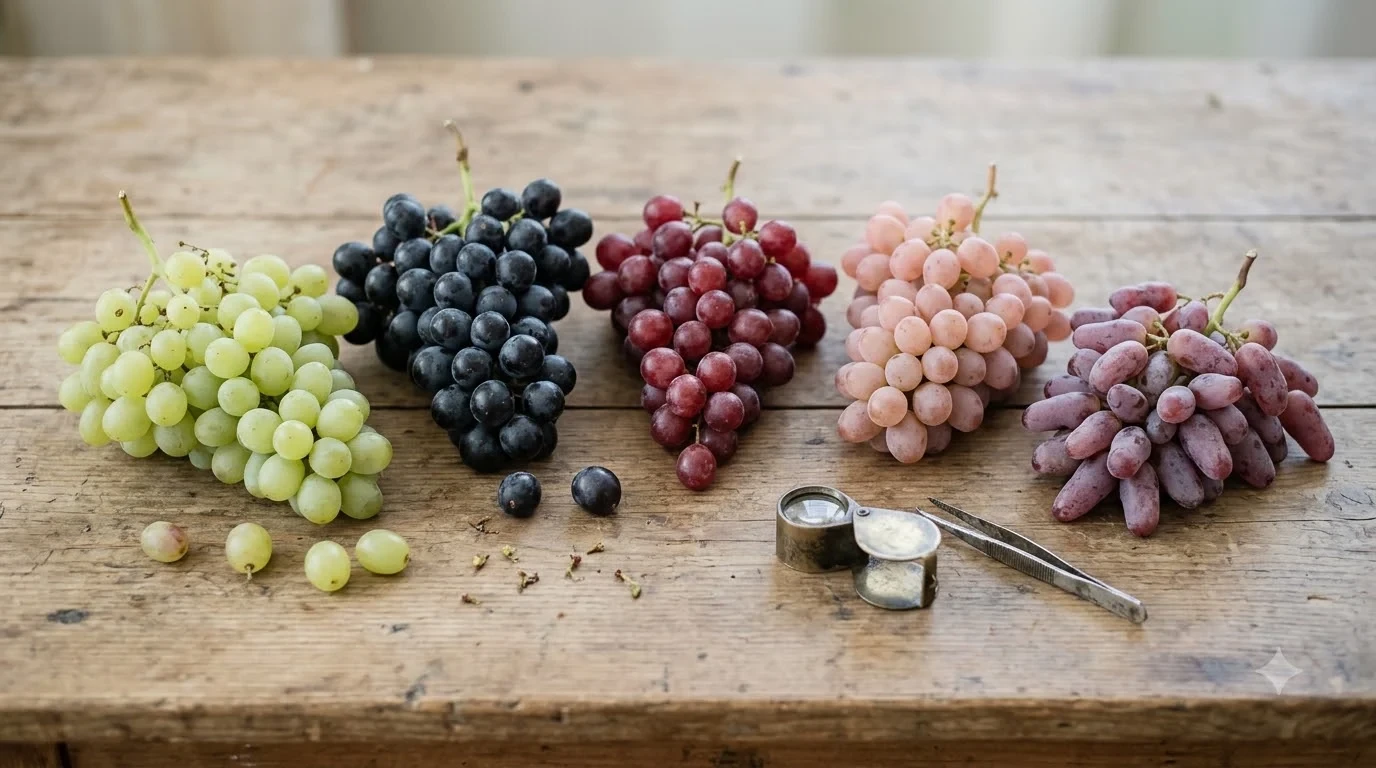
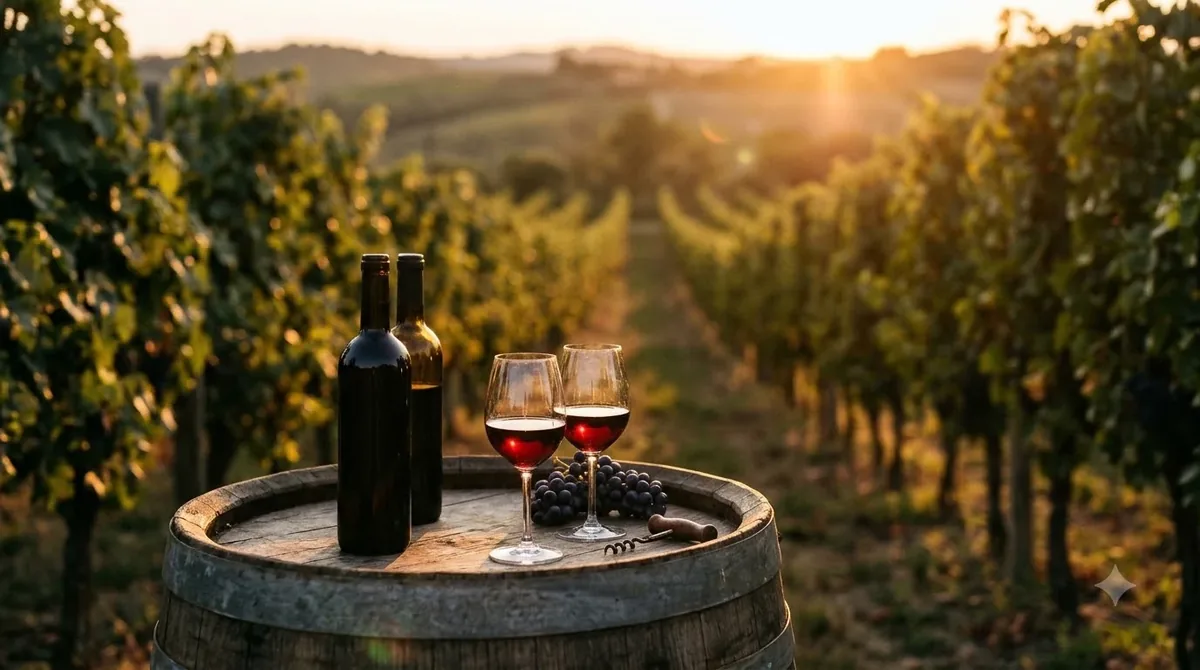
Illinois grapes fall into a few groups, and the most important is the hybrid. Hybrids are grapes bred from European vinifera vines and native American varieties, chosen for their cold tolerance and disease resistance. Wikipedia reports that the Illinois Grape Growers and Vintners Association described hybrid wines as the state’s strong suit.
In 2004, twelve varieties made up 89 percent of the harvested grape area. Those leaders, in descending order, were Chardonel, Chambourcin, Vignoles, Traminette, Concord, Foch, Seyval, Norton, Vidal blanc, Frontenac, Niagara and Cayuga White. The list is older, so growers may have shifted their plantings since then, but it still shows what the state does best.
- Red hybrids: Chambourcin, Foch, Norton and Frontenac are common reds, often dry and fruit-forward.
- White hybrids: Chardonel, Vignoles, Traminette and Vidal blanc show up in dry and off-dry styles.
- Native and labrusca types: Concord and Niagara often appear in sweet wines and juice.
- Vinifera: Cabernet Franc, Cabernet Sauvignon, Merlot and Riesling are also listed as grown in the state, though they are less dominant.
The Extension’s grape profile also notes that European types, American types and French hybrids each have different uses. For buyers, the practical lesson is simple: a bottle labeled with a hybrid name is usually an intentional choice for a cold climate, not a compromise. Taste the style rather than judging by the grape alone.
Notable Illinois Wineries and Brands
Illinois has many small producers, so the best way to learn the scene is to start with a few well-established names and explore from there. Historic family wineries and early modern estates give you a sense of both tradition and change in the state.
Alto Vineyards in the Shawnee Hills is one of the best-documented names. Guy Renzaglia founded it in 1982, and he planted varieties such as Chancellor, Chambourcin, Vidal blanc and Villard blanc. Renzaglia and two other growers later founded the Shawnee Hills Wine Trail in the 1990s, which helped put the southern region on the map.
In Nauvoo, the Baxter family winery carries the title of the oldest surviving family-owned vineyard in Illinois, according to the historical record summarized on Wikipedia. Visitors interested in heritage often combine a Nauvoo stop with the wider Mississippi Valley trail. Check each winery’s current hours before you travel, since small producers often change schedules.
Fruit wine is another part of the state’s identity. Wineries in the Illinois Ozarks and other regions make wines from apples, peaches and berries, and the Illinois State Fair recognizes fruit wine as an official category. The state also reports more than 130 tasting rooms, so you have plenty of options beyond the best-known names.
How Illinois Wine Pairs With Food
Illinois wines pair well with everyday regional food because their fruit tends to be bright and their acidity is often lively. Many hybrid whites show citrus and stone fruit, while reds lean toward cherry and berry notes. Matching by weight and acidity usually works better than matching by grape name.
Dry whites and lightly sweet whites suit fresh salads, roasted chicken, pork and creamy cheeses. A crisp white with good acidity cuts through rich sauces and fried foods. Off-dry styles pair nicely with spicy dishes, since a touch of sweetness softens heat. Sweet wines and fruit wines fit desserts, fruit tarts and sharp cheeses.
Red hybrids such as Chambourcin and Norton often work with grilled meats, burgers and tomato-based dishes. Lighter reds can also suit roasted vegetables and mushroom dishes. Serve reds slightly cool rather than warm, and pour sweet wines in small glasses. Always drink responsibly, and plan for a designated driver if you are visiting tasting rooms.
Buying and Storing Illinois Wine
Buying Illinois wine is easiest when you know what to look for on the label. Check for the grape name, the vintage, the AVA and whether the wine is labeled ‘Estate Bottled.’ A winery that names its vineyard and AVA is usually more transparent about where its fruit came from.
- Look for the AVA name on the label, such as Shawnee Hills, if you want to know the region.
- Check whether the bottle says ‘Estate Bottled,’ which means the grapes came from the winery’s own premises.
- Read the style note on the back label or the winery’s website to see whether the wine is dry, off-dry or sweet.
- Ask the tasting room staff which bottles are most recent and which are best for aging.
- Buy a mix of styles so you can compare reds, whites and fruit wines side by side.
Storage matters more for some styles than others. Keep bottles in a cool, dark place away from heat and sunlight, and avoid spots near appliances or windows. Most Illinois wines are meant to be enjoyed within a few years, though the manufacturer or winery can tell you whether a specific bottle is built to age. For a broader look at how regions differ, the Wine Regions section covers other American and international areas. If you want a European comparison, the cahors wine guide shows how a classic red region approaches structure and aging, while a calistoga wine profile shows how a California appellation builds its style.
Frequently Asked Questions
Is Illinois wine good?
Quality depends on the producer, the grape and the style you prefer. Many Illinois wineries focus on hybrid varieties bred for cold winters, and some produce well-balanced dry and off-dry wines. Taste several bottles from different wineries before deciding what you like.
What grapes are grown in Illinois?
Common varieties include Chardonel, Chambourcin, Vignoles, Traminette, Concord, Foch, Seyval and Norton. Vinifera grapes such as Riesling, Merlot and Cabernet Sauvignon are also listed as grown in the state. The hybrids are the most distinctive part of the local scene.
What are the main Illinois wine regions?
The two federally recognized AVAs are the Shawnee Hills AVA in southern Illinois and the Upper Mississippi River Valley AVA in the northwest. The Shawnee Hills region was designated first, in December 2006. Wine trails in several areas help visitors plan trips.
How do I find Illinois wine in stores?
Start with local wine shops and the wineries’ own tasting rooms, since many small producers sell most of their bottles on site. Ask staff about Illinois-made options and look for the state or AVA name on labels. Online winery shops can also help if you live outside the state.
Illinois wine rewards curiosity, especially if you enjoy learning how cold climates shape flavor. Start with a hybrid red and a dry white, then try a fruit wine to see the full range. Exploring one region at a time makes it easier to remember what you like.
More in Wine Regions
 Willcox Wine Trail: Discover Arizona’s High-Elevation Wine CountryUpdated Nov 20, 2026
 Yakima Valley Wine Region: Find the Best Styles to TryUpdated Nov 20, 2026
 Vosne Romanee Wine Tasting: Identify Aromas and Choose Better PairingsUpdated Nov 20, 2026
 Yakima Valley Wine Festival: Find the Best Seasonal Wine EventsUpdated Nov 20, 2026
 Wales Vineyards: Discover Cool-Climate Wines and Where to VisitUpdated Nov 20, 2026
 Yountville Wine Festival: Discover Napa Wines and Local FoodUpdated Nov 20, 2026