

We may earn a commission when you buy through links on this page, at no extra cost to you. Learn more.
How grapevine vineyards grow grapes follows a yearly cycle of bud formation, shoot growth, flowering, ripening and dormancy, shaped by climate, soil and careful management. Grapes form only on new shoots, and those shoots grow from buds set during the previous season. The vine’s health, frost risk and drainage decide how much fruit it carries and how it ripens.
This guide explains that process in plain English. You will see how the vine develops through the seasons, which site conditions matter most, and how the place where grapes grow influences the wine in your glass. If you meant Grapevine, Texas, a short section covers that too.
What Is a Grapevine Vineyard?
A grapevine vineyard is a planted block of vines grown in rows and trained on a trellis to produce fruit. The vine is a woody perennial that can live for many years with proper care. Vineyards grow grapes for juice, table fruit or wine, and the grower’s choices shape every stage of growth.
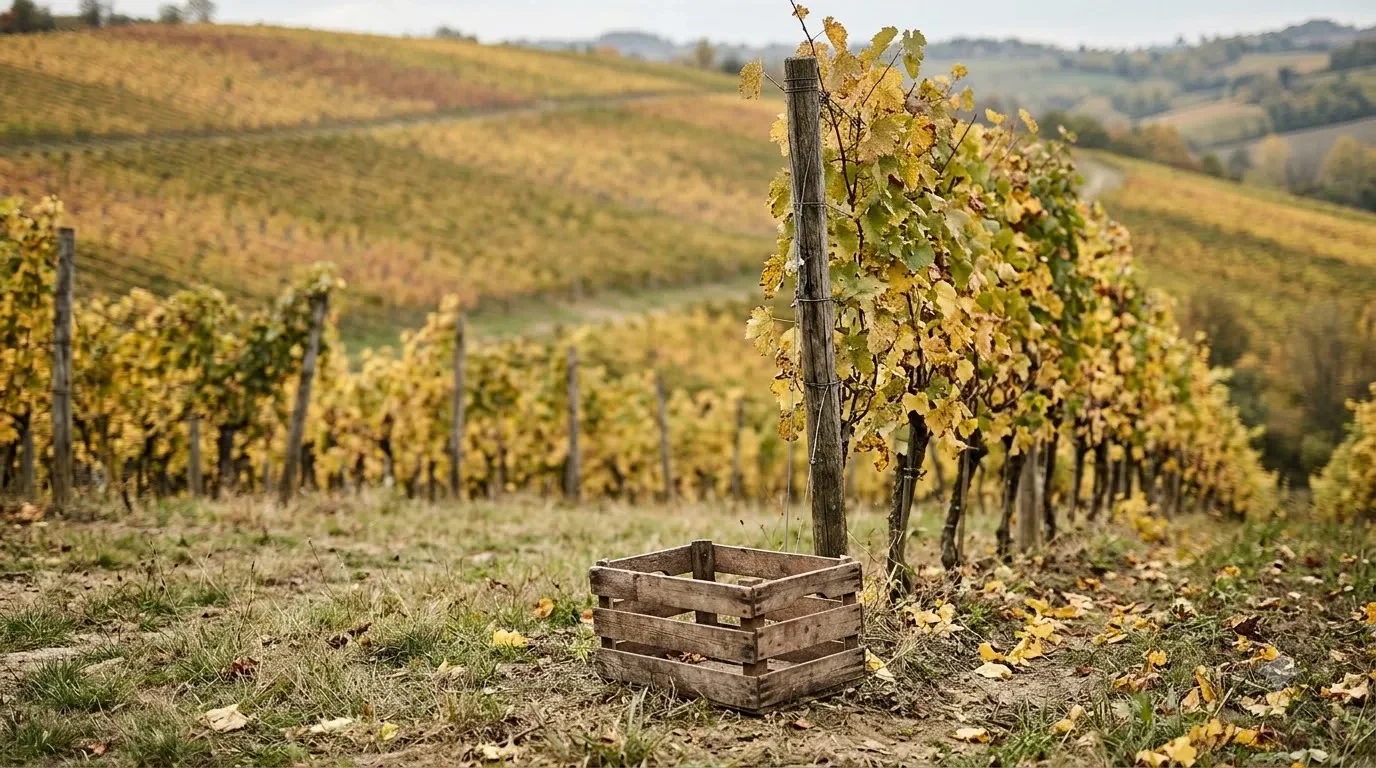
Rows are usually planted in straight lines, often running north to south so the canopy catches more sunlight. On sloped ground, growers may plant along the contour instead. Vines are spaced so that mature canopies fill the trellis without shading each other too heavily.
Understanding the vineyard starts with the plant itself. Flowers and fruit form only on new shoots, and those shoots grow from dormant buds set the year before. That single fact explains much of how vineyard management works.
How Grapevines Grow Through the Seasons
Grapevines follow an annual cycle that repeats each year. Growth starts with bud break in spring, moves through flowering and fruit set, and ends with leaf fall and dormancy. Growers track these stages to time pruning, spraying and harvest.
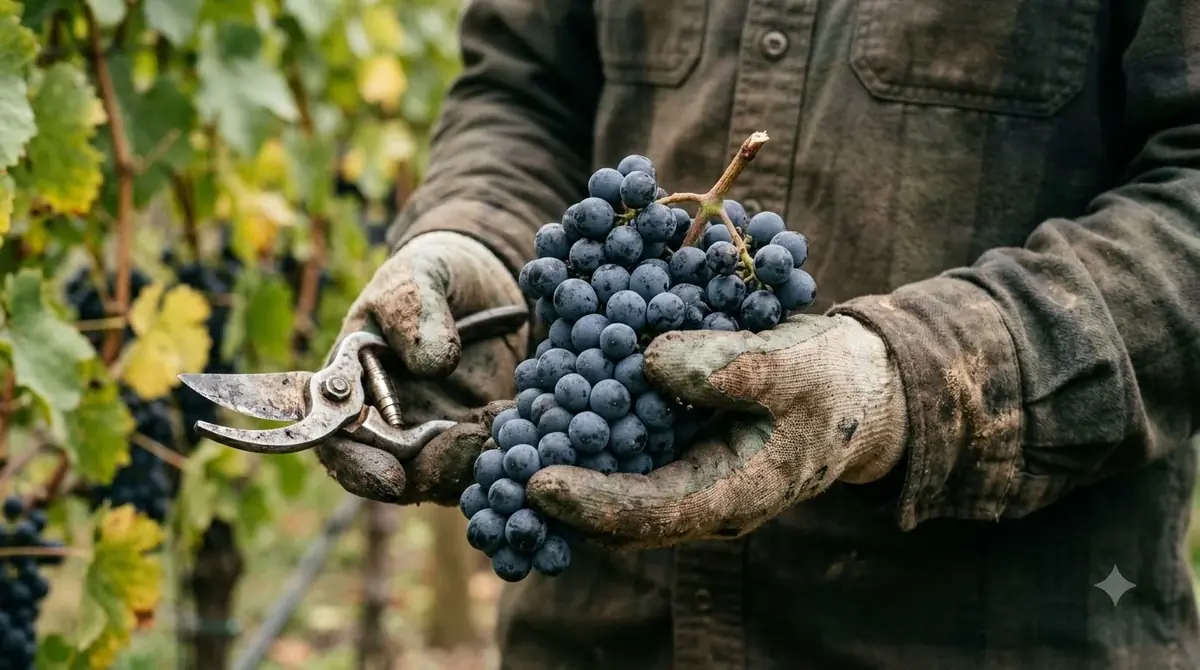
The cycle has two parts. The vegetative cycle builds the vine’s structure within one season. The reproductive cycle takes two seasons: flower clusters form inside buds in the first year, and those clusters bloom and set berries in the second. This is why weather in one season affects the crop in the next.
Each shoot carries buds at its nodes, and flower clusters form opposite leaves. A grape bud is compound, with a main bud and several smaller backup buds. If a late frost kills the main shoot, a smaller bud may grow instead, though that shoot is usually weaker with smaller clusters.
In late spring, shoots can grow quickly. A New Mexico State University guide says shoots can grow 10 to 12 inches per week during this rapid stretch, fueled by carbohydrates stored in the trunk, arms and roots. The NMSU grapevine phenology guide describes these stages in detail.
After flowering, the vine shifts energy toward ripening. Veraison, the onset of ripening, is when berries soften, change color and begin to show varietal flavor. After harvest, leaves fade and the vine prepares for winter dormancy. The woody shoots become canes, which are pruned the following year to set up next season’s fruiting wood.
Climate, Soil, and Site Selection
Climate and soil set the limits for what a vineyard can grow. Cold winters, spring frost and humid summers are the main challenges. Choosing a site with suitable temperatures, sun and drainage makes the vines’ job much easier.
Frost-free time matters most. Growers look at the number of days between the last and first frosts. A frost-free period of at least 150 days is essential even for early-ripening types, and 180 days or more is preferred, according to Purdue’s Indiana grape growing bulletin.
Cold air sinks, so gently sloping ground that sits above surrounding low areas often avoids damaging frost better than flat valley floors. Better air movement also dries foliage faster after rain or dew, which lowers disease pressure. Full sun, mild winters and good drainage are the strongest site traits for grapes.
| Site factor | What growers look for | Why it matters |
|---|---|---|
| Sunlight | Full sun exposure | Drives photosynthesis and fruit quality |
| Frost-free days | At least 150, ideally 180 or more | Gives fruit time to ripen before frost |
| Slope and air drainage | Gentle slopes above low ground | Lets cold air drain away from vines |
| Soil drainage | Loose, well-drained, aerated soil | Supports deep, healthy root systems |
| Soil pH | Roughly 5.5 to 6.5 after liming | Keeps nutrients available to the vine |
Soil matters for roots. Grapes handle many soil types, but they need good aeration and drainage. In poorly drained soil, roots may stay in the top two feet, while deep, well-drained soil can let roots reach six feet or more. Waterlogged ground tends to reduce yields and shorten vine life.
Growers also weigh cold hardiness. Winter minimums vary widely by region, so varieties differ in how much cold they tolerate. Choosing a variety that suits the local winter is one of the most important early decisions in any planting.
Common Grape Varieties Grown in Vineyards
Vineyards use varieties suited to their climate, and the choice depends on whether the fruit is for wine, juice or the table. Varieties fall into groups with different cold tolerance and disease resistance. Matching the variety to the site is central to success.
Grapes generally fall into American, French-American hybrid and European groups. Purdue notes that American and French-American hybrids suit many cold regions, while European types usually need the very best sites to survive harsh winters. Cabernet Sauvignon, Chardonnay and Riesling are European varieties that tend to do best in milder, longer-season regions.
Disease resistance also shapes choices. Hot, humid summers and frequent rain invite black rot, powdery mildew and downy mildew. Home growers are advised to choose varieties with at least moderate resistance to these common problems.
Genetics sets how many clusters a shoot produces. The number of berries per cluster, however, depends heavily on vine health and weather during bloom. This is why two vineyards planted with the same variety can yield quite differently in the same year.
How Vineyard Location Shapes Wine Style
Location changes how grapes ripen, which changes sugar, acidity and aroma in the finished wine. The same variety can taste noticeably different from two sites. Sunlight, slope, soil and air movement all contribute to that difference.
Sunlight plays a major role. Leaves on the outside of a dense canopy absorb most of the light, while interior leaves do little useful work. Open, well-exposed fruit tends to develop higher sugars, better color and more positive aroma compounds. Dense canopies can leave fruit with unripe flavors, so growers adjust canopy density to control this.
Well-known regions show these principles at work. Diamond Mountain, a district in Napa Valley, is known for its mountain slopes and well-drained soils. Constantia, near Cape Town, South Africa, is one of the oldest wine-producing areas in the country. Learn more about how these sites differ in our wine regions guide, and explore producers such as Diamond Mountain vineyards and Constantia vineyards.
A mountain site may get strong sun and drain quickly, while a flat valley floor may hold more moisture and cooler air. These differences help explain why a region’s wine often has a recognizable character that carries across vintages.
Visiting Vineyards and Wine Festivals
Visiting a vineyard is one of the best ways to see how grapevines grow in person. Many wineries offer tours that show the trellis system, the canopy and the stages of the vine. Plan ahead and check each property’s hours and reservation policy.
When you walk a vineyard in spring, look for shoots growing fast from buds. In late summer, look for clusters changing color. Ask staff how they manage canopy density or frost risk, since many growers enjoy explaining their choices.
Wine festivals offer a different experience, often with many producers in one place. If you meant the place name rather than the crop, Grapevine, Texas, is a city that hosts its own wine festival. You can read more on our grapevine wine festival page.
Tip: Check the winery or event website for current hours, tour schedules and age rules before you travel. Arrange a designated driver or rideshare so you can enjoy the day safely.
Frequently Asked Questions
How long does a grapevine take to produce grapes?
Grapevines grow new shoots each spring, and fruit grows on those shoots. The reproductive cycle takes two seasons because flower clusters form in buds in one year and bloom in the next. Timing varies by region, so ask local growers or an extension office for details.
Why does frost matter so much for vineyards?
Spring frost can kill tender shoots and primary buds, and severe winter cold can damage vines. Sites with good air drainage and enough frost-free days reduce that risk. Growers also choose varieties with cold hardiness that suits their local winter.
Do grapevines need a lot of sun?
Yes, full sun exposure is one of the best site traits for grapes. Light drives photosynthesis and helps form flower clusters in buds. Too much exposure can sunburn fruit, so growers balance canopy density to protect clusters.
Is Grapevine, Texas, the same as grapevine vineyards?
No. Grapevine is a city in Texas, while grapevine vineyards refers to vines grown for fruit. The city’s wine festival is a separate topic, and people searching the name may mean either one.
Grapevines grow grapes through a repeating cycle that rewards good site selection and steady care. Start with climate, drainage and variety, then watch how the seasons change the vine. If you want to compare regions next, the wine regions guide is a good place to continue.
More in Wine Regions
 Willcox Wine Trail: Discover Arizona’s High-Elevation Wine CountryUpdated Nov 20, 2026
 Yakima Valley Wine Region: Find the Best Styles to TryUpdated Nov 20, 2026
 Vosne Romanee Wine Tasting: Identify Aromas and Choose Better PairingsUpdated Nov 20, 2026
 Yakima Valley Wine Festival: Find the Best Seasonal Wine EventsUpdated Nov 20, 2026
 Wales Vineyards: Discover Cool-Climate Wines and Where to VisitUpdated Nov 20, 2026
 Yountville Wine Festival: Discover Napa Wines and Local FoodUpdated Nov 20, 2026