

We may earn a commission when you buy through links on this page, at no extra cost to you. Learn more.
The white zinfandel sweetness level sits squarely in the off-dry to semi-sweet category, typically containing between 10 and 30 grams per liter (roughly 1 to 3 percent) of residual sugar. Unlike bone-dry Provence rosés or bold, dry red Zinfandels, winemakers halt fermentation early so natural grape sugars remain in the bottle. This residual sugar balances crisp acidity and keeps the alcohol content low, usually between 8 and 10 percent ABV.
Because the word “white” sits right on the label, many first-time shoppers expect a crisp, dry white wine similar to Sauvignon Blanc or Pinot Grigio. Instead, pouring a glass reveals a pale pink blush wine with bright berry aromatics and a distinctly soft, sweet finish that bridges the gap between fruit juice and traditional table wine.
What White Zinfandel Actually Is
White Zinfandel is a pink, blush-style rosé made from red-skinned Zinfandel grapes whose skins are separated from the juice shortly after crushing. By limiting skin contact and stopping fermentation before yeast converts all natural grape sugars into alcohol, winemakers create a light-bodied, fruity wine with minimal tannin and gentle sweetness.
Understanding how this style came to be clears up most of the confusion around its name and taste. Red Zinfandel grapes have thin skins and dark juice, so letting the crushed grapes ferment together produces a deep purple, full-bodied wine. When a winemaker presses the grapes early and drains off the pale pink juice—a technique known in France as saignée—the resulting liquid lacks the harsh tannins and heavy pigments of a red wine.
The modern sweet style actually started by accident in California’s Napa Valley during the mid-1970s. According to Sutter Home Family Vineyards, winemaker Bob Trinchero had been bleeding off Zinfandel juice to concentrate his red wines and fermenting that pale runoff to dryness. When his 1974 vintage suffered a stuck fermentation in 1975, the yeast died off early, leaving the pink wine with roughly 2 percent residual sugar. Customers immediately favored the sweeter, softer profile over the dry original, and an American wine staple was born.
Today, that stuck fermentation is replicated intentionally through temperature control and filtration. Chilling the tanks puts the yeast to sleep at the exact moment the winemaker reaches their target sugar-to-acid ratio, locking in fresh strawberry and melon flavors without letting the alcohol climb.
Measuring the White Zinfandel Sweetness Level
On the standard wine sweetness scale, White Zinfandel lands in the off-dry to semi-sweet range, placing it noticeably sweeter than classic dry rosés yet far lighter than syrupy dessert wines. Most commercial bottlings carry between 10 and 30 grams per liter of residual sugar, though a handful of craft producers ferment theirs nearly dry.
To put those numbers into perspective, a bone-dry wine contains fewer than 4 grams per liter of residual sugar, meaning your palate registers almost zero sweetness. As noted in Wine Folly’s guide to rosé styles, classic White Zinfandel is deliberately crafted to an off-dry or moderately sweet profile, whereas sweet dessert wines like Moscato d’Asti or Port routinely exceed 80 to 100 grams per liter. You taste clear fruit sweetness on the mid-palate, followed by a clean, refreshing finish rather than a heavy, sticky coating.
Residual sugar isn’t the only factor shaping how sweet a bottle tastes in your glass. Natural malic and tartaric acids in the grape juice act as a counterweight to sugar; when a bottle is properly balanced, crisp citrus acidity keeps the sweetness lively. At the same time, low alcohol—typically 8 to 10 percent ABV compared to the 14 to 17 percent common in red Zinfandel—prevents any burning sensation on the finish, making the fruit flavors feel even softer and rounder.
| Wine Style | Typical Residual Sugar | Sweetness Category | Typical ABV | Primary Flavor Profile |
|---|---|---|---|---|
| Classic White Zinfandel | 10–30 g/L (1–3%) | Off-dry to semi-sweet | 8–10% | Strawberry, watermelon, sweet cherry, citrus |
| Dry White Zinfandel (Craft) | Under 4 g/L | Bone-dry to dry | 11–13% | Tart cranberry, pink grapefruit, wet stone |
| Provence-Style Rosé | 0–4 g/L | Bone-dry | 11.5–13.5% | Fresh strawberry, white peach, herbs, saline |
| Red Zinfandel | Under 4–9 g/L | Dry (fruit-forward) | 14–17% | Blackberry jam, black pepper, baking spice |
| Pink Moscato | 80–120 g/L | Sweet / Dessert | 5–7% | Mandarin orange, candied peach, honeysuckle |
Flavor Profile and Style Variations
Classic White Zinfandel delivers an immediate burst of fresh red berries, watermelon, and ripe stone fruit backed by soft floral aromas and bright citrus acidity. While mass-market bottles lean toward juicy sweetness, a growing group of California wineries also produces crisp, dry bottlings that highlight the grape’s natural tartness.
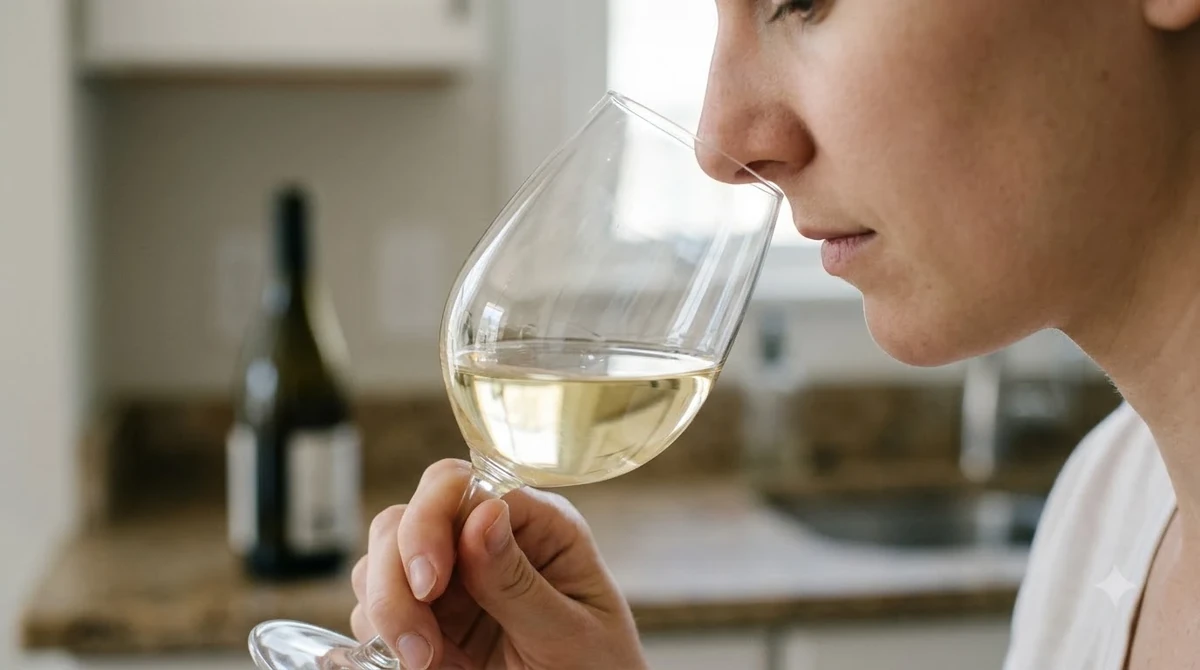
When you swirl a glass of traditional off-dry White Zinfandel, the first aromas to rise are crushed strawberries, wild raspberries, and ripe cantaloupe. On the tongue, those berry notes mingle with hints of pink grapefruit, lemon zest, and white blossoms. Because the wine rarely sees oak aging, you will not find vanilla, toast, or smoky spice notes—just pure, unadorned fruit kept bright by gentle acidity.
Style varies noticeably depending on the producer’s winemaking goals. Large California labels like Sutter Home, Beringer, and Barefoot formulate their White Zinfandel for consistency, aiming for around 1.5 to 2.5 percent residual sugar so every vintage delivers the familiar crowd-pleasing sweetness shoppers expect. If you want to see how this compares across the broader spectrum of pink and red wines, exploring different Wine by Type categories shows how winemaking choices completely transform a single grape.
On the opposite end of the spectrum, boutique producers in Sonoma, Lodi, and the Sierra Foothills have revived the pre-1975 dry style. Often labeled as “Dry White Zinfandel” or “Zinfandel Rosé,” these bottles ferment completely dry, trading cotton-candy fruit for zippy cranberry, sour cherry, and mineral notes that rival European rosés at the dinner table.
How White Zinfandel Compares to Red Zinfandel and Other Wines
Despite sharing the exact same grape variety, White Zinfandel and red Zinfandel sit at opposite ends of the wine spectrum in body, alcohol, tannin, and sugar. Comparing it against red Zinfandel, dry rosés, and crisp white wines makes it much easier to pick the right bottle for your palate.
The biggest shock for newcomers is realizing that White Zinfandel and red Zinfandel are twin siblings raised in completely different environments. In a full-bodied red, extended skin contact extracts deep color, firm tannins, and concentrated dark fruit, while warm-climate ripeness pushes alcohol levels high. Even when a bold red tastes jammy, the actual zinfandel sweetness level is almost always dry, with perceived sweetness coming from ripe fruit and high alcohol rather than leftover sugar.
Similarly, comparing White Zinfandel to other popular grocery-store staples helps set clear expectations before you pull the cork:
- Versus dry rosé: Traditional French and California dry rosés ferment out almost all their sugar, giving them a savory, mineral edge and higher alcohol. White Zinfandel is noticeably sweeter, lower in alcohol, and softer on the palate.
- Versus Pinot Grigio: Shoppers who prefer crisp Italian whites will find White Zinfandel much sweeter and fruitier. Checking a typical pinot grigio sweetness level shows most bottles stay under 4 grams per liter of residual sugar, offering lemon-lime tartness instead of berry sweetness.
- Versus sweet red wines: If you enjoy chilled sweet reds like Lambrusco or Sweet Red blends, White Zinfandel offers a similar level of approachable sugar without the darker berry weight or astringent grape skins. You can see how those darker bottles stack up by checking a standard red wine sweetness level chart.
How to Serve White Zinfandel
White Zinfandel tastes best served well chilled between 45 and 50 degrees Fahrenheit in a standard white wine glass. Proper chilling sharpens the wine’s natural acidity, keeping its residual sugar refreshing and crisp rather than syrupy or cloying.
Temperature plays a bigger role in sweet and off-dry wines than almost any other factor. When White Zinfandel warms above 55 degrees Fahrenheit, its bright strawberry and citrus aromatics turn muted, and the leftover grape sugar begins to feel heavy on your tongue. Conversely, serving it straight from an ice bucket near 35 degrees locks up the aromas so you taste cold sweetness without any fruit nuance.
Two hours in a standard kitchen refrigerator brings a room-temperature bottle right into the ideal 45 to 50 degree window. If you are short on time, submerge the bottle in a bucket filled with equal parts ice and cold water for 20 to 25 minutes. Skip the decanter—White Zinfandel is built for immediate freshness, so simply twist off the screw cap, pour into a smaller tulip-shaped white wine glass to concentrate the berry aromas, and keep the bottle chilled between pours.
Tip: If a bottle of White Zinfandel tastes slightly sweeter than you prefer, drop a single frozen strawberry or a squeeze of fresh lime juice into the glass, or serve it five degrees colder to boost the perception of crisp acidity.
Best Food Pairings for White Zinfandel
The gentle sweetness and low alcohol of White Zinfandel make it a natural partner for spicy, salty, and smoky dishes that overwhelm dry, tannic wines. Its residual sugar tames chili heat on the palate while crisp acidity cuts through rich sauces and cured meats.
In food and wine pairing, sweetness is the ultimate antidote to capsaicin. High-alcohol red wines amplify the burn of hot peppers, whereas a chilled glass of off-dry White Zinfandel cools the mouth immediately. Dishes like Thai red curry, Nashville hot chicken, Korean gochujang wings, and spicy tacos al pastor all shine alongside a cold glass of White Zin.
Salty and smoky flavors create an equally rewarding contrast. Sweet-and-salty combinations work on the palate the same way salted caramel or prosciutto-wrapped melon does on a plate. Try pairing a bottle with barbecue pulled pork slathered in tangy sauce, honey-glazed ham, bacon-wrapped dates, or a casual charcuterie board loaded with salty pretzels, prosciutto, and creamy brie or mild goat cheese.
For warm-weather brunches and picnics, lean into lighter fare that mirrors the wine’s fresh fruit notes. Cobb salads with vinaigrette, grilled shrimp skewers, crab cakes, and fruit tarts all match the light body of White Zinfandel without weighing down the meal.
How to Choose the Right Bottle
Reading the back label for alcohol by volume and regional cues lets you predict a bottle’s exact sweetness before you buy. Lower ABV signals higher residual sugar, while higher alcohol and dry-farmed appellations point toward a crisper, drier finish.
Because winemakers in the United States are not required to print residual sugar numbers on the bottle, the ABV percentage printed on the front or back label is your most reliable clue. When yeast stops fermenting early to leave sugar behind, less alcohol is produced. A bottle listing 8.5 to 9.5 percent ABV will reliably deliver classic semi-sweet berry flavor, whereas a bottle at 10.5 to 12.5 percent ABV has fermented nearly all its sugars into alcohol and will taste noticeably drier.
Label wording and region offer additional hints. Bottles labeled simply “California” from heritage producers like Sutter Home, Beringer, or Woodbridge stick closely to the traditional off-dry to semi-sweet profile. If you want a drier, more food-driven expression, look for bottles explicitly printed with “Dry White Zinfandel” or sourced from specific AVAs like Lodi, Dry Creek Valley, or Amador County, where boutique wineries highlight the grape’s bright acidity.
Finally, always check the vintage date on the shelf. White Zinfandel is meant to be enjoyed young while its primary strawberry and melon aromas are vibrant, so reach for the most recent vintage available rather than an older bottle that may have lost its freshness.
Frequently Asked Questions
Is White Zinfandel considered a sweet or dry wine?
Classic White Zinfandel is an off-dry to semi-sweet wine, meaning it has noticeable fruit sweetness without reaching the syrupy intensity of a dessert wine. Most bottles contain between 10 and 30 grams per liter of residual sugar, balanced by crisp citrus acidity. A small number of boutique wineries also make dry versions, which clearly state “Dry” on the label.
Why is White Zinfandel pink if it is called white?
White Zinfandel is made from dark-skinned red Zinfandel grapes, not white grapes. Winemakers press the grapes gently and separate the juice from the skins after only a few hours of contact, which imparts a pale pink blush hue instead of a deep red color. In the 1970s, light pink wines made from red grapes were commonly marketed as “white” wines in the United States.
How much sugar is in a glass of White Zinfandel?
A standard 5-ounce pour of classic White Zinfandel typically contains between 1.5 and 4.5 grams of residual sugar, depending on the producer. By comparison, a bone-dry rosé or Pinot Grigio has less than half a gram per glass, while a sweet Moscato can contain 12 to 18 grams in the same pour.
Does White Zinfandel go bad after opening?
Like most light-bodied rosés and white wines, an opened bottle of White Zinfandel stays fresh in the refrigerator for three to five days when sealed tightly with its screw cap or a wine stopper. Because it lacks heavy tannins to act as a natural preservative, oxygen will gradually flatten its bright berry flavors and make the remaining sugar taste dull after five days.
Whether you prefer the nostalgic, semi-sweet berry splash of a classic California bottling or a crisp, dry craft version from Lodi, knowing how residual sugar and ABV interact takes the guesswork out of shopping. Chill your bottle well, pair it with spicy takeout or salty weekend snacks, and enjoy one of American wine’s most approachable styles on its own terms.
More in Wine Types & Grapes
 Zinfandel Sugar Content: Dry Red vs. White Zinfandel GramsUpdated Nov 21, 2026
 Best Zinfandel Substitute Options for Sipping and CookingUpdated Nov 21, 2026
 Zweigelt Food Pairing: Best Dishes, Cheeses, and Serving TipsUpdated Nov 21, 2026
 Zinfandel Tannins Explained: How Structure Shapes Every BottleUpdated Nov 21, 2026
 Zinfandel Sweetness Level: Dry Red vs. Sweet White Zin ExplainedUpdated Nov 21, 2026
 Xinomavro Food Pairing: Best Dishes, Styles, and Serving TipsUpdated Nov 21, 2026