

We may earn a commission when you buy through links on this page, at no extra cost to you. Learn more.
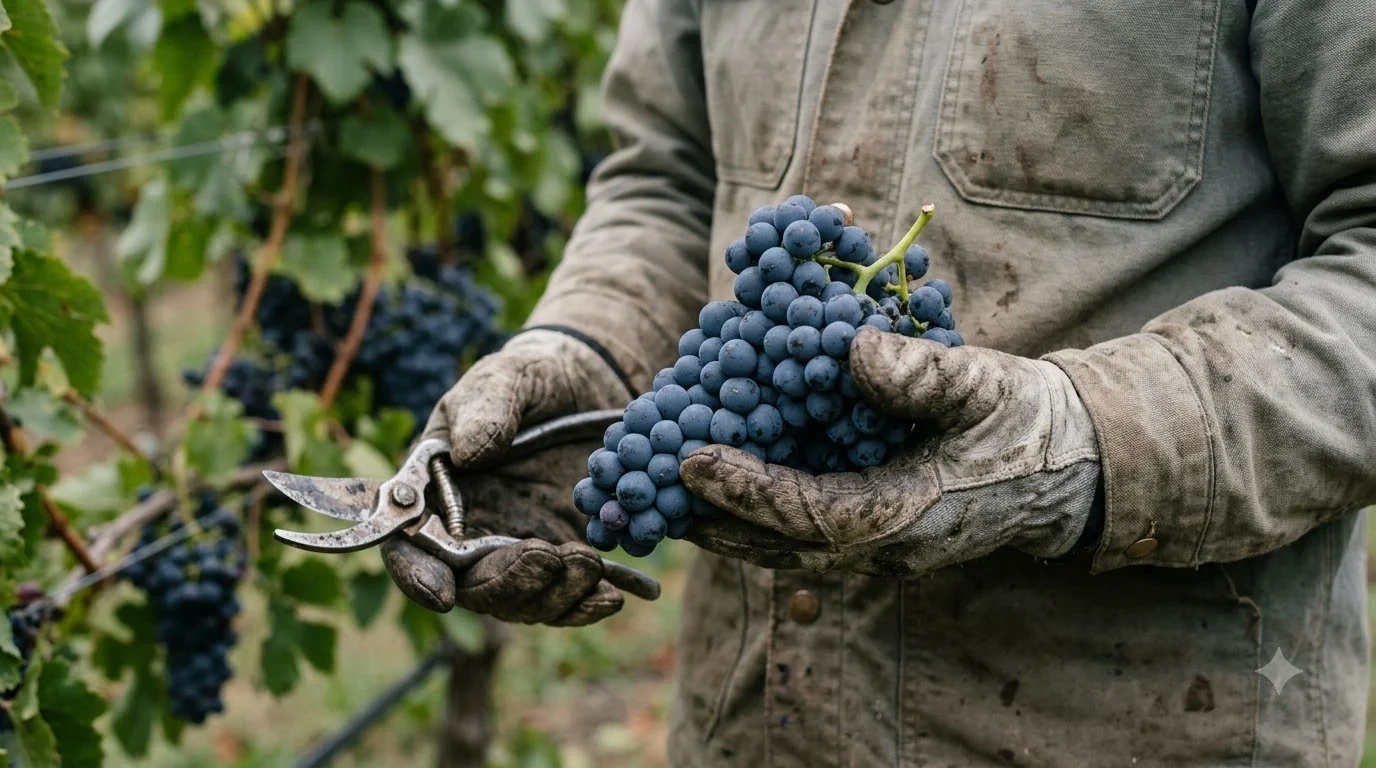
If you are wondering where is vin santo from, this traditional Italian dessert wine originates in central and northern Italy, most famously in the rolling hills of Tuscany. Producers also make distinct regional versions in Umbria, Marche, Emilia-Romagna, Veneto, and Trentino using local white and red grapes. Winemakers craft the wine by drying harvested grape clusters on straw mats or hanging them from attic rafters for months before fermenting and aging the concentrated juice in small wooden barrels.
Known locally as “holy wine,” Vin Santo sits at the heart of Tuscan hospitality, often appearing at the end of a long meal alongside crisp almond biscuits. While its name and amber hue make it instantly recognizable on an Italian wine list, the style varies widely depending on the village, grape blend, and aging cellar behind the bottle.
What Vin Santo Is and Why It Is Called Holy Wine
Vin Santo is an Italian passito-style wine produced from grapes that are partially dehydrated after harvest to concentrate their natural sugars, acidity, and aromatic compounds before fermentation begins. Most examples are golden to deep amber in color and noticeably sweet, though bone-dry and off-dry expressions also exist across central Italy.
Several origin stories attempt to explain how the wine earned the name “holy wine,” and historians point to both liturgical traditions and linguistic quirks. According to Wine Folly, one of the most widely accepted explanations ties the name to the winemaking calendar: grapes harvested in autumn dry through winter and typically begin or complete their slow fermentation around Easter week in spring. Because priests also favored sweet, stable wines for Mass, the ecclesiastical connection stuck across Tuscan parishes.
Another popular account traces the name to a 1439 church council banquet in Florence attended by Greek and Roman clergy. When a Greek metropolitan praised a sweet wine served at the table as tasting like wine from the island of Xantos, local listeners supposedly misheard “Xantos” as “santo,” coining the Tuscan phrase on the spot. Regardless of which story came first, Italian wine laws officially recognized Vin Santo under Denominazione di Origine Controllata (DOC) rules in 1997, separating authentic barrel-aged bottles from simple table wines.
Unlike fortified dessert wines such as Port, authentic Vin Santo reaches its alcohol level entirely through natural yeast fermentation rather than added grape spirit. That slow fermentation in small sealed casks—known as caratelli—gives the wine its signature oxidative complexity, layered with roasted nuts, dried stone fruit, and caramelized honey.
Where Vin Santo Grows Across Italy
Tuscany serves as the undisputed heartland of Vin Santo, accounting for the majority of traditional production and the most sought-after DOC appellations, including Vin Santo del Chianti, Vin Santo del Chianti Classico, Vin Santo di Montepulciano, and Vin Santo di Carmignano. Outside Tuscany, neighboring central and northern regions also maintain protected appellations for their own local interpretations.
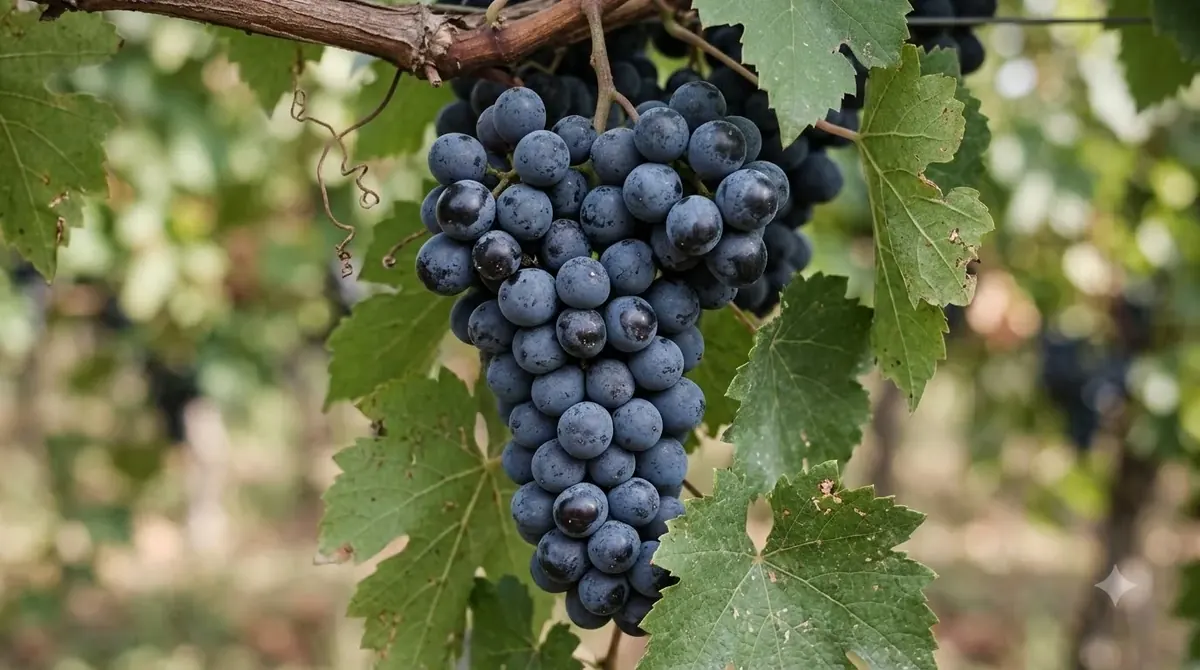
In Tuscany, steep hillside vineyards planted on rocky galestro and limestone alberese soils provide ideal drainage and warm daytime temperatures for late-ripening white varieties. Estates across Chianti Classico, Rufina, and Montepulciano dedicate prime, healthy bunches specifically to their drying rooms, known as vinsantaie. Because drying reduces juice yields dramatically—often leaving only a fraction of the fresh grape weight—most Tuscan wineries produce tiny annual quantities, frequently fewer than a few thousand half-bottles per vintage.
Just east and south of Tuscany, Umbria and Marche produce respected regional versions that reflect their own native grapes. In Marche, Vin Santo di Offida relies on the local Passerina grape, yielding a bright, aromatic profile with notes of Meyer lemon and fennel alongside honeyed richness. Further north in Veneto, producers in Gambellara craft Vino Santo using Garganega grapes, while Trentino makes a celebrated Vino Santo from Nosiola grapes grown near the Sarca Valley.
Shoppers browsing international shelves should also watch for a frequent geographic mix-up: Greek Vinsanto from the volcanic island of Santorini. Despite the nearly identical spelling, Greek Vinsanto is made primarily from sun-dried Assyrtiko grapes in the Aegean Sea and shares no legal or historical lineage with Italian Vin Santo.
Flavor Profile and Main Styles
Vin Santo spans a wide sensory spectrum, ranging from pale straw-gold wines with bright orchard fruit to deep mahogany bottles bursting with walnut hull, espresso, dried fig, and burnt caramel. Sweetness levels run from nearly dry (secco) to moderately sweet (amabile) and richly syrupy (dolce), shaped by how long the grapes dry and when fermentation naturally stops.
Traditional white Vin Santo relies primarily on Trebbiano Toscano and Malvasia Bianca Lunga, sometimes supported by Grechetto or San Colombano. Malvasia brings floral perfume, apricot, and spice, while Trebbiano contributes crisp natural acidity that keeps high residual sugar from feeling heavy on the palate. Drier expressions—often labeled Vin Santo Occhio di Pernice in dry formats or simply designated secco—lean toward toasted almond, dried orange peel, and savory saline notes reminiscent of aged oxidative wines.
The rarest and most prized variation is Occhio di Pernice, which translates to “eye of the partridge” in reference to its burnished copper-rose or tawny-mahogany hue. As Wine Enthusiast notes, winemakers craft Occhio di Pernice from red grape varieties—chiefly Sangiovese, often paired with small amounts of Canaiolo or Malvasia Nera. Because red grapes bring deeper phenolics and dark berry concentration, Occhio di Pernice delivers plush flavors of rum-soaked raisins, dark chocolate, candied cherry, and warm baking spices.
| Style or Appellation | Primary Region | Key Grapes | Typical Profile & Aging |
|---|---|---|---|
| Vin Santo del Chianti Classico DOC | Tuscany (Chianti Classico) | Trebbiano Toscano, Malvasia | Amber-gold; dried apricot, hazelnut, caramel; minimum 3 years aging |
| Vin Santo di Montepulciano DOC | Tuscany (Montepulciano) | Malvasia, Trebbiano, Grechetto (Pulcinculo) | Rich and viscous; chestnut honey, candied citrus, spice; minimum 3 years (4+ for Riserva) |
| Occhio di Pernice DOC | Tuscany (various DOCs) | Sangiovese (minimum 50% in many zones) | Copper-mahogany; dried fig, cocoa, cherry jam, balsamic notes |
| Vin Santo di Offida DOC | Marche | Passerina | Golden amber; bright citrus peel, honey, toasted almond, herbal lift |
| Vino Santo Trentino DOC | Trentino | Nosiola | Luminous gold; quince, acacia honey, alpine herbs, high natural acidity |
How Winemakers Produce Vin Santo
Crafting Vin Santo requires years of patience, starting with careful hand-harvesting and ending with extended oxidative maturation in attic casks. Producers select only the loosest, healthiest grape clusters so air can circulate freely around every berry without inviting unwanted gray rot during the drying phase.
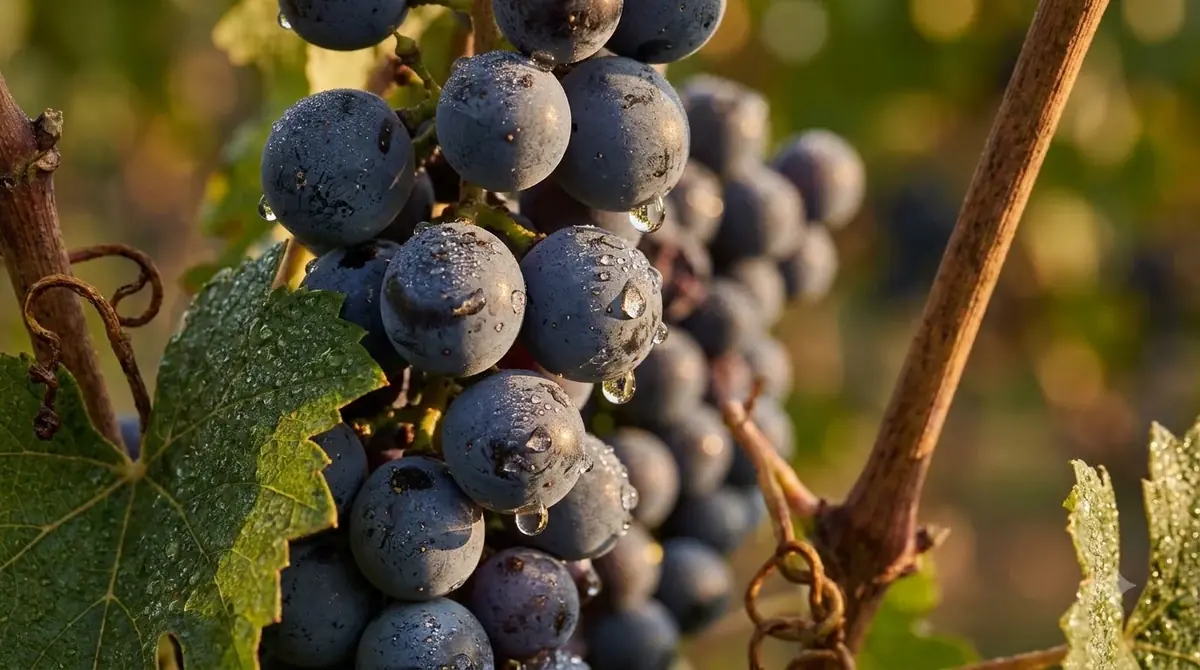
Once picked in September or October, the bunches are laid gently on woven straw mats (cannicci) or suspended from wooden hooks in well-ventilated loft rooms under the winery roof. Over two to five months—often lasting until December, January, or even March—the grapes lose much of their water weight, concentrating sugars, acids, and flavor precursors. In Trentino, cool alpine breezes sometimes encourage beneficial noble rot (Botrytis cinerea), adding honeyed saffron complexity.
After pressing the shriveled raisins in late winter, winemakers transfer the thick must into small wooden barrels called caratelli, typically holding 50 to 200 liters and crafted from chestnut, oak, cherry, or acacia wood. Many estates seed the fresh must with madre—a portion of yeast sediment saved from previous decades’ batches—before sealing the bung with cement or wax. Stored in uninsulated attics, the barrels experience wide seasonal temperature swings from freezing winters to scorching summers, causing fermentation to start, pause, and restart over several years while slow evaporation concentrates the wine inside.
Most DOC regulations mandate at least three years of barrel aging before release, while Riserva bottlings require four years or more, and top estates routinely age their wines for eight to ten years. Similar to how barrel regimen shapes full-bodied reds in regions covered in our guides on where Merlot is from and where Syrah is from, the choice of chestnut versus oak casks heavily influences whether a Vin Santo tastes smoky and spicy or smooth and vanilla-laced.
How to Serve and Pair Vin Santo
Vin Santo shines brightest when poured in modest 2- to 3-ounce servings at cool cellar temperature, allowing its aromatic layers of roasted nuts, dried fruit, and spice to open gradually in the glass. Over-chilling mutes its nutty aromatics, while serving it too warm can make high alcohol feel sharp.
Reviewers and sommeliers generally recommend serving sweet amber Vin Santo between 50°F and 55°F (10°C to 13°C), while drier, higher-alcohol styles show well slightly warmer around 55°F to 60°F (13°C to 15°C). A small tulip-shaped dessert wine glass or white wine glass concentrates the bouquet far better than a wide tumbler, and decanting is unnecessary because the wine has already spent years breathing through wooden staves.
In Tuscan cafes and family dining rooms, the classic accompaniment is cantucci—crunchy, twice-baked almond biscotti meant to be dipped briefly into the wine so the biscuit softens without crumbling. While dunking is beloved for everyday bottlings, fine-wine sommeliers prefer sipping top-tier Riserva or Occhio di Pernice on its own as a “meditation wine,” or pairing it alongside aged pecorino cheese, blue-veined Gorgonzola, toasted walnuts, apricot tarts, or savory Tuscan chicken liver crostini.
Tip: Check the back label for the word Liquoroso before buying—authentic DOC Vin Santo is unfortified, whereas Vin Santo Liquoroso contains added grape spirits and tends to taste simpler and hotter.
How to Spot an Authentic Bottle
Buying a rewarding bottle of Vin Santo comes down to verifying its DOC appellation, checking sweetness indicators, and paying attention to bottle format. Because genuine passito production yields tiny volumes over multi-year aging cycles, authentic bottles are almost always sold in 375-milliliter or 500-milliliter half-bottles rather than standard 750-milliliter formats.
Look for an official regional DOC designation on the front label—such as Vin Santo del Chianti Classico DOC or Vin Santo di Montepulciano DOC—alongside the pink or green Italian government neck strip. If a bottle displays terms like amabile or dolce, you can expect noticeable dessert sweetness, whereas secco signals a drier, nuttier style suited to aged cheeses. To explore how sweet and fortified styles fit into the broader spectrum of wine by type, compare the residual sugar and alcohol figures printed on the back label: unfortified sweet styles usually sit between 13.5% and 16% ABV, while drier versions can climb to 17% or 18% ABV.
Once opened, Vin Santo’s oxidative upbringing makes it remarkably resilient compared to table wines. Re-corked tightly and stored upright in the refrigerator, an open half-bottle will hold its freshness and aromatics for three to four weeks without spoiling.
Frequently Asked Questions
Is Vin Santo always sweet?
No, Vin Santo is not always sweet, even though most bottles exported to the United States are dessert-sweet. Producers make styles ranging from bone-dry (secco) to medium-sweet (amabile) and richly sweet (dolce), depending on how long the grapes dry and when fermentation stops.
What is the difference between Italian Vin Santo and Greek Vinsanto?
Italian Vin Santo comes primarily from Tuscany and neighboring Italian regions using Trebbiano, Malvasia, or Sangiovese grapes aged in small wooden barrels. Greek Vinsanto comes from the island of Santorini and is made from sun-dried Assyrtiko, Athiri, and Aidani grapes with a much brighter volcanic acidity.
How long does Vin Santo last after opening?
Because Vin Santo undergoes slow oxidative aging in small wooden casks for years before bottling, it resists spoilage far better than standard dry white wine. Kept tightly stoppered in the refrigerator, an opened bottle stays vibrant for three to four weeks.
Why is Vin Santo sold in small bottles?
Drying grapes on mats and aging the juice in porous wooden barrels for three to eight years evaporates most of the original liquid, leaving wineries with tiny yields. Bottling in 375 ml or 500 ml formats stretches scarce harvests while matching the smaller 2- to 3-ounce serving size poured after dinner.
Understanding where Vin Santo is from makes it much easier to pick out the right bottle on Italian dessert menus and wine shop shelves. Whether you reach for a golden Chianti Classico bottling to serve alongside almond biscotti or a rare Sangiovese-based Occhio di Pernice for a special occasion, every glass carries years of patient Tuscan cellar craft.
More in Wine Types & Grapes
 Zinfandel Sugar Content: Dry Red vs. White Zinfandel GramsUpdated Nov 21, 2026
 Best Zinfandel Substitute Options for Sipping and CookingUpdated Nov 21, 2026
 Zweigelt Food Pairing: Best Dishes, Cheeses, and Serving TipsUpdated Nov 21, 2026
 Zinfandel Tannins Explained: How Structure Shapes Every BottleUpdated Nov 21, 2026
 Zinfandel Sweetness Level: Dry Red vs. Sweet White Zin ExplainedUpdated Nov 21, 2026
 Xinomavro Food Pairing: Best Dishes, Styles, and Serving TipsUpdated Nov 21, 2026