

We may earn a commission when you buy through links on this page, at no extra cost to you. Learn more.
If you are wondering where is Beaujolais from, this historic wine region sits in eastern France, stretching roughly 34 miles from north to south just below Burgundy and immediately north of the city of Lyon. Bordered by the foothills of the Massif Central to the west and the Saône River plain to the east, the area spans approximately 7 to 9 miles in width. While historically linked to Burgundy, Beaujolais operates as an independent appellation region dedicated primarily to lively, fruit-forward red wines made from the Gamay grape.
Understanding the geography behind Beaujolais explains why its bottles taste completely different from the Pinot Noir grown a few miles north or the fuller reds produced further south. Across its rolling hills, dramatic shifts in bedrock, elevation, and local climate divide the region into distinct quality tiers and ten prized village crus.
Overview of the Beaujolais Region
Beaujolais occupies a strategic crossroads in eastern France, sitting south of Burgundy’s Mâconnais district and less than a 30-minute drive outside Lyon. Despite centuries of administrative ties to Burgundy, wine authorities granted Beaujolais independent Appellation d’Origine Contrôlée status in 1938 to recognize its distinct grape profile and terroir.
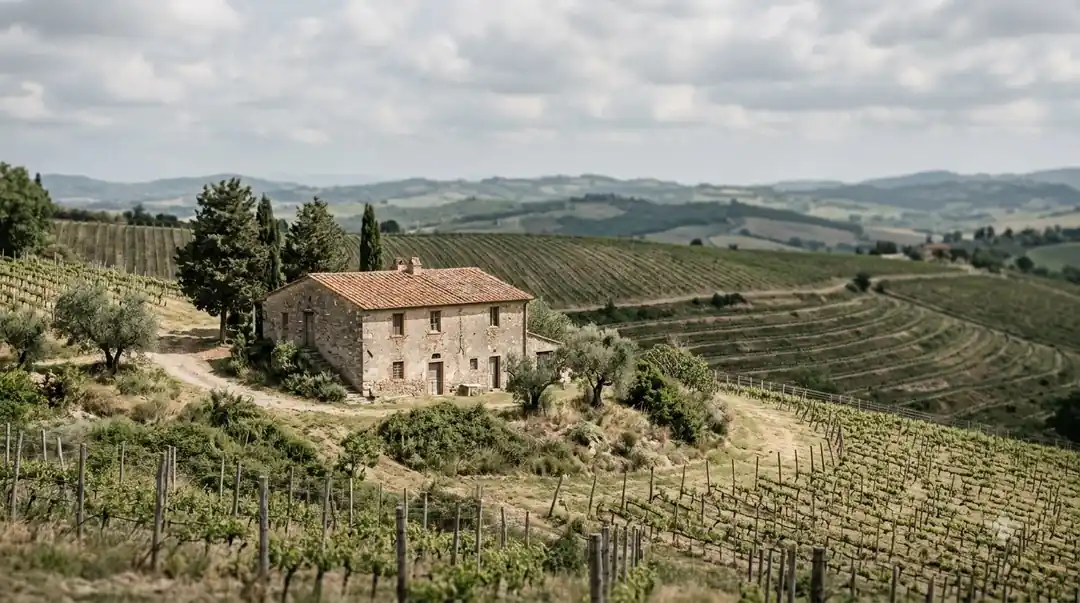
Geographically, the vineyard zone stretches about 34 miles (55 kilometers) from north to south and measures roughly 7 to 9 miles across. The Nizerand River cuts through the center of the region, creating a natural geological boundary that separates the northern hills from the southern plains.
This geographic divide shapes every bottle produced in the area. In the southern half, flatter terrain and clay-based marl soils yield approachable, soft, and fruity everyday reds. North of the Nizerand River, steeper slopes composed of decomposed pink granite and schist produce concentrated, structured wines capable of aging in the cellar.
The local climate sits in a transitional sweet spot between continental Burgundy and the warmer Rhône Valley to the south. Warm summer days ripen the fruit reliably, while cool nighttime breezes coming off the Massif Central preserve the crisp natural acidity that keeps Beaujolais refreshing on the palate.
Sub-Regions and the 12 Appellations
Wine law divides Beaujolais into 12 distinct appellations arranged across a three-tier quality hierarchy: regional Beaujolais, Beaujolais Villages, and the ten individual Cru Beaujolais villages. Moving upward through these tiers corresponds directly to moving northward into steeper, granite-rich vineyard sites.
At the base of the pyramid sits the broad Beaujolais AOC, which covers the rolling clay-and-limestone hills in the south. Much of the harvest from this zone goes into light-bodied, easy-drinking reds, including the famous Beaujolais Nouveau released every November just weeks after harvest.
The middle tier, Beaujolais Villages, encompasses 39 designated communes located mostly in the central and northern parts of the region where granite begins to appear in the subsoil. Wines carrying the Beaujolais Villages label display darker fruit notes and firmer structure than basic regional bottlings.
At the top of the hierarchy sit the ten Cru Beaujolais appellations, all clustered in the northern granite hills and accounting for roughly 15 percent of total regional production. These bottles often omit the word Beaujolais from the front label entirely, highlighting the specific village name instead.
| Appellation or Cru | Geographic Zone | Soil Composition | Typical Wine Style |
|---|---|---|---|
| Beaujolais AOC | Southern hills and plains | Clay, marl, and limestone | Light-bodied, bright red berries, low tannin |
| Beaujolais Villages | 39 central and northern communes | Mixed granite, sand, and clay | Medium-bodied, ripe red and black fruit, balanced |
| Brouilly and Côte de Brouilly | Southernmost crus around Mont Brouilly | Granite and volcanic blue stone | Lively, fresh, crowd-pleasing; riper on higher slopes |
| Chiroubles and Fleurie | High-altitude northern slopes | Decomposed pink granite | Silky, floral, aromatic, elegant, and perfumed |
| Morgon and Moulin-à-Vent | Central-north granite hills | Decomposed granite, schist, manganese | Full-bodied, structured, earthy, and age-worthy |
Beyond the six crus highlighted above, the northern tier includes Saint-Amour, Juliénas, Chénas, and Régnié. Saint-Amour marks the northernmost boundary bordering Burgundy, while Régnié earned official cru promotion in 1988 as the newest addition to the top ten.
Key Grapes and Winemaking Styles
Unlike broader Wine by Type categories that blend multiple varieties, red Beaujolais relies almost exclusively on a single black grape: Gamay Noir à Jus Blanc. Alongside Gamay, local regulations permit a small production of white and rosé wines made from Chardonnay and Gamay respectively.
Gamay thrives in the acidic granite soils of northern Beaujolais, where lower fertility keeps yields in check and concentrates aromatics. By contrast, Gamay planted on fertile limestone soils further north in Burgundy tends to produce overly acidic, thin wines, which explains why the grape found its true home south of Mâcon.
Winemakers in Beaujolais frequently rely on carbonic or semi-carbonic maceration to shape the wine’s signature texture. Rather than crushing the berries immediately, producers place whole grape clusters into sealed tanks filled with carbon dioxide, triggering an intracellular fermentation inside each intact berry before yeast finishes the job.
Full carbonic maceration extracts vibrant color and juicy strawberry, raspberry, and candied fruit aromas while leaving harsh seed tannins behind. In serious cru vineyards such as Moulin-à-Vent and Morgon, many winemakers combine partial whole-cluster fermentation with traditional crushing and oak aging to build deeper tannins and cellar longevity.
How Beaujolais Compares to Neighboring French Regions
Sitting between Burgundy and the Rhône Valley gives Beaujolais a sensory profile that bridges France’s most famous red wine regions. While Burgundy’s Côte d’Or relies on Pinot Noir grown over limestone, Beaujolais channels Gamay grown over granite to achieve similar elegance at a fraction of the weight.
South of Lyon, the northern Rhône shifts toward darker, spicier reds built from Syrah, a grape you can explore further in our guide on where is syrah from. Compared to Syrah or the plush, velvety reds covered in our overview of where is merlot from, Beaujolais offers brisker acidity and noticeably softer tannins.
According to Wine Folly’s regional breakdown of Beaujolais, aged bottles from top crus like Morgon and Moulin-à-Vent develop savory, earthy nuances that closely resemble mature red Burgundy. That crossover appeal makes cru Beaujolais a staple recommendation among restaurant sommeliers.
Tip: Serve red Beaujolais slightly chilled at 55 to 60 degrees Fahrenheit rather than warm room temperature to keep its bright berry aromatics crisp and refreshing.
Notable Producers and Historic Estates
Beaujolais encompasses both historic négociant houses that helped bring the region’s wines to global attention and smaller, terroir-focused estates working single-vineyard parcels. Reviewing labels from both styles offers a clear picture of the region’s range.
In the historic camp, Georges Duboeuf played a central role in popularizing Beaujolais Nouveau around the world while also bottling single-cru selections. Estates such as Château de la Chaize in Brouilly and Château de Poncié in Fleurie preserve centuries-old cellars and Le Nôtre-designed gardens that highlight the aristocratic roots of northern Beaujolais.
On the artisanal side, producers like Marcel Lapierre in Morgon pioneered low-intervention viticulture and traditional winemaking across the ten crus. Other widely cited names across wine publications include Domaine des Marrans in Chiroubles, Julien Sunier in Régnié, Christophe Pacalet in Moulin-à-Vent, and Paul-Henri Thillardon in Chénas.
Visiting Tips for the Beaujolais Wine Route
Travelers exploring Beaujolais usually base themselves in Lyon or Villefranche-sur-Saône, making the vineyards an easy day trip by car. The official Beaujolais Wine Route winds north through golden-stone villages in the south before climbing into the steeper granite slopes of the ten crus.
As detailed in Inter Beaujolais’s official visitor portal, the region is less than a 30-minute drive from central Lyon and features marked walking trails and village tasting cellars known as caveaux. Many historic estates require advance reservations for cellar tours, while communal village tasting rooms welcome drop-in visitors throughout the week.
Late spring through early autumn brings pleasant weather across the hillsides, with September offering a front-row view of the hand-harvested Gamay vintage. Visitors arriving in mid-November can experience the festive Beaujolais Nouveau celebrations centered in the historic town of Beaujeu.
Frequently Asked Questions
Is Beaujolais considered part of Burgundy?
Historically and geographically, Beaujolais sits directly south of Burgundy’s Mâconnais subregion and shares administrative links with greater Bourgogne. However, Beaujolais earned its own independent Appellation d’Origine Contrôlée status in 1938 because its granite soils and Gamay-based wines differ sharply from Burgundy’s Pinot Noir and Chardonnay.
What is the difference between Beaujolais Nouveau and Cru Beaujolais?
Beaujolais Nouveau is an early-release wine fermented via carbonic maceration and bottled just weeks after harvest for immediate, casual drinking. Cru Beaujolais comes from ten specific northern villages with granite-rich soils, yielding more complex, structured reds that can age for five to twenty years depending on the cru.
Does Beaujolais only make red wine?
While red Gamay accounts for the vast majority of production, Beaujolais also produces dry white wines made from Chardonnay and crisp rosé wines made from Gamay. White Beaujolais typically displays notes of pear, white peach, and blanched almonds, offering a refreshing alternative to neighboring Mâconnais whites.
How long can Beaujolais wine age?
Basic Beaujolais AOC, Beaujolais Nouveau, and most Beaujolais Villages bottles taste best within one to three years of the vintage while their fresh berry fruit is brightest. Structured crus like Fleurie and Côte de Brouilly can develop gracefully for up to ten years, while powerful bottles from Morgon and Moulin-à-Vent can age for twenty years in top vintages.
From sunny clay slopes north of Lyon to steep granite ridges bordering southern Burgundy, Beaujolais packs remarkable geographic diversity into a compact 34-mile stretch of eastern France. Knowing whether a bottle hails from the southern plains, one of the 39 villages, or a northern granite cru makes it easy to predict the exact balance of bright fruit, floral lift, and earthy structure waiting inside the glass. If you enjoy exploring how European wine geography shapes classic bottles, check out our guide on where is port from next.
More in Wine Types & Grapes
 Zinfandel Sugar Content: Dry Red vs. White Zinfandel GramsUpdated Nov 21, 2026
 Best Zinfandel Substitute Options for Sipping and CookingUpdated Nov 21, 2026
 Zweigelt Food Pairing: Best Dishes, Cheeses, and Serving TipsUpdated Nov 21, 2026
 Zinfandel Tannins Explained: How Structure Shapes Every BottleUpdated Nov 21, 2026
 Zinfandel Sweetness Level: Dry Red vs. Sweet White Zin ExplainedUpdated Nov 21, 2026
 Xinomavro Food Pairing: Best Dishes, Styles, and Serving TipsUpdated Nov 21, 2026