

We may earn a commission when you buy through links on this page, at no extra cost to you. Learn more.
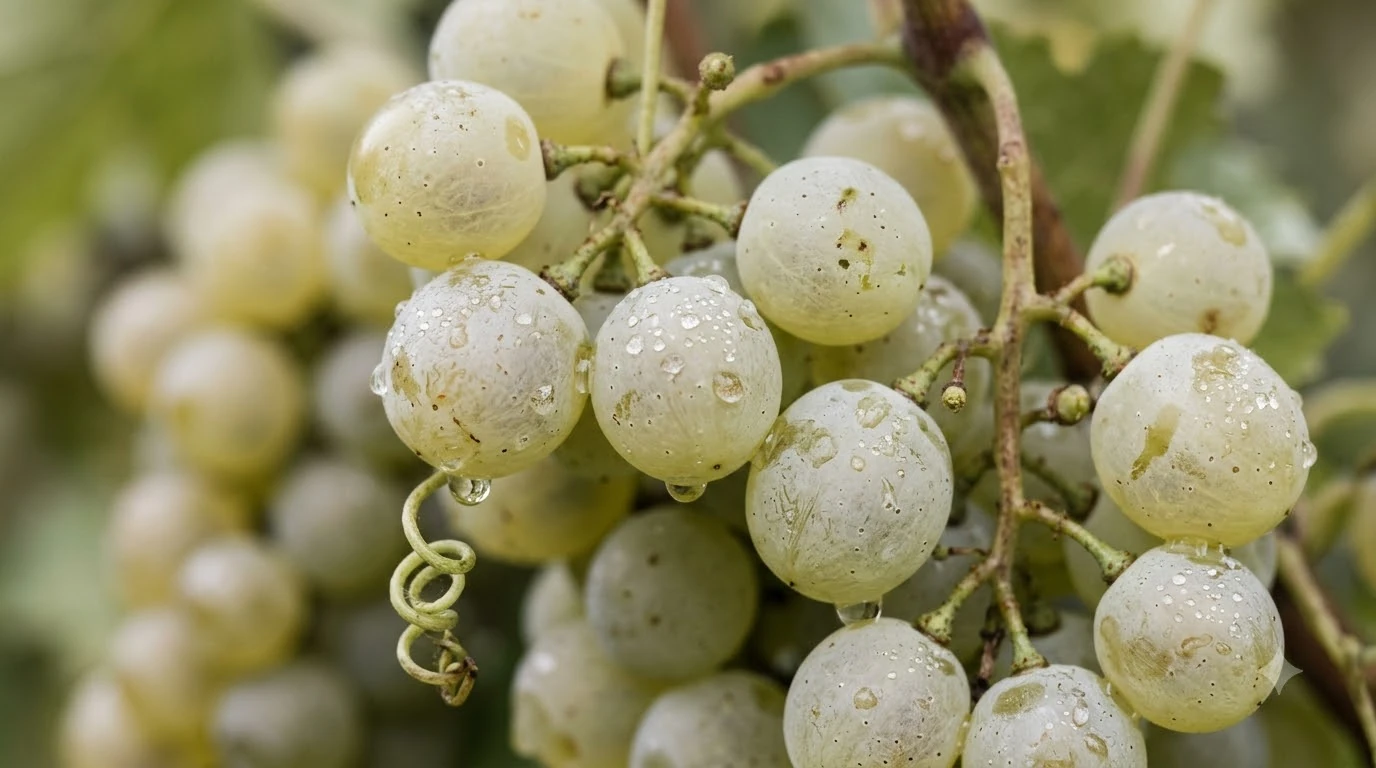
If you are wondering what is ugni blanc, it is the crisp, high-acid white wine grape that serves as the primary base for French Cognac and Armagnac while also producing refreshing, citrus-driven dry white wines. Originally from Italy, where it is famously known as Trebbiano Toscano, this hardy variety thrives across southwestern France and the Mediterranean coast. In the glass, still bottles deliver clean notes of lemon zest, green apple, and white peach with a lively finish.
Most wine drinkers have tasted this grape without realizing it, either inside a snifter of aged French brandy, drizzled over salad as aged Italian balsamic vinegar, or poured as an easygoing table white. Understanding how this workhorse variety behaves in the vineyard and the cellar makes it far easier to spot great bottles on retail shelves and restaurant lists.
What Is Ugni Blanc?
Ugni Blanc is a late-ripening Vitis vinifera white grape celebrated for its high natural acidity, neutral-to-delicate aromatics, and strong resistance to vineyard rot. Its combination of bright acid and low sugar accumulation makes it uniquely suited for both crisp everyday table wines and double distillation into spirits.
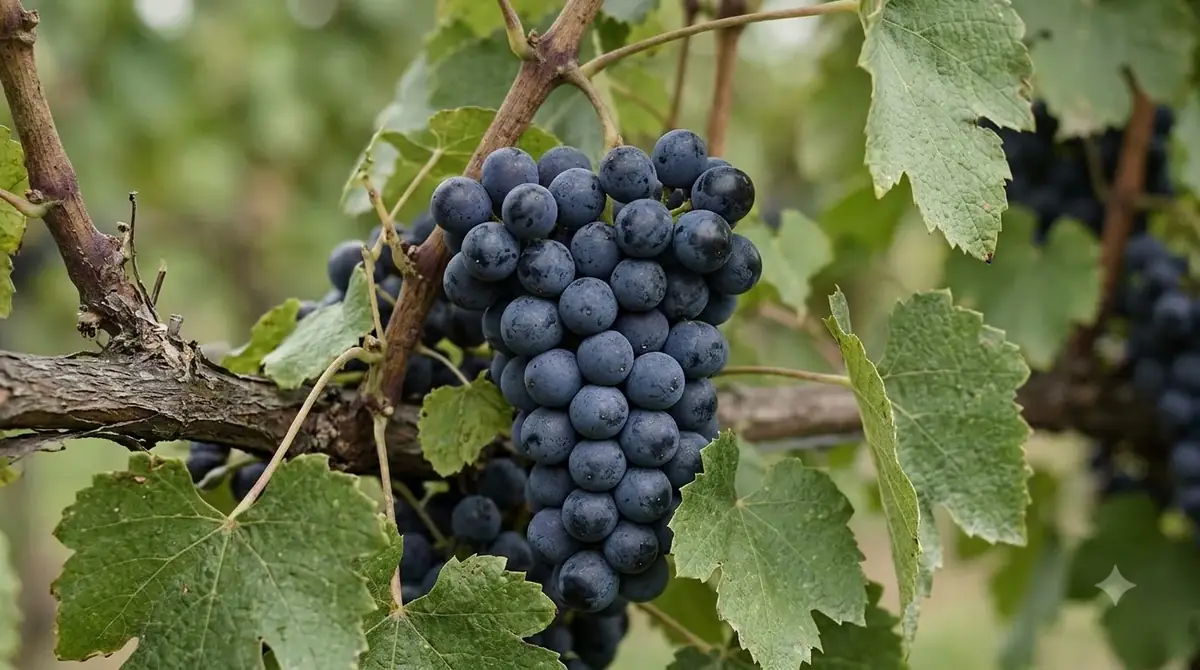
According to Vin De France, the grape originated in Tuscany, Italy, where growers cultivate it under the name Trebbiano Toscano before it spread north into France centuries ago. Today, French plantings far outpace Italian ones in total acreage, largely because the variety became the undisputed backbone of the country’s brandy industry. Following the late-nineteenth-century phylloxera crisis that wiped out the sensitive Folle Blanche grape, growers in western France turned to grafted Ugni Blanc for its reliability, late budding that dodges spring frosts, and steady yields.
In the vineyard, Ugni Blanc displays vigorous growth and ripens roughly three and a half to four weeks after benchmark varieties like Chasselas. Because it buds late, it avoids early spring cold snaps, though it still requires ample autumn warmth to reach full maturity. Winemakers closely manage its generous yields through careful pruning; when cropped sensibly on calcareous soils, the fruit yields clean, mineral-inflected juice rather than diluted neutral wine. If you are exploring Wine by Type, Ugni Blanc sits squarely in the light-bodied, bone-dry white category alongside varieties like Pinot Grigio and Muscadet.
Beyond France and Italy, the grape goes by several regional synonyms that often appear on older labels or regional blend sheets. In Cognac, local growers traditionally refer to it as Saint-Émilion (not to be confused with the famous Bordeaux red wine appellation), while producers in Provence and Corsica sometimes use names like Clairette Ronde or Rossola. Knowing these aliases helps decode regional European labels where the primary grape is blended quietly into the background.
Flavor Profile and Styles
In still white wine form, ugni blanc wine offers a light- to medium-light body, vibrant medium-high acidity, zero tannins, and moderate alcohol typically ranging from 11.5% to 13.5% ABV. Its flavor profile leans toward bright lemon, quince, green apple, and white peach rather than heavy tropical fruit or oak spice.
Wine educators at Wine Folly highlight primary tasting notes of white peach, lemon, green apple, crushed seashell, and fresh basil in dry expressions. In cooler Atlantic-influenced pockets of western France, the wines stay brisk, lean, and discreetly aromatic, acting almost like a palate cleanser. Move south toward the Mediterranean coast or warmer parts of Aquitaine, and the grape develops a rounder, smoother texture with subtle hints of pine resin and Mediterranean herbs.
While dry, unoaked white wine is the standard table expression, Ugni Blanc takes on dramatically different identities depending on how winemakers and distillers process the harvest. Its versatility spans four major culinary and beverage categories:
| Style / Product | Primary Region | Key Production Method | Tasting Profile |
|---|---|---|---|
| Dry Still White Wine | Côtes de Gascogne, Provence, Tuscany | Cool stainless steel fermentation, unoaked | Crisp lemon, green apple, white peach, saline finish |
| Cognac & Armagnac | Charente & Gascony, France | High-acid base wine distilled in copper stills and aged in oak | Dried fruit, vanilla, baking spice, toasted oak, floral rancio |
| Vin Santo | Tuscany, Italy | Grapes dried on mats (appassimento), aged in small caratelli casks | Amber-hued, oxidative notes of hazelnut, dried fig, caramel, honey |
| Traditional Balsamic Vinegar | Modena & Reggio Emilia, Italy | Cooked grape must aged for at least 12 years in wooden barrels | Syrupy, complex sweet-and-sour balance with wood and fig notes |
In blending, Ugni Blanc plays an essential supporting role. Winemakers across southern France frequently pair it with more aromatic varieties like Colombard, Gros Manseng, or Sauvignon Blanc. Ugni Blanc supplies the structural backbone and mouthwatering acidity, while its blending partners contribute louder aromatics like grapefruit, passionfruit, or fresh-cut grass.
Where Ugni Blanc Grows
France and Italy remain the twin powerhouses of Ugni Blanc cultivation, accounting for the vast majority of global plantings across contrasting coastal and inland climates. While it adapts easily to different environments, calcareous and chalky limestone soils consistently produce the most vibrant, structured wines.
In southwestern France, the Charente and Charente-Maritime departments surrounding the town of Cognac dedicate nearly their entire vineyard acreage to Ugni Blanc. Here, the maritime climate and chalky soils yield thin, tart base wines with low alcohol and high acidity—traits that are unremarkable on the dinner table but ideal for concentrating delicate floral and orchard-fruit esters during double distillation. Just to the south in Gascony, the Côtes de Gascogne IGP blends Ugni Blanc with Colombard to produce some of France’s best-value, ultra-crisp dry whites, while neighboring Armagnac relies on the grape alongside Baco Blanc and Folle Blanche for single-distilled brandies.
Along the Mediterranean coast in Provence and Corsica, Ugni Blanc serves as a foundational blending grape in coastal white wines from appellations like Cassis, Côtes de Provence, and Palette. Warm sunshine ripens the fruit more thoroughly here, lending a fuller mouthfeel and herbal Mediterranean character that complements local seafood dishes. Producers in these sun-drenched vineyards carefully limit yields so the grape retains its signature freshness despite the summer heat.
Across the border in central Italy, the grape wears its Trebbiano Toscano badge across Tuscany, Umbria, and Lazio. It appears in classic Tuscan white blends, forms the base of traditional sweet Vin Santo after months of indoor grape drying, and contributes essential acidity to cooked grape must destined for aged balsamic vinegar in Modena. Outside Europe, small pockets of the grape also grow in California, Australia, and South America, where warm-climate growers value its ability to hold onto natural acidity under bright sun.
How to Serve Ugni Blanc
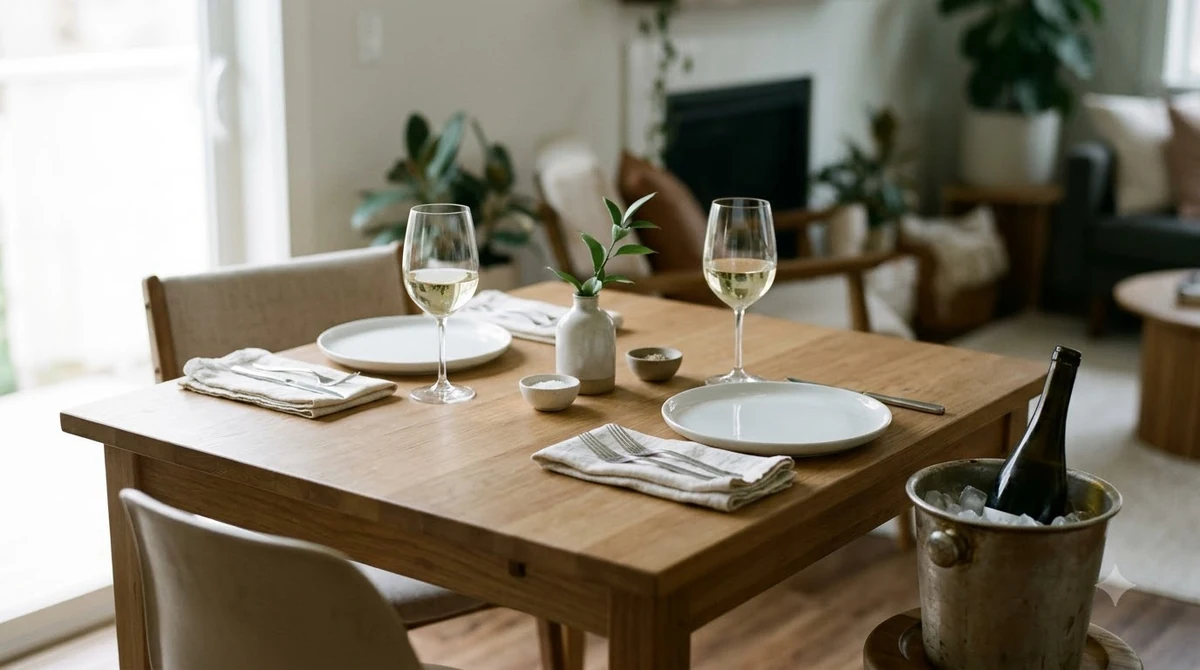
Serve dry still Ugni Blanc well chilled at 45°F to 55°F (7°C to 12°C) in a standard white wine glass to preserve its crisp citrus aromatics and snappy acidity. Because nearly all everyday bottles are unoaked and built for immediate freshness, decanting is unnecessary.
Pulling the bottle straight from a standard kitchen refrigerator usually leaves it around 38°F to 40°F, which is slightly too cold and mutes its subtle white peach and floral notes. Letting the bottle sit on the counter for about 15 minutes before pouring brings it squarely into the ideal serving window. If you are hosting an outdoor lunch or dinner, resting the bottle in an ice bucket filled with half water and half ice keeps the temperature steady without over-chilling the glass. This temperature discipline mirrors the approach outlined in our guide on how to serve sauvignon blanc, another high-acid white that shines when cold but not freezing.
Most dry Ugni Blanc and Trebbiano wines are crafted for youthful enjoyment within one to three years of the vintage date, though Wine Folly notes that well-made examples can hold nicely for three to five years in a cool cellar. Once opened, re-cork the bottle tightly and store it upright in the refrigerator; its brisk natural acidity keeps the wine lively for two to three days.
Tip: If you are ordering in a restaurant or chatting with a wine shop clerk, check our quick guide on how to pronounce ugni blanc so you can ask for it with confidence.
Food Pairing Ideas
Ugni Blanc’s high natural acidity and clean, unobtrusive fruit profile make it a natural partner for light, bright, and briny dishes that might overwhelm richer white wines. Think of it as an edible squeeze of fresh lemon that cuts through richness and refreshes the palate between bites.
Seafood and shellfish sit at the top of the pairing list. Raw oysters on the half shell, steamed mussels in white wine and garlic, grilled shrimp skewers, and flaky pan-seared cod all match the wine’s crisp mineral edge and subtle seashell notes. In Provence and coastal Italy, locals routinely pour dry Ugni Blanc or Trebbiano alongside seafood pasta, calamari, and herb-crusted white fish.
Beyond the ocean, this grape excels with vegetable-forward plates, fresh cheeses, and simple poultry dishes. Try pairing a chilled bottle with:
- Fresh and aged cheeses: Creamy chèvre (goat cheese), fresh ricotta, burrata, or aged hard Italian cheeses like Parmigiano-Reggiano and Pecorino Toscano.
- Herbaceous Mediterranean fare: Trofie al pesto, zucchini blossoms, marinated artichokes, white pizza with garlic and rosemary, or a classic Niçoise salad.
- Light poultry and pork: Lemon-herb roast chicken, chicken piccata with capers, or grilled pork tenderloin with fennel.
One pairing rule to keep in mind is matching the weight of the sauce to the weight of the wine. Because dry Ugni Blanc has a light-to-medium frame and no oak tannin, heavy cream sauces, smoky barbecue glazes, or fiery chili heat will overpower its delicate fruit. Stick to olive oil, citrus, fresh herbs, and light broths to let the wine shine.
How to Choose a Good Bottle
Shopping for Ugni Blanc requires scanning both the front and back labels, because winemakers rarely bottle it as a standalone varietal wine outside a few French regional appellations. Knowing where to look on the wine shop shelf ensures you get a lively, expressive bottle rather than an overly neutral bulk white.
Start in the French section with bottles from Côtes de Gascogne IGP. These wines typically blend Ugni Blanc with Colombard or Gros Manseng, delivering explosive citrus and green apple freshness at accessible everyday prices. Look for the most recent vintage on the shelf—ideally within one to two years of the current harvest—to guarantee crisp primary fruit. If you want a slightly fuller, more herbal Mediterranean take, browse white blends from Côtes de Provence or Cassis, where Ugni Blanc teams up with Clairette and Rolle (Vermentino).
In the Italian aisle, search under the name Trebbiano Toscano or look for regional blends from Tuscany, Umbria (such as Orvieto Classico), and Lazio (such as Frascati). Seek out estate-bottled producers who emphasize low vineyard yields and stainless-steel or concrete fermentation on their back labels, as careful yield management separates vibrant, stony Trebbiano from watery mass-market versions.
Frequently Asked Questions
Is Ugni Blanc the same grape as Trebbiano?
Yes, Ugni Blanc is the French name for Italy’s Trebbiano Toscano grape. While the Trebbiano family in Italy includes several distinct varieties like Trebbiano Abruzzese and Trebbiano di Soave, Trebbiano Toscano is genetically identical to France’s Ugni Blanc.
Is Ugni Blanc a sweet or dry wine?
Standard table wines made from Ugni Blanc are fermented completely dry with crisp, mouthwatering acidity and no noticeable residual sugar. The main exception is Italian Vin Santo, a traditional sweet dessert wine made by drying Trebbiano Toscano grapes on mats before fermentation and barrel aging.
Why is Ugni Blanc used to make Cognac?
Ugni Blanc produces base wines with high natural acidity, low alcohol, and clean, neutral fruit, which are ideal qualities for copper pot distillation. High acidity preserves freshness during heating without needing sulfur preservatives, while low alcohol allows distillers to concentrate delicate floral and fruity aromas in the spirit.
What does Ugni Blanc taste like compared to Sauvignon Blanc?
Both grapes share bright, refreshing acidity, but Ugni Blanc is much milder and more restrained on the nose than Sauvignon Blanc. While Sauvignon Blanc bursts with pungent grapefruit, jalapeño, and cut-grass aromas, Ugni Blanc offers subtler notes of lemon zest, green apple, white peach, and wet stone.
Whether you encounter it as a zesty Côtes de Gascogne table white, a coastal Italian Trebbiano, or the distilled foundation of a fine Cognac, Ugni Blanc rewards drinkers who appreciate clean acidity and understated elegance. Pick up a chilled bottle for your next seafood dinner or summer aperitif spread to see why European growers have relied on this adaptable grape for centuries.
More in Wine Types & Grapes
 Zinfandel Sugar Content: Dry Red vs. White Zinfandel GramsUpdated Nov 21, 2026
 Best Zinfandel Substitute Options for Sipping and CookingUpdated Nov 21, 2026
 Zweigelt Food Pairing: Best Dishes, Cheeses, and Serving TipsUpdated Nov 21, 2026
 Zinfandel Tannins Explained: How Structure Shapes Every BottleUpdated Nov 21, 2026
 Zinfandel Sweetness Level: Dry Red vs. Sweet White Zin ExplainedUpdated Nov 21, 2026
 Xinomavro Food Pairing: Best Dishes, Styles, and Serving TipsUpdated Nov 21, 2026